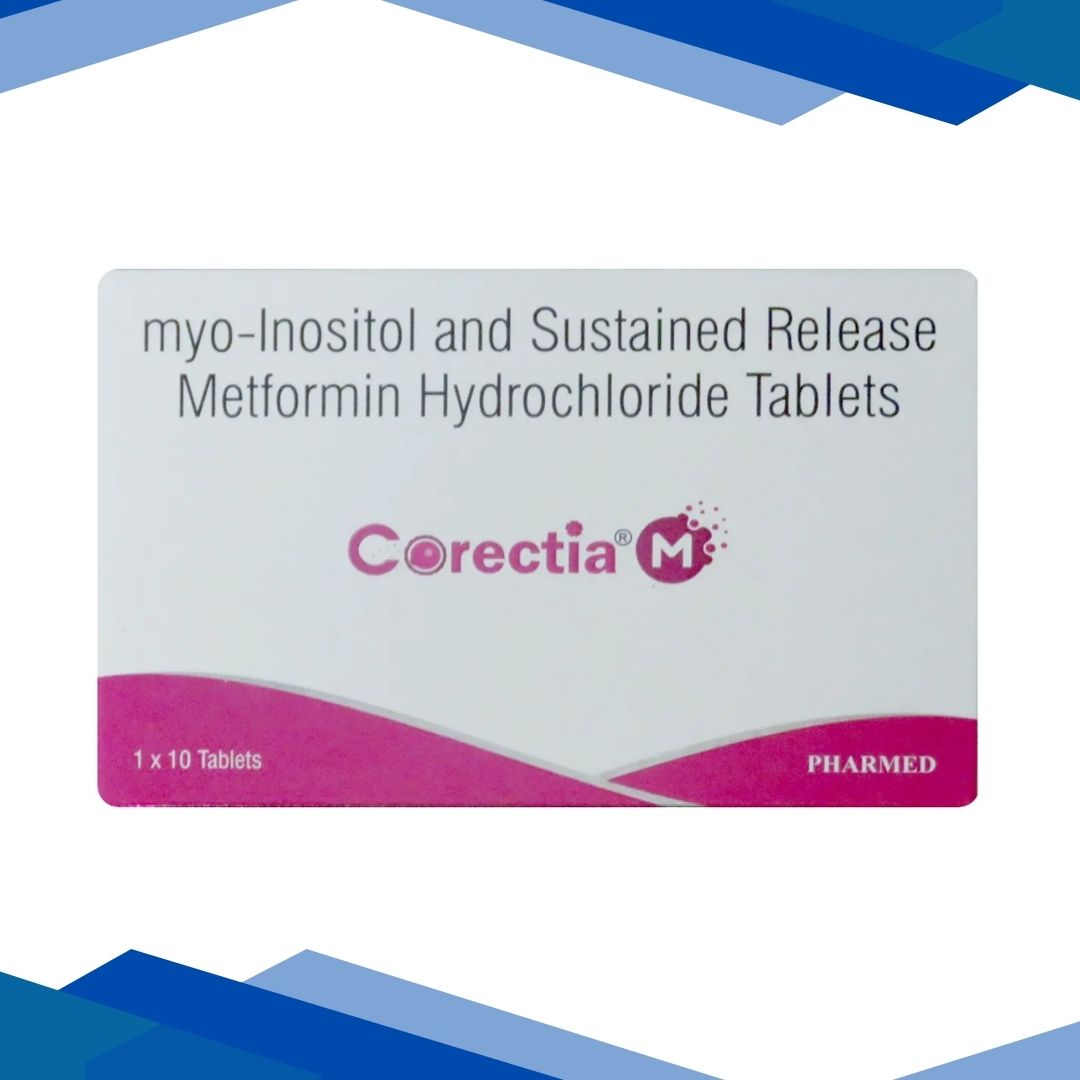
Corectia Tablet 10’S
No Prescription yet? Don’t worry! Click Here to Get Online Consultation
Corectia Tablet is a nutritional supplement used to manage anovulatory polycystic ovary syndrome (PCOS with an absence of egg release). It contains Myo-inositol, D-chiro-Inositol, N-acetylcysteine, minerals, vitamin D3 and B12 as active ingredients that help to improve overall well-being in women.
Acetylcysteine
Acetylcysteine 600mg Effervescent contains nebulized sulfa
Indication
Acetylcysteine is a powerful mucolytic agent used in respiratory disorders where mucus production is increased or becomes thick and difficult to expel. It works by altering the structure and elasticity of mucus, making it easier to remove.
It is commonly used in conditions with excessive or thick mucus, where it helps by breaking cystine bonds in mucus, thereby improving mucociliary clearance.
Additionally, Acetylcysteine (NAC) is used as:
- A resuscitative agent in paracetamol overdose
- A potent antioxidant supplement
Acetylcysteine Key Benefits and Uses
- Breaks Down Thick Mucus: Useful in conditions like bronchitis, emphysema, and cystic fibrosis involving mucus blockage.
- Respiratory Relief: Helps in easier breathing by clearing clogged airways.
- Antioxidant Support: Boosts glutathione levels, enhancing the body's defense against oxidative stress.
- Liver Protection: Used clinically to protect the liver from damage (e.g., drug toxicity).
Directions for Use
- Preparation: Dissolve the entire tablet in half a glass (100 ml) of water.
- Dissolve: Allow it to completely dissolve.
- Consume: Drink the solution immediately.
- Timing: Can be taken with or without food, though often recommended after meals to reduce stomach upset.
- Hydration: Maintain adequate fluid intake to enhance mucolytic action.
Common Side Effects
Though generally well tolerated, some individuals may experience:
- Nausea or mild stomach upset
- Sulphur-like smell (normal due to the medication)
- Runny nose or sore mouth
- Fever or drowsiness (rare)
Note: Discontinue use and seek medical attention if you notice skin reactions, breathing difficulty, or facial swelling.
Questions and Answers (Q&A)
Q: How long does it take for Acetylcysteine to work?
A: Effects may begin within 60–120 minutes after the first dose. For chronic conditions, it may take a few days for full benefit.
Q: Is Acetylcysteine safe for asthma patients?
A: Use with caution. It may sometimes cause airway tightening (bronchospasm). Always consult your doctor first.
Q: Why do Acetylcysteine tablets smell like rotten eggs?
A: This is due to its sulfur content and is completely normal, not a sign of spoilage.
Q: Can I take it with dry cough syrup?
A: Generally not recommended. Antitussives suppress cough, while Acetylcysteine helps expel mucus—using both together may trap mucus in the lungs.
Q: Is it safe during pregnancy or breastfeeding?
A: Should be used only if clearly necessary and under medical supervision.
Disclaimer: This information is for educational purposes only and should not replace professional medical advice. Always consult a healthcare provider before starting any medication.
Myo‑inositol
Myo-inositol (Vitamin B8)
Myo-inositol is a naturally occurring saccharide produced by the body and found in fruits, legumes, and grains. Commonly referred to as Vitamin B8, it acts as a crucial second messenger in insulin signaling pathways. In clinical supplementation, myo-inositol is highly valued for improving insulin sensitivity and supporting reproductive health, especially in females with hormonal imbalances.
Most notable among them are as given below
Hormonal Balancing (PCOS): Widely used to manage Polycystic Ovary Syndrome (PCOS), it helps regulate menstrual cycles and improve egg quality.
Insulin Sensitivity: Enhances the body’s response to insulin, aiding in metabolic syndrome and reducing sugar cravings.
Mental Wellness: Abundant in the brain, it supports neurotransmitters (like serotonin), helping with mood stabilization during stress, anxiety, or depression.
Support for Fertility: Acts as a first-line support in improving ovarian function and aiding conception.
Use and Dosage
Dosage Instructions: For PCOS or metabolic support, the usual dose is 2–4 g per day, divided into morning and evening doses.
Forms: Available in powder or capsule form. The powder dissolves easily in water or juice.
With or without food: Better absorbed on an empty stomach, but can be taken with a light meal if digestive discomfort occurs.
Maintained use: Benefits are cumulative; consistent use for at least 3 months is recommended for hormonal balance.
Safety Points
Quality: Choose high-quality, pure Myo-inositol. A 40:1 ratio of Myo-inositol to D-chiro-inositol is often recommended for optimal PCOS outcomes.
Pregnancy: While used for fertility support, consult an OB-GYN before continuing after pregnancy confirmation.
Diabetes: If taking antidiabetic medications (e.g., Metformin), monitor blood sugar levels closely due to possible additive effects.
Side Effects
Myo-inositol is generally considered safe and well-tolerated. However:
- Mild gastrointestinal discomfort may occur
- Rare side effects include nausea or bloating
Bottom Line: Safe at recommended doses, but avoid excessive intake without medical guidance.
FAQ
Q: Is Myo-inositol the same as Inositol?
A: Inositol is a general term for nine isomers. Myo-inositol is the most abundant and most studied for insulin and fertility benefits.
Q: Can Myo-inositol be taken by males?
A: Yes. It supports metabolic health and may improve sperm motility, along with maintaining cell membrane health.
Q: How long will it take to see results in skin or cycle?
A: Improvements are typically seen after 8–12 weeks of consistent use.
Q: Can I take it with coffee?
A: It is best taken with water. Caffeine may slightly affect nutrient absorption, so maintain a 30-minute gap.
Q: Is long-term use safe?
A: Yes, clinical studies support its long-term safety, but periodic consultation (every 6 months) with a healthcare provider is recommended.
Vitamin B12
Vitamin B12 (Cobalamin): Essential to nerve fiber and energy
Vitamin B12, also known as cobalamin, is a water-soluble nutrient critical to the normal daily activity of the body. Unlike other vitamins, humans are unable to produce it on their own, so they can only supply the B12 via their dietary intake or high-quality supplements. It is thus the primary factor that keeps your metabolism running—and working well at that—and ensures the optimum health of your blood cells and neurological system.
Why Does Your Body Need Vitamin B12?
Red Blood Cell Formation: It is important in producing sound red blood cells. A deficiency can result in megaloblastic anemia, where the cells are too large to perform their function.
Neurological Support: Vitamin B12 plays a part in maintaining the protective sheath of the nerves called myelin, thus ensuring rapid transmission of information between the brain and the peripheral body.
DNA Synthesis: It directly contributes to making up the genetic material present in every single cell of the body.
Additionally, it helps to reduce fatigue and anaemia by converting carbohydrates into glucose.
Common Deficiency Symptoms
There are some features, particularly among plant-based diets or individuals older in age, which suggest a relatively lower level of B12.
Intense form of fatigue and muscle weakness can hold on.
Pins-and-needles tingling sensations prevalent in hands and feet.
Hazy memory or inability to concentrate.
Pale skin or a slight yellow tinge to the whites of the eyes.
The tongue can become red and sore (glossitis).
Administration and Dosage
Vitamin B12 supplements come in various types: the active form, called Methylcobalamin, and the other, called Cyanocobalamin.
Administration: Most oral drugs are consumed once daily and are best taken with or after a meal to enhance absorption.
Protection: Store in a cool, dry place that is not exposed to sunlight. The container should be sealed tightly.
Frequently Asked Questions
1. Who is at the greatest risk for a B12 deficiency?
Vegetarians and vegans often have an increased risk because B12 is naturally found mainly in animal sources such as dairy, meat, and eggs. Also, the ageing populace and those with some gut diseases, such as Celiac disease, may not be able to absorb enough vitamin B12 from food.
2. Can I take Vitamin B12 every day?
Yes, most adults can take a daily B12 supplement as any excess will be excreted from the body through urine. Always consult a healthcare provider to help determine the specific dose that you need based on your personal levels.
3. What is the difference between Methylcobalamin and Cyanocobalamin?
Methylcobalamin is the naturally occurring, "active" version of the vitamin that the body holds onto better. Cyanocobalamin is a synthetic form that must be converted through the body for it to be employed.
4. Are there any side effects?
Vitamin B12 is usually considered safe and non-toxic even at higher doses. Very high doses might cause some level of diarrhea or body itching and some sensation of swelling in the body. In case of allergic reaction, immediate medical attendance should be sought.
5. How long does it take to see results from B12 supplements?
In the case where it is a case of correcting deficiency, one can expect improvements in energy on day 1, although the neurological improvements take time and will be seen in weeks to months with consistent use.
Notice: The information given is only intended for educational purposes and is not to be replaced with personal medical advice, diagnosis, or treatment. Always consult your health care professional for any questions related to a medical issue.
Vitamin D3
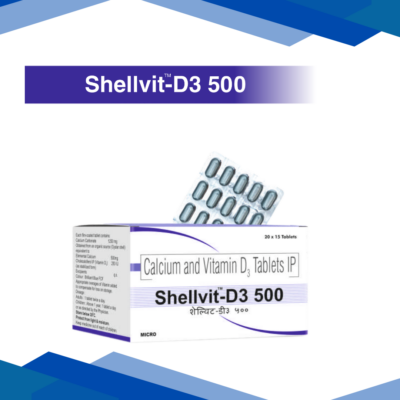
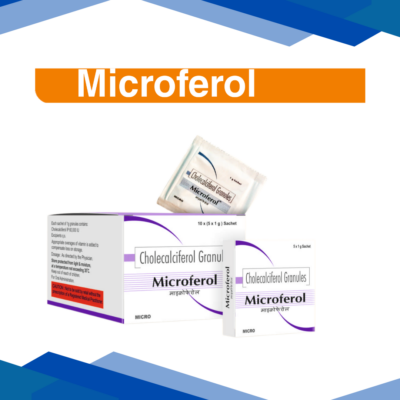
Vitamin D3 also called Cholecalciferol, an example of a fat-soluble vitamin, strongly influences the absorption capacities of calcium and phosphorus from the gut. This vitamin, at times called the "Sunshine Vitamin," is important for maintaining bone density, modulating immune function, and maintaining neuromuscular health. Generally, the strong 60K variants are meant to correct clinical Vitamin-D deficiency levels and manage bone-adverse state.
Key Health Aspects
Bones and Joints: Facilitates the absorption of calcium for the prevention of osteoporosis, osteomalacia, and rickets.
Immunity: Modulates the immune system supporting the body in the fight against respiratory infections and chronic inflammation.
Muscle Strength: Supports muscle strength and balance and protects against falls, especially in the elderly.
Mood Regulation: The emerging research suggests that Vitamin D3 also plays a role in the synthesis of neurotransmitters, which can have positive effects on the treatment of Seasonal Affective Disorder (SAD).
Dental health: Vitamin D3 acts as a force to help in the formation of tooth enamel by promoting the coordination of the calcium-phosphorus balance.
Product Specs
Active Ingredient: Cholecalciferol (Vitamin D3) 60,000 IU.
Form: Softgel / Granules / Tablets.
Category: Nutritional Supplements / Vitamins.
Storage: Store in a cool, dry place below 25 deg. C. Protect the product from direct light.
Usage
Dosage: A high-capacity capsule of this vitamin (60,000 IU) typically has one capsule per week for a usual adult dose, which may be supplied for 8–12 weeks of treatment, with the maintenance dose to follow.
Administration: The capsule is to be swallowed whole with a big glass of water.
Pro-Tip: Vitamin D3 is a fat-soluble nutrient, so it will be absorbed best if taken along with the meal that has the most fat content, or taken with milk, nuts, oils, etc.
Safety & Side Effects
Vitamin D3 is generally safe when taken in the recommended doses. However, excessive intake may lead to hypervitaminosis D, which is characterized by:
Nausea or vomiting.
Excessive thirst or frequent urination.
Constipation.
Loss of appetite.
High blood calcium (hypercalcemia).
Warning: This supplement should not be used if the patient has hypercalcemia or hypervitaminosis D with severe kidney stones for which they should take a specialist's approval.
Precautions
Renal Health: Patients with chronic renal disease or a history of having renal stones are heavily monitored.
Pregnancy & Lactation : Safe when administered under a doctor's supervision. Dosage is determined based on blood sugar levels.
Interactions: Tell your healthcare provider if you use antacids; diuretics such as water pills; or medications with Digoxin or those seeking heart treatment.
Frequently Asked Questions - FAQs
Q: Why does my Doctor decide to give me one dose once a week?
The safety of children receiving a 60K dose has not been fully demonstrated.
No. The adult version of a high-strength Vitamin D supplement is intended for you. Lower doses of Vitamin D supplements are available for young children (generally 400-800 IU drops or syrups). Always get advice from a pediatrician for children.
Q: Can you show me services to yield results in a quick interval?
While your blood levels will begin to rise within days, it may take several weeks to notice a significant improvement in symptoms like bone pain or fatigue. A follow-up blood test (25-Hydroxy Vitamin D) is usually recommended after 3 months.
At Gem Pharmacy, we make every effort to provide accurate, expert-written, and thoroughly reviewed information related to medicines. However, this information should not be considered a substitute for professional medical advice, diagnosis, or treatment from a qualified doctor.
The purpose of this information is to educate users and improve communication between patients and healthcare professionals. It should not be used to diagnose or treat any condition.
Always consult a certified healthcare professional before taking any medication.


Related products