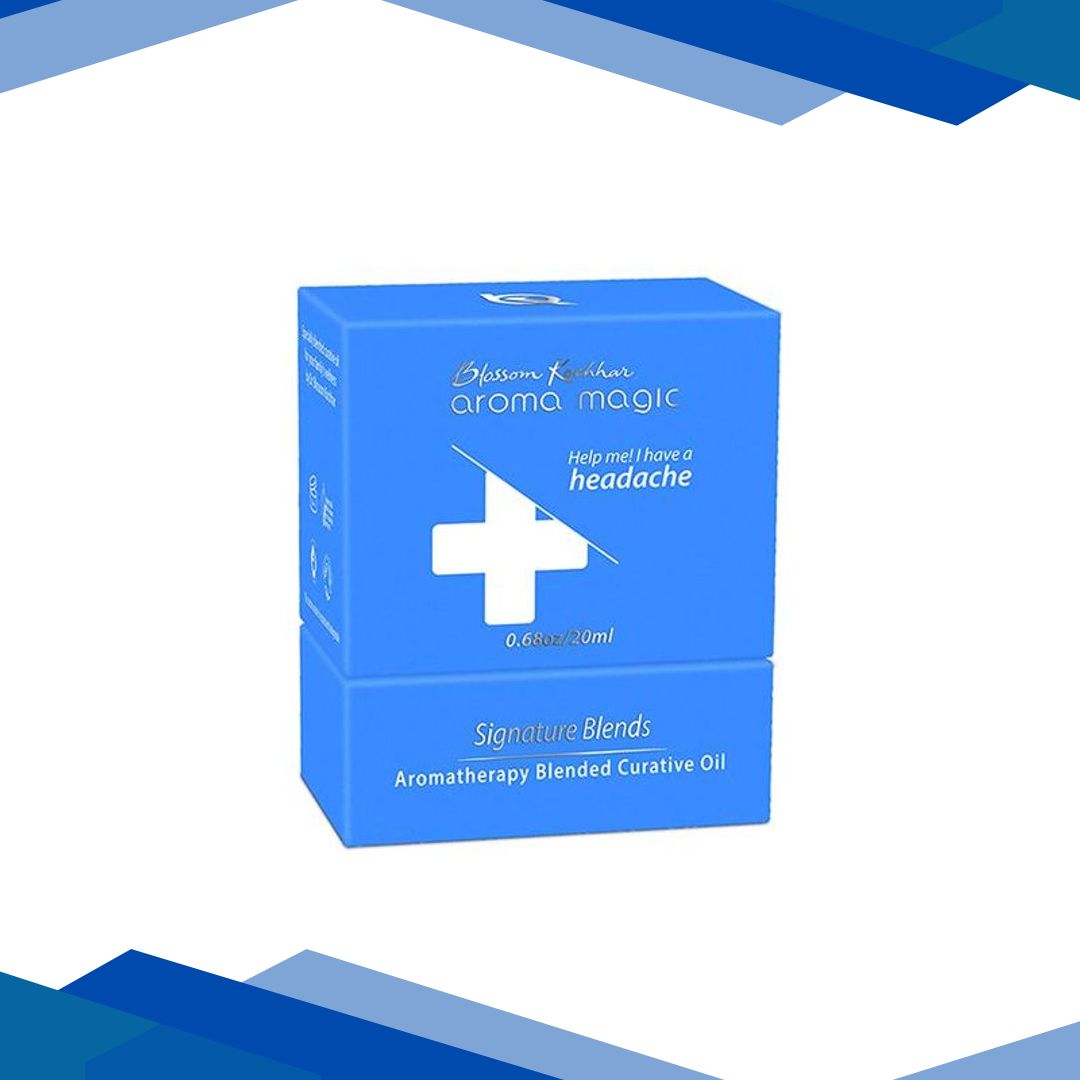
Aroma Magic Signature Blends Curative Oil – Headache 20 ml
❌ Due to high demand, this product is currently out of stock. New stock will be available shortly.
👉 Click here to Buy Same Salt medicine
Aroma Magic Signature Blends Curative Oil – Headache 20 is a special oily contrast agent used in certain medical imaging procedures to help make body structures easier to see on X-rays. It works by absorbing and carrying iodine, which improves the visibility of blood vessels, lymphatic channels, or specific body spaces during imaging. Because of its oily nature, it can stay in the targeted area longer than some other contrast materials, helping doctors obtain clearer diagnostic pictures. This medicine is mainly used in radiology and interventional procedures when detailed imaging is needed to support diagnosis or treatment planning. It should be used only under medical supervision, as its use is specialized and depends on the procedure and the patient? condition.
Description
Aroma Magic Signature Blends Curative Oil – Headache 20 is an iodized oil preparation that has been used in certain medical settings, most notably as a contrast agent in radiologic procedures and, in some historical contexts, for therapeutic or diagnostic purposes related to lymphatic and vascular imaging. it is a lipid-based substance derived from poppy seed oil fatty acids that have been chemically modified into ethyl esters and then iodized. the iodine content is what gives the product its radiopaque properties, meaning it can absorb x-rays and make specific body structures visible on imaging studies.
because it is oil-based and highly iodinated, this medicine behaves differently from standard water-soluble contrast agents. after administration, it can remain in certain tissues or body spaces for a period of time, which may help outline internal structures more clearly on imaging. its mechanism depends on the dense iodine atoms, which block x-rays and create contrast between the oil-filled area and surrounding tissues. this makes it useful in settings where detailed visualization of ducts, cavities, or abnormal spaces is needed, depending on the exact clinical context and route of use.
this product is not used like an everyday medicine for symptoms such as pain, fever, or infection. instead, it is typically administered by trained healthcare professionals in specialized procedures. because it contains iodine and is lipid-based, it must be used carefully, with attention to the patient? medical history, allergic tendencies, and the intended imaging or diagnostic goal. it is generally meant for selected patients in hospital or clinical environments rather than for self-use.
people who may receive Aroma Magic Signature Blends Curative Oil – Headache 20 are usually those undergoing diagnostic evaluation where enhanced visualization is required and where an oil-based iodinated agent is considered appropriate by the treating clinician. the decision to use it depends on the procedure, the availability of alternatives, the patient? risk factors, and the need for clear imaging results. a healthcare professional should always determine whether the potential benefit outweighs the risks.
ingredients
- Aroma Magic Signature Blends Curative Oil – Headache 20: this is the primary active component. it provides the radiopaque effect needed for imaging by incorporating iodine into a fatty acid ethyl ester derived from poppy seed oil. its lipid nature allows it to behave as an oil-based contrast medium, and its iodine content is responsible for the visibility under x-ray or fluoroscopic imaging.
- iodine component: iodine is the functional element that makes the substance visible on radiographic imaging. it absorbs x-rays more strongly than surrounding tissues, helping define anatomical structures or abnormal spaces. in patients with iodine sensitivity or thyroid disorders, this component can be clinically relevant and may increase the need for caution.
- poppy seed oil fatty acid derivatives: these form the lipid backbone of the product. the oil-based character contributes to how the agent disperses and persists in the body. this property can be advantageous for certain imaging applications but also means the material may remain in tissues longer than water-soluble contrast agents.
- ethyl ester form: conversion into ethyl esters alters the physical and chemical behavior of the fatty acids, helping create a stable contrast medium suitable for the intended procedure. the ester form influences viscosity, handling, and distribution after administration.
key uses
- radiologic contrast enhancement: the main use is to improve visibility of internal structures during imaging studies. the iodine content helps outline spaces that would otherwise be difficult to see clearly.
- diagnostic visualization of cavities or ducts: in selected procedures, oil-based iodinated contrast media may be used to help identify the shape, patency, or abnormalities of certain ducts, cavities, or internal spaces as determined by the clinician.
- assessment of abnormal communications or leaks: in some specialized settings, such agents may help demonstrate abnormal passageways, fistulas, or leaks, depending on the anatomy being studied and the imaging technique used.
- support for interventional procedures: it may be used under professional supervision when enhanced contrast is needed during a diagnostic or procedural intervention, especially when detailed fluoroscopic visualization is important.
how to use
Aroma Magic Signature Blends Curative Oil – Headache 20 should only be used under the supervision of a qualified healthcare professional, usually in a clinical or hospital environment. it is not a medicine that patients routinely take on their own. the route of administration, preparation, and timing depend entirely on the procedure being performed and the anatomical area being evaluated. before use, the healthcare team may review your medical history, allergies, kidney function, thyroid history, and previous reactions to contrast agents.
during the procedure, the product is administered by trained staff using sterile technique and specialized equipment. patients may be asked to remain still while imaging is performed so that the contrast material can clearly outline the intended area. because this is an oil-based product, its movement and persistence in the body may differ from that of standard water-based contrast agents. after the procedure, the medical team may observe the patient briefly for any immediate side effects or hypersensitivity reactions.
general self-care instructions may include drinking fluids if advised by the clinician, reporting unusual symptoms, and following any post-procedure directions carefully. do not attempt to use, inject, or apply this product without professional guidance. the exact procedure, preparation, and follow-up will vary based on the intended diagnostic use.
safety information
- warnings: this product contains iodine and should be used cautiously in patients with a history of allergic reactions to contrast media, iodine-containing substances, or unexplained severe reactions to previous radiologic agents. immediate hypersensitivity reactions can occur, including rash, itching, swelling, breathing difficulty, or severe anaphylactic reactions. because it is an oil-based contrast medium, there may also be a risk of local irritation or prolonged retention in tissues depending on the route of administration. use only in facilities prepared to manage emergencies.
- side effects: common side effects may include temporary pain or discomfort at the administration site, mild nausea, flushing, dizziness, headache, or a sensation of warmth. less common but more serious effects can include allergic reactions, breathing problems, low blood pressure, chest tightness, tissue irritation, infection related to the procedure, or delayed inflammatory responses. seek urgent medical help if severe swelling, wheezing, fainting, or widespread rash occurs.
- precautions: extra caution is needed in people with asthma, multiple allergies, thyroid disease, kidney problems, cardiovascular disease, pregnancy, or a history of contrast reactions. patients with compromised immune systems or those undergoing invasive procedures may need additional monitoring. the clinician should evaluate whether this product is appropriate and whether alternative imaging options are safer.
- pregnancy/breastfeeding: safety during pregnancy and breastfeeding depends on the clinical situation and the route of use. because iodine-containing agents may affect the fetal or neonatal thyroid under certain circumstances, they should be used only when clearly needed and when the expected benefit outweighs the risk. breastfeeding mothers should ask their healthcare professional whether any temporary interruption or special monitoring is needed.
- interactions: drug interactions are usually less about direct chemical interference and more about patient risk factors. tell the clinician about all medicines, including thyroid medications, anticoagulants, diabetes treatments, and allergy medications. alcohol is not usually a direct interaction concern with the contrast agent itself, but drinking alcohol before or after a procedure may worsen dizziness, dehydration, or nausea in some patients. always inform the healthcare team about prior reactions to contrast media or iodine products.
additional information
- storage: this product should be stored according to the manufacturer? instructions, typically in a controlled environment away from excessive heat, direct light, and moisture. it should be kept in its original container and not used after the expiration date. hospital staff should ensure sterility and proper handling before administration.
- missed dose: since this is generally given as a single, procedure-based administration by healthcare professionals, a ?issed dose?usually means the scheduled imaging or procedure was delayed or canceled. if that happens, contact the clinic or hospital to reschedule rather than trying to self-administer later.
- overdose: overdose is unlikely in the usual outpatient sense, but excessive administration or accidental improper use can increase the risk of toxicity, local tissue problems, or severe adverse reactions. symptoms may vary depending on the route and amount used. if overdose is suspected, emergency medical attention is required immediately.
- habit forming: no. Aroma Magic Signature Blends Curative Oil – Headache 20 is not known to be habit forming or associated with dependence. it is used for specialized medical purposes rather than for ongoing symptom relief.
frequently asked questions
Q: what is Aroma Magic Signature Blends Curative Oil - Headache 20 used for?
A: it is primarily used as an iodinated oil-based contrast medium in selected radiologic or diagnostic procedures to improve visualization of internal structures.
Q: is this medicine safe for self-use at home?
A: no. it should only be used by trained healthcare professionals in a clinical setting because it requires sterile handling, procedure-specific administration, and monitoring for reactions.
Q: can it cause allergic reactions?
A: yes. as an iodine-containing contrast product, it can trigger allergic or hypersensitivity reactions in some people, including mild skin symptoms or severe emergency reactions.
Q: do i need special tests before receiving it?
A: your clinician may review your medical history and may check kidney function, thyroid status, and prior contrast reactions depending on your health condition and the planned procedure.
Q: what should i tell my doctor before using it?
A: inform your doctor about allergies, asthma, kidney disease, thyroid problems, pregnancy, breastfeeding, and all medicines you use, especially if you have reacted to contrast agents before.
Q: does it affect the thyroid?
A: iodine-containing products can sometimes affect thyroid function, especially in people with existing thyroid disease or those susceptible to iodine-related changes. medical supervision is important.
Q: what side effects might happen after administration?
A: possible side effects include local discomfort, nausea, headache, dizziness, flushing, or allergic reactions. serious symptoms should be treated urgently.
Q: can children receive this product?
A: use in children depends on the specific procedure and specialist judgment. pediatric administration requires careful dosing, monitoring, and clinical justification.
Q: how long does it stay in the body?
A: because it is oil-based, it may persist longer than water-soluble contrast agents. the duration depends on the route of use, dose, and individual body handling.
Q: is it the same as regular iodine supplements?
A: no. this is a specialized iodized contrast preparation, not a dietary iodine supplement. it is used for medical imaging purposes under professional care.
Q: can i drive after receiving it?
A: that depends on the procedure, how you feel afterward, and whether sedation or other medications were used. follow the healthcare provider? instructions before driving.
Q: what if i feel unwell after the procedure?
A: report symptoms such as rash, trouble breathing, chest pain, fainting, fever, or severe pain to a healthcare professional immediately, as these may need prompt evaluation.
Q: does it interact with thyroid medicines?
A: it may be relevant in people taking thyroid medicines or those with thyroid disease, so the treating clinician should review your full medication list beforehand.
Q: can this product be used for treatment of infections or pain?
A: no, it is not an antibiotic or pain medicine. its role is diagnostic or procedural, mainly to improve imaging visibility in selected settings.
Q: why is it oil-based instead of water-based?
A: the oil-based formulation changes how the contrast behaves in the body and may be useful for certain specialized imaging applications where longer persistence or specific tissue outlining is desired.
Q: should i eat or drink before the procedure?
A: preparation depends on the type of imaging or intervention being done. follow the fasting or preparation instructions given by your healthcare team.
Q: what if i have a history of contrast allergy?
A: you must tell the clinician before the procedure. they will decide whether it is safe to proceed, use premedication, or choose an alternative diagnostic method.
Q: can it be used during pregnancy?
A: only if clearly necessary and prescribed by a healthcare professional after weighing the potential benefits and risks, especially because iodine exposure can be relevant to fetal thyroid function.
Q: what signs mean i need emergency care?
A: seek emergency help for difficulty breathing, swelling of the face or throat, severe rash, fainting, chest pain, or sudden severe weakness after administration.
Q: is this medicine absorbed by the body?
A: it may be partially retained and handled differently from water-soluble contrast agents because it is lipid-based. the exact behavior depends on the procedure and site of administration.
this information is for educational purposes only and should not be considered medical advice. always consult a qualified healthcare professional before use.
At Gem Pharmacy, we make every effort to provide accurate, expert-written, and thoroughly reviewed information related to medicines. However, this information should not be considered a substitute for professional medical advice, diagnosis, or treatment from a qualified doctor.
The purpose of this information is to educate users and improve communication between patients and healthcare professionals. It should not be used to diagnose or treat any condition.
Always consult a certified healthcare professional before taking any medication.