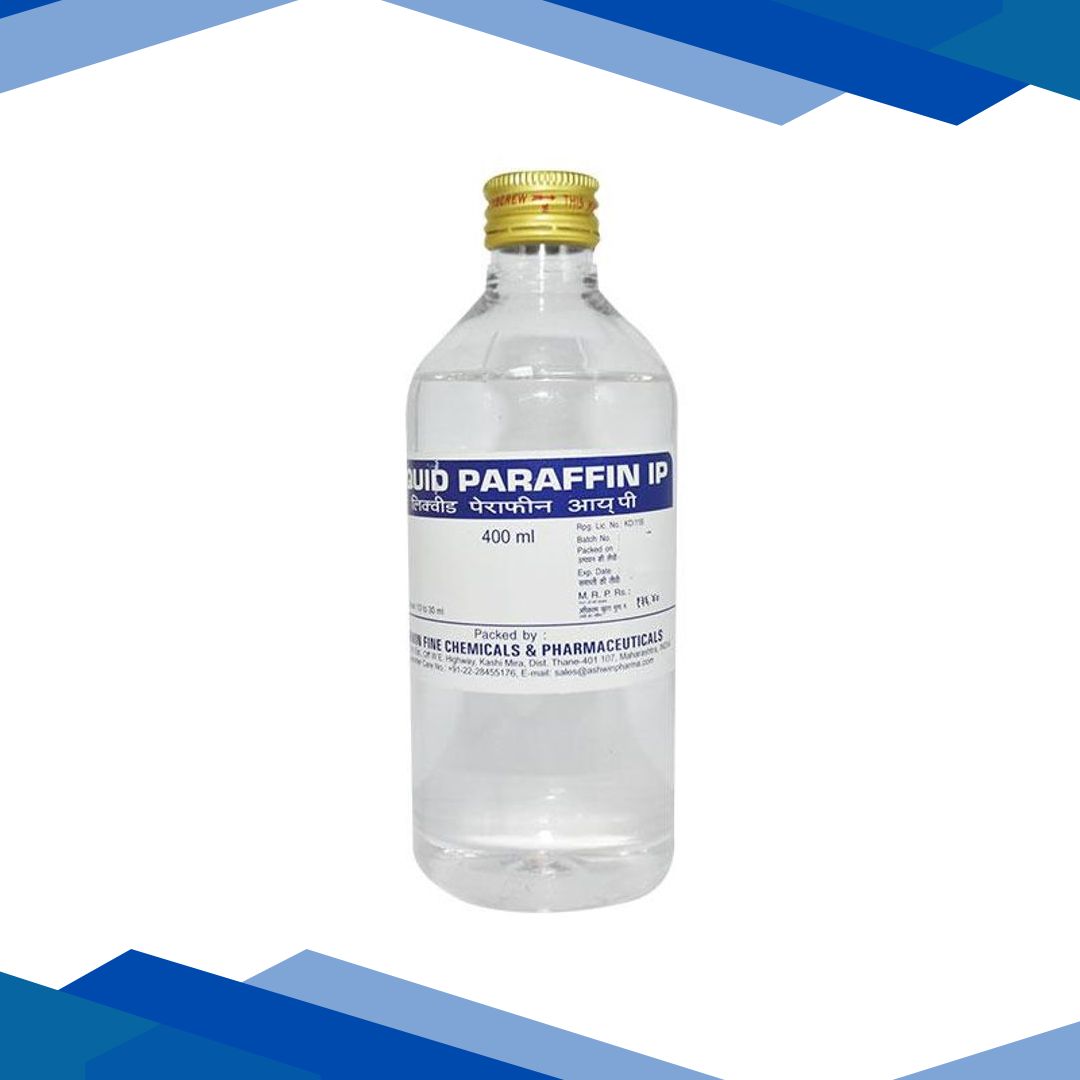
Ashwin Liquid Paraffin 400 ml
❌ Due to high demand, this product is currently out of stock. New stock will be available shortly.
👉 Click here to Buy Same Salt medicine
Ashwin Liquid Paraffin 400 is a lubricating laxative used to help relieve constipation and make bowel movements easier. It works by coating the stool and the lining of the intestine, which helps soften hard stools and reduces friction as waste passes through the bowel. This can make it especially useful when stools are dry, hard, or painful to pass. The medicine is commonly used for short-term relief of constipation and may also help in conditions where straining should be avoided. It is generally well tolerated, but it should be used with care and as advised by a healthcare professional, especially if constipation is long-lasting or severe. It is not meant to replace healthy fluid intake, fiber, and regular bowel habits.
Description
Ashwin Liquid Paraffin 400 is a commonly used combination of two lubricating substances that help relieve constipation and soothe dry, irritated, or hardened skin depending on the form in which the product is supplied. in oral preparations, light liquid paraffin acts mainly as a lubricant laxative, helping stools retain moisture and move more easily through the intestine. white soft paraffin is a semisolid hydrocarbon base that is widely used for its emollient, protective, and moisturizing properties, especially in topical products designed to soften rough or dry skin.
this medicine is generally used when bowel movements are hard, infrequent, or uncomfortable, and when gentle lubrication is preferred over more stimulating laxatives. it is also used in dermatological products to reduce moisture loss from the skin and protect the skin barrier. the combination is valued because it works physically rather than through strong chemical stimulation, which may make it suitable for short-term symptom relief in selected patients. however, it should still be used carefully and only as directed, because improper or prolonged use can lead to unwanted effects.
the way Ashwin Liquid Paraffin 400 works depends on the route of use. when taken orally as a laxative, it coats the stool and intestinal lining, helping soften stools and easing passage. when applied to the skin, it forms a protective film that reduces water loss and shields irritated skin from friction and environmental dryness. it is not a cure for the underlying cause of constipation or skin dryness, so identifying and treating the cause is important if symptoms persist. people with ongoing constipation, severe abdominal pain, bleeding, weight loss, or repeated skin irritation should consult a healthcare professional for proper evaluation.
ingredients
- light liquid paraffin: this is a refined mineral oil used mainly as a lubricating laxative in oral products. it helps soften stools and makes bowel movements easier by coating the stool and intestinal contents, which reduces friction inside the bowel. in topical formulations, similar mineral oil-based ingredients may help reduce dryness, but its main recognized use in this combination is intestinal lubrication.
- white soft paraffin: this is a soft, semi-solid hydrocarbon mixture used extensively in skin care and pharmacy formulations. it acts as an emollient and occlusive agent, creating a protective layer on the skin that helps prevent moisture loss. this makes the skin feel less dry, less rough, and less prone to irritation. in many products, it also contributes to the smooth texture and protective quality of the formulation.
key uses
- relief of occasional constipation: the combination may be used to ease hard stools and make bowel movements less painful. it is generally intended for short-term relief rather than long-term management of chronic constipation.
- stool softening and lubrication: light liquid paraffin helps coat the stool so that it passes more easily through the intestines, especially when stool is dry or compacted. this can be helpful when straining should be avoided.
- management of dry, rough, or irritated skin: white soft paraffin is commonly included in ointments and creams to protect the skin barrier, reduce water loss, and improve dryness and scaling. it is often used in conditions where the skin needs extra emollient support.
- protection of sensitive skin: the ointment base can help shield the skin from friction, chafing, and external irritants. this is useful for very dry skin areas, mild eczema-prone skin, or skin that becomes irritated easily.
- supportive care in skin barrier dysfunction: when the skin barrier is weak or damaged, white soft paraffin can help restore a more protective environment so the skin can recover more comfortably alongside other treatments.
how to use
how Ashwin Liquid Paraffin 400 should be used depends on the product form and the condition being treated. if it is an oral laxative preparation, it should be taken exactly as directed on the package label or by a healthcare professional. it is usually used for short periods, often when needed, and it is important not to exceed the recommended amount. taking it with the correct fluid intake and maintaining a balanced diet with adequate fiber may improve bowel regularity. it should not be taken immediately before lying down in some cases, because improper use can increase the risk of leakage or accidental inhalation in susceptible people.
if the product is a topical ointment or cream, it should be applied to clean, dry skin in a thin layer and gently rubbed in unless the label says otherwise. it can be used on dry areas as needed, especially after bathing or handwashing, when the skin tends to lose moisture. avoid applying it to deep wounds, infected areas, or severe broken skin unless specifically advised by a clinician. if used on children, sensitive areas, or large skin surfaces, follow medical advice carefully. for both oral and topical use, the exact method may vary by manufacturer, so reading the product label is essential.
this medicine is best used as a symptomatic aid, not as a substitute for medical care. if constipation is persistent, if bowel habits suddenly change, or if dry skin becomes red, painful, cracked, or infected, a healthcare professional should assess the condition. do not use it longer than recommended without checking with a clinician, especially for constipation, because long-term self-treatment may delay diagnosis of a more serious problem.
safety information
- warnings: oral light liquid paraffin should be used cautiously because it may reduce absorption of fat-soluble vitamins such as a, d, e, and k if used regularly or for long periods. it may also cause leakage from the rectum, irritation around the anus, or discomfort in some users. people at risk of swallowing difficulties should be especially careful because mineral oil products can sometimes be accidentally inhaled into the lungs, which may lead to serious complications such as lipoid pneumonia. do not use for prolonged constipation without medical advice, and seek evaluation if constipation is accompanied by severe pain, vomiting, bleeding, or abdominal swelling.
- side effects: common side effects may include mild abdominal discomfort, anal seepage, oily leakage, loose stools, or a greasy feeling after topical application. topical white soft paraffin is usually well tolerated but may occasionally cause skin irritation, redness, itchiness, or clogged pores in some individuals. serious side effects are uncommon but may include aspiration-related lung injury if mineral oil is inhaled, persistent diarrhea, or signs of allergy such as swelling, rash, or breathing difficulty. any severe or unexpected reaction should be treated as medically important.
- precautions: people with swallowing problems, neurological conditions affecting swallowing, bedridden patients, young children, and older adults who have a high risk of aspiration should use oral mineral oil products only under medical supervision. patients with abdominal pain of unknown cause, bowel obstruction, inflammatory bowel disease flare-ups, nausea and vomiting, or rectal bleeding should not self-treat constipation without medical assessment. for topical use, avoid applying to infected skin unless advised by a healthcare professional, and stop use if irritation worsens.
- pregnancy/breastfeeding: in pregnancy and breastfeeding, use only after consulting a healthcare professional. topical white soft paraffin is generally considered low risk because it acts locally on the skin, but oral paraffin-based laxatives should still be used with caution and only when appropriate. pregnant people should not assume constipation products are automatically safe, because the cause of constipation and the overall treatment plan matter. a clinician can recommend the most suitable option.
- interactions: oral light liquid paraffin may interfere with the absorption of some medicines and nutrients if used regularly, especially fat-soluble vitamins and certain oral drugs. it may also reduce the effectiveness of other oral treatments if taken too close together, so spacing may be important. alcohol is not a direct interaction, but excess alcohol can contribute to dehydration or worsen constipation in some people. if you take multiple medicines, especially long-term vitamin supplements or other laxatives, ask a healthcare professional for advice.
additional information
- storage: store the product in a tightly closed container, in a cool, dry place, away from direct heat, sunlight, and moisture. keep it out of reach of children. do not freeze unless the label specifically says it is acceptable. for topical products, avoid contaminating the container by touching it with dirty hands.
- missed dose: if a dose is missed, take or apply it when remembered unless it is almost time for the next scheduled dose. do not double the amount to make up for a missed dose. for an as-needed product, simply continue according to the label or medical advice.
- overdose: too much oral paraffin may cause diarrhea, abdominal cramping, nausea, oily rectal leakage, or increased risk of aspiration if vomiting occurs. very excessive or prolonged use can be more serious in vulnerable individuals. if overdose is suspected, stop using the product and seek medical advice promptly; urgent care is needed if breathing problems, severe abdominal pain, or persistent vomiting occur.
- habit forming: no, this medicine is not considered habit forming in the addiction sense. however, regular reliance on laxatives can become a behavioral habit, and long-term use may mask an underlying constipation problem. it is best used only for short-term relief unless a clinician advises otherwise.
frequently asked questions
Q: what is Ashwin Liquid Paraffin 400 used for?
A: it is commonly used to relieve constipation when taken orally and to soften and protect dry, irritated skin when used topically. the exact use depends on the product formulation and the instructions on the label.
Q: how does Ashwin Liquid Paraffin 400 help constipation?
A: light liquid paraffin acts as a lubricant laxative. it coats the stool and bowel contents so that stool retains moisture and passes more easily, which can reduce straining and discomfort.
Q: is Ashwin Liquid Paraffin 400 safe for daily use?
A: it should not be used daily for long periods without medical advice, especially when taken orally. frequent use may hide the cause of constipation, affect absorption of some nutrients, or cause unwanted side effects.
Q: can Ashwin Liquid Paraffin 400 cause diarrhea?
A: yes. if too much is used, it can make stools overly loose and may cause diarrhea, abdominal discomfort, or oily leakage. if this happens, stop using it and consult a healthcare professional if symptoms continue.
Q: can this medicine be used in children?
A: it may be used in some children only with medical advice, because children can be more sensitive to side effects and incorrect dosing. always check with a pediatric healthcare professional before giving it to a child.
Q: what should i do if constipation does not improve?
A: if constipation continues despite using the product, or if there are warning signs such as pain, vomiting, blood in stool, or weight loss, seek medical evaluation. persistent constipation may need a different treatment or investigation of the underlying cause.
Q: can i apply white soft paraffin on cracked skin?
A: yes, it is commonly used to protect very dry or cracked skin, but avoid applying it to clearly infected wounds unless a clinician has told you to do so. if the skin becomes red, painful, or oozes, medical advice is needed.
Q: does Ashwin Liquid Paraffin 400 interact with other medicines?
A: oral light liquid paraffin can reduce the absorption of some medicines and vitamins if used regularly or taken too close to other oral drugs. tell your healthcare professional about all medicines and supplements you use.
Q: can pregnant women use this medicine?
A: pregnancy use should be discussed with a healthcare professional. topical white soft paraffin is usually low risk, but oral paraffin-based laxatives should still be used only when appropriate and under guidance.
Q: can this product be used for hemorrhoids?
A: it may help if constipation and straining are contributing to hemorrhoid discomfort, because softer stools are easier to pass. however, it does not treat hemorrhoids directly, and persistent symptoms should be reviewed by a clinician.
Q: why is mineral oil sometimes not recommended at bedtime?
A: oral mineral oil products can pose a risk if they are accidentally inhaled, especially when lying down soon after use or in people who have swallowing difficulties. medical advice is important for safe use in higher-risk patients.
Q: what happens if i use too much topical product?
A: using too much on the skin usually causes a greasy layer, product buildup, or occasional clogging and irritation. wipe away excess if needed and stop use if the skin becomes red, itchy, or uncomfortable.
this information is for educational purposes only and should not be considered medical advice. always consult a qualified healthcare professional before use.
At Gem Pharmacy, we make every effort to provide accurate, expert-written, and thoroughly reviewed information related to medicines. However, this information should not be considered a substitute for professional medical advice, diagnosis, or treatment from a qualified doctor.
The purpose of this information is to educate users and improve communication between patients and healthcare professionals. It should not be used to diagnose or treat any condition.
Always consult a certified healthcare professional before taking any medication.


Related products