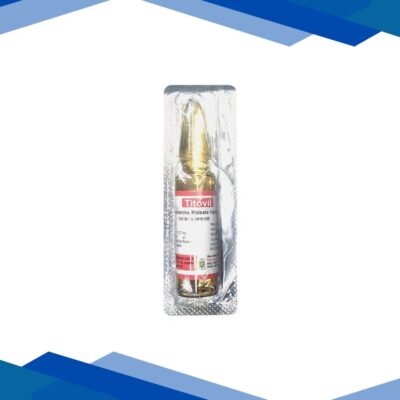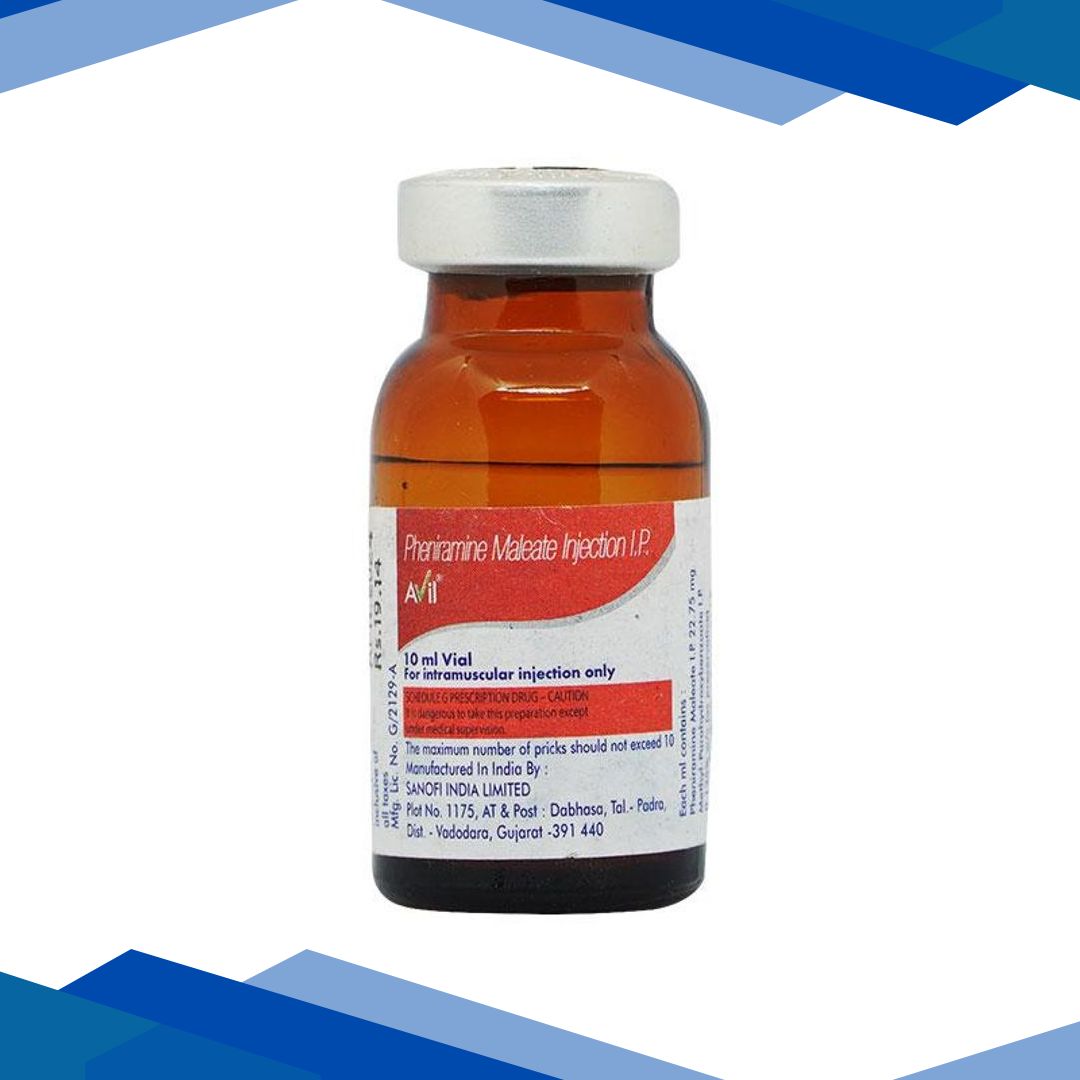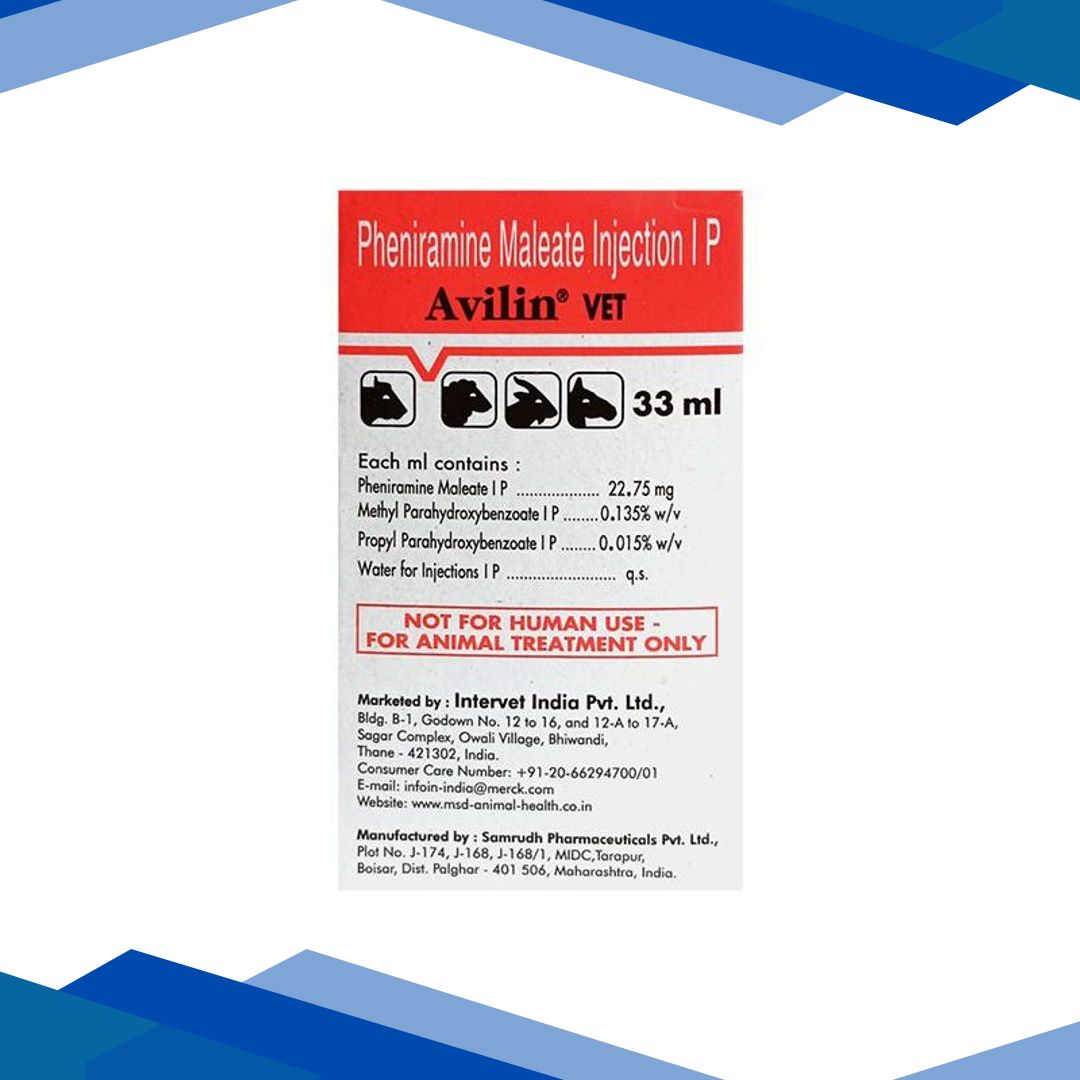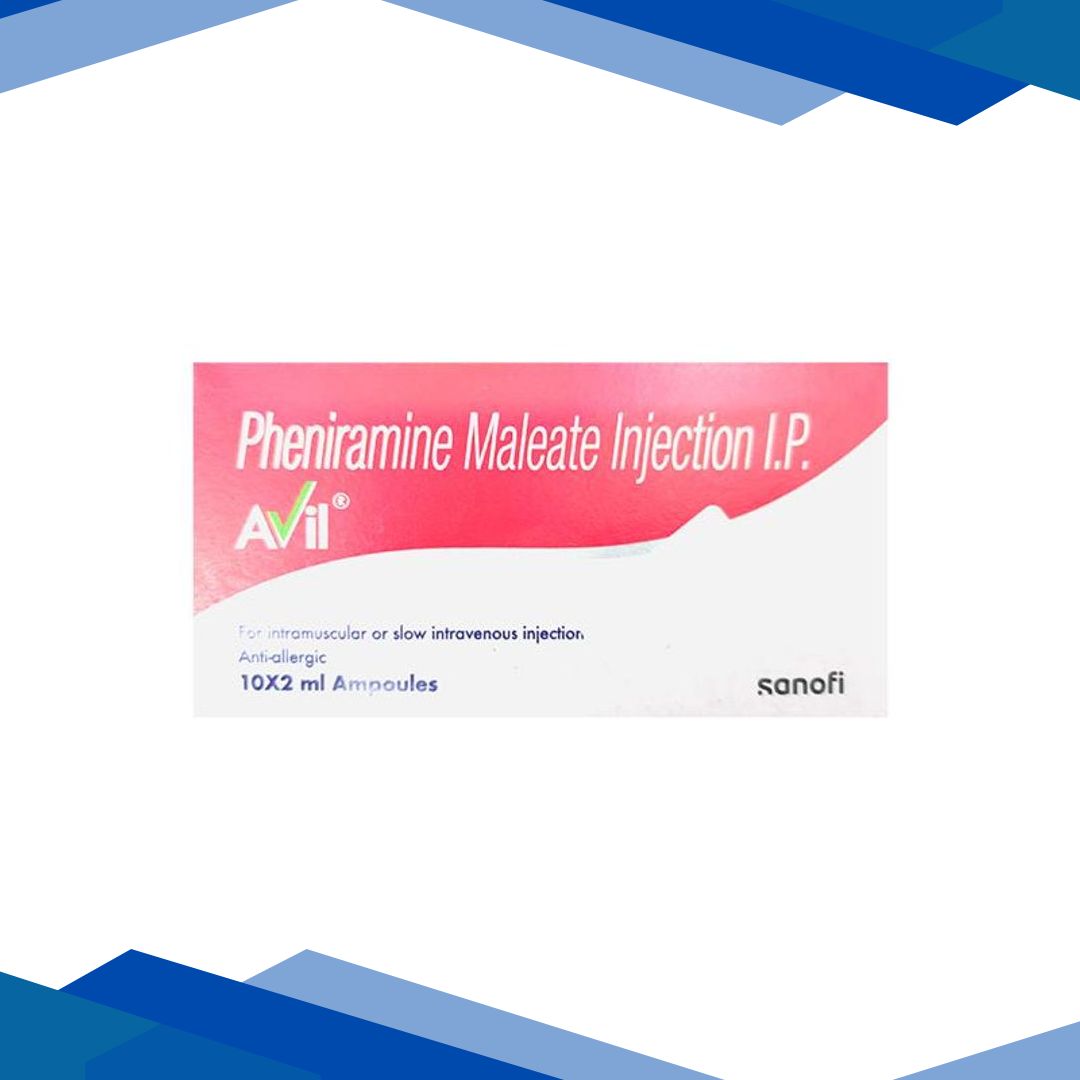
Avil Injection 2ml
Avil Injection is an eye medicine used to relieve allergy-related symptoms such as itching, redness, and watery eyes. It combines two antihistamine ingredients, chlorpheniramine maleate and olopatadine, which help block the effects of histamine, a natural substance that causes allergic reactions. Hydroxypropylmethylcellulose acts as a lubricating agent that helps soothe and moisten the eyes, making them feel more comfortable. This medicine is commonly used for allergic conjunctivitis and other minor eye irritation caused by allergies. It works by reducing the allergic response while also providing gentle eye relief, helping improve comfort and ease irritation. It should be used as directed by a healthcare professional.
Description
Avil Injection is an ophthalmic medicine commonly used for relief of allergy-related eye symptoms. it is formulated to help soothe irritated eyes caused by allergens such as pollen, dust, pet dander, or seasonal environmental triggers. this combination is designed to target both the allergic response and the discomfort it causes, making it useful for people who experience itching, redness, watering, and general eye irritation linked to allergies.
the medicine works through complementary actions. olopatadine is an antihistamine and mast cell stabilizer that helps block histamine, one of the main chemicals responsible for allergy symptoms, while also reducing the release of other inflammatory substances from mast cells. chlorpheniramine maleate is an antihistamine that helps relieve itching and redness by reducing histamine activity. hydroxypropylmethylcellulose acts as a lubricating and soothing agent, helping to moisturize the eye surface and reduce irritation associated with dryness or environmental exposure. together, these ingredients can provide both symptomatic relief and comfort to the eye surface.
this medicine is generally intended for people with allergic conjunctivitis or allergy-related eye discomfort, especially when symptoms include itching, watery eyes, mild redness, and irritation. it may be helpful for individuals whose symptoms recur during allergy seasons or after exposure to allergens. while it can improve comfort and reduce symptoms, it does not cure the underlying tendency to develop allergies. if eye symptoms are severe, persistent, associated with pain, vision changes, thick discharge, or sensitivity to light, medical evaluation is important because those signs may indicate a different eye condition.
because this is an eye product, correct use is very important for effectiveness and safety. contamination of the dropper or improper application can increase the risk of eye infection or reduce benefit. people using other eye medicines, wearing contact lenses, or having a history of eye disease should use extra caution and follow healthcare guidance. if there is any uncertainty about whether the symptoms are due to allergy, infection, injury, or dryness, a healthcare professional should be consulted before use.
ingredients
- chlorpheniramine maleate: this is an antihistamine that helps reduce allergic symptoms by blocking the effect of histamine, a chemical released during allergic reactions. in the eye, this can help reduce itching, tearing, and redness caused by allergens. it is useful when eye discomfort is driven by histamine-mediated inflammation.
- hydroxypropylmethylcellulose: this ingredient works as a lubricating and protective agent for the eye surface. it helps increase moisture, soothe irritation, and reduce the scratchy or dry sensation that can accompany allergies or environmental exposure. it may also improve overall eye comfort by supporting the tear film.
- olopatadine: this is an antihistamine with mast cell-stabilizing properties. it helps block histamine receptors and reduces the release of inflammatory mediators from mast cells. this dual action makes it valuable for controlling allergic eye symptoms such as itching, redness, and watering, especially when symptoms are triggered by seasonal or environmental allergens.
key uses
- relief of allergic conjunctivitis: this medicine is commonly used to ease symptoms of eye allergy, including itching, redness, and watering. it helps reduce the discomfort caused by exposure to allergens such as pollen, dust, or animal dander.
- reduction of eye itching: itching is one of the most bothersome symptoms of ocular allergy. the antihistamine components help calm the allergic response and reduce the urge to rub the eyes, which can further irritate the surface.
- soothing redness and irritation: the combination may help decrease the visible redness and irritated feeling that often accompany allergic eye reactions. the lubricating component can also provide additional comfort to the eye surface.
- relief of watery eyes related to allergy: allergic eyes often become watery in response to irritation. by controlling the allergic process, the medicine can help reduce excessive tearing and improve comfort.
- supportive lubrication for eye discomfort: hydroxypropylmethylcellulose can help ease dryness or scratchiness that may occur along with allergy symptoms or exposure to windy, dry, or dusty environments.
how to use
this medicine should be used exactly as directed by a healthcare professional or according to the product label. since it is an eye preparation, clean hands are important before application. avoid touching the tip of the container to the eye, eyelid, fingers, or any surface to prevent contamination. the medicine is generally placed directly into the eye, and users are usually advised to blink gently after application to help spread the solution across the eye surface.
if more than one eye medicine is being used, it is often best to separate them by a few minutes so each product can work properly and not wash the other away. contact lens wearers should follow specific instructions from their clinician, because lenses may need to be removed before applying the medicine and reinserted later only if approved. if the eyes are severely irritated, painful, or sensitive to light, self-treatment may not be appropriate and medical advice should be sought.
do not use this medicine more often than recommended, even if symptoms persist. overuse may irritate the eyes or mask a more serious problem. if allergy symptoms continue for a long period, worsen, or return frequently, a healthcare professional may need to confirm the diagnosis and recommend a broader treatment plan, including allergen avoidance strategies.
safety information
- warnings: do not use if you are allergic to any component of the product. avoid contaminating the eye drop container. if eye pain, vision changes, severe redness, thick discharge, or light sensitivity occurs, seek medical attention promptly because these are not typical simple allergy symptoms. do not share eye medicine with others, as this may spread infection.
- side effects: common side effects may include temporary stinging or burning after application, mild eye irritation, blurred vision for a short time, dryness, or a strange taste in the mouth after the drop drains into the throat. less common but more serious reactions can include worsening redness, swelling, severe irritation, or signs of an allergic reaction such as rash, itching, facial swelling, or trouble breathing. discontinue use and seek help if serious symptoms develop.
- precautions: people with chronic eye disease, glaucoma, recurrent eye infections, recent eye surgery, or unexplained eye symptoms should use caution and consult a clinician first. those who are sensitive to antihistamines or preservative ingredients may experience irritation. children, older adults, and people with multiple medical conditions may need professional guidance before using this medicine.
- pregnancy/breastfeeding: safety during pregnancy and breastfeeding depends on the individual situation and the amount of medicine absorbed from the eye. although eye medicines often have limited systemic absorption, pregnant or breastfeeding individuals should consult a healthcare professional before use to make sure the benefit outweighs any potential risk.
- interactions: interactions are usually limited with eye drops, but caution is still important. using multiple eye products at the same time may reduce effectiveness if not spaced properly. if the person is taking oral antihistamines, sedating medicines, alcohol, or other allergy treatments, additive effects such as drowsiness or dryness may be more noticeable in some individuals. always inform a clinician or pharmacist about all medicines being used, including over-the-counter and herbal products.
additional information
- storage: store the medicine as directed on the package label, usually at room temperature and away from excessive heat, moisture, and direct sunlight. keep the container tightly closed when not in use. do not freeze unless the label specifically says it is acceptable. keep out of reach of children.
- missed dose: if a dose is missed, use it when remembered unless it is nearly time for the next scheduled use. do not use extra medicine to make up for a missed dose. if you are unsure what to do, follow the product instructions or ask a healthcare professional.
- overdose: overuse of eye drops may cause more irritation, redness, tearing, or blurred vision. accidental swallowing of a large amount, especially by a child, should be taken seriously and medical advice should be sought promptly. if severe symptoms occur, contact emergency services or a poison information center right away.
- habit forming: no, this medicine is not considered habit forming. however, frequent unnecessary use may hide symptoms that require diagnosis or encourage dependency on symptom relief rather than treatment of the underlying cause.
frequently asked questions
Q: what is Avil Injection used for?
A: it is mainly used for relief of allergy-related eye symptoms such as itching, redness, watering, and irritation. the combination helps calm the allergic response and soothe the eye surface.
Q: how quickly does it work?
A: some people may feel relief fairly soon after use, especially for itching and irritation, but the exact onset can vary depending on the severity of symptoms and the individual response.
Q: can i use it with contact lenses?
A: contact lens users should check the product instructions or ask a healthcare professional. in many cases, lenses need to be removed before using eye drops and reinserted later if allowed.
Q: does it treat eye infection?
A: no. it is intended for allergy symptoms, not infections. if you have thick discharge, significant pain, fever, or symptoms affecting only one eye severely, get medical evaluation.
Q: can it cause drowsiness?
A: because one ingredient is an antihistamine, some people may feel mild drowsiness or dryness, although eye products usually have less whole-body effect than oral medicines. avoid driving if your vision is blurred after use.
Q: is it safe for long-term use?
A: long-term use should be guided by a healthcare professional. recurrent or ongoing eye allergy symptoms may need evaluation to confirm the cause and ensure the medicine remains appropriate.
Q: what should i do if it irritates my eyes?
A: mild temporary stinging can happen, but if irritation is strong, persistent, or worsening, stop using it and consult a healthcare professional. the product may not be suitable for you.
Q: can i use other eye drops with it?
A: yes, sometimes other eye products can be used, but they should usually be separated by a few minutes. ask your pharmacist or doctor for the correct order and timing.
Q: who should avoid using this medicine?
A: people with known allergy to any ingredient, unexplained eye pain, severe eye redness, active eye infection, or recent eye surgery should seek medical advice before use.
Q: does it cure allergies?
A: no. it helps control eye allergy symptoms, but it does not cure the tendency to develop allergies or replace allergen avoidance measures.
Q: what if i accidentally put too much in my eye?
A: usually the eye can only hold a limited amount, so extra drops may overflow and cause temporary irritation. if symptoms are severe or persistent, seek medical advice.
Q: can children use this medicine?
A: use in children should be guided by a healthcare professional or the product label, because age-appropriate use and safety can vary by formulation and circumstance.
Q: should i rub my eyes after using it?
A: no. rubbing the eyes can worsen irritation and may increase inflammation. gentle blinking is usually better than rubbing.
Q: what symptoms need urgent medical attention?
A: urgent evaluation is needed for eye pain, sudden vision changes, severe swelling, light sensitivity, thick discharge, or symptoms that do not improve as expected.
this information is for educational purposes only and should not be considered medical advice. always consult a qualified healthcare professional before use.
At Gem Pharmacy, we make every effort to provide accurate, expert-written, and thoroughly reviewed information related to medicines. However, this information should not be considered a substitute for professional medical advice, diagnosis, or treatment from a qualified doctor.
The purpose of this information is to educate users and improve communication between patients and healthcare professionals. It should not be used to diagnose or treat any condition.
Always consult a certified healthcare professional before taking any medication.


Related products