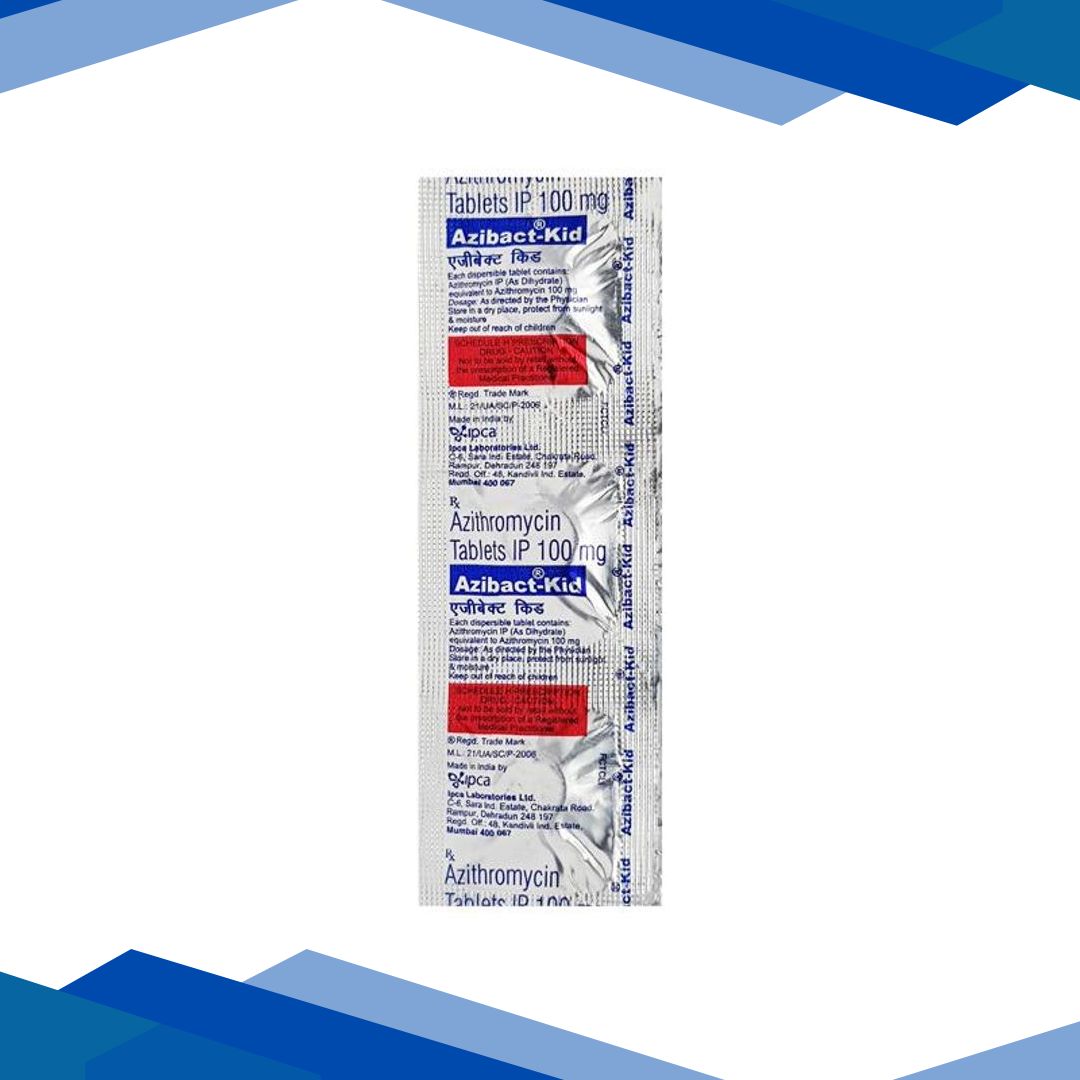
Azibact Kid 100mg Tablet 3’S
Azibact Kid 100mg Tablet is a blood product used to help prevent the body from making antibodies against RhD-positive red blood cells. It works by binding to RhD-positive cells in the bloodstream, which helps the immune system clear them before it can become sensitized. This medicine is mainly used in Rh-negative women during pregnancy or after delivery to reduce the risk of Rh incompatibility in future pregnancies. It may also be given after miscarriage, abortion, ectopic pregnancy, amniocentesis, abdominal injury, or other situations where fetal blood may mix with maternal blood. By lowering the chance of antibody formation, it helps protect future pregnancies from serious complications caused by hemolytic disease of the newborn. It should be used only under medical supervision.
Description
Azibact Kid 100mg Tablet is an important immunoglobulin medicine used to protect certain people from developing antibodies against rh-positive blood cells. it is most commonly given to rh-negative individuals in specific clinical situations, especially during pregnancy, after delivery, or after events in which rh-positive blood cells may enter the bloodstream. its main purpose is preventive: it helps stop the immune system from recognizing rh-positive red blood cells as foreign and forming antibodies that could cause complications in future pregnancies or, in some cases, after blood exposure.
this medicine works by providing ready-made antibodies that attach to rh-positive red blood cells before the body? immune system can react to them strongly. by ?asking?these cells, the medicine reduces the chance that the person? immune system will become sensitized to the rh d factor. once sensitization occurs, the body may produce anti-d antibodies, which can cross the placenta in future pregnancies and destroy rh-positive fetal red blood cells. this can lead to hemolytic disease of the newborn, a serious condition that may cause anemia, jaundice, swelling, heart failure, or even stillbirth if not prevented or treated.
Azibact Kid 100mg Tablet is therefore not a cure for an existing antibody problem; instead, it is a preventive treatment. it is generally used in people who do not already have anti-d antibodies and who are rh-negative. the medicine is often given in pregnancy after events such as bleeding, trauma, miscarriage, abortion, invasive prenatal procedures, or routine antenatal prophylaxis as advised by a clinician. it may also be used after delivery if the newborn is rh-positive. in some settings, it may be used after transfusion mistakes or exposure to rh-positive blood products. because timing matters greatly, this medicine should only be used under the guidance of a qualified healthcare professional.
the exact product may contain immunoglobulin antibodies and supporting ingredients used in formulation and stabilization. since it is a blood-derived biological product, it is manufactured under strict safety standards and screened carefully. even though it is generally well tolerated, it can cause side effects and, rarely, serious allergic reactions. for that reason, it should be administered in a healthcare setting when possible, with appropriate monitoring. people with a history of blood clotting problems, severe allergies to immunoglobulin products, or immune deficiencies should discuss risks carefully with their doctor before receiving it.
ingredients
- Azibact Kid 100mg Tablet: the active ingredient is anti-d immunoglobulin, a purified antibody preparation that helps prevent the immune system from making its own antibodies against rh-positive red blood cells. its role is preventive immunization, not treatment of established rh sensitization. it is used to reduce the risk of hemolytic disease in future pregnancies and to protect against immune reactions after rh exposure.
- immunoglobulin proteins: these are the therapeutic antibody proteins that bind to rh-positive cells. they are responsible for the medicine? main protective effect and are derived from carefully screened human plasma sources in many products. they act by neutralizing circulating fetal or donor red blood cells before the patient? immune system becomes sensitized.
- stabilizers and buffers: many formulations include ingredients that maintain the stability, ph, and safety of the solution. these do not provide the therapeutic effect directly, but they help preserve the medicine during storage and administration.
- preservative or formulation-specific excipients: depending on the brand, small amounts of additional ingredients may be present to support product integrity. these vary by manufacturer and should be checked on the package insert, especially in patients with known hypersensitivity.
key uses
- prevention of rh sensitization during pregnancy: it is used in rh-negative pregnant individuals who are not already sensitized to prevent formation of anti-d antibodies after exposure to rh-positive fetal blood.
- after delivery of an rh-positive baby: if an rh-negative mother gives birth to an rh-positive infant, the medicine may be given to prevent antibody formation from blood mixing during delivery.
- after miscarriage, abortion, or pregnancy loss: it may be recommended after early pregnancy loss or termination if there is a possibility of fetal-maternal blood mixing and the mother is rh-negative.
- after pregnancy-related bleeding or trauma: events such as vaginal bleeding, abdominal trauma, or procedures may lead to blood exposure, and this medicine can help reduce sensitization risk.
- after invasive prenatal procedures: procedures like amniocentesis, chorionic villus sampling, or some fetal interventions may require prophylaxis to prevent immune sensitization.
- after accidental exposure to rh-positive blood: in rare situations involving transfusion-related incompatibility or other exposure, it may be used to reduce immune response, depending on clinical judgment.
how to use
Azibact Kid 100mg Tablet should be used only under the direction of a healthcare professional. it is usually given as an injection, often into a muscle, and sometimes by another route depending on the specific product and clinical situation. the timing is very important because the medicine works best when given soon after a potential rh exposure. in pregnancy-related use, clinicians decide when it is needed based on the mother? rh status, antibody screening results, the baby? rh status when known, and whether any sensitizing event has occurred.
patients should never attempt to self-administer unless specifically trained and instructed by a clinician. before administration, the healthcare provider may confirm blood group, rh status, and whether antibodies are already present. after injection, observation may be recommended for early detection of allergic reactions. follow the exact instructions provided by the doctor or clinic, and do not delay treatment after a possible exposure because the protective benefit decreases if given too late.
safety information
- warnings: this medicine should only be used when clearly indicated and after confirming that the person is rh-negative and not already sensitized to anti-d antibodies. it is not useful if the immune system has already formed anti-d antibodies. because it is a biological product, there is a small risk of allergic reaction, and rare severe hypersensitivity reactions can occur. medical supervision is important, especially for people with asthma, severe allergies, or previous reactions to immunoglobulin products.
- side effects: common side effects may include mild pain, redness, swelling, or tenderness at the injection site, along with headache, mild fever, fatigue, or general discomfort. less common effects can include dizziness, chills, nausea, muscle aches, or rash. serious side effects are rare but may include severe allergic reaction, breathing difficulty, hives, swelling of the face or throat, low blood pressure, dark urine, or signs of hemolysis. seek urgent medical care if any severe reaction develops.
- precautions: use extra caution in people with a history of allergic reactions to blood products, immunoglobulin therapy, or severe iga deficiency if relevant to the product type. patients with bleeding disorders, low platelet counts, or conditions that make intramuscular injections risky should inform their clinician, as alternative administration approaches or additional precautions may be needed. tell the doctor about all medical conditions, recent blood transfusions, and any past antibody screening results.
- pregnancy/breastfeeding: this medicine is commonly used in pregnancy when clinically indicated and is an established preventive treatment in rh-negative individuals. it is generally considered compatible with breastfeeding, but the decision should still be guided by a healthcare professional. the benefits in preventing rh sensitization often outweigh the risks when used appropriately. if there are unusual pregnancy complications or prior sensitization, specialist advice is essential.
- interactions: because it is an immunoglobulin product, it may affect the response to certain live vaccines, such as measles, mumps, rubella, or varicella, so vaccination timing may need adjustment. alcohol does not have a direct known interaction, but avoiding alcohol around treatment is reasonable if you feel unwell or are recovering from a sensitizing event. always tell your clinician about all medicines, vaccines, herbal products, and blood products you have recently received.
additional information
- storage: store according to the manufacturer? instructions, typically in a refrigerator within the recommended temperature range. do not freeze unless the label specifically allows it. keep the product protected from light and do not use it after the expiration date. if the product must be transported, maintain the required cold chain and do not shake it vigorously.
- missed dose: if a scheduled dose is missed, contact a healthcare professional as soon as possible. because this medicine is time-sensitive, delayed administration may reduce its preventive benefit. do not try to replace or repeat the dose on your own without medical guidance.
- overdose: overdose is uncommon because it is administered by healthcare professionals. if too much is given, the main concern is usually increased risk of side effects such as injection-site reactions, fever, or, rarely, immune-related complications. if overdose is suspected, contact a doctor, emergency department, or poison center promptly for advice.
- habit forming: no. Azibact Kid 100mg Tablet is not habit-forming and does not cause dependence. it is used as a preventive biological treatment rather than a medicine taken regularly for symptom control.
frequently asked questions
Q: what is Azibact Kid 100mg Tablet used for?
A: it is used to prevent rh sensitization in rh-negative individuals after exposure to rh-positive blood cells, especially during pregnancy, after delivery, miscarriage, abortion, bleeding, trauma, or certain procedures.
Q: who usually needs this medicine?
A: it is usually recommended for rh-negative people who are not already sensitized to anti-d antibodies and who have had or may have had exposure to rh-positive blood cells.
Q: can this medicine treat an already existing rh antibody problem?
A: no. it is preventive, not corrective. if anti-d antibodies are already present, this medicine will not remove them or reverse sensitization.
Q: why is timing so important?
A: the medicine works best when given soon after possible blood mixing or rh exposure. delaying treatment can reduce its ability to prevent antibody formation.
Q: is it safe during pregnancy?
A: when medically indicated, it is commonly used during pregnancy and after delivery to protect future pregnancies. your doctor will decide whether it is appropriate for your situation.
Q: does it replace blood typing or antibody testing?
A: no. blood group and antibody testing are still important because they determine whether the medicine is needed and whether it will be effective.
Q: what are the most common side effects?
A: the most common side effects are mild and may include soreness at the injection site, headache, low-grade fever, fatigue, and mild body aches.
Q: can it cause an allergic reaction?
A: yes, although this is uncommon. severe allergic reactions are rare but possible, so medical supervision is important, especially for people with prior allergy history.
Q: do i need it after a miscarriage or abortion?
A: it may be recommended in many cases if you are rh-negative and not already sensitized. the need depends on gestational age, blood exposure risk, and clinician assessment.
Q: can i receive vaccines after this medicine?
A: some live vaccines may be affected, so your healthcare provider may adjust the timing. always inform the vaccination provider that you received immunoglobulin.
Q: is it the same as a regular antibiotic or pain medicine?
A: no. it is a blood-derived antibody product used for immune prevention, not for infection, pain, or fever treatment.
Q: should i take it if my partner is rh-positive?
A: partner rh status alone does not determine need. the key factor is your own rh-negative status and whether there has been exposure or a sensitizing event.
Q: can it be given after an injury during pregnancy?
A: yes, if the injury may have caused fetal-maternal blood mixing and you are rh-negative, a clinician may recommend it to reduce sensitization risk.
Q: what should i tell my doctor before getting it?
A: tell your doctor about allergies, bleeding problems, immune disorders, recent transfusions, current pregnancy details, and any prior antibody test results.
Q: does it work immediately?
A: it begins acting after administration by binding rh-positive cells, but its purpose is prevention over time rather than rapid symptom relief.
Q: can i drive after receiving it?
A: most people can, but if you feel dizzy, weak, or unwell after the injection, avoid driving and rest until you feel normal.
Q: what if i already had a previous rh-negative pregnancy?
A: you may still need prophylaxis in each pregnancy if you remain unsensitized, because the risk of antibody formation can occur whenever rh-positive blood exposure happens.
Q: can this medicine be self-administered at home?
A: usually it is administered by a healthcare professional because correct timing, screening, and monitoring are important, and because it may need to be given under supervised conditions.
Q: will it affect my baby directly?
A: it is given to the rh-negative parent to prevent antibodies from harming a future rh-positive baby. the main benefit is indirect protection of the fetus or newborn.
Q: when should i seek urgent help after the injection?
A: seek urgent care if you develop difficulty breathing, facial swelling, widespread rash, severe dizziness, chest symptoms, dark urine, or any severe reaction after receiving the medicine.
this information is for educational purposes only and should not be considered medical advice. always consult a qualified healthcare professional before use.
At Gem Pharmacy, we make every effort to provide accurate, expert-written, and thoroughly reviewed information related to medicines. However, this information should not be considered a substitute for professional medical advice, diagnosis, or treatment from a qualified doctor.
The purpose of this information is to educate users and improve communication between patients and healthcare professionals. It should not be used to diagnose or treat any condition.
Always consult a certified healthcare professional before taking any medication.


Related products