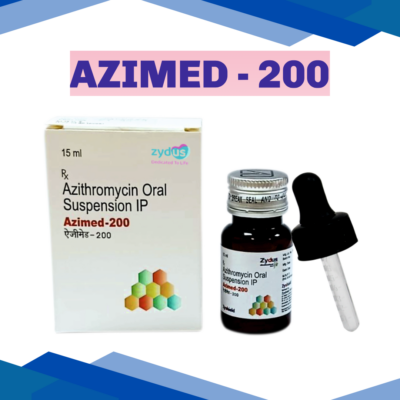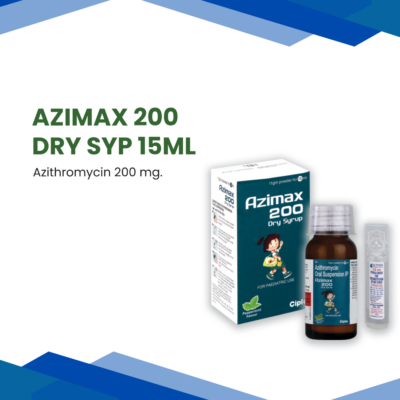
Azifine XL Suspension 30ml
Azifine XL Suspension is an antibiotic used to treat a variety of bacterial infections. It belongs to the macrolide group of medicines and works by stopping bacteria from making the proteins they need to grow and multiply. This helps the body clear the infection more effectively. Azifine XL Suspension is commonly prescribed for infections of the respiratory tract, such as bronchitis and pneumonia, as well as ear, throat, skin, and some sexually transmitted infections. It is important to remember that it works only against bacteria and will not help with viral illnesses like the common cold or flu. Azifine XL Suspension is often chosen because it is effective, convenient, and well tolerated when used under medical guidance.
Description
Azifine XL Suspension is a widely used antibiotic medicine that belongs to the macrolide class. it is prescribed to treat a variety of bacterial infections caused by susceptible organisms. unlike medicines that treat viral illnesses, Azifine XL Suspension works only against bacteria, so it should not be used for colds, flu, or other viral infections unless a healthcare professional specifically recommends it for a bacterial complication. it is valued in clinical practice because it has broad activity against many common bacteria and is often taken for a relatively short duration compared with some other antibiotics.
Azifine XL Suspension works by interfering with bacterial protein production. bacteria need proteins to grow, multiply, and survive. by binding to the bacterial ribosome, Azifine XL Suspension blocks an important step in protein synthesis, which slows bacterial growth and helps the immune system clear the infection. depending on the organism and concentration at the site of infection, it may act mainly by stopping growth rather than immediately killing bacteria. this makes it an effective treatment for many respiratory, ear, skin, and some sexually transmitted infections when the bacteria are sensitive to it.
this medicine is commonly used in people with infections such as sinus infections, certain types of pneumonia, bronchitis, ear infections, throat infections, skin infections, and some genital infections. it is also used in specific situations for prevention or treatment of certain unusual bacterial infections, but only when recommended by a clinician. Azifine XL Suspension should be taken exactly as directed, because improper use can reduce its effectiveness and contribute to antibiotic resistance, a growing public health concern.
it is important to understand that Azifine XL Suspension is not appropriate for every infection. the choice of antibiotic depends on the likely cause of infection, local resistance patterns, allergy history, and the patient? medical conditions. for this reason, even though Azifine XL Suspension is familiar and commonly prescribed, it should still be used under medical guidance to ensure it is both safe and appropriate.
ingredients
- Azifine XL Suspension: the active ingredient responsible for the antibacterial effect. it inhibits bacterial protein synthesis, helping stop the spread of susceptible bacteria and allowing the body to recover from the infection.
- inactive ingredients: depending on the form of the medicine, tablets, capsules, oral suspension, or injectable forms may contain different inactive ingredients that help with stability, taste, absorption, or manufacturing. these do not treat the infection but support the delivery and performance of the medicine.
- form-specific excipients: liquid formulations may include flavoring agents, suspending agents, sweeteners, and preservatives. tablet or capsule forms may include binding agents, coating materials, or disintegrants to help the medicine break down and absorb properly.
key uses
- respiratory tract infections: Azifine XL Suspension may be used for certain bacterial infections of the throat, sinuses, bronchi, and lungs. it can help reduce symptoms such as cough, fever, and chest discomfort when the infection is bacterial in origin.
- ear infections: it is sometimes prescribed for otitis media, especially when bacteria are suspected and when other options are unsuitable. it helps reduce ear pain, pressure, and inflammation caused by infection.
- skin and soft tissue infections: Azifine XL Suspension may be used for some bacterial skin infections, including those causing redness, swelling, warmth, and tenderness. the exact use depends on the organism involved and local resistance patterns.
- sexually transmitted infections: in certain cases, it is used for bacterial infections such as chlamydial infection. treatment decisions should always be guided by testing or clinical assessment, and sexual partners may also need evaluation.
- specific atypical bacterial infections: it may be used against some unusual or ?typical?organisms that do not respond well to common antibiotics. these infections require medical assessment to confirm the right treatment.
- prevention or management of selected infections: in special situations, healthcare professionals may use Azifine XL Suspension for prevention or treatment of specific bacterial illnesses, especially in patients with particular risks or exposure history.
how to use
Azifine XL Suspension should be used exactly as prescribed by a healthcare professional. it is available in several forms, including tablets, capsules, and oral suspension, and the instructions may differ depending on the formulation and the type of infection being treated. in general, it is taken by mouth with or without food, although taking it with food may help reduce stomach upset in some people. if you are using the liquid form, shake it well before each dose and measure it carefully with a proper measuring device rather than a household spoon.
for best results, take the medicine at evenly spaced intervals if your healthcare provider has instructed multiple doses. do not stop taking it early just because you start feeling better, unless your prescriber tells you to do so. stopping too soon can allow bacteria to survive and the infection to return. it can also increase the risk of antibiotic resistance, making future infections harder to treat. if you are told to take a single dose or a short course, follow the exact plan provided by your clinician.
if your treatment involves antacids containing aluminum or magnesium, follow the timing advice from your pharmacist or doctor, because these products can interfere with absorption. keep in mind that some infections require testing or follow-up to ensure the antibiotic is working as intended. if symptoms worsen, persist, or are accompanied by high fever, difficulty breathing, severe pain, rash, or dehydration, seek medical attention promptly.
safety information
- warnings: Azifine XL Suspension should be used only for bacterial infections that are likely to respond to it. unnecessary use can lead to antibiotic resistance. it may cause serious heart rhythm problems in people with existing risk factors, especially those with a history of qt prolongation, low potassium or magnesium, certain heart conditions, or when combined with other medicines that affect heart rhythm. rare but serious liver problems can also occur, so seek medical help if you develop yellowing of the skin or eyes, dark urine, severe fatigue, or persistent abdominal pain.
- side effects: common side effects may include nausea, vomiting, diarrhea, stomach pain, decreased appetite, headache, and mild dizziness. some people may experience a temporary metallic taste or general discomfort. serious side effects are less common but can include severe allergic reactions, severe skin reactions, significant diarrhea from an intestinal infection, irregular heartbeat, hearing changes, liver injury, or worsening of symptoms.
- precautions: use caution if you have liver disease, kidney problems, a history of heart rhythm abnormalities, myasthenia gravis, or a known allergy to macrolide antibiotics. tell your healthcare professional about all medical conditions and all medicines you take. if you have had antibiotic-associated diarrhea in the past, report it before starting treatment.
- pregnancy/breastfeeding: Azifine XL Suspension is sometimes used during pregnancy when clearly needed, but the decision should be made by a healthcare professional. small amounts may pass into breast milk, and while it is often considered compatible with breastfeeding, an infant should be monitored for diarrhea, rash, or feeding problems. always confirm with a clinician before use in pregnancy or while breastfeeding.
- interactions: Azifine XL Suspension can interact with other medicines that affect heart rhythm, including certain antiarrhythmics and some psychiatric medications. it may also interact with digoxin, warfarin, and other drugs that require close monitoring. antacids containing aluminum or magnesium may reduce absorption if taken too close together. alcohol does not have a direct dangerous interaction in most cases, but it may worsen stomach upset, dizziness, or dehydration and is best minimized during illness.
additional information
- storage: store tablets and capsules at room temperature in a dry place away from excess heat, moisture, and direct sunlight. keep the medicine in its original container and out of reach of children. liquid suspensions may have special storage instructions depending on the product, so follow the label or pharmacist guidance carefully.
- missed dose: if you miss a dose, take it as soon as you remember unless it is almost time for the next scheduled dose. if it is close to the next dose, skip the missed dose and continue with your regular schedule. do not double the dose to make up for the one you missed.
- overdose: taking too much Azifine XL Suspension may cause severe nausea, vomiting, diarrhea, stomach pain, dizziness, or abnormal heartbeat. in a suspected overdose, seek emergency medical help or contact poison control right away. bring the medicine container with you so healthcare professionals can assess what was taken.
- habit forming: no. Azifine XL Suspension is not habit forming and does not cause dependence. however, misuse, self-medication, or repeated unnecessary use can reduce its effectiveness and contribute to antibiotic resistance.
frequently asked questions
Q: what is Azifine XL Suspension used for?
A: Azifine XL Suspension is used to treat a range of bacterial infections, including certain respiratory, ear, skin, and sexually transmitted infections. it should only be used when a healthcare professional believes the infection is caused by bacteria that can respond to it.
Q: does Azifine XL Suspension work for cold or flu?
A: no. cold and flu are usually caused by viruses, and Azifine XL Suspension does not treat viral infections. using antibiotics unnecessarily can cause side effects and increase antibiotic resistance.
Q: how quickly does Azifine XL Suspension start working?
A: some people begin to feel better within a couple of days, but this can vary depending on the infection and overall health. it is important to complete the full course as directed, even if symptoms improve early.
Q: should Azifine XL Suspension be taken with food?
A: it can usually be taken with or without food. if it causes stomach upset, taking it with food may help. follow the instructions on your prescription or product label, since directions can vary by formulation.
Q: can Azifine XL Suspension cause diarrhea?
A: yes. diarrhea is one of the more common side effects. mild diarrhea may be temporary, but severe, persistent, or bloody diarrhea should be reported to a healthcare professional promptly.
Q: can i drink alcohol while taking Azifine XL Suspension?
A: alcohol does not have a major direct interaction with Azifine XL Suspension, but it can worsen dehydration, stomach upset, or dizziness while you are ill. it is generally wise to limit alcohol until you recover.
Q: is Azifine XL Suspension safe in pregnancy?
A: it may be used during pregnancy when the benefits outweigh the risks, but the decision should be made by a qualified healthcare professional. do not take it during pregnancy unless it has been specifically recommended.
Q: can Azifine XL Suspension affect the heart?
A: in some people, yes. Azifine XL Suspension can rarely contribute to changes in heart rhythm, especially in those with existing heart conditions or when taken with other medicines that also affect the heart. medical advice is important if you have a history of rhythm problems.
Q: what should i do if i vomit after taking Azifine XL Suspension?
A: if vomiting occurs soon after taking a dose, contact your pharmacist or healthcare professional for advice. whether the dose should be repeated depends on the timing and the product used, so do not automatically take another dose without guidance.
Q: can Azifine XL Suspension cause allergic reactions?
A: yes. allergic reactions can occur, ranging from mild rash to severe swelling or breathing difficulty. seek emergency help immediately if you notice signs of a serious allergic reaction.
Q: does Azifine XL Suspension require a prescription?
A: in many countries it requires a prescription because it should be used only when medically appropriate. a clinician can determine whether it is the right antibiotic for your infection.
Q: can i stop Azifine XL Suspension once i feel better?
A: no, not unless your prescriber tells you to. stopping early can allow the infection to return and may contribute to antibiotic resistance.
Q: what if i take antacids with Azifine XL Suspension?
A: some antacids can reduce absorption if taken too close together. ask your pharmacist about the best spacing between doses to ensure the medicine works properly.
Q: is Azifine XL Suspension a strong antibiotic?
A: it is an effective antibiotic for many susceptible bacterial infections, but strength depends on the specific bacteria causing the illness. no antibiotic is universally best, which is why proper diagnosis matters.
Q: can Azifine XL Suspension be used for sinus infections?
A: it may be used for certain bacterial sinus infections when a clinician believes it is appropriate. many sinus infections are viral, so antibiotics are not always needed.
Q: what are serious side effects that need urgent attention?
A: seek urgent care for trouble breathing, facial swelling, severe rash, fainting, yellowing of the skin or eyes, severe palpitations, or severe watery or bloody diarrhea. these may indicate a serious reaction or complication.
Q: can Azifine XL Suspension be taken with warfarin?
A: it may increase the need for closer monitoring of blood clotting effects. if you take warfarin, your healthcare provider may want to check you more closely during treatment.
Q: does Azifine XL Suspension treat infections caused by all bacteria?
A: no. it only works against certain bacteria and resistance is common in some areas. a healthcare professional should decide whether it is suitable for the suspected infection.
Q: why is Azifine XL Suspension sometimes given for a short course?
A: Azifine XL Suspension stays in body tissues for a relatively long time, which allows it to work effectively even with shorter courses in some infections. the exact treatment plan depends on the condition being treated.
Q: what should i tell my doctor before starting Azifine XL Suspension?
A: tell your doctor about allergies, heart rhythm issues, liver disease, kidney disease, pregnancy, breastfeeding, and all other medicines or supplements you use. this helps reduce the risk of interactions and side effects.
this information is for educational purposes only and should not be considered medical advice. always consult a qualified healthcare professional before use.
At Gem Pharmacy, we make every effort to provide accurate, expert-written, and thoroughly reviewed information related to medicines. However, this information should not be considered a substitute for professional medical advice, diagnosis, or treatment from a qualified doctor.
The purpose of this information is to educate users and improve communication between patients and healthcare professionals. It should not be used to diagnose or treat any condition.
Always consult a certified healthcare professional before taking any medication.


Related products