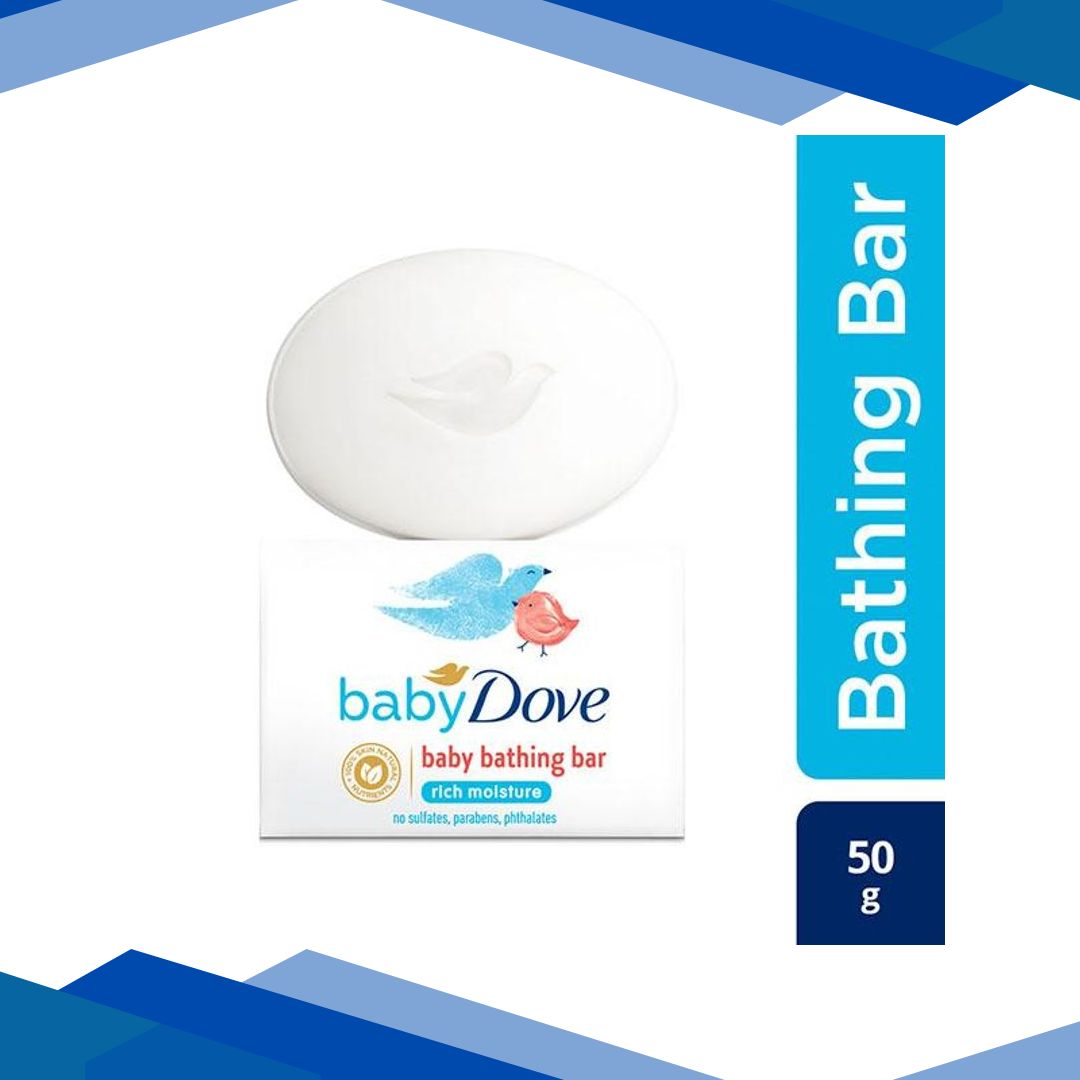
Baby Dove Rich Moisture Bar 50 gm
❌ Due to high demand, this product is currently out of stock. New stock will be available shortly.
👉 Click here to Buy Same Salt medicine
Baby Dove Rich Moisture Bar 50 is a topical medicine used to soothe irritated skin and relieve discomfort. It combines ingredients that work in different ways: hydrocortisone helps reduce redness, swelling, and itching; lidocaine numbs the area to ease pain or burning; zinc oxide forms a protective barrier on the skin; and allantoin helps soften and calm irritated skin. This medicine is commonly used for minor skin inflammation, rashes, itching, soreness, and irritation caused by conditions such as hemorrhoids, diaper rash, or other mild skin problems. It is meant for short-term relief and should be used as directed by a healthcare professional. If symptoms persist or worsen, medical advice should be sought.
Description
Baby Dove Rich Moisture Bar 50 is a combination topical medicine commonly used to help relieve skin discomfort, inflammation, irritation, itching, and minor pain in affected areas. it is designed for application on the skin or, in some formulations, around sensitive external areas where soothing and protective care are needed. this type of product is generally chosen when a person needs both symptom relief and skin protection at the same time, especially for conditions involving irritation, redness, soreness, or minor inflammatory skin reactions.
each ingredient contributes a specific benefit. hydrocortisone is a mild corticosteroid that helps reduce inflammation, redness, and itching. lidocaine is a local anesthetic that temporarily numbs the area and can ease burning, stinging, or pain. allantoin is known for its skin-soothing and protective properties, helping support softening and calming irritated skin. zinc oxide acts as a skin protectant and barrier agent, helping shield the affected area from moisture, friction, and further irritation. together, these ingredients work in a complementary way to provide symptomatic relief while supporting the skin? natural recovery process.
this medicine may be recommended for short-term management of conditions such as minor skin irritation, rash-related discomfort, itching, and localized inflammation, depending on the formulation and the advice of a healthcare professional. it is important to understand that it does not cure the underlying cause of every skin condition. for example, if the irritation is due to infection, an allergy, or a chronic inflammatory disease, the product may help symptoms but may not address the root problem. because hydrocortisone and lidocaine can sometimes mask worsening skin issues, proper diagnosis and guidance are important when symptoms are severe, persistent, or recurrent.
people who may benefit from this medicine are those with superficial, localized discomfort where a combination of anti-inflammatory, numbing, and protective actions is helpful. it is especially useful when the skin feels irritated, tender, itchy, or mildly painful. however, it should be used carefully and only as directed, because overuse of corticosteroids on the skin can lead to thinning, irritation, or other complications, particularly on delicate skin areas. if there is no improvement or the condition worsens, medical evaluation is recommended.
ingredients
- allantoin: allantoin is a skin-conditioning ingredient that helps soothe irritated skin and support a smoother, softer surface. it is commonly used in topical products because it can help reduce the feeling of roughness and discomfort. in this combination, it supports overall skin comfort and may help protect delicate or inflamed areas from further irritation.
- hydrocortisone: hydrocortisone is a low-potency corticosteroid that reduces inflammation by calming the body? local immune response in the skin. it helps decrease redness, swelling, itching, and irritation. it is useful for short-term relief of mild inflammatory skin conditions, but it should be used judiciously because prolonged use may cause skin thinning or other steroid-related side effects.
- lidocaine: lidocaine is a local anesthetic that temporarily blocks pain signals from the skin. it can provide rapid relief from burning, stinging, soreness, and minor pain in the treated area. its effect is temporary and symptomatic, meaning it helps relieve discomfort but does not treat the underlying cause of the skin problem.
- zinc oxide: zinc oxide is a protective skin barrier ingredient widely used in topical preparations. it helps shield the skin from moisture, friction, and irritants, making it especially helpful in chafing, diaper-area irritation, and other situations where skin protection is needed. it also has mild soothing and drying properties that can help calm irritated skin.
key uses
- relief of itching and irritation: hydrocortisone helps reduce inflammatory itching, while lidocaine can quickly calm burning or stinging sensations. this combination is often used when itching is associated with redness, minor rash, or local skin irritation.
- reduction of redness and swelling: hydrocortisone works by decreasing local inflammation, which may help improve visible redness and mild swelling. this can be beneficial in superficial inflammatory skin reactions where the skin is not broken or infected.
- temporary numbing of painful areas: lidocaine helps dull minor skin pain and discomfort, making it easier to tolerate sensitive or irritated areas. it is particularly useful when the skin is sore, tender, or chafed.
- protection of irritated skin: zinc oxide forms a barrier that helps guard the skin against moisture, rubbing, and external irritants. this protective function is important in skin folds, areas prone to chafing, or areas exposed to frequent moisture.
- soothing of minor superficial skin conditions: allantoin supports a soothing and softening effect, helping improve comfort in mildly irritated, dry, or rough skin. it is often included in products intended for sensitive or delicate areas.
- supportive care for non-infected irritation: this medicine may be used when symptoms are due to irritation or inflammation rather than infection. it can be helpful as part of short-term supportive care when a clinician has determined that a corticosteroid-anesthetic-protective combination is appropriate.
how to use
use this medicine exactly as directed by a healthcare professional or according to the product label. it is generally intended for external use only. before applying, clean and gently dry the affected area so the medicine can adhere properly and work more effectively. apply a thin, even layer to the irritated skin and avoid rubbing too hard, since that can worsen irritation. wash your hands before and after use unless the hands are the area being treated. if the product is used in sensitive areas, follow the specific instructions carefully to avoid over-application or accidental contact with the eyes, mouth, or mucous membranes.
the timing and frequency of application depend on the product strength, the condition being treated, and medical advice. in general, these combination creams or ointments are used for short-term symptom relief rather than prolonged treatment. do not apply it more often than recommended, because doing so increases the chance of side effects, especially from hydrocortisone and lidocaine. avoid using it on large areas of skin unless a clinician has specifically advised it, since systemic absorption may become more likely. if the skin condition is not improving after a reasonable period or seems to be getting worse, stop self-treatment and seek medical advice.
safety information
- warnings: do not use on deep wounds, open sores, heavily damaged skin, or infected areas unless directed by a healthcare professional. hydrocortisone can mask signs of infection, and lidocaine may hide worsening symptoms. avoid contact with the eyes and do not use inside the mouth, nose, or other mucous membranes unless the product is specifically intended for those areas. overuse, prolonged use, or use on large skin surfaces may increase the risk of side effects.
- side effects: common side effects may include mild burning, stinging, dryness, redness, or temporary irritation at the application site. less common but more serious effects may include skin thinning, worsening irritation, allergic contact dermatitis, unusual numbness, rash, swelling, or signs of lidocaine toxicity if excessive amounts are absorbed. if you notice trouble breathing, severe rash, facial swelling, palpitations, dizziness, confusion, or unusual weakness, seek urgent medical help.
- precautions: use with extra caution in children, older adults, and people with sensitive skin, because their skin may absorb topical medicines differently. people with a history of allergy to corticosteroids, local anesthetics, or any ingredient in the product should avoid it. those with fungal, viral, or bacterial skin infections should not use hydrocortisone-containing products unless specifically instructed, as steroids can worsen some infections. long-term use on the face, groin, underarms, or broken skin should generally be avoided unless a clinician advises otherwise.
- pregnancy/breastfeeding: topical use during pregnancy or breastfeeding should be discussed with a healthcare professional before use. while limited, localized application may sometimes be considered acceptable under medical guidance, it is important to avoid excessive or prolonged use. breastfeeding individuals should avoid applying the product to the breast area if there is a risk the infant could come into direct contact with it.
- interactions: because this is a topical product, interactions are less common than with oral medicines, but they can still occur. using multiple topical corticosteroids, topical anesthetics, or other medicated skin products on the same area may increase irritation or absorption. alcohol may worsen skin dryness or irritation in some people. be cautious if you are taking medicines that affect the heart rhythm, liver function, or seizure threshold, because excessive lidocaine absorption can become more concerning in susceptible individuals. always inform your clinician about all prescription, over-the-counter, and herbal products you use.
additional information
- storage: store the medicine at room temperature unless the label says otherwise. keep it tightly closed, away from heat, moisture, and direct sunlight. do not freeze unless instructed. keep out of reach of children and pets.
- missed dose: if you miss an application, apply it when you remember unless it is almost time for the next one. do not apply extra medicine to make up for the missed dose, since that may increase the risk of side effects without improving results.
- overdose: excessive topical use can lead to increased side effects, such as skin irritation, steroid-related skin changes, or, in rare cases, lidocaine-related systemic effects. if too much has been applied, gently remove the excess from the skin and seek medical advice if symptoms such as dizziness, severe numbness, palpitations, confusion, or unusual weakness occur.
- habit forming: no, this medicine is not habit forming. however, prolonged or repeated use of hydrocortisone-containing products without supervision can lead to dependence on symptom relief or cause skin complications. it should be used carefully and only for the intended duration.
frequently asked questions
Q: what is Baby Dove Rich Moisture Bar 50 used for?
A: it is used to help relieve itching, redness, soreness, burning, and minor inflammation of the skin while also protecting the area from further irritation. the combination offers soothing, anti-inflammatory, numbing, and barrier-supporting effects.
Q: how does this medicine work on the skin?
A: hydrocortisone reduces inflammation, lidocaine temporarily numbs pain and burning, allantoin helps soothe and condition irritated skin, and zinc oxide forms a protective barrier against moisture and friction.
Q: can i use it on broken skin?
A: it is generally not recommended on broken, deep, or infected skin unless a healthcare professional specifically tells you to do so. broken skin may absorb more medicine and increase the risk of side effects.
Q: is it safe to use for a long time?
A: long-term use is usually not recommended without medical supervision, especially because hydrocortisone can cause skin thinning and other steroid-related effects if overused.
Q: can this medicine cause allergies?
A: yes. some people may develop irritation or allergic contact dermatitis from one or more ingredients. stop using it and seek medical advice if you get rash, swelling, or worsening itching after application.
Q: does lidocaine in this product numb the area right away?
A: lidocaine may provide relatively quick relief from burning or pain, but the response can vary. it offers temporary symptom relief and does not treat the underlying cause of the discomfort.
Q: can children use this medicine?
A: children may be more sensitive to topical corticosteroids and anesthetics, so this medicine should only be used in children if a healthcare professional recommends it and provides clear instructions.
Q: can i apply it under a bandage?
A: do not cover the treated area with a tight or occlusive dressing unless your clinician advises it, because covering may increase absorption and raise the risk of side effects.
Q: what should i do if my symptoms do not improve?
A: if symptoms persist, spread, worsen, or keep returning, you should consult a healthcare professional. persistent irritation may indicate infection, allergy, or another skin problem that needs different treatment.
Q: can i use other skin creams with it?
A: avoid layering multiple medicated creams on the same area unless a clinician advises it. some combinations can increase irritation or alter absorption. ask a pharmacist or doctor if you are unsure.
Q: will it cure the condition causing the rash?
A: not necessarily. it mainly helps control symptoms such as itching, pain, and inflammation. if the rash is caused by an infection, allergy, or chronic skin disease, additional treatment may be needed.
Q: what if it accidentally gets in my eyes?
A: rinse the eyes gently with plenty of clean water right away. if irritation continues, or if vision changes or pain occurs, seek medical attention promptly.
Q: can i use it on the face?
A: the face is more sensitive to steroid-related side effects, so use on facial skin should be done only if a healthcare professional specifically recommends it.
Q: is it okay to use this medicine with alcohol?
A: there is no major direct interaction with alcohol from skin use, but alcohol can worsen dehydration or skin irritation in some people. if you feel unwell or have extensive treated areas, ask a healthcare professional for guidance.
Q: what signs mean i should stop using it and see a doctor?
A: stop using it and seek medical advice if you develop swelling, rash, severe irritation, pus, fever, increasing pain, spreading redness, or any signs of an allergic reaction or infection.
this information is for educational purposes only and should not be considered medical advice. always consult a qualified healthcare professional before use.
At Gem Pharmacy, we make every effort to provide accurate, expert-written, and thoroughly reviewed information related to medicines. However, this information should not be considered a substitute for professional medical advice, diagnosis, or treatment from a qualified doctor.
The purpose of this information is to educate users and improve communication between patients and healthcare professionals. It should not be used to diagnose or treat any condition.
Always consult a certified healthcare professional before taking any medication.


Related products
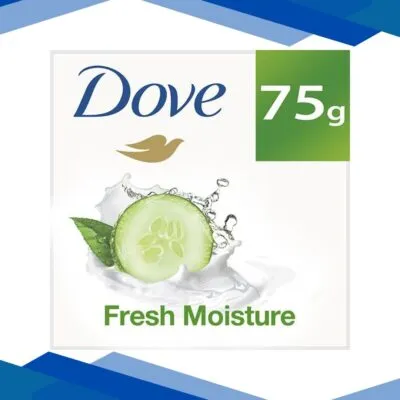
Dove Fresh Moisture Cream Beauty Bathing Bar Cucumber & Green Tea Scent Soap 75 gm
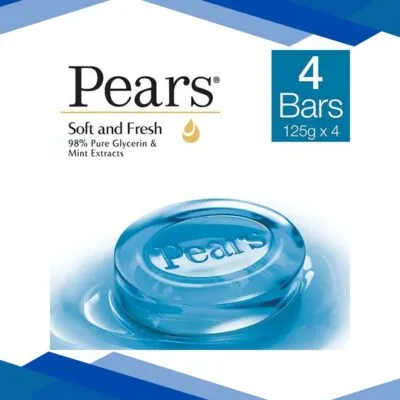
Pears Soft & Fresh Bathing Bar with 98% Pure Glycerine & Mint Extracts Look Young Stay Young 125gm Each 4’s
Nivea Cocoa Nourish Body Lotion 400 ml