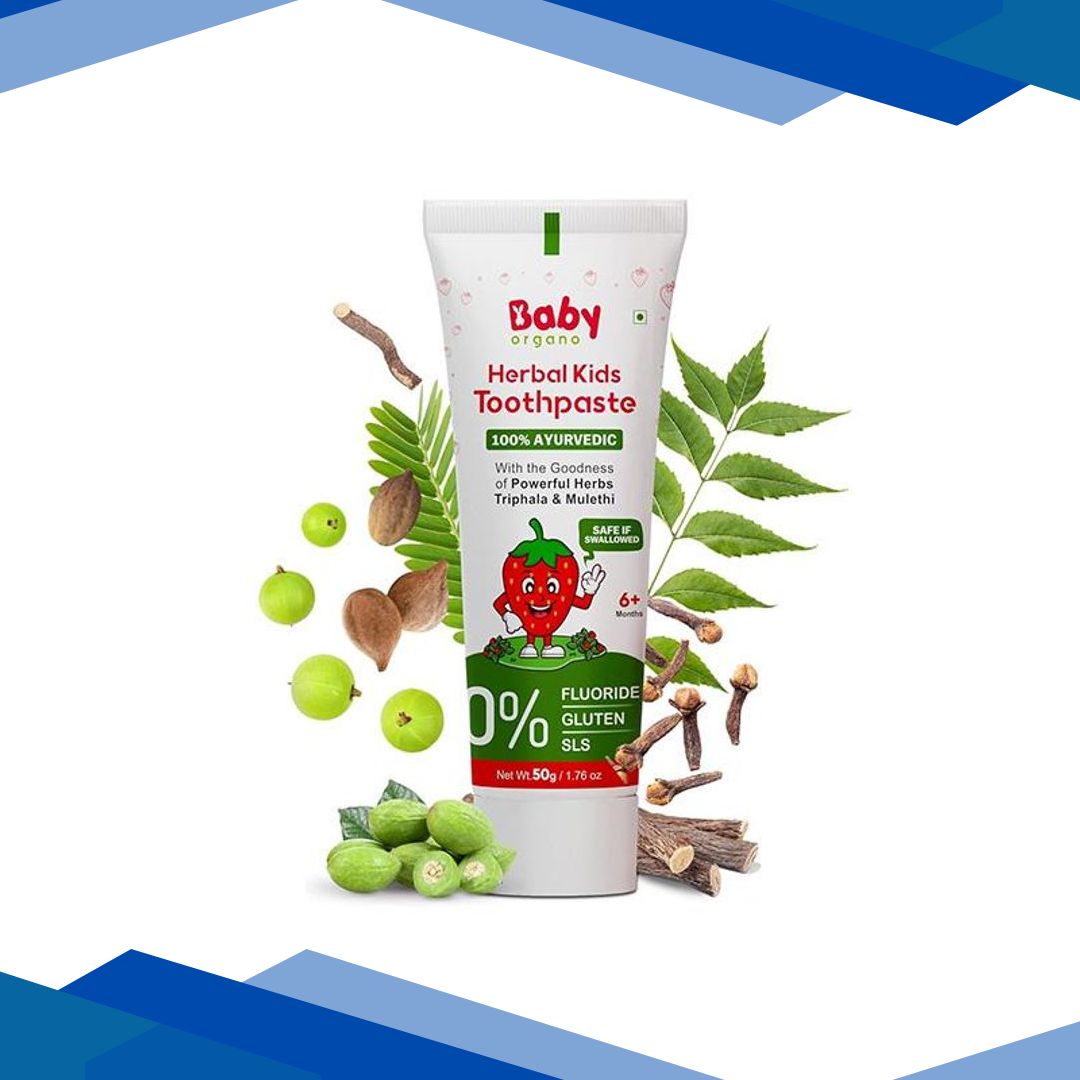
Baby Organo Ayurvedic Herbal Kids Toothpaste – Strawberry 50 gm
Baby Organo Ayurvedic Herbal Kids Toothpaste – Strawberry 50 is a nutritional supplement that supports bone strength and overall mineral balance. It combines calcium, magnesium, zinc, vitamin D3, and vitamin K2, which work together to help maintain healthy bones and teeth. Calcium provides the main building material for bones, vitamin D3 helps the body absorb calcium better, and vitamin K2 supports proper calcium use in bone tissue. Magnesium and zinc also play important roles in bone formation, muscle function, and normal body metabolism. This medicine is commonly used to help prevent or manage calcium and vitamin deficiencies, support bone health in adults, and assist in conditions where extra mineral support is needed, such as weak bones or recovery periods, under medical guidance.
Description
Baby Organo Ayurvedic Herbal Kids Toothpaste – Strawberry 50 is a nutritional supplement combination commonly used to support bone health, mineral balance, and overall musculoskeletal function. it brings together calcium, magnesium, zinc, vitamin d3, and vitamin k2 in one preparation so that the body can better absorb, transport, and utilize minerals needed for maintaining strong bones and healthy teeth. this type of supplement is often recommended for people who may not get enough of these nutrients from diet alone, or for those who have increased requirements due to age, poor dietary intake, low sun exposure, recovery from illness, or bone-related concerns.
calcium is the primary structural mineral in bones, while vitamin d3 helps the intestine absorb calcium more efficiently. vitamin k2 plays an important role in directing calcium toward the bones and away from soft tissues, supporting proper mineral deposition. magnesium assists in bone formation and is also involved in vitamin d metabolism. zinc contributes to normal growth, tissue repair, and bone remodeling. when these nutrients are combined appropriately, they can support the body? natural processes involved in maintaining bone density, muscle function, and mineral homeostasis.
this medicine is not a painkiller and does not provide immediate symptom relief in the way an analgesic does. instead, it works gradually by correcting or preventing nutritional deficiencies and supporting long-term skeletal health. it may be used in people at risk of osteoporosis, osteopenia, calcium deficiency, vitamin d deficiency, or increased mineral loss. however, the exact suitability of this supplement depends on age, diet, medical history, kidney function, and concurrent medications. because too much of certain minerals can also be harmful, it is best used under the guidance of a healthcare professional when there are underlying health conditions.
in general, this combination is intended for adults who need support for bone maintenance, mineral replenishment, or specific deficiency states. it may also be advised during periods of increased demand, such as older age, postmenopausal years, recovery from fractures, or limited dietary calcium intake. while it can be beneficial, it should not be viewed as a substitute for a balanced diet, regular weight-bearing exercise, or treatment prescribed for serious bone disease.
ingredients
- calcium citrate maleate: a well-absorbed form of calcium used to support bone and tooth structure. calcium is essential for bone mineralization, muscle contraction, nerve transmission, and normal blood clotting. the citrate maleate form is often chosen because it is generally absorbed well, even in people with lower stomach acid, and may be easier on the stomach than some other calcium salts.
- zinc oxide: a source of zinc, an important trace mineral involved in bone remodeling, immune function, wound healing, and enzyme activity. zinc supports the activity of cells responsible for bone formation and repair. it also contributes to normal growth and helps maintain healthy skin and connective tissues.
- magnesium oxide: a magnesium source that helps support bone structure, muscle function, and nerve activity. magnesium is also involved in the activation and metabolism of vitamin d, which indirectly affects calcium absorption. although magnesium oxide is not the most highly absorbed magnesium form, it remains a commonly used supplement ingredient for mineral support.
- vitamin d3: also known as cholecalciferol, vitamin d3 helps the body absorb calcium and phosphorus from the gut. it is essential for maintaining normal blood calcium levels and supporting bone mineralization. vitamin d3 deficiency can lead to weakened bones, muscle weakness, and impaired calcium balance.
- vitamin k2: a fat-soluble vitamin that helps activate proteins involved in bone mineralization, including osteocalcin. vitamin k2 assists in directing calcium into bones and teeth, while helping reduce inappropriate calcium deposition in soft tissues. it plays an important supportive role in bone health and cardiovascular mineral balance.
key uses
- prevention and treatment of calcium deficiency: helps replenish inadequate calcium intake or increased calcium needs, supporting healthy bones, teeth, and normal muscular and nerve function.
- support in osteoporosis and osteopenia: often used as part of a broader bone-health plan to help maintain bone density and reduce the risk of further mineral loss, especially in older adults and postmenopausal women.
- vitamin d deficiency support: vitamin d3 improves calcium absorption and helps maintain normal calcium and phosphate levels, which are necessary for strong bones and muscles.
- bone mineralization support during recovery: may be recommended when bone healing or remodeling is needed, such as after fractures or in periods of increased skeletal demand, as directed by a clinician.
- muscle and nerve function support: calcium and magnesium help support proper muscle contraction, relaxation, and nerve signaling, which may be helpful when dietary intake is low.
- nutritional supplementation in older adults: can be useful for people whose diet, age-related absorption changes, or reduced sun exposure increase the risk of mineral and vitamin insufficiency.
how to use
this supplement should be used exactly as advised by a doctor, pharmacist, or the product label, since the appropriate amount may vary depending on age, dietary intake, laboratory results, and medical conditions. it is generally taken by mouth with water, and many people tolerate calcium-containing supplements better when taken with food. taking it with meals can also improve absorption of some components and reduce stomach discomfort. if the product contains multiple tablets or capsules per day, it is often better to split the intake across the day rather than taking all at once, because the body absorbs calcium more efficiently in smaller amounts.
try to take it at the same time each day to help maintain consistency. do not crush or chew unless the dosage form is specifically meant to be chewed. avoid taking it together with certain medicines unless a healthcare professional has confirmed it is safe, because calcium, magnesium, and zinc can reduce the absorption of some antibiotics, thyroid medicines, and iron supplements. if you are using other vitamins or mineral products, check whether the total daily intake becomes too high, especially for vitamin d, calcium, or magnesium.
if you have kidney disease, a history of kidney stones, high calcium levels, or parathyroid disorders, you should ask a healthcare professional before using this combination. long-term use may require periodic monitoring of calcium and vitamin d status, particularly in people who take it for osteoporosis prevention or have chronic medical conditions. always follow individualized guidance rather than self-adjusting the dose.
safety information
- warnings: excessive calcium, vitamin d, magnesium, or zinc intake can cause harmful effects. high calcium levels may lead to constipation, nausea, confusion, kidney stone risk, or abnormal heart rhythm in severe cases. vitamin d excess can raise blood calcium levels. people with kidney disease, recurrent stones, hypercalcemia, or certain endocrine disorders should use caution and may need medical supervision. do not use this supplement as a substitute for prescribed treatment of severe bone disease.
- side effects: common side effects may include constipation, stomach upset, bloating, nausea, a chalky taste, or mild diarrhea depending on how the body tolerates the minerals. less commonly, magnesium may cause loose stools, and zinc may cause nausea if taken on an empty stomach. serious side effects are uncommon but can include signs of high calcium such as severe weakness, persistent vomiting, excessive thirst, frequent urination, confusion, or irregular heartbeat. allergic reactions are rare but require immediate medical attention.
- precautions: use extra caution if you have kidney impairment, kidney stones, sarcoidosis, hyperparathyroidism, high calcium levels, or a history of vitamin d toxicity. people with swallowing problems should ensure the dosage form is appropriate. long-term high-dose supplementation should not be done without clinical guidance. if you are already taking other calcium or vitamin d products, verify total intake to avoid duplication.
- pregnancy/breastfeeding: these nutrients are often needed during pregnancy and breastfeeding, but the dose must be appropriate. routine nutritional supplementation may be safe when used as directed, yet excessive intake can be harmful to both mother and baby. pregnant or breastfeeding individuals should consult a healthcare professional before starting or continuing this product.
- interactions: calcium, magnesium, and zinc can interfere with the absorption of certain medications, including tetracycline antibiotics, fluoroquinolone antibiotics, levothyroxine, bisphosphonates, and iron supplements. in many cases, these medicines need to be taken several hours apart. vitamin k2 may interact with warfarin and other vitamin k-dependent anticoagulants by affecting blood clotting control. alcohol excess may impair bone health and can worsen nutrient deficiencies over time, so limiting alcohol is advisable.
additional information
- storage: store in a cool, dry place away from direct sunlight, moisture, and excessive heat. keep the container tightly closed and out of reach of children. do not store in the bathroom unless the label specifically permits it, because humidity can damage the product.
- missed dose: if you forget a dose, take it when you remember unless it is almost time for the next scheduled dose. if it is close to the next dose, skip the missed dose and continue your regular schedule. do not double the dose to make up for a missed one.
- overdose: taking too much can cause nausea, vomiting, constipation, abdominal pain, unusual thirst, confusion, weakness, or abnormal heart rhythm, especially if calcium or vitamin d levels become too high. severe overdose requires urgent medical attention, particularly if symptoms are significant or if a child accidentally ingests the product.
- habit forming: no. this supplement is not habit-forming and does not cause dependence. however, people may become reliant on it for nutritional support if dietary intake remains inadequate or if they have a medical condition affecting absorption.
frequently asked questions
Q: what is Baby Organo Ayurvedic Herbal Kids Toothpaste - Strawberry 50 used for?
A: it is mainly used to support bone health, correct or prevent mineral deficiencies, and provide nutrients needed for calcium absorption and bone mineralization. it is commonly used in people with low dietary intake, osteoporosis risk, or vitamin d deficiency, as advised by a healthcare professional.
Q: can i take this supplement every day?
A: it may be taken daily when recommended by a doctor or pharmacist, especially for long-term nutritional support. however, daily use should be based on your health needs because taking too much calcium, vitamin d, magnesium, or zinc can cause side effects or medical complications.
Q: should i take it with food or on an empty stomach?
A: it is often better tolerated with food, and taking it with meals may improve stomach comfort. food can also help with absorption of some components. if your product label or clinician gives different instructions, follow those directions.
Q: can it be taken with thyroid medicine or antibiotics?
A: not at the same time in many cases. calcium, magnesium, and zinc can interfere with the absorption of levothyroxine, tetracyclines, fluoroquinolones, and some other medicines. these usually need to be spaced apart by several hours, so professional guidance is important.
Q: does vitamin k2 matter in bone supplements?
A: yes. vitamin k2 helps activate proteins involved in bone mineralization and may assist in directing calcium to bones rather than soft tissues. it is a supportive nutrient, but it should be used carefully by people taking anticoagulants such as warfarin.
Q: can this medicine cause constipation?
A: yes, constipation is a common side effect of calcium supplements in some people. drinking enough fluids, eating fiber-rich foods, and following the recommended dose may help. if constipation is severe or persistent, speak with a healthcare professional.
Q: is it safe for people with kidney stones?
A: people with a history of kidney stones should use caution, because calcium supplements may increase stone risk in some cases. the cause of the stones and your current kidney health matter, so medical advice is important before using the product.
Q: can this supplement replace a healthy diet?
A: no. it is meant to supplement the diet, not replace foods that naturally provide calcium, magnesium, zinc, and vitamin d. a balanced diet, physical activity, and adequate sunlight exposure where appropriate remain important for overall bone health.
Q: how long does it take to notice benefits?
A: this type of supplement usually works gradually. it may take weeks to months to support nutrient repletion and bone-related goals. it is not intended to provide immediate relief, and any treatment plan for bone disease should be followed consistently.
Q: what should i do if i experience nausea after taking it?
A: try taking it with food if allowed, but avoid changing the dose on your own. nausea can happen with mineral supplements, especially zinc. if the symptom persists, becomes severe, or is accompanied by vomiting or weakness, consult a healthcare professional.
this information is for educational purposes only and should not be considered medical advice. always consult a qualified healthcare professional before use.
At Gem Pharmacy, we make every effort to provide accurate, expert-written, and thoroughly reviewed information related to medicines. However, this information should not be considered a substitute for professional medical advice, diagnosis, or treatment from a qualified doctor.
The purpose of this information is to educate users and improve communication between patients and healthcare professionals. It should not be used to diagnose or treat any condition.
Always consult a certified healthcare professional before taking any medication.


Related products

Candy Cop Bubblegum Flavour Tooth Paste 70gm
Sensodyne Fresh Gel Toothpaste 150 gm

PEDIFLOR KIDZ MELON FLAVOUR Tooth Paste 70gm