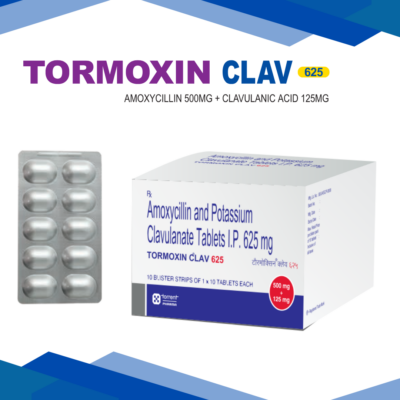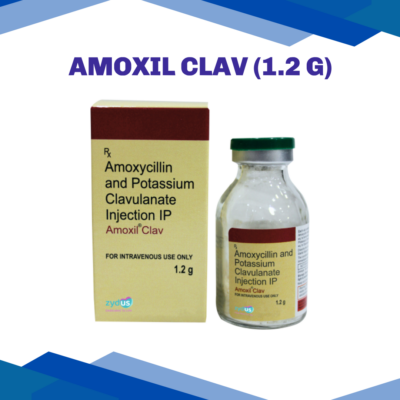
BACTOCLAV ES Dry Syrup 60ml
BACTOCLAV ES Dry Syrup is a combination antibiotic used to treat many common bacterial infections. It contains amoxicillin, which kills bacteria by stopping them from building their protective cell wall, and clavulanic acid, which helps protect amoxicillin from being broken down by certain bacteria. Together, they work better against a wider range of infections than amoxicillin alone. This medicine is commonly prescribed for infections of the ear, throat, sinuses, lungs, skin, teeth, urinary tract, and some other bacterial infections. It is not useful for viral illnesses like the common cold or flu. Because it is an antibiotic, it should be used only when prescribed by a healthcare professional to ensure it is appropriate for the infection.
Description
BACTOCLAV ES Dry Syrup is a widely used prescription antibiotic combination that helps treat a broad range of bacterial infections. it contains two active ingredients that work together in a complementary way. amoxicillin is a penicillin-type antibiotic that kills susceptible bacteria by interfering with the formation of their protective cell wall. clavulanic acid is not a strong antibiotic by itself in most infections, but it plays a very important supporting role by blocking certain bacterial enzymes called beta-lactamases. these enzymes are produced by some bacteria to destroy amoxicillin and make it ineffective. by protecting amoxicillin from being broken down, clavulanic acid helps restore and extend its antibacterial action.
this combination is often chosen when an infection may be caused by bacteria that are resistant to plain amoxicillin alone. it is commonly used for infections involving the ears, sinuses, throat, chest, urinary tract, skin, and some dental infections, depending on local medical guidelines and the individual patient? condition. because it is an antibiotic, it only works against bacterial infections and does not treat viral illnesses such as the common cold or flu. using it appropriately helps improve outcomes and reduces the chance of antibiotic resistance.
BACTOCLAV ES Dry Syrup is suitable for many children and adults when prescribed by a healthcare professional, but it is not appropriate for every infection or every patient. a clinician will consider factors such as the type of infection, allergy history, kidney function, age, severity of illness, and possible drug interactions before recommending it. it is important to take the medicine exactly as directed and to complete the full course if prescribed, even if symptoms begin to improve earlier, because stopping too soon can allow bacteria to return and become harder to treat.
the medicine is available in different formulations, such as tablets, chewable tablets, and oral suspension, and sometimes as injectable forms in hospital settings. the exact dose and duration vary depending on the infection, patient age, and medical history. because it can cause stomach upset, diarrhea, and other side effects, it is often advised to take it with food to improve tolerance. if there is any uncertainty about whether this medicine is suitable, a doctor or pharmacist should be consulted before use.
ingredients
- amoxicillin: this is a penicillin-class antibiotic that fights bacteria by preventing them from building and maintaining their cell walls. without a strong cell wall, bacteria become unstable and die. it is effective against many common infection-causing bacteria, but some strains produce enzymes that can inactivate it.
- clavulanic acid: this component acts as a beta-lactamase inhibitor. its main role is to protect amoxicillin from bacterial enzymes that would otherwise break it down. by doing so, it broadens the overall antibacterial coverage of the combination and makes it more useful against resistant organisms.
- inactive ingredients: depending on the manufacturer and formulation, the product may also contain excipients such as fillers, binders, flavoring agents, sweeteners, or preservatives. these do not treat infection but help with tablet stability, suspension taste, and proper delivery of the medicine.
key uses
- ear, nose, and throat infections: commonly used for bacterial sinusitis, middle ear infection, and some throat infections when bacteria are suspected or confirmed. it helps reduce infection-related pain, congestion, and fever when appropriately prescribed.
- respiratory tract infections: may be used for certain chest infections, including bronchitis or community-acquired bacterial respiratory infections, particularly when resistant bacteria are a concern. it is not useful for viral coughs or colds.
- urinary tract infections: in some cases, it may be prescribed for susceptible bacterial utis. the choice depends on local resistance patterns and the patient? culture results when available.
- skin and soft tissue infections: can be used for bacterial skin infections, bite wounds, or infected wounds where mixed bacteria may be involved. it helps control redness, swelling, warmth, and pus formation caused by susceptible bacteria.
- dental infections: sometimes used for dental abscesses or infection-related swelling when antibiotics are needed alongside dental treatment. it may help reduce bacterial spread and discomfort, though source control is often essential.
- other clinician-directed infections: a healthcare professional may recommend it for certain mixed bacterial infections or when beta-lactamase-producing bacteria are suspected. use depends on clinical judgment and the likely organism involved.
how to use
BACTOCLAV ES Dry Syrup should be taken exactly as prescribed by a healthcare professional. the medicine is commonly taken with food or at the start of a meal, which can help reduce stomach upset and improve absorption for some formulations. tablets should be swallowed with water, while oral suspension should be shaken well before each use to ensure the medicine is evenly mixed. if the product is a chewable tablet, it should be chewed thoroughly before swallowing. the exact form and schedule depend on the patient? age, the type of infection, and how severe it is.
it is important to take the medicine at evenly spaced intervals if it has been prescribed multiple times per day. do not skip doses and do not stop early just because symptoms improve, unless a healthcare professional tells you to do so. stopping prematurely can allow surviving bacteria to multiply again, which may lead to relapse or resistance. if stomach upset occurs, taking it with food often helps. if diarrhea becomes severe or persistent, medical advice should be sought promptly, as antibiotic-associated diarrhea can occasionally become serious.
safety information
- warnings: this medicine can cause allergic reactions, including rash, itching, swelling, or breathing difficulty. people with a history of allergy to penicillins or other beta-lactam antibiotics may be at higher risk and should inform their doctor before use. rare but serious reactions can include severe skin reactions, liver problems, and significant intestinal inflammation. if signs of anaphylaxis, widespread rash, yellowing of the skin or eyes, dark urine, or persistent severe diarrhea occur, urgent medical care is needed.
- side effects: common side effects include nausea, vomiting, diarrhea, stomach pain, bloating, headache, and mild skin rash. some people may notice taste changes or oral yeast overgrowth. serious side effects, though less common, may include severe allergic reactions, clostridioides difficile-associated diarrhea, liver enzyme elevation, hepatitis, cholestatic jaundice, blood count changes, and severe cutaneous adverse reactions.
- precautions: use caution in people with a history of penicillin allergy, liver disease, mononucleosis, kidney impairment, or previous antibiotic-associated colitis. dose adjustments or closer monitoring may be needed in some patients, especially those with reduced kidney function. it should only be used for bacterial infections confirmed or strongly suspected by a qualified clinician.
- pregnancy/breastfeeding: this combination is commonly considered usable during pregnancy when clearly needed, but it should be taken only under medical supervision. small amounts may pass into breast milk, and some breastfed infants may develop diarrhea, rash, or thrush. a doctor should be consulted if breastfeeding while using this medicine.
- interactions: it may interact with anticoagulants such as warfarin by altering bleeding risk, so monitoring may be required. it can also interact with methotrexate, possibly increasing toxicity, and may affect the effectiveness of some oral contraceptives in a small number of cases, so additional precautions may be recommended. alcohol does not usually cause a direct dangerous interaction, but it may worsen stomach upset and should be limited during treatment. always inform a healthcare professional about all prescription medicines, over-the-counter products, and herbal supplements being used.
additional information
- storage: store the medicine in a cool, dry place away from direct heat, moisture, and sunlight. keep tablets in their original packaging and keep oral suspension as directed on the label, since some liquid forms may require refrigeration after mixing while others do not. do not freeze unless specifically instructed, and keep out of reach of children.
- missed dose: if a dose is missed, take it as soon as remembered unless it is almost time for the next scheduled dose. if it is nearly time for the next dose, skip the missed dose and continue with the regular schedule. do not take two doses at once to make up for a missed dose unless a healthcare professional specifically advises it.
- overdose: taking too much may cause severe nausea, vomiting, diarrhea, stomach discomfort, drowsiness, or confusion. in significant overdose, there may be disturbance of fluid and electrolyte balance or other complications. if an overdose is suspected, seek urgent medical help or contact a poison control center immediately.
- habit forming: no. BACTOCLAV ES Dry Syrup is not habit forming and does not cause dependence. however, it should only be used when medically necessary because unnecessary antibiotic use can contribute to antibiotic resistance.
frequently asked questions
this information is for educational purposes only and should not be considered medical advice. always consult a qualified healthcare professional before use.
At Gem Pharmacy, we make every effort to provide accurate, expert-written, and thoroughly reviewed information related to medicines. However, this information should not be considered a substitute for professional medical advice, diagnosis, or treatment from a qualified doctor.
The purpose of this information is to educate users and improve communication between patients and healthcare professionals. It should not be used to diagnose or treat any condition.
Always consult a certified healthcare professional before taking any medication.


Related products