Folic Acid
FOLIC ACID
OVERVIEW
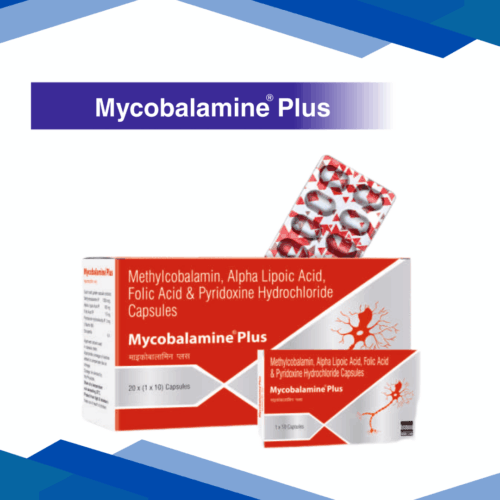
Folic acid (vitamin B9) is a B vitamin supplement that may be used to prevent and treat folate deficiency (low blood levels of folate) that can cause megaloblastic anemia.
CLASSIFICATION
B-vitamin
USES
Folic acid is a B complex vitamin effective in the treatment of megaloblastic anemias due to a deficiency of folic acid (as may be seen in tropical or nontropical sprue) and in anemia of nutritional origin, pregnancy, infancy, or childhood.
HOW IT WORKS
Folic acid is approved for the prevention and treatment of folate deficiency. Healthy levels of this vitamin, which is really a hormone, not only helps form red blood cells, it protects your brain health and supports a healthy pregnancy.
DOSAGE
As directed by the physician
PRECAUTIONS
Tell your doctor if you are pregnant or plan to become pregnant before using folic acid; folic acid requirements are markedly increased during pregnancy, and deficiency may harm a fetus. Folic acid passes into breast milk. Folic acid requirements are markedly increased while breastfeeding; however, amounts present in breast milk are adequate to fulfil infant requirements. Consult your doctor before breastfeeding
SIDE EFFECTS
Redness
skin rash
itching
feeling unwell (malaise), and
respiratory difficulty due to bronchospasm
Disclaimer
This content is for informational purposes only. Always consult a healthcare provider for medical advice and proper dosage.
PRECAUTIONS
Read the label carefully before use
Store in a dry and dark place at a temperature not exceeding 30C. Do not freeze
Keep out of reach of children
SIDE EFFECTS
· Redness
· Dryness
· Itching
Disclaimer
This content is for informational purposes only. Always consult a healthcare provider for medical advice and proper dosage.
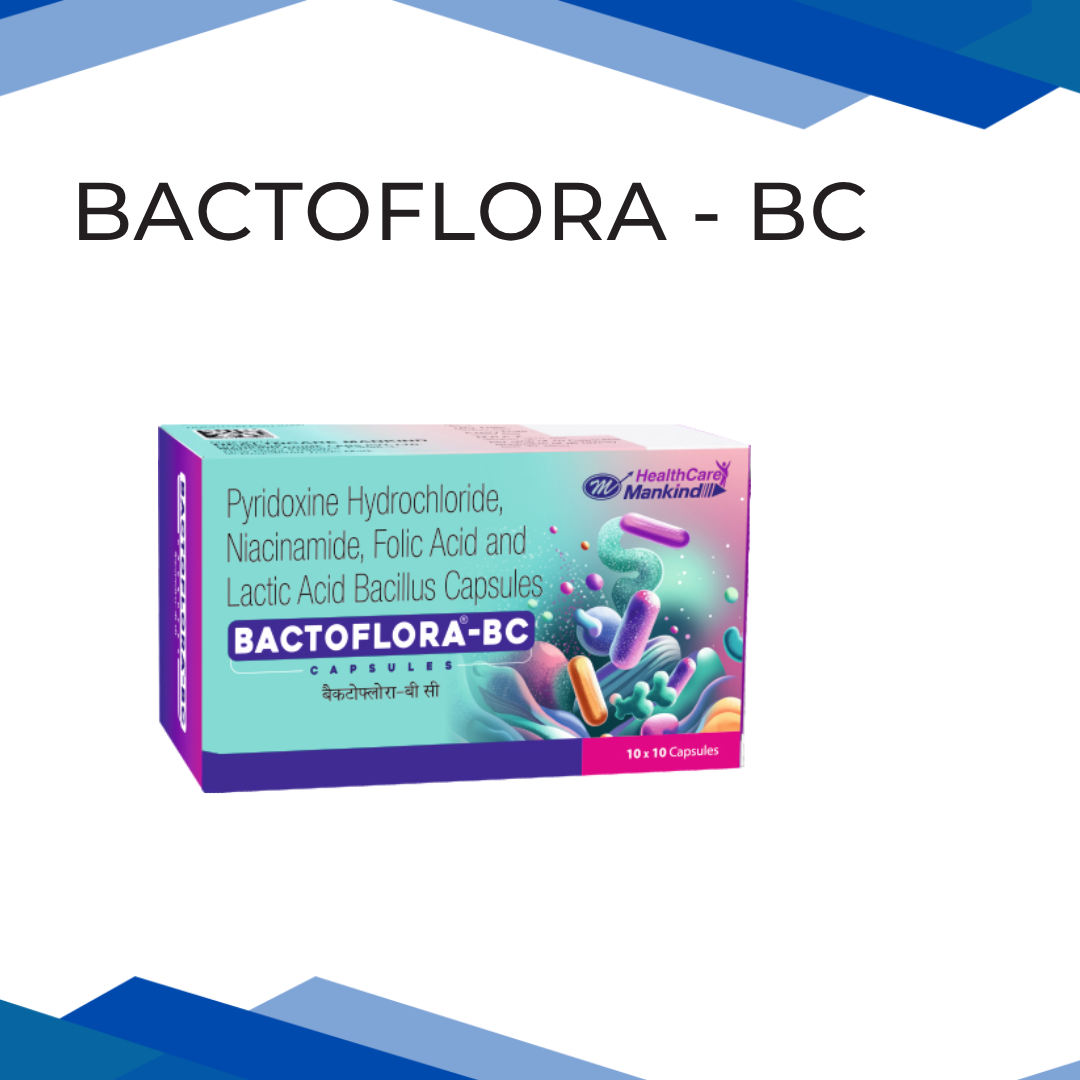
Lactic Acid Bacillus
Lactic Acid Bacillus (Probiotic Capsules/Tablets)
Lactic Acid Bacillus, also known as Lactobacillus, is a beneficial sporulated bacteria belonging to the class of probiotics—the “good bacteria” naturally present in the digestive tract. This supplement helps restore the balance of gut microflora, especially after disruption due to antibiotics, infections, or poor diet.
Core Therapeutic Benefits
Restores Gut Health: Supports healthy intestinal bacteria, improving digestion and overall gut balance.
Prevents Antibiotic-Related Diarrhea: Commonly used alongside antibiotics to protect and replenish beneficial bacteria.
Boosts Immunity: A balanced gut microbiome strengthens the immune system.
Relieves Digestive Distress: Helps reduce irritable bowel syndrome (IBS), bloating, and gas.
Supports Lactose Intolerance: Assists in lactose digestion, making dairy easier to tolerate.
Taking Probiotic Lactic Acid Bacillus
Best Time: Take 30 minutes before meals for optimal delivery to the intestines.
With Antibiotics: Maintain a 2-hour gap between antibiotics and probiotics.
Consistency: Take daily at the same time to maintain stable gut flora levels.
Storage: Most formulations are shelf-stable, but check if refrigeration is required.
Safety and Use
Pro Tip: Generally safe, but individuals with a weakened immune system should consult a doctor before use.
Hydration: Always take with a full glass of water.
Pregnancy & Nursing: Typically considered safe, but medical advice is recommended.
Possible Side Effects
Usually mild and temporary as the body adjusts:
Temporary gas or bloating
Mild abdominal rumbling
Increased thirst
These effects usually subside within 2–3 days of continued use.
Frequently Asked Questions (FAQs)
Q: Is Lactic Acid Bacillus the same as curd (yogurt)?
A: While curd/yogurt contains Lactobacilli, supplements provide a higher, standardized concentration of acid-resistant strains for better gut colonization.
Q: Can I take it daily?
A: Yes, many people use probiotics daily for digestive health and immunity, but usage should be tailored based on individual needs or medical advice.
Q: How does it help during antibiotic therapy?
A: Antibiotics eliminate both harmful and beneficial bacteria. Lactic Acid Bacillus helps restore good bacteria, reducing risks of diarrhea and stomach discomfort.
Q: Is it safe for children?
A: Yes, commonly used for digestive support in children, but always use pediatric formulations or follow a doctor’s recommendation.
Q: Can it help with acne?
A: Emerging research on the “gut-skin axis” suggests improved gut health may reduce inflammation and enhance skin clarity over time.
Niacinamide
Niacinamide
Overview
Niacinamide, or nicotinamide, is a type of vitamin B3. While more research is necessary, taking niacinamide may help reduce inflammation, improve skin elasticity
CLASSIFICATION
Vitamin-B family
USES
Minimizes fine lines and wrinkles
As it stimulates collagen production, including niacinamide in skincare can help improve the elasticity and firmness of the skin, and reduce the appearance of fine lines and wrinkles. This can result in a more youthful and smoother complexion.
Improves skin barrier function
This is one of the most important uses of niacinamide. It enhances the skin’s natural barrier function, which is essential for maintaining optimal hydration levels and protecting against environmental stressors. A strengthened skin barrier leads to improved moisture retention and reduced sensitivity.
Calms inflammation
Whether you have sensitive or irritated skin, niacinamide can help soothe and calm inflammation. Niacinamide has anti-inflammatory properties that can alleviate redness, irritation, and skin conditions such as rosacea.
HOW IT WORKS
It controls the NFκB-mediated transcription of signalling molecules by inhibiting the nuclear poly (ADP-ribose) polymerase-1 (PARP-1)-inflammatory properties that can alleviate redness, irritation, and skin conditions such as rosacea.
DOSAGE
As directed by the physician
PRECAUTIONS
· Niacinamide is generally safe when taken in the right amount, especially if you follow the recommended dose for your age. But taking too much can lead to some problems.
· It can worsen allergies in some people because it increases histamine, the chemical that causes allergy symptoms like itching or sneezing.
· If you have gallbladder issues, liver problems, or stomach ulcers, it’s best to avoid niacinamide, as it may make those conditions worse.
Also, taking very high amounts over time may raise your risk of gout or liver damage. And for kids, it’s especially important not to go over the daily safe limit.
SIDE EFFECTS
· Using niacinamide on your skin is usually very safe, especially for people with healthy skin. Some people with sensitive skin might feel a bit of redness, itching, or a light burning sensation—but this is usually mild.
· When taken by mouth, niacinamide is generally well-tolerated. Your body gets rid of extra amounts through urine, so side effects are uncommon if you’re taking a normal dose.
· Some people may have mild side effects like headaches, nausea, or stomach discomfort.
· Serious side effects are rare, but can happen if you take very high doses (over 3 grams a day). These may include liver issues or high blood sugar.
Disclaimer
This content is for informational purposes only. Always consult a healthcare provider for medical advice and proper dosage
Pyridoxine Hydrochloride
PYRIDOXINE
Overview
Pyridoxine Hydrochloride is a form of Vitamin B6, a water-soluble vitamin that your body needs to stay healthy. It helps with brain function, nerve health, blood production, and turning food into energy. It’s often used as a supplement when your body doesn’t get enough Vitamin B6 naturally.
Classification
It is classified as a vitamin supplement — specifically, part of the Vitamin B complex group. These vitamins help support many essential functions in the body, especially the nerves, skin, and red blood cells.
Uses
Treats or prevents Vitamin B6 deficiency
Helps manage nerve-related problems (like numbness, tingling, or weakness)
Used in treatment of anemia (low red blood cells)
Often given with other medicines to prevent side effects (e.g., with TB drugs like isoniazid)
Supports brain health, improves mood, and may help reduce morning sickness in pregnancy
Helps with PMS symptoms, carpal tunnel syndrome, and certain metabolic disorders
How It Works
Pyridoxine helps the body use proteins, fats, and carbohydrates from the food you eat. It also supports the nervous system, keeps your immune system strong, and helps in making red blood cells. It plays a key role in keeping your brain and nerves working properly.
Dosage
As prescribed by your doctor.
Side effects
Usually safe when taken in recommended amounts. However, high doses or long-term use may cause:
Numbness or tingling in hands and feet
Loss of coordination or balance
Upset stomach or mild nausea
Skin rash (rare)
Extreme tiredness or headache in rare cases
Precautions
Tell your doctor if you have kidney or liver issues
Long-term high doses can cause nerve damage — always take the amount recommended
Safe for pregnant or breastfeeding women if taken as advised by a doctor
Avoid self-medicating with large doses without medical guidance
May interact with certain medications like TB drugs, epilepsy medicine, or chemotherapy
Disclaimer
This content is for informational purposes only. Always consult a healthcare provider for medical advice and proper dosage