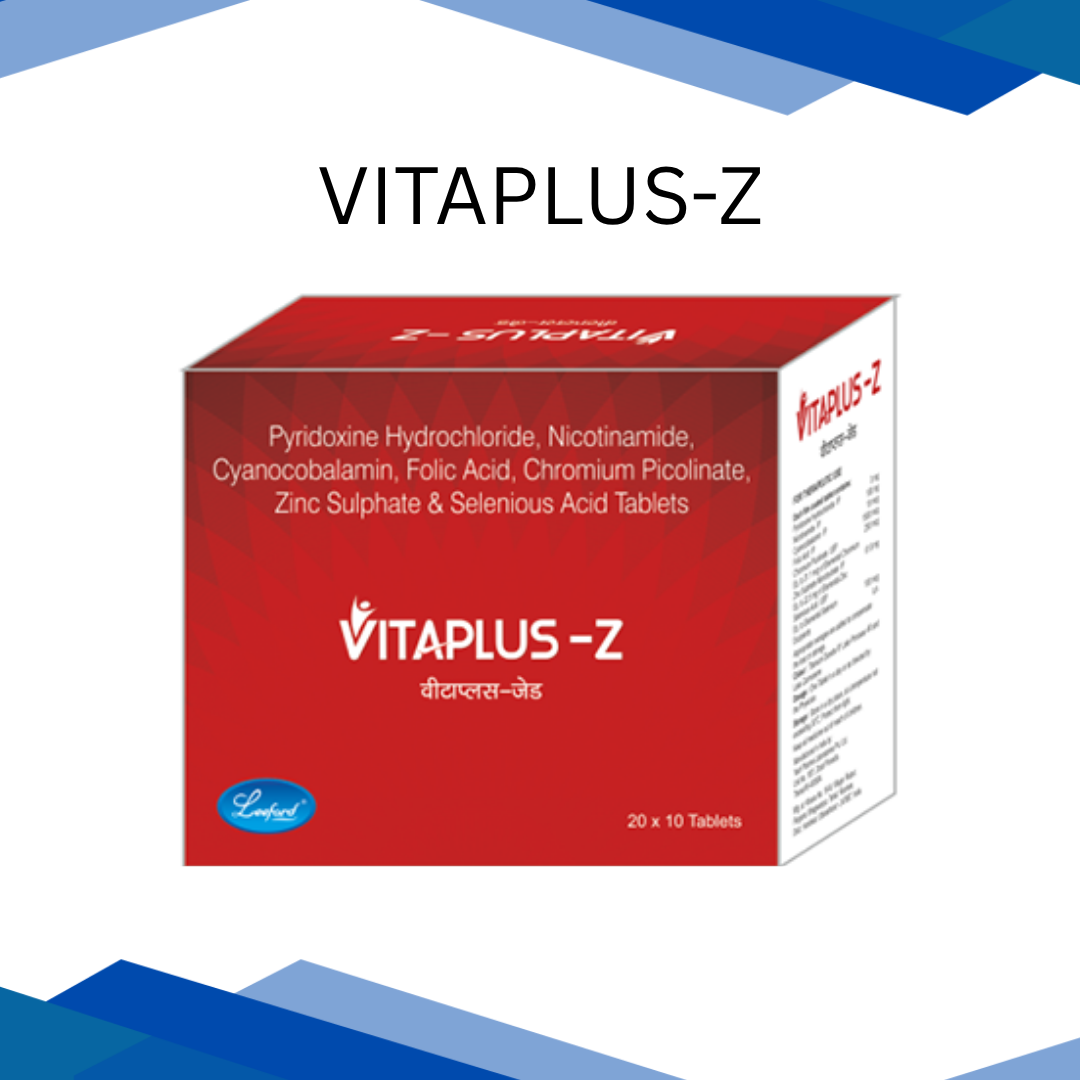
Vitaplus-Z
❌ Due to high demand, this product is currently out of stock. New stock will be available shortly.
👉 Click here to Buy Same Salt medicine
Chromium Picolinate
The product exists in the market as a registered vitamin and mineral dietary supplement.
This is no ordinary chromium; it's Chromium Picolinate, and through picolinic compounds, it penetrates the system without getting waste due to incomplete digestion. This is a dietary supplement that is required by the human body for maintaining good health and resistance to chronic common diseases. Dietary Chromium Picolinate is used to get significant results in reduced insulin resistance and increased insulin sensitivity. Equally important is that the supplement may enhance sugar and fat metabolism. A deficiency in the substance can cause the improper metabolic processing of carbohydrate, leading to metabolite buildup, which the body can not utilize optimally.
Mode of Action
This compound Chromii Picolinatis produces a strongly bound chromium-picolinate complex Chrome. Chrome is weakly bound to the picolinic groups and can be transported to the cells. This is the reason for increased chromium uptake and absorption compared to the hexavalent chromium consumption.
Mechanism of Action
The action of chromium picolinate is so strong that it may upregulate the receptor sites of insulin transposition across the cell membrane.
How to Compose Picolinate: Because of this capability, diabetic patients all over the world must control the dietary intake of these different varieties of chromium picolinate.
Support of lean body mass. Used by athletes during calorie restriction, these are a few ways it is used.
Product Information
Ingredients: Chromium Picolinate (standardized at elemental Chromium).
Category: Ore Supplement.
Formulation: Tablet / Capsule.
Bioavailability: "Picolinate" is selected primarily for fast absorption in comparison to the last stage of Chromium Chloride or Nicotinate.
Directions
Dosage: An adult dose averages 200 to 400 micrograms, or follow the advice of a physician.
Timing: For best outputs, the intake is 30 minutes before a meal and therefore at either the breakfast or lunch. A full glass of water is needed to assist in swallowing the tablet.
Consistency: To keep steady mineral levels in the blood, mineral supplements work their best when used at the same time every day.
Warnings and Reactions
Chromium Picolinate is generally safe to consume within the specified dose ranges. However, minor stomach discomfort or nausea may be seen in a few individuals.
Occasional headache or dizziness.
Change in sleep pattern.
Caution: If already using insulin or oral antidiabetic drugs such as Metformin, consultation with your doctor is essential before commencing the usage of Chromium Picolinate as it may enhance their effects; precipitating Hypoglycemia (i.e., lowering of blood glucose into dangerous levels).
Precaution
Kidney & Liver Health: Patients with kidney and liver conditions should only use this supplement under careful supervision of a doctor.
Pregnant women: Safety during pregnancy has not been fully established. Consult your doctor before use.
Interaction: Do not combine taking this supplement with taking Vitamin C or antacids on the same day, as these interfere with mineral absorption.
Frequently Asked Questions (FAQs)
Q: Is Chromium Picolinate a steroid?
No. Chromium Picolinate is a trace mineral naturally found in the human body. It is a favorite among all sporting enthusiasts for maintaining body composition. It does not have any hormone-like effect or act as a synthetic steroid.
Q: How much time is required for primitive sugar balance management results?
Most studies suggest that consistent daily supplementation generally provides significant fasting blood glucose or HbA1c level readings from 4 to 8 weeks.
Q: So, can I substitute this for my diabetes medicine?
No.
When combined with any medicine for blood sugar concerns, chromium picolinate shall not be used in place of other prescribed medications. It is meant to support rather than replace primary diabetes treatment. Changing medicine or introducing supplementation ought never be done without the advice of your endocrinologist.
Q: Does it reduce sugar cravings?
It is often said that there is a decrease in the "afternoon sugar slump" for many consumers, which were issues caused because the mineral helps insulin with the more efficient entry of glucose into cells thereby preventing the sudden drop in blood sugar that makes you crave foods so strongly.
Q: Can I take it on an empty stomach?
It can be taken for sure on an empty stomach, but for any upset stomach, it would be suggested that the product be taken before eating or with a light snack.
Storage
Store in a cool, dry place, away from moisture and direct sunlight. After each use, the bottle should be tightly closed.
Please note that content provided in this article is for informational purposes only and does not replace any necessary consultations with healthcare professionals. Always visit your doctor with any questions you may have regarding health concerns.
Cyanocobalamin
Sustainable in a competitive environment?
Cyanocobalamin (Vitamin B12)
Cyanocobalamin is manufactured in a lab and is the synthetic form of Vitamin B12—a significant water-soluble nutrient—that is obligatory for the functioning life of the brain, nerves, and production of red blood cells. Since the human body is incapable of producing its own B12, it must come from dietary sources or supplements. Cyanocobalamin is the most stable form of B12 and is usually recommended for the treatment or prevention of pernicious anemia and vitamin deficiencies generated by malabsorption, strict vegetarian diets, or certain conditions.
Therapeutic Uses:
Red Blood Cell Formation: Prevents megaloblastic anemia by ensuring the healthy maturation of red blood cells.
Nerve Health: By maintaining and repairing the myelin sheath (the protective covering over nerves), it helps reduce symptoms like numbness or tingling.
Energy Support: Helps in processing fats and carbohydrates, supporting the body in combating chronic fatigue.
DNA Synthesis: Plays a crucial role in DNA formation and cellular repair processes.
Brain Function: Supports cognitive health and may help reduce memory-related concerns.
Common Uses
Vitamin B12 Deficiency: Used in individuals with low B12 levels due to dietary insufficiency or absorption issues.
Pernicious Anemia: Helps restore healthy red blood cell production when intrinsic factor is lacking.
Peripheral Neuropathy: Used in conditions like diabetic neuropathy to help reduce nerve-related pain.
Dietary Supplementation: Recommended for individuals following strict vegan or vegetarian diets.
Dosing and Applications.
Dosage: Exact dosages are determined by the doctor, although typical doses range from 500 mcg to 1500 mcg daily.
Method: Oral medication should be taken with plenty of water. For sublingual forms, allow the medicine to dissolve completely under the tongue without chewing.
Time: Best taken in the morning on an empty stomach, one hour before or two hours after meals for optimal absorption.
Side Effects
Most people tolerate Vitamin B12 well. However, some may experience:
Mild diarrhea or nausea
Temporary skin rash or itching
Dizziness or headache
Body edema
Seek immediate medical attention if signs of an allergic reaction occur, such as breathing difficulty or swelling of the face.
Precautions and Warnings.
Leber's Disease: If you have a history of Leber's hereditary optic neuropathy, consult your doctor before use, as Cyanocobalamin may worsen the condition.
Kidney/Liver Health: Inform your doctor if you have chronic kidney disease or liver impairment.
Folate Interaction: High doses of folic acid may mask underlying B12 deficiency—monitor both levels carefully.
Alcohol: Excessive alcohol intake can reduce Vitamin B12 absorption.
Frequently Asked Questions (FAQs)
Q: Can I get enough Vitamin B12 from a vegetarian diet?
Natural sources are mainly found in animal-based foods like meat, eggs, and dairy. While fortified foods help, vegetarians and vegans are at higher risk of deficiency and may require supplementation.
Q: How long does it take for Cyanocobalamin to work?
Improvement in fatigue may be seen within a few days, especially in anemia. However, neurological symptoms like “pins and needles” may take weeks to months to improve.
Q: Is Cyanocobalamin the same as Methylcobalamin?
Both are forms of Vitamin B12. Cyanocobalamin is a synthetic, stable form, while Methylcobalamin is a naturally occurring active form.
Q: What if I miss a dose?
Take it as soon as you remember. If it’s close to the next dose, skip the missed one. Do not double the dose.
Q: Can I take B12 with other medications?
Some medications like Metformin and Proton Pump Inhibitors (PPIs) can reduce B12 absorption. Always consult your doctor or pharmacist before combining medications.
Folic Acid
Folic Acid 5mg Tablet
Folic Acid, presenting as Vitamin B9, is a key B-complex vitamin being water-soluble, helping in the synthesis of DNA and the normal maturation of red blood cells (RBCs). The characteristic nature of folic acid lies in its use for the treatment and the prevention of Folate Deficiency Anemia. It is well known globally for its powers to support a healthy pregnancy, among other vital functions. By keeping folate levels good, the medicine stops neural tube defects (NTDs) from forming in developing fetuses and maintains normal neurological health.
Key Therapeutic Uses
Anemia Management: Treats specifically megaloblastic anemia resulting from either poor dietary intake or malabsorption of folate.
Prenatal Support: Essential before pregnancy occurs and during the early stages to protect offspring from having a central nervous system defect (eg, spina bifida).
Methotrexate Adjunct: It is used along with some of the drugs used for arthritis or psoriasis to reduce gastrointestinal and liver side effects.
Cellular Repair- Plays an essential role in rapid cellular division and growth, particularly during childhood and pregnancy.
Product Highlights
High Potency Formula- Containing 5mg active Folic Acid per tablet only.
Rapid Absorption- Designed with good bioavailability for rapid entry into a person's blood.
Physician Endorsed- needed in prenatal care as pat of the extremities of finish carei in the realm of various blood maladies.
Directions for Use
Dosage: Normally, take one 5 mg tablet orally, daily, or as directed after conducting your blood test results in consultation with your physician.
Timing: Take it with or without food. To enhance benefits from consistent levels of the substance throughout the blood, it is suggested to take it within the same restarted interval every day.
Method: Swallow one tablet whole with a full glass of water.
Do not attempt to crush or chew the tablet.
Side Effects and Safety
Folic Acid is generally accepted well, but some individuals may experience some adverse reactions.
Nausea or mild loss of the appetite.
Gastrointestinal distress such as bloating or gas.
Bad taste in the mouth.
Occasionally, an allergic or anaphylactoid reaction like skin rash, itching, or swelling may happen.
Important Note: If you have vitamin B12 deficiency or Pernicious Anemia, take the necessary advice from your healthcare provider before beginning Folic Acid; taking Folic Acid alone sometimes might render a person vitamin B12 deficient, thus highlighting underlying neurologic troubles.
Caution and Drug Interactions
Liver and Kidney: Tell your healthcare provider if you experienced liver issues and if there is any history of kidney dialysis.
Drug Interactions: Some drugs, for example, anti-epileptic medications, antacids, and trimethoprim, can lower the uptake rate by the body of folate. These medications (Folic Acid) must be taken around 2 hours after any of the above drugs.
Alcohol: Heavy alcohol consumption reduces the absorption of folate and weakens the effect.
FAQs
Q: Can you tell me the best time to start taking Folic Acid if I'm planning on becoming pregnant?
Following the recommendations given by medical experts and studies closely, the production of folic acid should be done 1 to 3 months before conception, and at least during the first 12 weeks of pregnancy, which implies maximum safety for the baby's development.
Q: Can Folic Acid and Iron be taken together?
Yes, many doctors prescribe them together for more serious cases of anemia where a prescription of coal tablets is needed. Instead of lessening their efficiency, they generally enhance each other and improve overall blood health.
Q: Does Folic Acid make you gain weight?
No, Folic Acid is a vitamin and does not have a calorific value. It has never been proven in clinical studies that Folic Acid causes weight gain.
Q: Can I simply quit once my hemoglobin turns back to normal?
No, you should follow the course according to the advice and observation of your family physician. Even if your RBC (Red Blood Count) eventually comes back to the normal level, your body still might require re-pleting its folate stores so that you're not left with anemia again.
Q: What should I do if I forget to take the dose?
Missed dose must be taken as soon as it comes to your mind. However, if the next dose is almost due, you should forgo this one. And in no case should a "double" dose be ingested.
Nicotinamide
Nicotinamide (Vitamin B3)
Nicotinamide is a water-soluble form of Vitamin B3 essential for energy metabolism and cellular repair. It is considered safer than niacin, as it does not typically cause flushing (skin redness and warmth) at usual doses. This makes it a preferred option for both dietary supplementation and skincare applications. It plays a key role in converting food into usable energy while supporting the skin, nervous system, and digestive health.
Key Therapeutic Benefits
Skin Barrier Support: Enhances ceramide synthesis, helping retain moisture and protect against environmental damage.
Acne & Inflammation Resistance: Reduces redness, swelling, and excess sebum production, especially in acne-prone skin.
Anti-Aging Benefits: Supports collagen production, improving fine lines, wrinkles, and hyperpigmentation.
Treatment for B3 Deficiency: Effective in preventing and treating pellagra, a severe Vitamin B3 deficiency disorder.
Joint Health: May improve joint flexibility and reduce pain and inflammation in osteoarthritis.
Directions for Use
Oral Medication: Can be taken with or without food. Taking it with meals may reduce stomach discomfort.
Topical Application: Apply a thin layer on clean, dry skin. Avoid contact with mucous membranes or broken skin.
Consistency Care: Use regularly as advised by a healthcare provider for best results.
Important Safety Information
Consult Your Doctor: Generally safe, but individuals with liver disease, diabetes, or kidney issues should seek medical advice before use.
Diabetes: May influence blood glucose levels—monitor regularly if diabetic.
Pregnancy & Breastfeeding: Considered safe in recommended doses, but always consult a healthcare professional.
Possible Side Effects
Usually well-tolerated, but some individuals may experience:
- Mild stomach upset
- Headache or dizziness
- Skin irritation or rash (with topical use)
Discontinue use and consult a doctor if any allergic reaction occurs.
Frequently Asked Questions (FAQs)
Q: Is Nicotinamide the same as Niacin?
A: Both are forms of Vitamin B3, but Nicotinamide (Niacinamide) does not cause flushing, making it more suitable for long-term use.
Q: Can I use Nicotinamide with Vitamin C in skincare?
A: Yes. They can be combined to brighten skin and improve texture. For sensitive skin, consider using Vitamin C in the morning and Nicotinamide at night.
Q: How long does it take to see results?
A: Visible improvements in acne and pigmentation are usually seen within 4–8 weeks of consistent use.
Q: Are there any drug interactions?
A: It may interact with certain medications like antiepileptics (e.g., Carbamazepine) and blood thinners. Always inform your doctor about all medications and supplements.
Q: Should I take it on an empty stomach?
A: Yes, it can be taken on an empty stomach. However, if nausea occurs, taking it with food may help reduce discomfort.
Pyridoxine Hydrochloride
Pyridoxine Hydrochloride (Vitamin B6) Tablets
Pyridoxine Hydrochloride is the hydrochloride salt form of Pyridoxine, a vital water-soluble Vitamin B-complex nutrient. It plays a key role in over 100 metabolic enzyme reactions, especially in protein metabolism. It is essential for neurotransmitter production (like serotonin), red blood cell formation, and maintaining a healthy nervous and immune system.
Indications
Vitamin B6 Deficiency: Treatment and prevention of nutritional deficiencies
Drug-Induced Neuropathy: Used with Isoniazid to prevent nerve damage
Vomiting in Pregnancy: Helps manage morning sickness (often with Doxylamine)
Sideroblastic Anemia: Supports hemoglobin synthesis
Metabolic Support: Helps manage homocysteine levels for heart health
Key Highlights
Neuro-Protective: Maintains myelin sheath integrity
Metabolic Regulator: Aids in energy production from nutrients
Mood & Sleep Support: Supports serotonin and melatonin synthesis
Dosage & Administration
Adult Dose: Typically 10–50 mg daily (higher for specific conditions)
Administration: Swallow whole with water; take after meals
What If I Miss a Dose?
Take it when remembered; skip if close to next dose
Do not double dose
Possible Side Effects
Nausea or stomach pain
Headache or drowsiness
Mild tingling or numbness (paraesthesia)
Loss of appetite
Precautions & Warnings
Neurological Monitoring: High doses (>200 mg/day) may cause sensory neuropathy
Levodopa Interaction: May reduce effectiveness in Parkinson’s treatment
Allergy: Inform doctor if allergic to B-complex vitamins
Lactation: Passes into breast milk—use under supervision
Frequently Asked Questions (FAQs)
Q: Can I take Pyridoxine without a prescription?
Yes, for general supplementation (OTC); higher doses need prescription
Q: Why is it given with TB medication?
Prevents nerve-related side effects of Isoniazid
Q: Does it help with PMS?
May improve mood symptoms—consult a doctor
Q: Is it safe in pregnancy?
Commonly used for nausea, but only under medical supervision
Q: Can diet provide enough Vitamin B6?
Foods like chickpeas, poultry, fish, bananas, and fortified cereals are good sources
Expert Advice
Storage: Store in a cool, dry place (below 25°C) away from sunlight
Patient Tip: Take at the same time daily; avoid excess alcohol
Disclaimer
This information is for educational purposes only and should not replace professional medical advice
Selenious Acid
Zinc Sulphate
Zopiclone: Overview and Use
Zopiclone falls into the category of a non-benzenicized hypnotic with an essential role for short-term therapy of intense insomnia. If you find yourself lying awake for hours, waking up frequently, or feeling exhausted the next morning, Zopiclone could assist in establishing good sleep patterns.
Its mode of action is to modulate natural chemicals in the brain to allow the buildup of calming effects, helping increase the speed of sleep onset and prolonging sleep duration.
Significance
- Faster Sleep Onset: Reduces the time it takes to drift off.
- Improved Sleep Quality: Increases the number of hours in uninterrupted sleep.
- Acute Relief: Effective for sudden sleep disturbances due to stress or travel.
How to Take This Medicine
Taking Zopiclone as directed by your doctor ensures the best results.
- When to Take: Take one tablet 30–45 minutes before bedtime.
- The "7-Hour Rule": Only take this medication if you can provide yourself 7–8 hours of sleep. Waking up earlier may cause drowsiness or fogginess.
- With or Without Food: More effective on an empty stomach; high-fat meals slow onset.
- Consistency is Key: Take Zopiclone at the same time each night for steady blood levels.
Safety Precautions & Side Effects
Although Zopiclone is generally well tolerated, the initial days may cause temporary responses as your body adapts to the medication.
Common Side Effects
- Metallic Taste: A bitter or metallic taste is common. Drinking water or using a mild mouthwash may help.
- Daytime Drowsiness: May feel drowsy the next morning.
- Dry Mouth: Keep the oral cavity moisturized throughout the day.
Important Warnings
- Avoid Alcohol: Can cause excessive sedation and breathing difficulties.
- Avoid Driving: Do not drive or operate heavy machinery until you know how the medication affects you.
Frequently Asked Questions (FAQs)
Q1: How long does Zopiclone take to start its work?
Most people feel sleepy within 30–60 minutes. It is advised to go to bed immediately after taking the dose.
Q2: Can I take Zopiclone every night?
No. Normally prescribed for short periods (2–4 weeks). Prolonged use may cause tolerance or dependence.
Q3: What should I do if I miss a dose?
If the missed dose is too near bedtime, skip it. Only take the dose if you still have 7–8 uninterrupted hours of sleep. Never double dose.
Q4: Is Zopiclone safe in pregnancy?
Consult your doctor before taking if you are pregnant, planning to conceive, or breastfeeding. Safety for the child has not been proven.
Q5: Why does my mouth have a bitter taste?
This is a common side effect due to the processing of the medication in the body. It usually resolves after treatment ends.
At Gem Pharmacy, we make every effort to provide accurate, expert-written, and thoroughly reviewed information related to medicines. However, this information should not be considered a substitute for professional medical advice, diagnosis, or treatment from a qualified doctor.
The purpose of this information is to educate users and improve communication between patients and healthcare professionals. It should not be used to diagnose or treat any condition.
Always consult a certified healthcare professional before taking any medication.


Related products