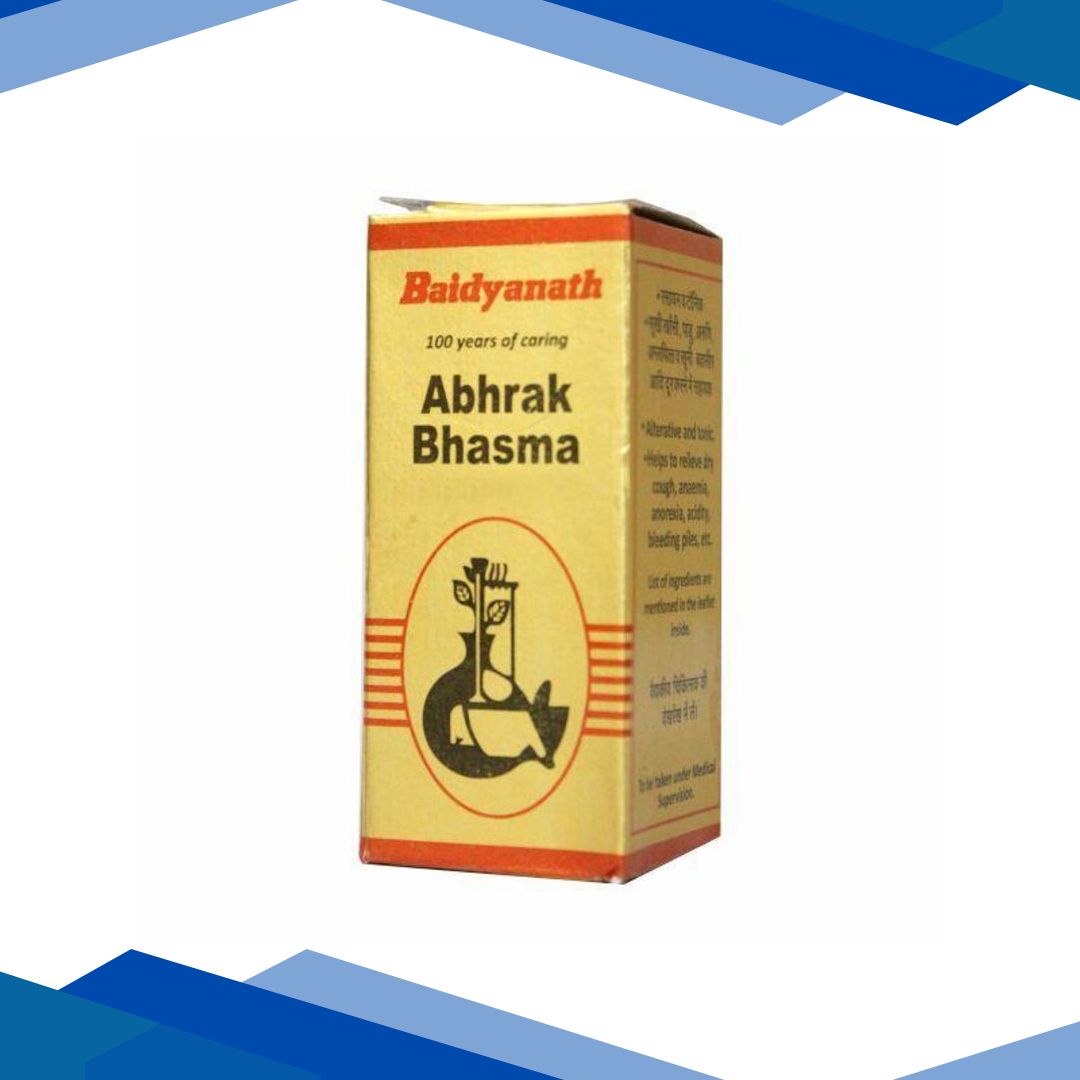
Baidyanath Abhrak Bhasma 5 gm
Baidyanath Abhrak Bhasma 5 is a combination medicine commonly used to help manage nerve-related pain and nerve damage, especially in conditions like diabetic neuropathy. It brings together ingredients that support nerve health in different ways: pregabalin helps reduce abnormal nerve pain signals, while alpha lipoic acid acts as an antioxidant that may protect nerves from damage. Mecobalamin, calcium L 5 methyltetrahydrofolate, and pyridoxal 5 phosphate are active forms of vitamins that help maintain healthy nerve function and support nerve repair. This medicine may help improve symptoms such as burning, tingling, numbness, and discomfort in the hands or feet. It should be used under medical supervision as part of an overall treatment plan.
Description
Baidyanath Abhrak Bhasma 5 is a combination medicine commonly used for nerve-related pain and nutritional support in people with peripheral neuropathy. it brings together a pain-modulating agent with vitamins and antioxidant support, which makes it useful in conditions where damaged nerves cause burning, tingling, numbness, electric-shock-like sensations, or discomfort in the hands and feet. this type of medicine is often prescribed when nerve irritation or long-standing metabolic issues have contributed to symptoms, especially in people with diabetes or vitamin deficiency-related neuropathy.
the combination works in multiple ways. pregabalin helps reduce the abnormal overactivity of damaged nerves and can lessen neuropathic pain and discomfort. alpha lipoic acid acts as an antioxidant and may help protect nerves from oxidative stress. calcium l 5 methyltetrahydrofolate, mecobalamin, and pyridoxal 5 phosphate are active forms of folate, vitamin b12, and vitamin b6 that support healthy nerve function, nerve repair processes, and red blood cell formation. because nerve problems may be influenced by both nerve damage and nutritional deficiency, this combination is designed to address symptoms while also helping correct underlying vitamin-related contributors.
this medicine is typically intended for adults who have symptoms of peripheral neuropathy, diabetic neuropathy, or other nerve-related discomfort where a clinician feels that both symptom control and nerve nourishment are appropriate. it is not a cure for the underlying cause of neuropathy, and benefits may develop gradually rather than immediately. it should be used under medical supervision, especially because pregabalin may cause drowsiness, dizziness, or coordination problems, and because the vitamin components should be used appropriately in patients with specific medical conditions.
it is important to understand that this product is supportive treatment, not a replacement for controlling the cause of nerve damage. for example, in diabetic neuropathy, blood sugar control remains essential. in vitamin-deficiency states, the cause of deficiency should be identified and corrected. this medicine may improve symptoms and support nerve health, but the overall treatment plan should be individualized by a healthcare professional.
ingredients
- alpha lipoic acid: alpha lipoic acid is a powerful antioxidant that helps neutralize free radicals and may reduce oxidative stress in damaged nerves. it is widely used in nerve-support formulations because it may help improve burning, tingling, and pain associated with neuropathy. it also supports energy metabolism within cells, which is important for nerve health.
- calcium l 5 methyltetrahydrofolate: this is an active form of folate, the biologically usable form of vitamin b9. it plays an important role in dna synthesis, cell division, and methylation processes. for nerve health, folate helps support normal nerve tissue function and red blood cell production, and it may be especially useful in people who may not convert standard folic acid efficiently.
- mecobalamin: mecobalamin is the active coenzyme form of vitamin b12. it is important for myelin formation, nerve repair, and proper nerve signal transmission. vitamin b12 deficiency can cause numbness, tingling, weakness, balance issues, and anemia, so mecobalamin is included to support nerve recovery and prevent deficiency-related complications.
- pregabalin: pregabalin is a nerve pain modulating medicine that reduces the release of certain pain-signaling chemicals in the nervous system. it is commonly used for neuropathic pain, including diabetic peripheral neuropathy and other nerve pain syndromes. it helps calm overactive nerve signals that cause pain, burning, and hypersensitivity.
- pyridoxal 5 phosphate: this is the active form of vitamin b6. it helps in neurotransmitter synthesis and amino acid metabolism and is important for normal nerve function. adequate vitamin b6 levels support healthy nerve signaling, although excessive intake of vitamin b6 over time can also cause nerve problems, so the dose and duration should be medically guided.
key uses
- peripheral neuropathy: this medicine is used to help relieve symptoms caused by damaged peripheral nerves, such as burning, tingling, numbness, and shooting pain in the limbs. the combination supports symptom control and nerve nourishment.
- diabetic neuropathy: it is commonly prescribed for nerve pain related to diabetes. pregabalin helps reduce pain signals, while the vitamin and antioxidant components may support nerve health in people with chronic metabolic nerve stress.
- nutritional nerve support: in people with low or borderline levels of b vitamins or folate, this combination may help restore nutrients needed for healthy nerve function and repair. it is not a substitute for treating a proven deficiency cause.
- neuropathic pain with burning or shooting sensations: the medicine can help reduce discomfort that arises from nerve irritation rather than from muscle or joint problems. this includes pain that may feel electric, stabbing, or persistent even without obvious injury.
- support during nerve recovery: in some patients, clinicians may use this combination to support healing when nerves have been affected by metabolic stress, alcohol-related damage, or other conditions where vitamin support is considered helpful.
how to use
use this medicine exactly as directed by your healthcare professional. it is generally taken by mouth, and the timing may depend on the specific formulation and your treatment plan. some people are advised to take it with food if stomach upset occurs, while others may be told to take it at a consistent time each day to maintain steady benefit. swallow the medicine as instructed and do not change the dose, frequency, or duration on your own, because pregabalin can cause sedation and dose adjustments may be needed based on response and tolerance.
if this medicine makes you sleepy or dizzy, it may be better tolerated in the evening, but only if your doctor agrees. avoid alcohol or other sedating substances when taking it unless your prescriber says it is safe. because the vitamin and antioxidant components are intended to support nerve function over time, improvement may take days to weeks, and sometimes longer. do not stop suddenly without medical advice, especially if pregabalin has been used regularly, as abrupt discontinuation can cause withdrawal-like symptoms or a return of pain.
safety information
- warnings: pregabalin may cause dizziness, sleepiness, blurred vision, slowed thinking, unsteadiness, or swelling in the feet and hands. use caution when driving, operating machinery, or doing tasks that require alertness. if you develop severe drowsiness, breathing difficulty, facial swelling, rash, or signs of allergic reaction, seek urgent medical help. people with kidney problems may need special monitoring because pregabalin is cleared through the kidneys.
- side effects: common side effects may include dizziness, drowsiness, fatigue, dry mouth, weight gain, swelling, blurred vision, nausea, constipation, or difficulty concentrating. less common but more serious effects may include mood changes, severe allergic reactions, trouble breathing, worsening depression, suicidal thoughts, unusual swelling, or severe skin reactions. vitamin-related side effects are less common at usual doses, but excessive or prolonged vitamin b6 intake can contribute to nerve symptoms.
- precautions: this medicine should be used cautiously in people with kidney disease, heart failure, breathing disorders, depression, a history of substance misuse, or balance problems. older adults may be more sensitive to dizziness and falls. people with known allergies to any component should avoid it. it should be used carefully in patients already taking multiple medicines that affect the nervous system.
- pregnancy/breastfeeding: safety in pregnancy and breastfeeding should be discussed with a doctor before use. pregabalin and the vitamin components may not be suitable for every patient, and the risk-benefit balance should be assessed individually. do not use during pregnancy or while breastfeeding unless a healthcare professional advises that the benefits outweigh the risks.
- interactions: alcohol and medicines that cause sedation, such as sleeping tablets, certain pain medicines, anti-anxiety medicines, and some antihistamines, can increase drowsiness and dizziness. antidiabetic medicines may need monitoring because improved appetite, sleepiness, or changes in routine can affect diabetes management. pregabalin may interact with other central nervous system depressants. always tell your doctor or pharmacist about all prescription medicines, over-the-counter products, and herbal supplements you use.
additional information
- storage: store in a cool, dry place away from direct sunlight, heat, and moisture. keep it in the original packaging if possible and out of reach of children and pets.
- missed dose: if you miss a dose, take it when you remember unless it is almost time for the next dose. if it is close to the next scheduled dose, skip the missed dose and continue as usual. do not double the dose to make up for a missed one.
- overdose: taking too much may cause severe drowsiness, confusion, dizziness, poor coordination, blurred vision, rapid heart rate, or difficulty breathing. in case of suspected overdose, seek emergency medical attention immediately or contact poison control right away. do not wait for symptoms to worsen.
- habit forming: not usually considered habit forming in the traditional sense, but pregabalin can be misused in some individuals and may cause dependence or withdrawal symptoms if stopped suddenly after regular use. use only as prescribed and do not share with others.
frequently asked questions
Q: what is Baidyanath Abhrak Bhasma 5 used for?
A: it is commonly used for neuropathic pain and nerve-related symptoms such as burning, tingling, numbness, and shooting pain. it also provides antioxidant and vitamin support that may help nerve health.
Q: how does this medicine help nerve pain?
A: pregabalin helps reduce overactive pain signaling in nerves, while alpha lipoic acid helps protect nerves from oxidative stress. the active vitamins support nerve repair and function, which may improve symptoms over time.
Q: can i take it on an empty stomach?
A: some people can take it with or without food, but if you experience stomach upset, taking it with food may help. follow your doctor? instructions and the directions on the label for best results.
Q: how long does it take to work?
A: some symptom relief may be noticed within days, especially from pregabalin, but full benefit from the nerve-supporting components may take longer. response varies depending on the cause and severity of neuropathy.
Q: will it make me sleepy?
A: it can. drowsiness and dizziness are common because pregabalin affects the nervous system. until you know how it affects you, avoid driving or activities that require alertness.
Q: can i drink alcohol while taking this medicine?
A: alcohol is generally not recommended because it can increase dizziness, drowsiness, and impaired coordination. it may also make side effects more difficult to manage.
Q: is this medicine safe for diabetic neuropathy?
A: it is commonly used for diabetic neuropathy, but it should be part of a broader treatment plan that includes diabetes control, foot care, and regular medical follow-up.
Q: can i stop taking it suddenly?
A: do not stop suddenly without medical advice, especially if you have been taking it regularly. pregabalin may need gradual discontinuation to reduce the risk of withdrawal symptoms or worsening pain.
Q: who should be extra careful with this medicine?
A: people with kidney disease, older adults, those with breathing problems, depression, balance issues, or a history of medication misuse should use extra caution and speak with a healthcare professional before starting.
Q: does it cure neuropathy?
A: no. it may help reduce symptoms and support nerve function, but it does not usually cure the underlying cause of neuropathy. treating the cause is still very important.
this information is for educational purposes only and should not be considered medical advice. always consult a qualified healthcare professional before use.
At Gem Pharmacy, we make every effort to provide accurate, expert-written, and thoroughly reviewed information related to medicines. However, this information should not be considered a substitute for professional medical advice, diagnosis, or treatment from a qualified doctor.
The purpose of this information is to educate users and improve communication between patients and healthcare professionals. It should not be used to diagnose or treat any condition.
Always consult a certified healthcare professional before taking any medication.


Related products

LDD Bioscience Digerite Syrup 115 ml

Goodcare Isabgol Powder 100 gm