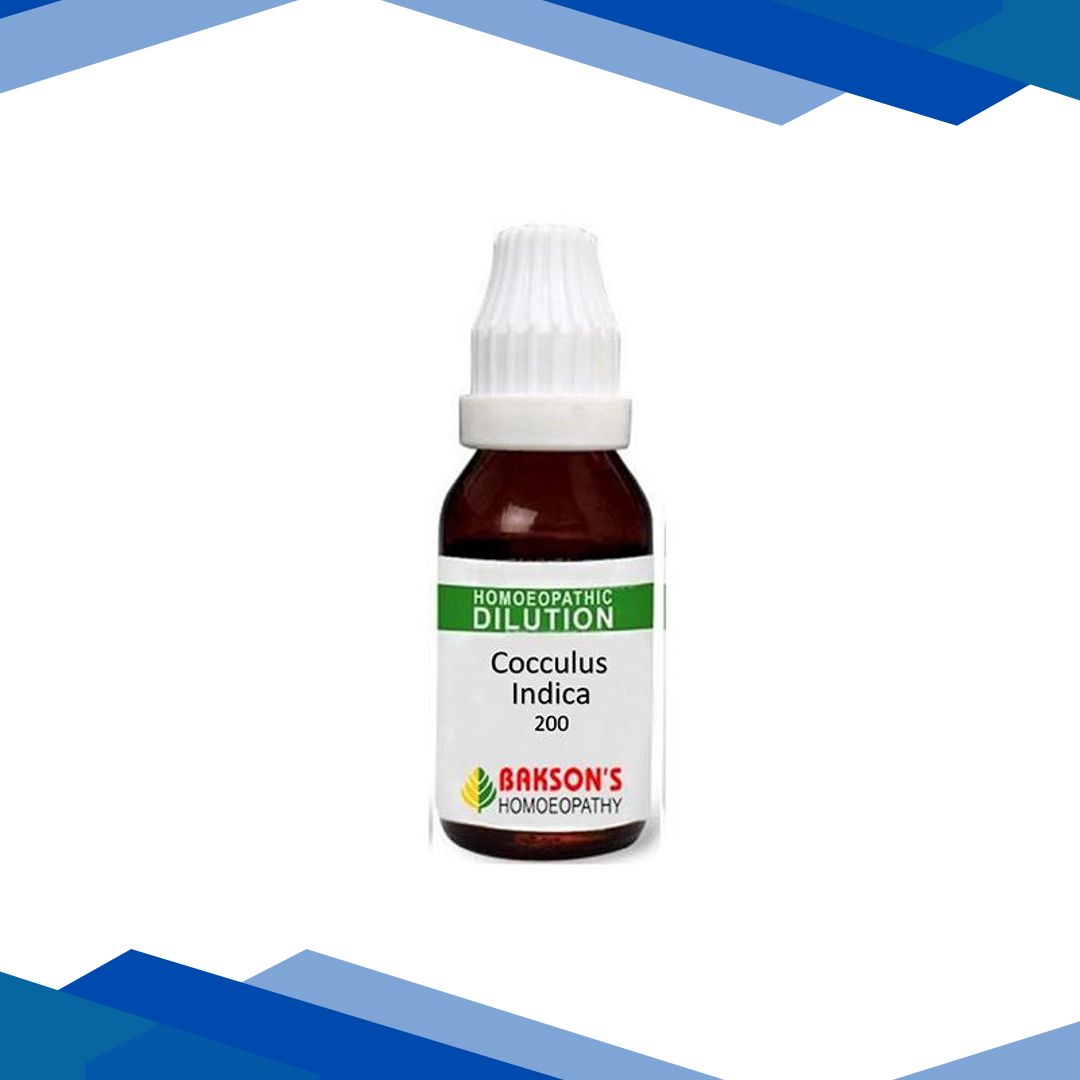
Bakson’s Cocculus Indica 200 CH Liquid 30 ml
Bakson’s Cocculus Indica 200 CH Liquid 30 is a combination medicine used to help remove extra salt and water from the body. It contains two diuretics that work together in different ways: hydrochlorothiazide helps the kidneys pass more sodium and water into the urine, while amiloride helps the body lose fluid without causing too much potassium loss. This combination is commonly used to treat high blood pressure and fluid retention, also called edema, which may happen in conditions such as heart, liver, or kidney problems. By reducing excess fluid, it can help lower blood pressure and relieve swelling. Because it can affect body salts and kidney function, it should be used under medical supervision.
Description
Bakson’s Cocculus Indica 200 CH Liquid 30 is a combination medicine used to help remove excess fluid from the body and to support blood pressure control. it brings together two diuretics, also called ?ater pills,?that work in different ways but complement each other. hydrochlorothiazide helps the kidneys get rid of extra salt and water, which lowers fluid buildup and reduces blood pressure. amiloride helps the body lose salt and water too, but unlike many other diuretics, it helps prevent the excessive loss of potassium. this is an important feature because some diuretics can lower potassium too much, which may lead to weakness, cramps, or heart rhythm problems.
this medicine is commonly used when a single diuretic is not enough or when a clinician wants to reduce the risk of potassium depletion. it is often prescribed for people with high blood pressure, swelling due to fluid retention, or certain medical conditions where the body retains too much fluid. by promoting the excretion of sodium and water while conserving potassium, the combination offers a practical balance for selected patients. however, it is not suitable for everyone and should be used with careful medical monitoring, especially because it can affect kidney function, electrolytes, and blood pressure.
Bakson’s Cocculus Indica 200 CH Liquid 30 works best when taken exactly as advised by a healthcare professional, along with regular monitoring of blood pressure, kidney function, and blood electrolyte levels. the medicine does not cure the underlying cause of hypertension or edema, but it helps control symptoms and reduces complications related to fluid overload or persistent high blood pressure. because the two ingredients can influence fluid and mineral balance, the medicine should be used cautiously in people with kidney disease, diabetes, heart disease, gout, or a history of abnormal potassium levels.
overall, this combination is for patients who need the benefits of a diuretic but also need protection against potassium loss. it is a valuable treatment option, but it requires careful use, awareness of side effects, and routine follow-up. if symptoms such as severe dizziness, muscle weakness, palpitations, reduced urination, or persistent vomiting occur, medical advice should be sought promptly.
ingredients
- amiloride: amiloride is a potassium-sparing diuretic. it works in the kidney? collecting ducts by blocking sodium channels, which reduces sodium reabsorption and decreases water retention. its major benefit in this combination is that it helps prevent potassium loss, making the overall treatment safer for patients who may otherwise develop low potassium from diuretic therapy.
- hydrochlorothiazide: hydrochlorothiazide is a thiazide diuretic. it acts earlier in the kidney? tubules to increase the removal of salt and water from the body. this reduces swelling and helps lower blood pressure. it is effective for fluid control, but by itself it may lower potassium levels, which is why combining it with amiloride can be useful in selected patients.
key uses
- high blood pressure (hypertension): the medicine helps lower blood pressure by reducing excess fluid in the bloodstream and decreasing the amount of work the heart must do. this can help reduce the long-term risk of stroke, heart attack, and kidney damage when used as part of a treatment plan.
- fluid retention (edema): it is used to reduce swelling caused by conditions that lead to fluid buildup in the body. this may include swelling in the legs, ankles, or abdomen, depending on the underlying condition and the clinician? judgment.
- prevention of potassium loss during diuretic therapy: the amiloride component helps counteract potassium depletion, which is a common concern with thiazide diuretics. this can be especially important in patients who have experienced low potassium before or who are at risk of electrolyte imbalance.
- supportive treatment in selected cardiovascular or renal conditions: in some patients, healthcare professionals may use this combination when fluid balance needs to be managed carefully. the exact use depends on the patient? overall medical condition, kidney function, and laboratory results.
how to use
Bakson’s Cocculus Indica 200 CH Liquid 30 should be used only as directed by a healthcare professional. it is usually taken by mouth, often in the morning so that increased urination does not disturb sleep. in some cases, a second dose may be recommended earlier in the day depending on the patient? response, but the exact schedule should always follow medical advice. it may be taken with or without food unless the prescriber gives specific instructions.
while using this medicine, it is important to follow a consistent routine and avoid taking extra doses. because the medicine affects fluid and electrolyte levels, your clinician may recommend periodic blood tests to check potassium, sodium, magnesium, kidney function, and sometimes uric acid or blood sugar. drinking enough fluids is generally important, but overhydration should also be avoided if your doctor has advised fluid restriction for another condition. do not stop the medicine suddenly without medical guidance, especially if it is being used to control blood pressure or swelling.
if you are also taking other medications for blood pressure, heart disease, diabetes, or pain relief, your healthcare professional may need to adjust your regimen to prevent interactions or excessive changes in blood pressure and electrolytes. if you feel lightheaded when standing, rising slowly from sitting or lying down may help reduce symptoms. any ongoing concerns, such as persistent dizziness, muscle cramps, or unusually low urine output, should be reported to a medical professional.
safety information
- warnings: this medicine can cause dehydration, low blood pressure, or electrolyte disturbances if the body loses too much fluid or if kidney function is reduced. because it contains a potassium-sparing component, it can also cause high potassium levels, which may be dangerous and can affect the heart. regular monitoring is important, especially when treatment is started or adjusted.
- side effects: common side effects may include dizziness, headache, increased urination, nausea, stomach upset, fatigue, and mild dehydration. some people may notice muscle cramps, dry mouth, or weakness. serious side effects can include severe dehydration, fainting, kidney problems, high potassium levels, irregular heartbeat, severe allergic reaction, or significant changes in blood pressure.
- precautions: use cautiously in people with kidney disease, liver disease, diabetes, gout, electrolyte abnormalities, or a history of high potassium. it may not be appropriate for patients who are unable to produce enough urine or who are severely dehydrated. extra caution is needed in older adults, who may be more sensitive to blood pressure drops and fluid loss.
- pregnancy/breastfeeding: use during pregnancy should be discussed with a healthcare professional because diuretics are not always recommended unless clearly needed. they may affect maternal fluid balance and should be used only when the expected benefit outweighs the risk. during breastfeeding, small amounts may pass into breast milk, and the medicine may affect milk production or the infant? fluid and electrolyte balance. medical advice is essential.
- interactions: this medicine may interact with potassium supplements, salt substitutes containing potassium, ace inhibitors, arbs, nsaids, lithium, and other blood pressure medicines. these combinations can increase the risk of high potassium, kidney problems, or excessive blood pressure lowering. alcohol may increase dizziness and lightheadedness. tell your healthcare professional about all prescription drugs, over-the-counter products, and herbal supplements you use.
additional information
- storage: store at room temperature in a dry place, away from excessive heat, moisture, and direct sunlight. keep the container tightly closed and out of reach of children and pets. do not store in a bathroom unless advised otherwise by the product label.
- missed dose: if you miss a dose, take it when you remember unless it is close to the time for your next scheduled dose. if it is nearly time for the next dose, skip the missed dose and return to your regular schedule. do not take extra medicine to make up for a missed dose.
- overdose: an overdose may cause severe dizziness, marked dehydration, confusion, muscle weakness, fainting, dangerously low blood pressure, or serious electrolyte imbalance, including high or low potassium. if overdose is suspected, seek emergency medical help or contact poison control immediately. do not wait for symptoms to become severe.
- habit forming: no. Bakson’s Cocculus Indica 200 CH Liquid 30 is not considered habit forming or addictive. however, it should still be used responsibly and only as prescribed because abrupt misuse can lead to serious changes in fluid balance and blood pressure.
frequently asked questions
Q: what is Bakson's Cocculus Indica 200 CH Liquid 30 used for?
A: it is commonly used to treat high blood pressure and fluid retention. the combination also helps reduce potassium loss that can happen with some diuretics.
Q: how does this medicine work in the body?
A: it works by helping the kidneys remove extra salt and water. hydrochlorothiazide promotes fluid loss, while amiloride helps conserve potassium and balance the overall diuretic effect.
Q: can Bakson's Cocculus Indica 200 CH Liquid 30 cause dehydration?
A: yes. like other diuretics, it can lead to dehydration if too much fluid is lost. symptoms may include dry mouth, dizziness, weakness, or reduced urination, and these should be reported to a healthcare professional.
Q: why is potassium monitoring important with this medicine?
A: the medicine can either help prevent potassium loss or, in some cases, lead to high potassium, especially in people with kidney problems or those taking certain interacting medicines. blood tests are often needed to keep levels safe.
Q: can i take potassium supplements while using this medicine?
A: only if your healthcare professional tells you to. potassium supplements or potassium-containing salt substitutes can increase the risk of dangerously high potassium levels when combined with amiloride.
Q: does this medicine make you urinate more often?
A: yes, increased urination is a common effect because it helps the body remove extra fluid. for that reason, it is often taken earlier in the day to reduce nighttime bathroom trips.
Q: what should i do if i feel dizzy after taking it?
A: dizziness may happen because blood pressure drops or fluid levels change. sit or lie down, rise slowly from sitting, and contact a healthcare professional if it happens repeatedly or is severe.
Q: is this medicine safe for people with kidney disease?
A: it may not be suitable for all people with kidney disease because it can worsen kidney function or cause potassium imbalance. a doctor should assess kidney health before and during treatment.
Q: can i drink alcohol while taking this medicine?
A: alcohol can increase dizziness and lightheadedness, especially when standing up. it is best to limit alcohol and ask a healthcare professional about what is safe for your situation.
Q: how soon does the medicine work?
A: the diuretic effect may begin relatively soon after taking it, but blood pressure benefits can take time and may be seen more clearly with regular use. individual response can vary.
Q: should i stop taking it if i feel better?
A: no, do not stop without medical guidance. high blood pressure and fluid retention may return if treatment is stopped abruptly, even if you feel well.
Q: what are signs of high potassium?
A: possible signs include muscle weakness, unusual tiredness, tingling, slow heartbeat, or palpitations. high potassium can be serious, so medical evaluation is important if these symptoms occur.
this information is for educational purposes only and should not be considered medical advice. always consult a qualified healthcare professional before use.
At Gem Pharmacy, we make every effort to provide accurate, expert-written, and thoroughly reviewed information related to medicines. However, this information should not be considered a substitute for professional medical advice, diagnosis, or treatment from a qualified doctor.
The purpose of this information is to educate users and improve communication between patients and healthcare professionals. It should not be used to diagnose or treat any condition.
Always consult a certified healthcare professional before taking any medication.


Related products
Bakson’s Gelsemium Sempervirens 30 CH Liquid 30 ml
Bakson’s Wiesbaden 200 CH Liquid 30 ml
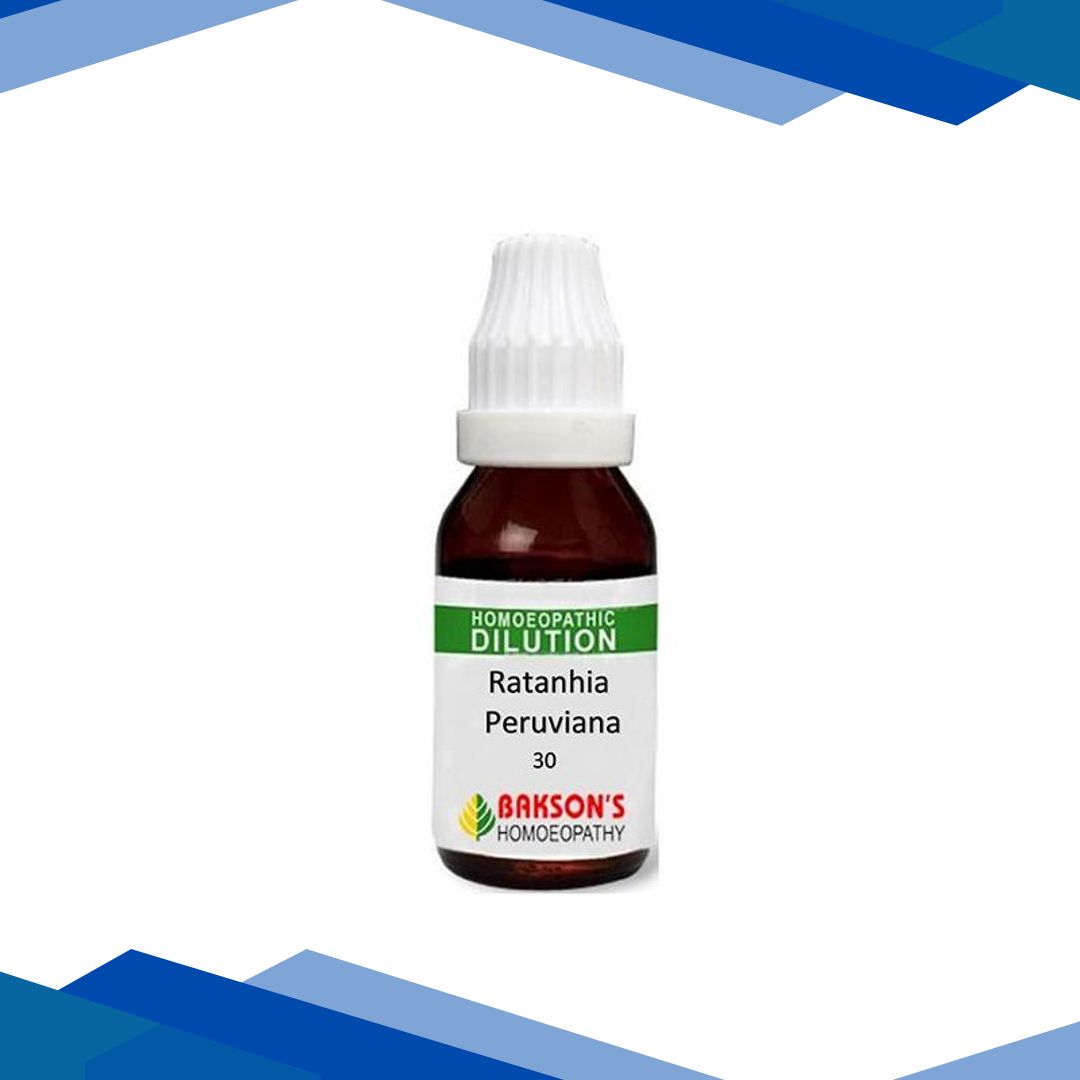
Bakson’s Ratanhia 30 CH Liquid 30 ml