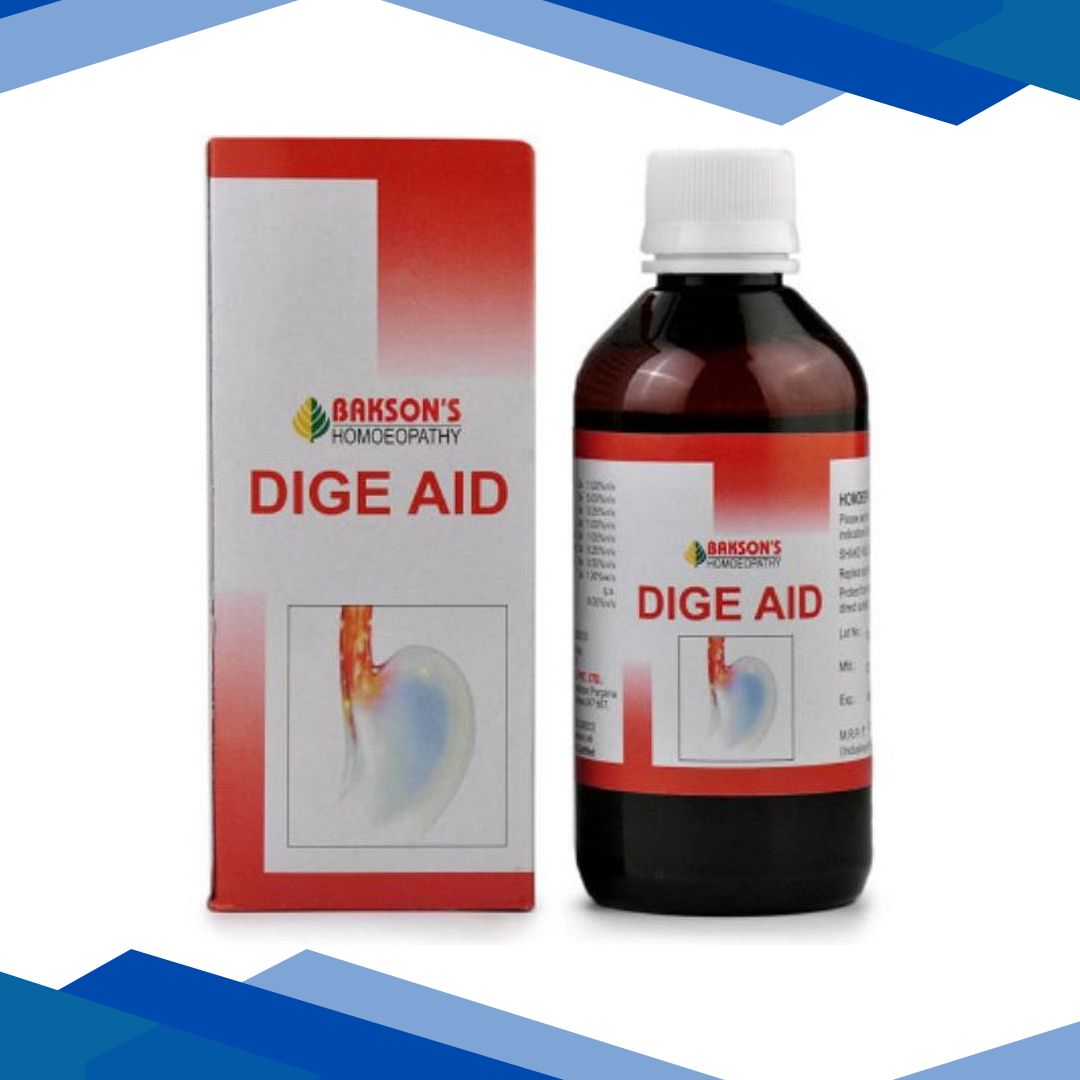
Bakson’s Dige Aid Syrup 115ml
Bakson’s Dige Aid Syrup is a prescription medicine used to help treat opioid dependence as part of a supervised recovery program. It combines two medicines: buprenorphine, which partially activates opioid receptors to reduce cravings and withdrawal symptoms, and naloxone, which helps discourage misuse by blocking the effects of opioids if the medicine is misused. Together, they can make it easier for people with opioid use disorder to stop using other opioids and stay in treatment. This medicine is usually used along with counseling and other support services for the best results. It should only be taken under medical supervision, because it can still cause side effects and may be harmful if used incorrectly. It is not meant for casual pain relief or self-treatment.
Description
Bakson’s Dige Aid Syrup is a prescription medicine used mainly in the treatment of opioid dependence. it combines two active ingredients that work together to help reduce opioid cravings, ease withdrawal symptoms, and lower the risk of misuse. this medicine is commonly used as part of a broader treatment plan that includes counseling, monitoring, and long-term recovery support. it is not a simple pain reliever and should only be used under the supervision of a healthcare professional familiar with opioid use disorder treatment.
buprenorphine is the main therapeutic component. it is a partial opioid agonist, which means it activates opioid receptors in the brain, but less strongly than full opioids such as heroin, morphine, or oxycodone. this helps reduce withdrawal symptoms and cravings without producing the same level of opioid effect. because it binds strongly to opioid receptors, it can also block other opioids from attaching, which may reduce the effect of illicit or non-prescribed opioids if they are used.
naloxone is added to help discourage misuse. when the medicine is taken as directed, especially under the tongue or as prescribed, naloxone has very low absorption and usually has little effect. however, if someone tries to inject the medicine, naloxone becomes active and can trigger sudden withdrawal symptoms. this design helps lower the risk of abuse and diversion. Bakson’s Dige Aid Syrup is therefore often used in people who are ready to reduce or stop illicit opioid use and need a safer, medically supervised option for maintenance or stabilization.
this medicine is for adults and, in some cases, adolescents or special populations only when a clinician determines it is appropriate. it is not intended for casual use, self-treatment, or occasional pain relief. treatment is usually individualized, and the exact form, schedule, and duration depend on the person? medical history, current opioid use, withdrawal status, and response to therapy.
ingredients
- buprenorphine: the primary active ingredient that helps control opioid withdrawal symptoms and cravings. as a partial opioid agonist, it provides enough opioid receptor activity to reduce discomfort and support recovery, but it has a ceiling effect that lowers the risk of severe respiratory depression compared with full opioids. it also helps stabilize patients so they can focus on rehabilitation and daily functioning.
- naloxone: the second active ingredient added mainly as a misuse-deterrent component. naloxone is an opioid antagonist, meaning it blocks opioid receptors. when taken correctly, it has minimal effect because it is poorly absorbed in that route. if injected or misused, it can rapidly reverse opioid activity and may precipitate withdrawal, which helps discourage improper use.
- inactive ingredients: depending on the brand or formulation, tablets or films may contain excipients such as flavoring agents, sweeteners, polymers, fillers, and stabilizers. these ingredients do not provide therapeutic effects but help with stability, taste, consistency, and proper absorption of the product.
key uses
- treatment of opioid use disorder: Bakson’s Dige Aid Syrup is used to help people stop or reduce misuse of opioids. it can decrease cravings and withdrawal symptoms, making it easier to remain in treatment and avoid relapse.
- maintenance therapy after withdrawal stabilization: once the initial withdrawal phase is managed, this medicine may be continued for ongoing support. maintenance treatment can reduce the risk of returning to illicit opioid use and help patients achieve more stable daily functioning.
- prevention of misuse and diversion: the naloxone component is included to discourage injection or non-prescribed use. this makes the combination preferable in many patients who need a controlled, supervised medication for opioid dependence.
- support in recovery programs: the medicine is often used alongside counseling, behavioral therapy, peer support, and medical follow-up. it supports recovery by reducing the physical urge to use opioids while the person addresses underlying dependence.
how to use
Bakson’s Dige Aid Syrup should be used exactly as prescribed by a healthcare professional. it is commonly taken as a sublingual tablet or film that is placed under the tongue, or in some formulations, against the inside of the cheek, where it dissolves and is absorbed through the lining of the mouth. it should not be chewed, swallowed whole, crushed, or injected unless a specific formulation and method are prescribed and clearly explained by the clinician.
the medicine is usually started only after early opioid withdrawal has begun. starting it too soon after taking full opioid agonists may cause sudden, severe withdrawal symptoms because buprenorphine can displace other opioids from receptors. for this reason, timing matters, and the prescriber will guide when the first dose should be taken. the treatment plan may involve an initial stabilization phase followed by a maintenance phase, with follow-up visits to assess response, side effects, cravings, and overall recovery progress.
during use, patients should avoid alcohol and other sedating substances, and they should inform the prescriber about all medicines they take. regular monitoring is important, especially during the early stages of therapy or when doses are being adjusted. if the prescribed form is a film, hands should be dry before handling, and the film should be allowed to dissolve fully without talking, eating, or drinking until absorption is complete, if instructed by the prescriber.
safety information
- warnings: Bakson’s Dige Aid Syrup can cause serious breathing problems, especially when combined with alcohol, benzodiazepines, sleep medicines, or other sedatives. it should not be used with additional opioids unless specifically directed by a clinician. misuse by injection can cause withdrawal, infection risk, and other complications. treatment should be supervised because stopping suddenly may lead to withdrawal symptoms and relapse risk.
- side effects: common side effects may include headache, nausea, constipation, sweating, dizziness, tiredness, trouble sleeping, dry mouth, and mild abdominal discomfort. some people may also experience anxiety, irritability, or changes in mood. serious side effects can include slowed or difficult breathing, severe drowsiness, allergic reactions, liver problems, confusion, fainting, or signs of opioid withdrawal if the medicine is started too early or used incorrectly.
- precautions: people with breathing disorders, severe liver disease, head injury, low blood pressure, seizure disorders, or a history of substance misuse should use this medicine only with close medical supervision. it may not be suitable for individuals who are severely intoxicated, have not yet entered withdrawal, or cannot follow prescribed instructions safely. extra caution is needed in older adults and in patients taking multiple central nervous system depressants.
- pregnancy/breastfeeding: use during pregnancy or breastfeeding should be discussed with a healthcare professional. in some cases, buprenorphine-based treatment may be preferred over continued illicit opioid use because it offers a more controlled option for maternal stability. however, the newborn may still experience neonatal opioid withdrawal after birth. the medicine can pass into breast milk, so clinicians should weigh benefits and risks carefully.
- interactions: alcohol, benzodiazepines, barbiturates, sedating antihistamines, muscle relaxants, certain antipsychotics, and other opioids can increase sedation and breathing risk. medicines that affect liver enzymes may alter buprenorphine levels. the combination may also interact with some antidepressants and migraine medicines, increasing the risk of serotonin-related side effects in rare cases. always provide a full medication list, including over-the-counter products and herbal supplements.
additional information
- storage: store this medicine at room temperature in a dry place, away from moisture, heat, and direct light. keep it in its original packaging until use, and store it securely out of reach of children, pets, and anyone for whom it was not prescribed. because it is an opioid-containing medicine, safe storage is especially important.
- missed dose: if a dose is missed, take it as soon as remembered if it is still appropriate to do so. if it is almost time for the next dose, skip the missed dose and return to the usual schedule. do not take extra medicine to make up for a missed dose. if missed doses happen often, speak with the prescribing clinician, as treatment adherence may need review.
- overdose: overdose may cause extreme sleepiness, very slow breathing, pinpoint pupils, confusion, loss of consciousness, or coma. the risk increases when the medicine is mixed with alcohol, sedatives, or other opioids. if overdose is suspected, call emergency services immediately. if naloxone rescue medication is available and the person is unresponsive or breathing poorly, administer it according to emergency instructions while waiting for urgent medical help.
- habit forming: yes, this medicine can be habit-forming because it contains buprenorphine, an opioid. however, when used correctly in a medically supervised treatment program, it is an evidence-based therapy for opioid use disorder and can help reduce harmful opioid use. physical dependence can develop, so it should not be stopped suddenly without medical guidance.
frequently asked questions
Q: what is Bakson's Dige Aid Syrup used for?
A: it is mainly used to treat opioid use disorder. it helps reduce cravings and withdrawal symptoms and supports recovery when used as part of a supervised treatment plan.
Q: how does Bakson's Dige Aid Syrup work?
A: buprenorphine partially activates opioid receptors to ease withdrawal and cravings, while naloxone helps deter misuse by causing withdrawal if the medicine is injected.
Q: can i take Bakson's Dige Aid Syrup with alcohol?
A: it is not recommended. alcohol can increase drowsiness, breathing problems, and the risk of serious harm when combined with this medicine.
Q: will Bakson's Dige Aid Syrup make me feel high?
A: when used correctly, it is intended to reduce withdrawal and cravings rather than produce a strong high. misuse, especially with other substances, can still be dangerous.
Q: can this medicine be stopped suddenly?
A: stopping suddenly is not recommended because it may cause withdrawal symptoms and increase relapse risk. any change should be guided by a healthcare professional.
Q: what should i do if i feel very sleepy after taking it?
A: severe sleepiness can be a warning sign, especially if you also took alcohol or sedatives. seek medical advice promptly, and call emergency services if breathing is slow or difficult.
Q: is Bakson's Dige Aid Syrup safe during pregnancy?
A: it may be used in pregnancy in some cases under specialist guidance, but the benefits and risks must be carefully evaluated. do not start or stop it without medical supervision.
Q: can i drive after taking Bakson's Dige Aid Syrup?
A: it may cause dizziness or drowsiness, especially when starting treatment or changing dose. avoid driving or operating machinery until you know how it affects you.
Q: what happens if i take it too soon after another opioid?
A: taking it too early can trigger sudden withdrawal because buprenorphine can displace other opioids from receptors. medical guidance on timing is very important.
Q: why is naloxone included if the medicine is taken under the tongue?
A: naloxone is included mainly to discourage injection misuse. when used as directed, it is minimally absorbed and does not usually interfere with the treatment effect.
Q: can i take over-the-counter cold medicines with this treatment?
A: some cold medicines can cause drowsiness or interact with this therapy. check with a healthcare professional or pharmacist before combining medicines.
Q: does this medicine cause constipation?
A: yes, constipation is a common side effect with opioid-based medicines. drinking enough fluids, eating fiber, and discussing stool management with a clinician may help.
this information is for educational purposes only and should not be considered medical advice. always consult a qualified healthcare professional before use.
At Gem Pharmacy, we make every effort to provide accurate, expert-written, and thoroughly reviewed information related to medicines. However, this information should not be considered a substitute for professional medical advice, diagnosis, or treatment from a qualified doctor.
The purpose of this information is to educate users and improve communication between patients and healthcare professionals. It should not be used to diagnose or treat any condition.
Always consult a certified healthcare professional before taking any medication.


Related products
Cipzer Raughan E Darchini 20 ml
Doliosis Brainol Syrup 120 ml