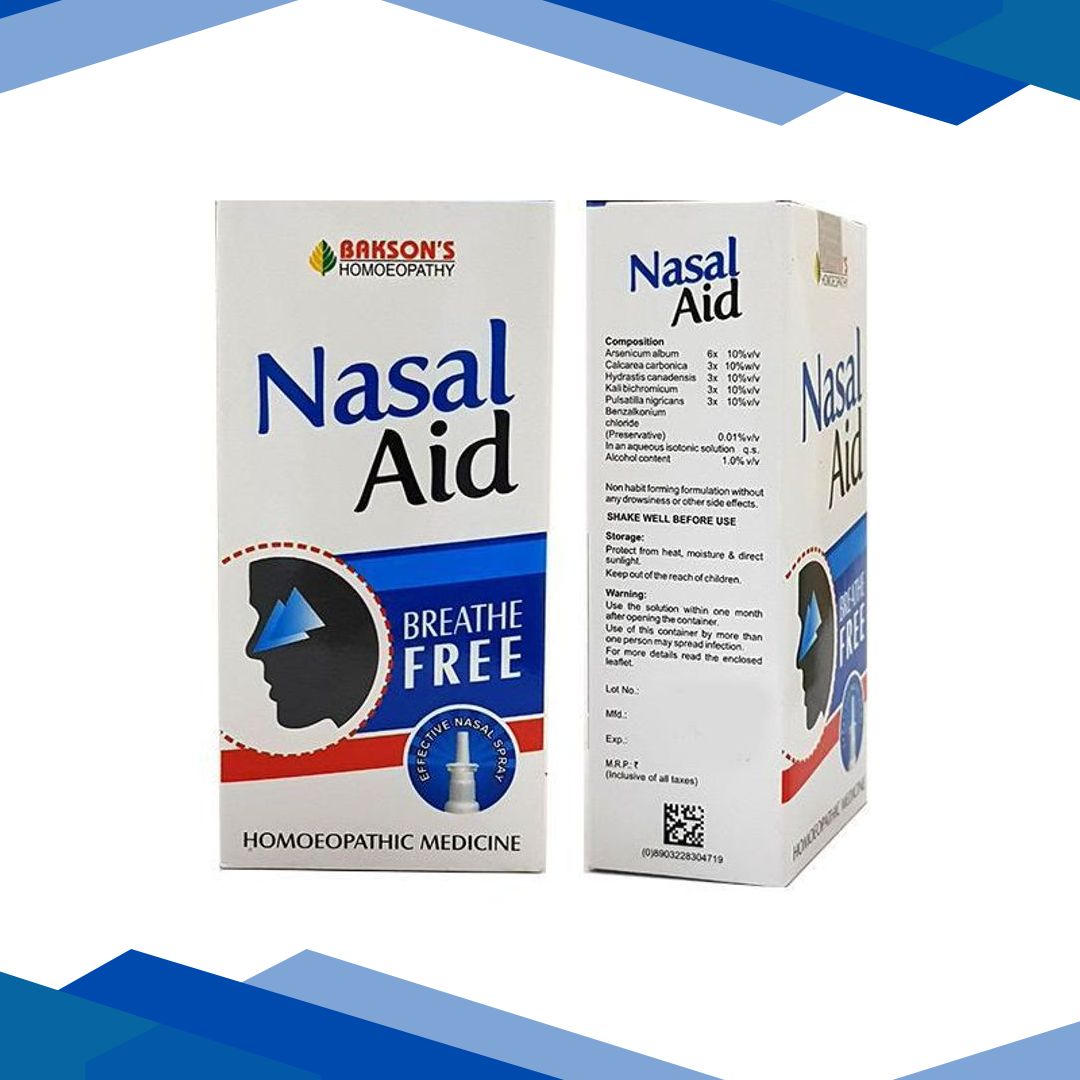
Bakson’s Nasal Aid Spray 10 ml
Bakson’s Nasal Aid Spray 10 is an eye medicine used to help relieve dryness, irritation, and discomfort caused by reduced tear film or minor eye strain. Hypromellose acts as a lubricating and moisturizing agent, helping to keep the eye surface moist and comfortable. Benzalkonium helps support the formulation? antiseptic and preservative effect, which can help maintain the product? stability during use. This medicine is commonly used for dry eyes, burning, grittiness, and mild eye irritation related to environmental factors such as wind, dust, prolonged screen time, or contact lens discomfort. It works by coating the eye surface and reducing friction, which helps protect the eyes and improve comfort. It should be used as advised by a healthcare professional, especially if symptoms persist or worsen.
Description
Bakson’s Nasal Aid Spray 10 is an eye-care combination commonly used to help relieve dryness, irritation, and discomfort of the eyes. it is generally found in ophthalmic preparations designed to soothe the surface of the eye and support the natural tear film. hypromellose acts as a lubricating and moisturizing agent, while benzalkonium is commonly included as an antimicrobial preservative in multi-dose eye products. together, they help maintain comfort and product stability when used in appropriate eye-care formulations.
this medicine is often recommended for people who experience eye dryness due to prolonged screen time, reading, exposure to air-conditioning or wind, aging, environmental irritation, contact lens use, or reduced tear production. dry eyes can lead to burning, stinging, scratchiness, redness, foreign-body sensation, and blurred vision that improves with blinking. by coating the eye surface with a protective, soothing layer, this combination can reduce friction and improve comfort during daily activities.
hypromellose works by increasing the thickness and stability of the tear film, helping the eye retain moisture for longer periods. it does not treat the underlying cause of severe dry eye in all cases, but it can significantly improve symptoms and support the corneal surface. benzalkonium, when used in ophthalmic products, helps prevent microbial contamination of the bottle and contents, which is important in multi-use containers. however, because benzalkonium preservatives may irritate the eye in some people, especially with frequent or long-term use, product selection and proper use should be guided by a healthcare professional when symptoms persist.
overall, Bakson’s Nasal Aid Spray 10 is intended for symptomatic relief and surface protection, not for curing serious eye disease. it may be useful for temporary dryness and mild irritation, but persistent pain, sudden visual changes, discharge, light sensitivity, or worsening redness should be evaluated promptly by an eye-care specialist, as these can indicate infection, injury, allergic inflammation, or another condition that needs specific treatment.
ingredients
- benzalkonium: in ophthalmic formulations, benzalkonium is commonly used as a preservative. its main role is to reduce the risk of contamination in multi-dose eye products by inhibiting the growth of certain microorganisms. this helps keep the solution safer to use between openings. in some people, however, benzalkonium can irritate the eye surface, particularly with frequent or prolonged use, and it may be less suitable for those with highly sensitive eyes or significant dry-eye disease.
- hypromellose: hypromellose is a lubricating and hydrating agent that helps mimic the natural tear film. it forms a thin protective layer over the eye surface, reducing friction and improving moisture retention. this can ease burning, dryness, grittiness, and irritation. it is widely used in artificial tear products because it is gentle, supportive, and effective for temporary symptom relief.
key uses
- relief of dry eyes: helps soothe dryness caused by reduced tear production or increased tear evaporation. it can make the eye surface feel more comfortable and less irritated.
- temporary relief of burning and stinging: useful when the eye surface feels irritated from environmental factors such as wind, dust, smoke, air-conditioning, or prolonged screen use.
- reduction of scratchy or gritty sensation: lubrication can lessen the feeling that ?omething is in the eye,?which is common in mild dry eye states.
- support for eye surface lubrication: helps protect the corneal and conjunctival surface by improving the tear film, which can reduce friction during blinking.
- comfort during contact lens-related dryness, if advised by a clinician: some formulations may be used to ease dryness associated with lenses, but this depends on the specific product and medical guidance.
how to use
use Bakson’s Nasal Aid Spray 10 exactly as directed by your healthcare professional or the product label. it is typically used as eye drops. before applying, wash your hands thoroughly and avoid touching the dropper tip to your eye, eyelids, fingers, or any other surface. tilt your head back gently, pull down the lower eyelid to create a small pocket, and instill the recommended number of drops into the eye. close the eye gently for a short time after application to allow the medicine to spread over the surface.
if you wear contact lenses, ask your healthcare professional whether you should remove them before use and how long to wait before reinserting them. many eye drops containing preservatives should not be used while lenses are in place unless specifically advised. if you are using other eye medications, allow some time between products so the drops do not wash each other out. in general, thicker formulations or ointments are often used last, but follow the instructions you have been given.
do not use more frequently or for longer than recommended unless a clinician advises it. overuse of lubricating eye drops, especially preservative-containing products, may sometimes worsen irritation in sensitive users. if symptoms do not improve within a reasonable time, or if they recur often, seek medical advice to determine whether an underlying condition such as allergy, blepharitis, meibomian gland dysfunction, infection, or another eye disorder is present.
safety information
- warnings: do not use if you are allergic to benzalkonium, hypromellose, or any ingredients in the product. avoid touching the dropper tip to the eye to prevent contamination. if you develop significant pain, marked redness, light sensitivity, swelling, discharge, or sudden vision changes, stop use and seek medical attention promptly. if the product becomes cloudy, discolored, or contaminated, do not use it.
- side effects: common side effects may include mild temporary burning, stinging, blurred vision right after application, eye redness, or slight irritation. less common but more serious effects can include allergic reactions, worsening redness, eyelid swelling, persistent discomfort, or signs of eye infection. some people may experience increased sensitivity or worsening dryness with frequent preservative exposure.
- precautions: use caution if you have chronic dry eye, corneal disease, prior eye surgery, glaucoma, or a history of sensitivity to preservatives. people who use eye drops often throughout the day may need preservative-free options if irritation develops. if you have reduced ability to blink or conditions that affect the eye surface, speak with an eye-care professional before routine use.
- pregnancy/breastfeeding: ophthalmic lubricants are generally considered to have low systemic absorption, but safety should still be individualized. if you are pregnant, planning pregnancy, or breastfeeding, consult a healthcare professional before use, especially if you need frequent or long-term treatment.
- interactions: drug interactions are generally limited because the medicine is used locally in the eye. however, using multiple eye products together can reduce effectiveness if not spaced properly. alcohol does not usually interact directly with eye drops, but dehydration from alcohol may contribute to dryness in some people. tell your clinician about all eye medications, including prescription drops, over-the-counter lubricants, and contact lens solutions.
additional information
- storage: store at room temperature unless the label says otherwise. keep the bottle tightly closed and protect it from contamination, excessive heat, and direct sunlight. do not freeze unless specifically instructed. keep out of reach of children. once opened, many eye drops should be discarded after the period recommended on the label or by a pharmacist.
- missed dose: since this medicine is generally used as needed for symptom relief, a missed dose is usually not a concern. if you are using it on a schedule recommended by a clinician, apply it when you remember unless it is almost time for the next dose. do not double the amount to make up for a missed application.
- overdose: excessive use is unlikely to cause severe systemic toxicity when used as eye drops, but overuse may lead to more irritation, blurred vision, or discomfort. if a large amount is accidentally swallowed or if severe eye irritation occurs after overuse, seek medical advice or contact poison control or emergency services as appropriate.
- habit forming: no. Bakson’s Nasal Aid Spray 10 is not habit forming or addictive. however, frequent reliance on eye drops may signal an untreated underlying eye condition that should be evaluated.
frequently asked questions
Q: what is Bakson's Nasal Aid Spray 10 used for?
A: it is used to relieve dry eye symptoms such as burning, stinging, grittiness, and irritation by lubricating and moisturizing the eye surface.
Q: how does Bakson's Nasal Aid Spray 10 work?
A: hypromellose forms a soothing lubricating layer over the eye, while benzalkonium helps preserve the product by reducing contamination in multi-dose containers.
Q: can i use Bakson's Nasal Aid Spray 10 every day?
A: some people use lubricating eye drops regularly, but frequent or long-term use should be guided by a healthcare professional, especially if irritation continues or preservative sensitivity is suspected.
Q: will it blur my vision?
A: mild temporary blurred vision can occur right after use as the drop spreads over the eye. this usually settles quickly, but avoid driving until your vision is clear.
Q: is it safe for contact lens users?
A: it depends on the specific product and your eye condition. some preservative-containing drops are not recommended while lenses are in place. ask your pharmacist or eye doctor for advice.
Q: what should i do if my eye feels worse after using it?
A: stop using the product and seek medical advice if you notice worsening redness, pain, swelling, discharge, light sensitivity, or persistent irritation.
Q: can i use it with other eye medicines?
A: often yes, but different eye products should usually be spaced apart so they do not wash each other out. ask your healthcare professional for the correct order and timing.
Q: does this medicine treat eye infections?
A: no. it is primarily a lubricating product for dryness and irritation. it does not replace antibiotics or other specific treatments for infections.
Q: is it safe during pregnancy?
A: eye lubricants are usually low-risk because they act locally, but you should still consult your healthcare professional before use during pregnancy or breastfeeding.
Q: when should i see a doctor?
A: see a doctor if symptoms persist, become severe, are associated with discharge or light sensitivity, or if you experience sudden vision changes or eye pain.
[/faqs_dbm]
this information is for educational purposes only and should not be considered medical advice. always consult a qualified healthcare professional before use.
At Gem Pharmacy, we make every effort to provide accurate, expert-written, and thoroughly reviewed information related to medicines. However, this information should not be considered a substitute for professional medical advice, diagnosis, or treatment from a qualified doctor.
The purpose of this information is to educate users and improve communication between patients and healthcare professionals. It should not be used to diagnose or treat any condition.
Always consult a certified healthcare professional before taking any medication.


Related products
Skore Pheromone Activating Spray – Eros For Him 150 ml
Boroline’s Suthol Active Antiseptic Skin Hygiene Spray – Chandan 100 ml