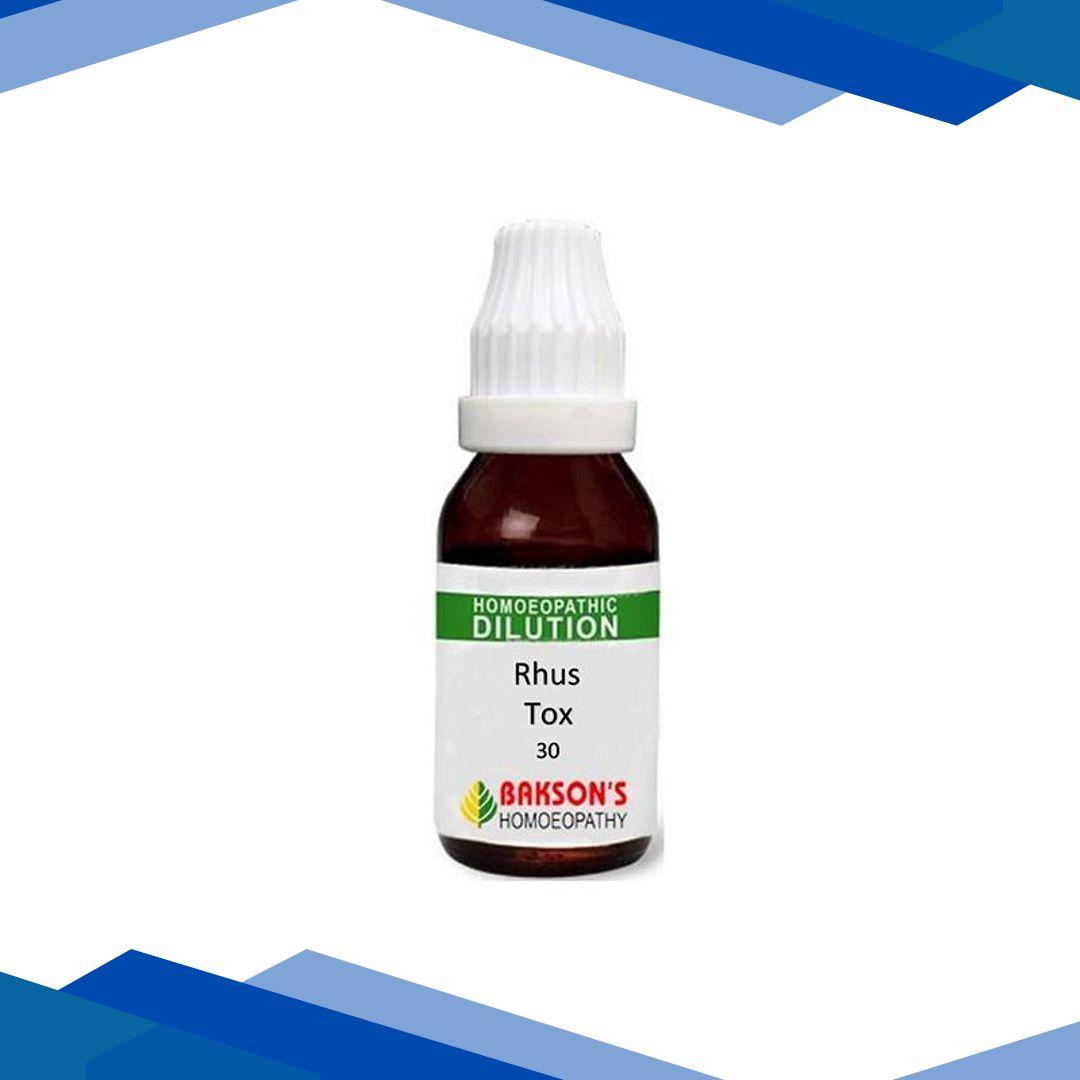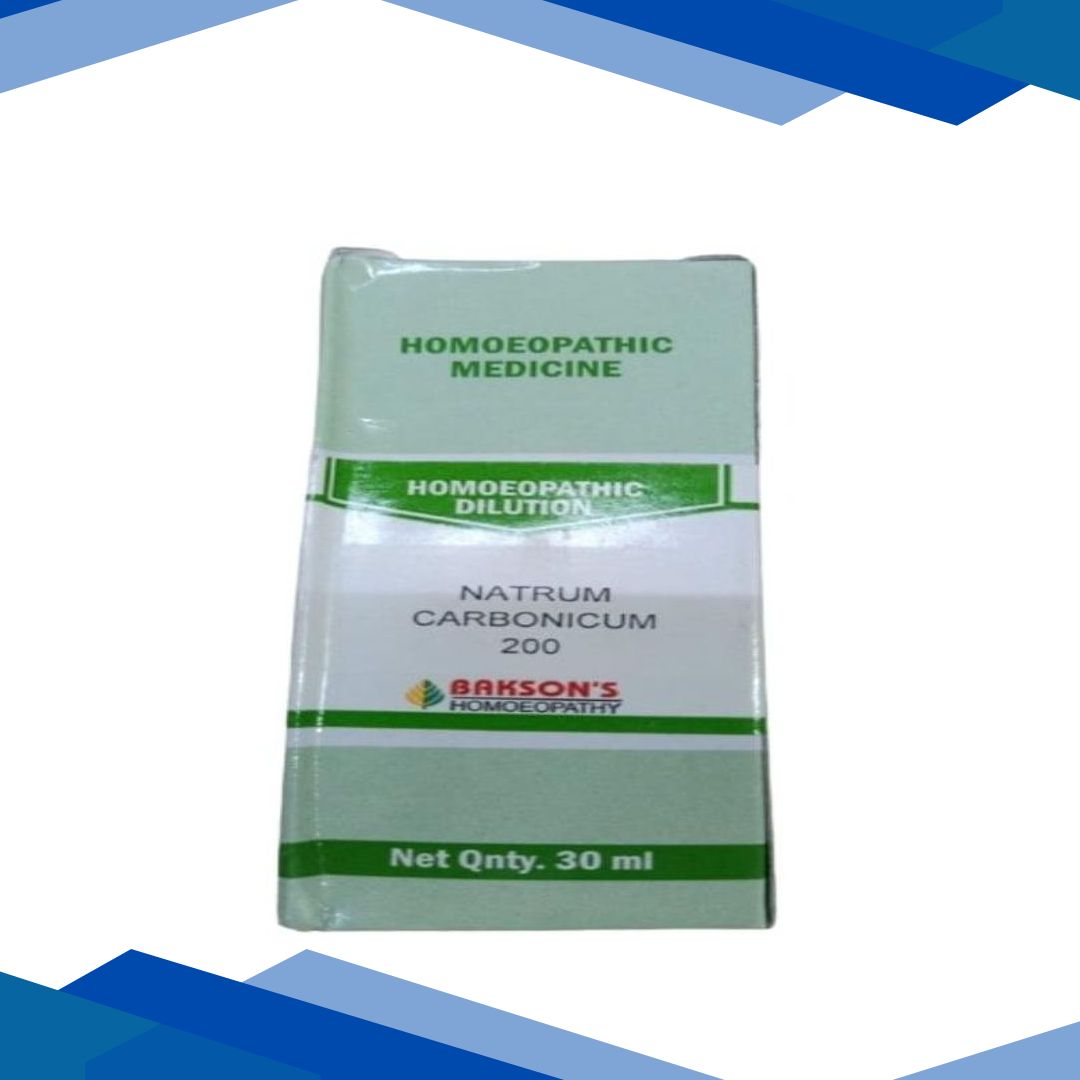
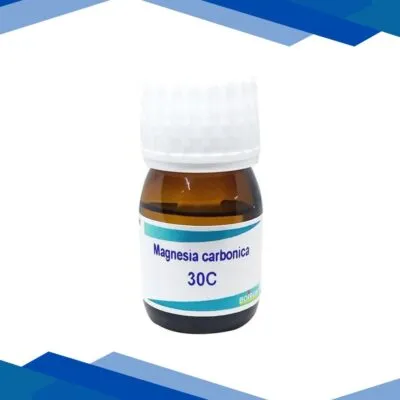
Bakson’s Natrum Carbonicum 200 CH Liquid 30 ml
❌ Due to high demand, this product is currently out of stock. New stock will be available shortly.
👉 Click here to Buy Same Salt medicine
Bakson’s Natrum Carbonicum 200 CH Liquid 30 is a topical medicine commonly used to help treat certain skin conditions, especially acne and some forms of seborrheic dermatitis. It combines two ingredients that work together to reduce the number of acne-causing bacteria on the skin and help clear away excess oil and dead skin cells that can block pores. Sulphacetamide sodium helps control bacterial growth, while sulfur has mild antibacterial and skin-smoothing effects. Together, they can help reduce breakouts, redness, and skin irritation over time. This medicine is usually applied to affected skin under medical guidance and may be recommended when simple cleansing alone is not enough. It is not a quick cure, but it can be effective as part of a broader skin treatment plan.
Description
Bakson’s Natrum Carbonicum 200 CH Liquid 30 is a combination medicine commonly used in dermatology and, in some formulations, ophthalmology, depending on the dosage form and brand. it brings together two active components that work in different but complementary ways to help manage certain skin and eye conditions caused or worsened by bacteria, inflammation, and excess oil production. in skin care, this combination is often used for acne, rosacea, seborrheic dermatitis, and related inflammatory or scaling conditions. its value comes from both its antibacterial action and its ability to reduce the buildup of oil, debris, and microorganisms on the treated area.
sulphacetamide sodium belongs to the sulfonamide class of antimicrobial agents. it helps slow the growth of susceptible bacteria by interfering with bacterial folic acid synthesis, which bacteria need to multiply. sulfur, on the other hand, has been used for many years in skin medicine because it can help loosen and shed dead skin cells, reduce excess oil, and create an environment less favorable for certain microorganisms. together, these ingredients may help reduce redness, breakouts, scaling, and irritation when used as directed in appropriate patients.
this medicine is generally intended for people who need local treatment rather than systemic therapy, meaning it is applied directly to the affected skin or eye area depending on the product. it is not a cure-all and does not work instantly; improvement usually happens gradually with consistent use. because the exact effect depends on the formulation, the condition being treated, and individual skin sensitivity, it is important to use this medicine only as recommended by a healthcare professional. people with a history of sulfonamide allergy or very sensitive skin should be especially cautious and seek medical guidance before use.
in addition to its therapeutic benefits, this combination may also help reduce flare-ups in chronic conditions by lowering bacterial load and controlling some of the excess oil and surface debris that can worsen inflammation. however, it should be used carefully, because irritation, dryness, peeling, and allergic reactions can occur. patients should avoid using it on severely irritated, broken, or infected skin unless directed by a clinician, and they should stop use and seek advice if symptoms become worse or unusual reactions develop.
ingredients
- sulphacetamide sodium: this is the antimicrobial component of the combination. it helps inhibit the growth of bacteria that may contribute to acne or certain inflammatory skin conditions. by reducing bacterial activity, it can help decrease pustules, redness, and the spread of surface organisms that aggravate skin irritation. it is typically used topically and is especially useful when a bacterial component is suspected in the condition being treated.
- sulfur: sulfur is a keratolytic and antiseborrheic ingredient. it helps loosen dead skin cells, reduce clogged pores, and decrease excess oil on the skin. it also has mild antibacterial and antifungal properties, which may support the treatment of acne, seborrheic dermatitis, and similar disorders. sulfur can be drying or irritating for some users, but it is an important contributor to the overall effect of the medicine.
- inactive ingredients: depending on the product, the formulation may contain purified water, emulsifying agents, stabilizers, preservatives, or ph-adjusting ingredients. these do not provide the main therapeutic effect but help deliver the medicine safely and maintain product consistency. because inactive ingredients vary by manufacturer, people with allergies or very sensitive skin should review the full product label carefully.
key uses
- acne vulgaris: this medicine is commonly used to help reduce acne breakouts, especially when clogged pores, excess oil, and superficial bacterial growth are contributing factors. it may help improve papules, pustules, and inflammatory lesions over time.
- rosacea-related skin inflammation: in some patients, this combination may help control redness, bumps, and irritation associated with rosacea. it is not a cure for rosacea, but it may reduce symptom severity when used consistently under medical guidance.
- seborrheic dermatitis: sulfur may help reduce flaky, greasy scaling and irritation associated with seborrheic dermatitis. the combination can support gentle control of surface oil and microbial overgrowth in affected areas.
- oily, acne-prone skin conditions: where excess sebum and skin buildup worsen the condition, sulfur? keratolytic effect can help clear debris and reduce congestion while sulphacetamide sodium helps limit bacterial proliferation.
- other clinician-directed inflammatory skin conditions: in select cases, healthcare professionals may recommend this medicine for related skin problems where its antibacterial and drying effects are helpful. such use should be based on a professional assessment rather than self-treatment.
how to use
use Bakson’s Natrum Carbonicum 200 CH Liquid 30 exactly as directed by your healthcare professional and according to the product label, since instructions can vary by formulation, such as cleanser, lotion, cream, or wash. in general, the affected skin should be gently cleansed and dried before application. if the product is a wash or cleanser, it is usually massaged lightly onto the skin and then rinsed off after the recommended contact time. if it is a leave-on preparation, apply a thin, even layer to the affected area only. avoid applying too much, because more medicine does not necessarily work better and may increase irritation.
for skin use, the medicine is typically applied at regular intervals as advised, often once or twice daily depending on the condition and tolerance. be careful to avoid the eyes, lips, inside the nose, and other sensitive mucous membranes unless the specific product is meant for such use. if accidental contact occurs, rinse thoroughly with water. do not cover the area with tight dressings unless told to do so, as this can increase absorption and irritation. if the skin becomes excessively dry, red, or uncomfortable, tell your healthcare professional, who may recommend adjusting the frequency or adding a moisturizer.
for best results, use the medicine consistently, since skin conditions like acne and rosacea usually improve gradually rather than overnight. it may take several weeks before noticeable benefit appears. do not stop too early unless a clinician advises it, but also do not continue use if the product causes significant burning, swelling, rash, or worsening irritation. if the product is prescribed for a particular purpose, follow the exact instructions from your healthcare professional rather than using it on your own for a different condition.
safety information
- warnings: this medicine may cause skin dryness, peeling, stinging, or irritation, especially during the first weeks of use. do not use it if you have a known allergy to sulfonamide medicines or sulfur-containing topical products unless a healthcare professional specifically tells you it is safe. avoid getting it in the eyes unless the formulation is intended for ophthalmic use. seek urgent help if you develop severe swelling, hives, blistering, trouble breathing, or signs of a serious allergic reaction.
- side effects: common side effects include mild burning, itching, redness, dryness, peeling, and temporary skin irritation. some people may notice a sulfur-like odor from the product, which is normal. less common but more serious effects can include allergic rash, severe itching, swelling, extreme dryness, contact dermatitis, and worsening inflammation. rarely, sulfonamide-related reactions may be significant and require immediate medical attention.
- precautions: use caution if you have sensitive skin, eczema, a history of allergic reactions to topical acne products, or severe sun sensitivity. avoid applying to broken, raw, or extensively irritated skin unless directed. tell your clinician about all skin products you use, because combining multiple drying or irritating treatments can increase discomfort. if you are using exfoliants, retinoids, benzoyl peroxide, or alcohol-based products, ask whether they should be spaced apart.
- pregnancy/breastfeeding: topical use may be considered when clearly needed, but pregnancy and breastfeeding safety should be assessed by a clinician. because individual formulations and treatment areas differ, do not self-medicate during pregnancy or while nursing without professional advice. avoid applying to large areas or using more often than recommended unless a healthcare professional confirms it is appropriate.
- interactions: interactions are mainly local rather than systemic. using it together with other harsh acne or skin treatments may increase dryness and irritation. alcohol-based toners, astringents, abrasive scrubs, and strong exfoliating agents can worsen sensitivity. if using other prescription dermatologic products, ask a healthcare professional about the best order and timing. alcohol does not usually directly interact with topical use, but heavy alcohol use may worsen some skin conditions and should be discussed if relevant.
additional information
- storage: store at room temperature unless the label says otherwise. keep the container tightly closed, away from excessive heat, moisture, and direct sunlight. do not freeze unless specifically instructed. keep out of reach of children and pets.
- missed dose: if you forget a dose, apply it when you remember unless it is almost time for the next scheduled application. if that is the case, skip the missed dose and resume your regular schedule. do not apply extra medicine to make up for a missed dose.
- overdose: with topical use, overdose usually means applying too much or using it too often, which can cause significant dryness, redness, irritation, or peeling. if a large amount is swallowed or if severe symptoms occur, contact poison control or seek medical help promptly. if accidental eye exposure causes persistent pain or vision changes, get immediate medical attention.
- habit forming: no, this medicine is not habit-forming. it does not cause addiction or dependence. however, some skin conditions may return if treatment is stopped too early, so ongoing use should follow medical guidance rather than personal preference.
frequently asked questions
Q: what is Bakson's Natrum Carbonicum 200 CH Liquid 30 used for?
A: it is mainly used for skin conditions such as acne, rosacea, and seborrheic dermatitis, depending on the product form and your doctor? advice. it works by reducing bacteria, excess oil, and surface buildup that can worsen these conditions.
Q: how long does it take to work?
A: results are usually gradual. some people notice mild improvement within a few weeks, but fuller benefit may take longer with regular, consistent use. if there is no improvement or the condition worsens, consult a healthcare professional.
Q: can it cause dryness or peeling?
A: yes. dryness, mild peeling, redness, and stinging are common because sulfur can be drying and sulphacetamide sodium may irritate sensitive skin. using it exactly as directed and avoiding other harsh products can help reduce these effects.
Q: should i use moisturizer with it?
A: many people find a non-comedogenic moisturizer helpful if dryness occurs. if you use other skin products, ask a clinician or pharmacist how to combine them safely so the medicine still works without causing excess irritation.
Q: can i use it on sensitive skin?
A: it may be possible, but sensitive skin increases the risk of irritation. a healthcare professional should assess whether this medicine is appropriate for you, and a patch test or cautious start may be advised in some cases.
Q: what should i do if it gets in my eyes?
A: rinse the eyes with plenty of clean water right away. if irritation, pain, redness, or blurred vision continues, seek medical attention promptly. do not use the product in the eyes unless it is specifically designed for ophthalmic use.
Q: can i use other acne products with it?
A: sometimes yes, but combining products can increase dryness and irritation. tell your healthcare professional about all topical treatments you use, including retinoids, benzoyl peroxide, scrubs, and alcohol-based products, so they can guide you safely.
Q: is this medicine an antibiotic?
A: sulphacetamide sodium is an antimicrobial agent in the sulfonamide group, so it helps control susceptible bacteria. sulfur is not an antibiotic in the usual sense, but it supports treatment by reducing oil, debris, and surface organisms.
Q: can i stop using it once my skin improves?
A: you should not stop or continue for too long without guidance. some conditions require ongoing management, while others should be used only for a limited period. follow your healthcare professional? advice for the safest plan.
Q: what signs mean i should stop using it and get help?
A: stop using it and seek medical advice if you develop severe rash, swelling, blistering, intense burning, trouble breathing, or other signs of an allergic reaction. also consult a clinician if irritation becomes persistent or your condition clearly worsens.
this information is for educational purposes only and should not be considered medical advice. always consult a qualified healthcare professional before use.
At Gem Pharmacy, we make every effort to provide accurate, expert-written, and thoroughly reviewed information related to medicines. However, this information should not be considered a substitute for professional medical advice, diagnosis, or treatment from a qualified doctor.
The purpose of this information is to educate users and improve communication between patients and healthcare professionals. It should not be used to diagnose or treat any condition.
Always consult a certified healthcare professional before taking any medication.


Related products
Bakson’s Ratanhia 30 CH Liquid 30 ml
Bakson’s Baryta Carb 200 CH Liquid 30 ml
Boiron Magnesia Carbonica 30C Liquid 20 ml