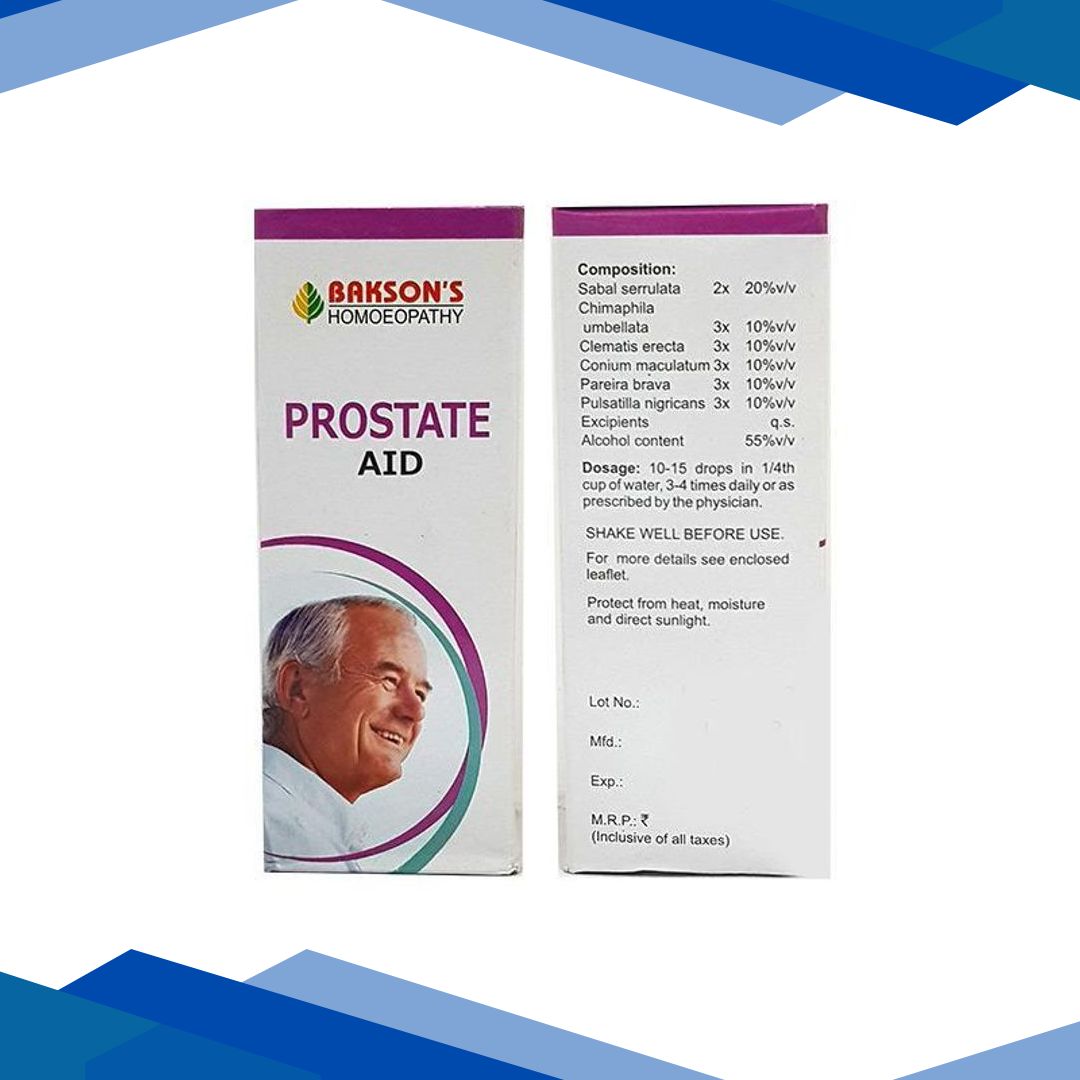
Bakson’S Prosto Aid Drops 30 ml
Bakson’S Prosto Aid Drops 30 is a combination medicine used to treat tuberculosis, a serious bacterial infection that most often affects the lungs but can also involve other parts of the body. It contains two strong anti-tuberculosis antibiotics, isoniazid and rifampicin, along with pyrazinamide, which helps kill the bacteria more effectively, especially in the early phase of treatment. Pyridoxine, also known as vitamin B6, is included to help lower the risk of nerve-related side effects caused by isoniazid. This medicine works by attacking the tuberculosis bacteria in different ways, helping to stop their growth and clear the infection over time. It is usually prescribed by a doctor as part of a full treatment plan and should be used under medical supervision to ensure safe and effective results.
Description
Bakson’S Prosto Aid Drops 30 is a combination medicine used in the treatment of tuberculosis, a serious infectious disease caused by mycobacterium tuberculosis. this combination brings together four components that work in different ways to attack the bacteria, reduce the chance of resistance, and support successful treatment. tuberculosis treatment often requires multiple medicines because the bacteria can survive difficult conditions and may become resistant if only one drug is used. using several anti-tubercular agents together helps ensure stronger and more reliable treatment.
each ingredient in this combination plays a distinct role. isoniazid interferes with the formation of the bacterial cell wall, which is essential for the survival of the tuberculosis organism. rifampicin blocks bacterial rna synthesis, stopping the bacteria from making proteins needed to grow and multiply. pyrazinamide is especially useful in the early phase of treatment because it acts on bacteria that may be hiding in acidic environments inside the body, where some other medicines are less effective. pyridoxine, also known as vitamin b6, is included to help prevent nerve-related side effects that can occur with isoniazid, particularly numbness, tingling, or burning sensations in the hands and feet.
this combination is generally used as part of a carefully planned anti-tuberculosis regimen under medical supervision. it may be prescribed for active tuberculosis, and in some settings it is used during the intensive phase of treatment to reduce the bacterial load quickly. because tuberculosis treatment is long and requires strict adherence, this medicine is usually taken exactly as directed by a healthcare professional. stopping treatment early or taking it inconsistently can allow the infection to return, worsen, or become drug-resistant, which makes treatment much harder.
patients taking this medicine should be aware that it can affect several body systems, especially the liver and nervous system, and it can interact with many other drugs. regular medical monitoring is often needed, including evaluation for side effects and sometimes blood tests to assess liver function. when used properly, this combination can be an important and effective part of tuberculosis care, but it should only be used with professional guidance.
ingredients
- isoniazid: isoniazid is one of the main anti-tuberculosis medicines in this combination. it works by inhibiting the synthesis of mycolic acids, which are essential components of the tuberculosis bacterial cell wall. without a proper cell wall, the bacteria cannot survive or multiply effectively. it is especially important in killing actively dividing bacteria and is a cornerstone of tuberculosis treatment.
- pyrazinamide: pyrazinamide is an anti-tubercular drug used early in treatment because it is active against bacteria that may be residing in acidic environments such as within infected tissues and macrophages. its inclusion helps shorten the overall treatment strategy in many standard regimens and improves early bacterial clearance when used correctly.
- pyridoxine: pyridoxine is vitamin b6 and is included to reduce the risk of isoniazid-associated peripheral neuropathy. isoniazid can interfere with vitamin b6 metabolism, which may lead to nerve irritation or deficiency-related symptoms. pyridoxine helps protect the nerves and improves tolerability, especially in people at higher risk of deficiency.
- rifampicin: rifampicin is a powerful bactericidal medicine used against tuberculosis. it works by inhibiting bacterial dna-dependent rna polymerase, which prevents rna formation and blocks the bacteria from producing essential proteins. this action helps stop bacterial growth and supports elimination of the infection.
key uses
- active tuberculosis treatment: this combination is used in the treatment of active tuberculosis infection, usually as part of a broader regimen prescribed by a clinician. it helps attack the bacteria using multiple mechanisms at the same time, which improves treatment effectiveness.
- initial intensive phase of therapy: in standard tuberculosis treatment plans, combinations like this are commonly used during the early intensive phase to reduce the number of bacteria quickly and limit disease spread. this phase is critical for gaining control of the infection.
- preventing drug resistance during treatment: using multiple anti-tuberculosis medicines together helps lower the chance that the bacteria will become resistant to treatment. resistance can develop if medicines are taken inconsistently or if one medicine is used alone when combination therapy is required.
- supportive prevention of nerve complications: the pyridoxine component is included to help reduce the risk of peripheral neuropathy, especially in individuals who are more vulnerable due to poor nutrition, diabetes, alcohol use, hiv infection, pregnancy, or other medical conditions.
how to use
this medicine should be used only as directed by a healthcare professional. it is typically taken regularly according to the prescribed schedule, and adherence is very important because tuberculosis treatment requires consistent medicine levels in the body. the tablets or capsules are generally swallowed with water, and in many cases they are taken on an empty stomach for better absorption, although your clinician may advise otherwise if stomach upset occurs. if food-related instructions are given, follow them carefully because taking the medicine incorrectly can reduce effectiveness or increase side effects.
it is important not to miss doses and not to stop treatment even if you start feeling better. tuberculosis symptoms may improve before the infection is completely cured. stopping too early can allow the remaining bacteria to regrow and may lead to relapse or resistant tuberculosis. because rifampicin can interact with many other medicines, you should inform your healthcare provider about all prescription drugs, over-the-counter products, and herbal supplements you are taking. alcohol should be avoided or minimized because it can increase the risk of liver problems. if nausea, vomiting, yellowing of the eyes, dark urine, severe fatigue, or numbness in the hands and feet occurs, medical advice should be sought promptly.
safety information
- warnings: this medicine can cause serious liver toxicity, especially because isoniazid, rifampicin, and pyrazinamide can all affect the liver. warning signs of liver injury include loss of appetite, persistent nausea, vomiting, abdominal pain, dark urine, jaundice, and unusual tiredness. rifampicin may also cause body fluids such as urine, sweat, tears, and saliva to turn orange-red, which is generally harmless but can be alarming if unexpected. any signs of severe allergic reaction, difficulty breathing, rash with swelling, or severe skin reactions require urgent medical attention.
- side effects: common side effects may include nausea, stomach discomfort, loss of appetite, mild headache, fatigue, and orange discoloration of body fluids due to rifampicin. isoniazid may cause tingling, numbness, or burning sensations if pyridoxine is insufficient. more serious side effects can include hepatitis, severe skin rash, vomiting that does not stop, confusion, vision changes, unusual bleeding or bruising, and signs of blood disorders. seek immediate medical help if severe symptoms develop.
- precautions: this medicine should be used cautiously in people with liver disease, heavy alcohol use, malnutrition, diabetes, kidney problems, hiv infection, seizure disorders, or a history of drug allergies. extra care is needed in older adults and in people taking many other medicines because rifampicin can significantly lower the levels of several drugs. regular monitoring may be required during treatment.
- pregnancy/breastfeeding: tuberculosis treatment during pregnancy may still be necessary because untreated tuberculosis can be dangerous for both mother and baby. however, the combination should only be used under close medical supervision. pyridoxine is often important during pregnancy to help reduce nerve-related side effects. breastfeeding is sometimes possible depending on the overall treatment plan, but a clinician should confirm whether this medicine is appropriate and whether additional monitoring is needed.
- interactions: rifampicin has many important drug interactions because it can speed up the breakdown of other medicines in the liver and reduce their effectiveness. it may interact with oral contraceptives, some anticoagulants, antiretroviral medicines, anticonvulsants, antifungals, steroids, and certain heart medicines. alcohol can increase the risk of liver damage and should be avoided. always tell your healthcare provider about every medicine and supplement you use so interactions can be checked carefully.
additional information
- storage: store the medicine in a cool, dry place away from moisture, heat, and direct sunlight. keep it in the original container if possible and out of reach of children. do not use it after the expiration date.
- missed dose: if a dose is missed, take it as soon as you remember unless it is almost time for the next dose. do not take extra medicine to make up for a missed dose. if you are unsure what to do, contact your healthcare professional or pharmacist for advice.
- overdose: an overdose may cause severe nausea, vomiting, dizziness, confusion, drowsiness, seizures, abdominal pain, or signs of liver injury. rifampicin overdose can also lead to discoloration, and serious poisoning may be life-threatening. if an overdose is suspected, seek emergency medical help immediately or contact poison control right away.
- habit forming: no, this medicine is not habit forming. however, it must be taken exactly as prescribed because tuberculosis can become harder to treat if therapy is interrupted or used incorrectly.
frequently asked questions
Q: what is Bakson'S Prosto Aid Drops 30 used for?
A: it is used in the treatment of tuberculosis, usually as part of a combination regimen prescribed by a doctor. the different ingredients work together to kill the bacteria and help prevent resistance.
Q: why is pyridoxine included in this medicine?
A: pyridoxine, or vitamin b6, is included to help prevent nerve side effects caused by isoniazid, such as numbness or tingling in the hands and feet.
Q: can this medicine affect the liver?
A: yes. this combination can affect the liver, so doctors may monitor for liver-related symptoms and sometimes order blood tests. report yellowing of the eyes, dark urine, or severe fatigue promptly.
Q: why does rifampicin change the color of urine or tears?
A: rifampicin can cause orange-red discoloration of body fluids. this is usually expected and harmless, but it can stain clothing and contact lenses.
Q: can i drink alcohol while taking this medicine?
A: alcohol is generally best avoided because it can increase the risk of liver damage. speak with your healthcare provider for individualized advice.
Q: should this medicine be taken with food?
A: it is often taken on an empty stomach for better absorption, but your healthcare provider may adjust instructions if you have stomach upset or other reasons to take it differently.
Q: what should i do if i miss a dose?
A: take it when you remember unless it is almost time for the next dose. do not double the dose. contact a healthcare professional if you are unsure how to proceed.
Q: can this medicine interact with birth control pills?
A: yes. rifampicin can reduce the effectiveness of hormonal contraceptives. ask your clinician about additional or alternative contraception methods during treatment.
Q: is this medicine safe in pregnancy?
A: it may be used in pregnancy when needed, but only under medical supervision. the benefits and risks should be carefully reviewed by a qualified healthcare professional.
Q: how long does tuberculosis treatment usually take?
A: the duration depends on the type of tuberculosis and the treatment plan. your doctor will determine the appropriate length, and it is important to complete the full course even if symptoms improve.
this information is for educational purposes only and should not be considered medical advice. always consult a qualified healthcare professional before use.
At Gem Pharmacy, we make every effort to provide accurate, expert-written, and thoroughly reviewed information related to medicines. However, this information should not be considered a substitute for professional medical advice, diagnosis, or treatment from a qualified doctor.
The purpose of this information is to educate users and improve communication between patients and healthcare professionals. It should not be used to diagnose or treat any condition.
Always consult a certified healthcare professional before taking any medication.


Related products

Dr. Reckeweg Magnesia Phosphoricum 1M Liquid 11 ml
SBL Acidum Lacticum 200 Liquid 30 ml

Dr. Reckeweg Magnesia Phosphoricum 200 Liquid 11 ml