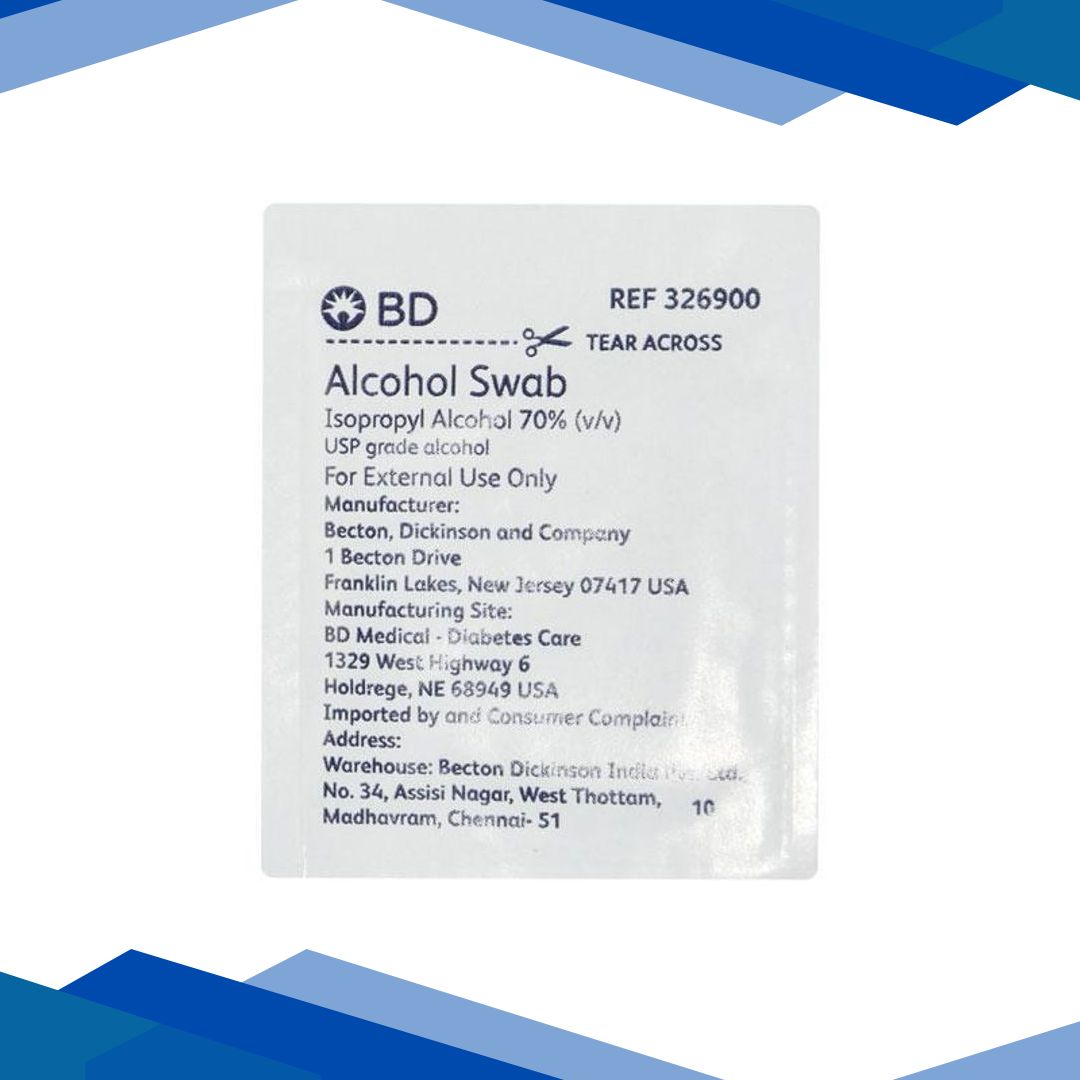
BD ALCOHOL Swab 1’s
BD ALCOHOL Swab is a nutritional and bone-support medicine used to help maintain healthy bones and teeth. Calcitriol, the active form of vitamin D, helps the body absorb calcium more effectively. Calcium citrate maleate provides an important source of calcium needed for bone strength. Vitamin K2 7 helps direct calcium into the bones, where it is most useful, while zinc oxide supports bone formation and overall mineral balance. This combination is commonly used in people with calcium or vitamin D deficiency, weak bones, osteoporosis risk, or increased bone loss due to aging or certain medical conditions. It may also be recommended during recovery from fractures or when extra support for bone health is needed under medical supervision.
Description
BD ALCOHOL Swab is a combination medicine commonly used to support bone health and mineral balance in people who have low calcium intake, poor calcium absorption, increased calcium needs, or conditions that can weaken bones over time. it combines a vitamin d analog, a calcium salt, vitamin k2-7, and zinc to work together on bone mineralization and maintenance. this type of product is often used in situations where the body needs extra help absorbing calcium, directing calcium into bones, and supporting the normal structure of skeletal tissue.
calcitriol is the active form of vitamin d and plays a central role in helping the intestines absorb calcium and phosphorus from food. calcium citrate maleate provides a readily usable form of calcium that can help replenish calcium stores. vitamin k2-7 helps activate certain proteins involved in bone metabolism, including proteins that help guide calcium toward bones rather than soft tissues. zinc oxide contributes zinc, a trace mineral that is important for bone formation, tissue repair, and many enzyme functions in the body. together, these ingredients are intended to complement one another in maintaining healthy bones and supporting normal mineral metabolism.
this combination is not a painkiller and does not provide immediate relief from bone-related symptoms. instead, it is typically used over time as part of a broader bone-support plan that may include dietary changes, physical activity, sun exposure guidance, and monitoring by a healthcare professional. it may be prescribed or recommended for people with vitamin d deficiency-related bone problems, osteoporosis risk, osteopenia, postmenopausal bone loss, nutritional calcium deficiency, or other conditions where bone strength and mineral balance are concerns. because it contains calcitriol and calcium, careful medical supervision is important to avoid excessive calcium levels or related complications.
the medicine may be suitable for adults and, in some cases, older adults who need extra support for bone health. the exact need for this combination depends on the individual’s diet, kidney function, vitamin d status, calcium levels, and risk factors for fractures or bone loss. people with certain kidney disorders, parathyroid problems, malabsorption, or long-term steroid use may sometimes be evaluated for such therapy, but only a clinician can determine whether it is appropriate.
ingredients
- calcitriol:
calcitriol is the biologically active form of vitamin d. it increases the absorption of calcium and phosphorus from the intestines and helps maintain normal calcium levels in the blood. by improving calcium availability, calcitriol supports bone mineralization and helps prevent bone weakening related to vitamin d deficiency or impaired activation of vitamin d. because it is already active, it works more directly than nutritional vitamin d, but it also requires careful monitoring to reduce the risk of high calcium levels. - calcium citrate maleate:
this is a calcium salt used to supplement calcium intake. calcium is essential for the formation and maintenance of bones and teeth, muscle contraction, nerve signaling, and blood clotting. calcium citrate maleate is often valued for its good absorption profile and may be easier to tolerate for some people than certain other calcium salts. it is commonly used when dietary calcium intake is insufficient or when the body needs help maintaining normal bone mineral density. - vitamin k2 7:
vitamin k2-7, a form of vitamin k2, supports the activation of proteins such as osteocalcin that are involved in binding calcium into bone tissue. it may help promote proper calcium utilization in the skeleton and is often included in bone-health formulations because of its role in bone metabolism. it is also important to note that vitamin k can interact with blood-thinning medicines, especially warfarin. - zinc oxide:
zinc is an essential trace element needed for normal growth, tissue repair, immune function, and enzyme activity. in bone health, zinc contributes to bone formation and supports the activity of cells involved in building bone tissue. zinc deficiency can affect skeletal development and repair, so supplementation can be helpful in people with low intake or increased requirements. zinc oxide is a source of zinc used in nutritional preparations.
key uses
- support for bone strength and mineralization:
this combination helps supply nutrients involved in building and maintaining strong bones, especially when dietary intake is inadequate or bone demands are increased. - prevention or correction of calcium deficiency:
calcium citrate maleate can help restore calcium levels in people who do not get enough calcium from food or who have poor absorption. - management of vitamin d-related bone problems:
calcitriol may be used when the body needs active vitamin d support to improve calcium absorption and bone mineral balance. - adjunct support in osteoporosis or osteopenia:
it may be recommended as part of a broader plan to help reduce further bone loss and support skeletal health in people at risk of fractures. - support in conditions with impaired calcium handling:
some kidney, hormonal, or absorption disorders can affect calcium metabolism, and this combination may be used under supervision to help address those disturbances. - nutritional support in older adults:
older adults may have reduced calcium intake, reduced vitamin d activity, or higher fracture risk, making bone-support supplements clinically useful in selected cases.
how to use
this medicine should be used exactly as advised by a healthcare professional, because the presence of calcitriol means that calcium levels may rise too high if it is used inappropriately. it is generally taken by mouth, often with food or after meals to support absorption and reduce stomach discomfort, unless a clinician recommends otherwise. the tablets or capsules should be swallowed with water and should not be crushed or chewed unless the product instructions specifically allow it. since calcium supplements can interfere with the absorption of some medicines, timing may matter, and your healthcare provider may advise spacing it apart from other treatments.
the amount and frequency depend on your medical condition, age, diet, kidney function, and laboratory results such as calcium, phosphorus, and sometimes vitamin d levels. do not self-adjust the dose. regular follow-up may be required if you are taking this product for a chronic bone condition or if you have a history of kidney disease or calcium imbalance. if you are also taking other calcium, vitamin d, or multivitamin products, tell your clinician so that your total daily intake can be reviewed.
for best safety, use this medicine as part of an overall bone-health plan that may include adequate dietary protein, safe weight-bearing exercise, fall prevention, and clinician-directed monitoring. if you are unsure whether to take it with meals, or whether it can be taken alongside your other medicines, consult your pharmacist or doctor.
safety information
- warnings:
because calcitriol increases calcium absorption, this medicine can cause elevated calcium levels if taken in excess or combined with other calcium/vitamin d products. high calcium may lead to weakness, confusion, nausea, vomiting, constipation, thirst, frequent urination, or kidney problems. people with kidney disease, kidney stones, hypercalcemia, or conditions that raise calcium levels should use it only under strict medical supervision. vitamin k2 may reduce the effect of warfarin and similar anticoagulants, so this combination requires special caution in patients on blood thinners. - side effects:
common side effects may include constipation, abdominal discomfort, bloating, nausea, mild headache, or a chalky taste from calcium products. more serious side effects can include symptoms of high calcium such as excessive thirst, frequent urination, loss of appetite, muscle weakness, drowsiness, confusion, irregular heartbeat, or signs of kidney stress such as flank pain or reduced urine output. allergic reactions are uncommon but can include rash, itching, swelling, or difficulty breathing and need urgent medical attention. - precautions:
use caution if you have kidney stones, chronic kidney disease, parathyroid disorders, sarcoidosis, tuberculosis, lymphoma, or any illness associated with abnormal calcium metabolism. people with a history of recurrent constipation or gastrointestinal sensitivity may also need monitoring. do not combine multiple vitamin d or calcium products without professional advice, because accidental excess is possible. laboratory monitoring may be necessary during ongoing use. - pregnancy/breastfeeding:
calcium and vitamin k are important nutrients, but calcitriol-containing products should only be used in pregnancy or breastfeeding when clearly needed and recommended by a clinician. excess calcium or vitamin d activity may be harmful. safety depends on individual medical needs, diet, and existing supplementation, so professional guidance is essential. - interactions:
this medicine may interact with thiazide diuretics, which can increase calcium levels; digoxin, where high calcium can raise the risk of heart rhythm problems; corticosteroids, which may reduce calcium balance; anticonvulsants, which can affect vitamin d metabolism; and cholestyramine or mineral oil, which may reduce absorption of fat-soluble vitamins. vitamin k2 can interfere with warfarin and other vitamin k antagonists. calcium can reduce absorption of several medicines, including some antibiotics, thyroid hormone, bisphosphonates, and iron preparations, so spacing doses may be necessary. alcohol does not have a direct specific interaction, but heavy alcohol use can worsen bone health and may interfere with nutrition and medication adherence.
additional information
- storage:
store in a cool, dry place away from direct sunlight, heat, and moisture. keep it in the original container, tightly closed, and out of reach of children. do not store in a bathroom unless the label specifically permits it. - missed dose:
if you miss a dose, take it when you remember unless it is almost time for the next dose. if it is close to the next scheduled dose, skip the missed dose and continue normally. do not double the dose to make up for a missed one, as this may increase the risk of high calcium levels. - overdose:
an overdose may cause symptoms of hypercalcemia such as nausea, vomiting, constipation, weakness, confusion, increased thirst, frequent urination, and in severe cases kidney injury or abnormal heart rhythms. if overdose is suspected, seek urgent medical help or contact poison control immediately. bring the product packaging so the exact ingredients can be reviewed. - habit forming:
no, this medicine is not habit forming. it does not cause dependence or addiction. however, it should still be used responsibly and only as directed, because excessive or inappropriate use can lead to medically significant mineral imbalances.
frequently asked questions
Q: what is BD ALCOHOL Swab used for?
A: it is mainly used to support bone health, improve calcium absorption, and help maintain normal bone mineralization in people who have low calcium intake, vitamin d-related bone issues, or increased risk of bone loss.
Q: how does this medicine work in the body?
A: calcitriol increases calcium absorption from the intestines, calcium citrate maleate supplies calcium directly, vitamin k2-7 helps activate proteins involved in bone mineral use, and zinc supports bone formation and tissue repair. the combination works best when used as part of an overall bone-health plan.
Q: can i take it with food?
A: it is commonly taken with food or after meals to improve stomach comfort and support absorption, but follow the instructions given by your healthcare professional or the product label.
Q: what are the signs that calcium may be too high?
A: warning signs can include nausea, constipation, vomiting, unusual weakness, excessive thirst, frequent urination, confusion, or irregular heartbeat. if these occur, medical attention should be sought promptly.
Q: is it safe to take along with other calcium or vitamin d supplements?
A: not without professional advice. taking multiple products that contain calcium or vitamin d can raise the risk of excessive calcium levels and related side effects.
Q: who should be extra careful with this medicine?
A: people with kidney disease, kidney stones, hypercalcemia, parathyroid disorders, sarcoidosis, or those taking warfarin, digoxin, or thiazide diuretics should use extra caution and consult a healthcare professional.
Q: does vitamin k2-7 affect blood thinners?
A: yes. vitamin k2 can reduce the effect of warfarin and similar anticoagulant medicines. anyone on blood thinners should discuss this product with their doctor before use.
Q: can this medicine cure osteoporosis?
A: no. it does not cure osteoporosis. it may support bone health and be used as part of a broader treatment plan, but osteoporosis often requires long-term medical management, lifestyle measures, and sometimes additional prescription medicines.
Q: how long does it take to notice benefits?
A: bone-support supplements generally work gradually over weeks to months rather than immediately. the timeline depends on the underlying deficiency, overall diet, adherence, and medical condition.
Q: can it cause constipation?
A: yes. calcium supplements commonly cause constipation in some people. adequate fluids, dietary fiber, and medical advice can help if constipation becomes troublesome.
Q: should people with kidney problems use it?
A: only with medical supervision. kidney disease can change how calcium and vitamin d are handled by the body, increasing the risk of complications such as hypercalcemia or kidney stones.
Q: can i take it with iron or thyroid medicine?
A: calcium can reduce absorption of iron and thyroid hormone medicines. these products often need to be taken several hours apart, but you should confirm the timing with your pharmacist or doctor.
Q: is this medicine suitable for children?
A: it is not automatically suitable for children. pediatric use depends on the child’s age, nutritional status, and medical need, and should only be decided by a qualified clinician.
Q: what happens if i stop taking it suddenly?
A: stopping it usually does not cause withdrawal symptoms, but the underlying calcium or bone-health issue may remain unaddressed. ask your healthcare professional before stopping long-term supplementation.
Q: can i drink alcohol while taking it?
A: occasional alcohol may not directly interact, but heavy alcohol use can worsen bone health and nutrition. it is best to limit alcohol and follow medical advice, especially if you have osteoporosis risk.
Q: do i still need diet and exercise if i take this medicine?
A: yes. supplements cannot replace a balanced diet, physical activity, and fall-prevention measures. bone health is usually best supported by a combined approach.
this information is for educational purposes only and should not be considered medical advice. always consult a qualified healthcare professional before use.
At Gem Pharmacy, we make every effort to provide accurate, expert-written, and thoroughly reviewed information related to medicines. However, this information should not be considered a substitute for professional medical advice, diagnosis, or treatment from a qualified doctor.
The purpose of this information is to educate users and improve communication between patients and healthcare professionals. It should not be used to diagnose or treat any condition.
Always consult a certified healthcare professional before taking any medication.


Related products
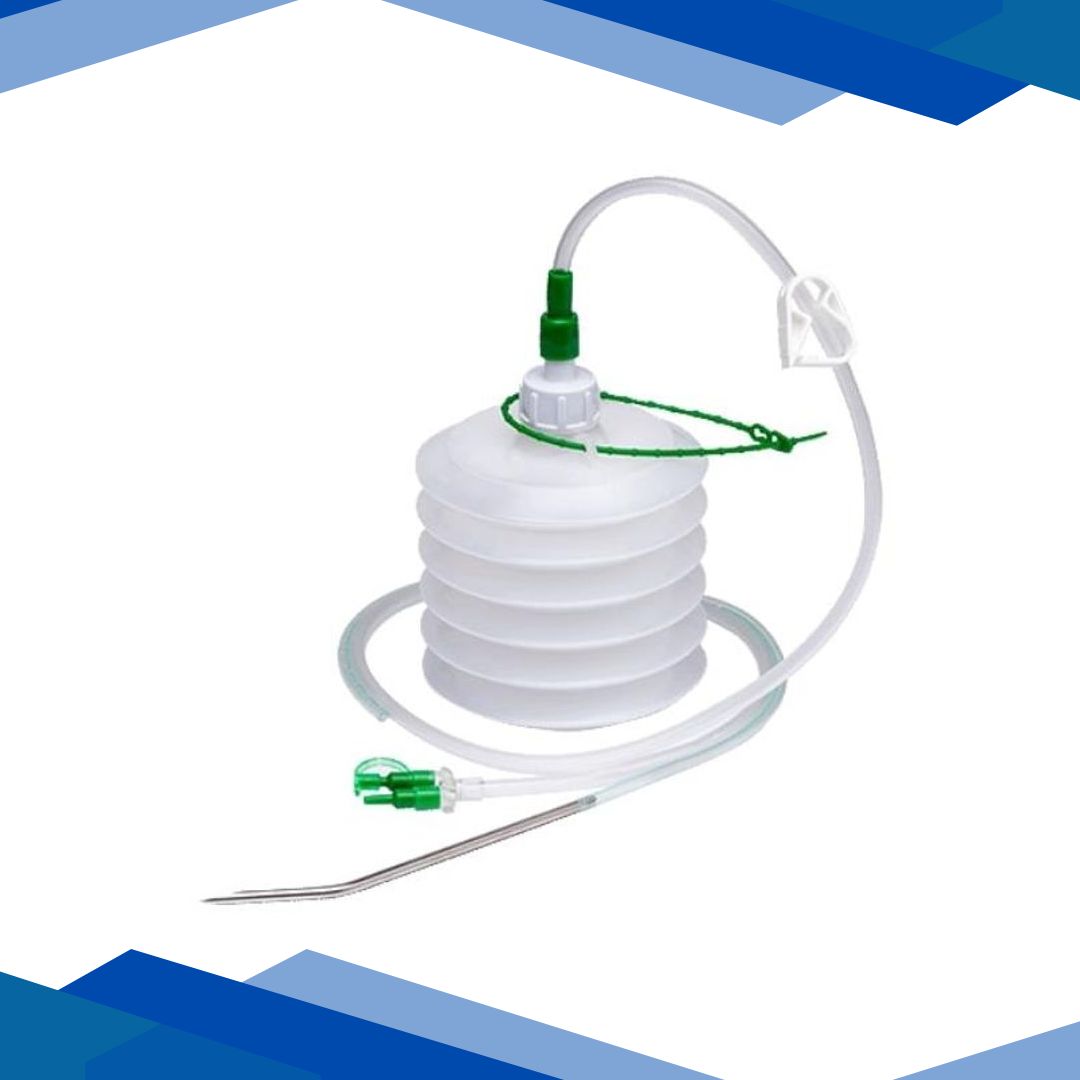
Romsons Romo Vac Set – FG-12