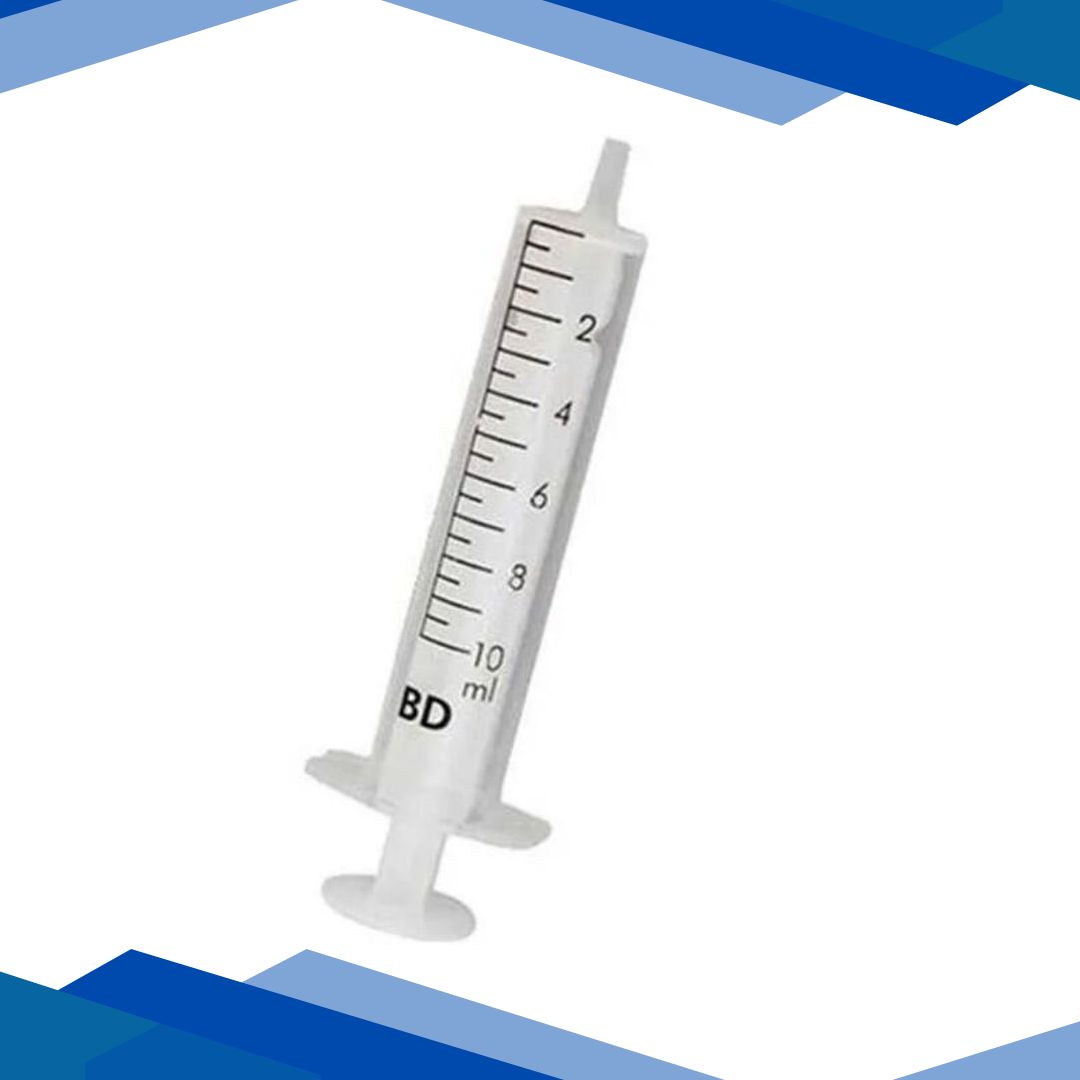
BD Discardit II Syringe 10 ml Without Needle 21 G
BD Discardit II Syringe 10 ml Without Needle 21 is a long-acting insulin medicine used to help control blood sugar levels in people with diabetes. It is a modified form of insulin that works by slowly releasing insulin into the body over time, helping to provide steady blood glucose control between meals and overnight. By moving sugar from the blood into the body’s cells, it helps reduce high blood sugar and supports better overall diabetes management. This medicine is commonly used in people with diabetes who need ongoing insulin support, especially when blood sugar remains high despite diet, exercise, or other diabetes treatments. It should be used under medical supervision as part of a complete diabetes care plan.
Description
BD Discardit II Syringe 10 ml Without Needle 21 is an intermediate-acting insulin preparation used to help control blood glucose levels in people with diabetes. it is designed to replace or supplement the body’s natural insulin when the pancreas does not produce enough insulin, or when the body cannot use insulin properly. this medicine works by helping glucose move from the bloodstream into body cells, where it can be used for energy, and by reducing the amount of glucose produced by the liver. as a result, it helps lower high blood sugar and supports more stable glucose control over time.
this type of insulin is commonly used as part of a broader diabetes management plan that includes meal planning, physical activity, regular blood glucose monitoring, and sometimes other diabetes medicines. it is not a cure for diabetes, but it is an important treatment for controlling blood sugar and reducing the risk of complications such as kidney damage, nerve damage, eye problems, heart disease, and diabetic emergencies. because insulin needs vary from person to person, the exact treatment plan is usually individualized by a healthcare professional based on blood sugar patterns, eating habits, activity level, and overall health.
BD Discardit II Syringe 10 ml Without Needle 21 has a delayed and longer-lasting action compared with rapid-acting insulin preparations. this makes it useful for providing basal, or background, insulin coverage. it is often used when steady glucose control is needed between meals and overnight. in some treatment plans, it may be combined with other insulin products to provide both immediate and longer-lasting coverage. proper use, correct injection technique, and regular monitoring are essential because insulin can cause serious low blood sugar if used incorrectly or if meals are delayed or skipped.
people who may benefit from BD Discardit II Syringe 10 ml Without Needle 21 include those with diabetes who require insulin therapy to achieve adequate blood sugar control, especially when intermediate-acting insulin is needed as part of a structured regimen. it may be used in adults and, in some cases, children when prescribed by a clinician familiar with pediatric diabetes care. patients using this medicine should understand how to recognize signs of hypoglycemia, how to respond quickly, and when to seek emergency help. ongoing medical supervision is important because insulin requirements can change with illness, stress, diet, exercise, pregnancy, and other medications.
ingredients
- BD Discardit II Syringe 10 ml Without Needle 21: the active ingredient that provides intermediate-acting insulin activity. it helps lower blood glucose by promoting cellular uptake of sugar and decreasing glucose output from the liver. the protamine component slows absorption from the injection site, giving the medicine a longer duration of action.
- insulin aspart component: a fast-acting insulin analog portion that supports glucose-lowering activity. in this formulation, it is combined with protamine to modify the speed and duration of insulin release after injection.
- protamine: a protein used to delay absorption of insulin from the injection site. its presence helps convert the medicine into an intermediate-acting preparation suitable for basal coverage.
- zinc: often included in insulin formulations to help stabilize the insulin molecule and maintain product integrity.
- glycerol or similar tonicity agent: helps make the solution suitable for injection and supports formulation stability.
- phenolic preservatives such as m-cresol or related compounds: help preserve the product against contamination and maintain shelf life.
- water for injection: the liquid vehicle used to prepare the injectable formulation.
- ph adjusters and buffering agents: help keep the formulation stable and suitable for administration under recommended storage conditions.
key uses
- blood sugar control in diabetes: used to help manage elevated blood glucose in people who need insulin therapy. it supports more consistent glucose levels and reduces the risk of hyperglycemia-related complications.
- basal insulin coverage: provides longer-lasting background insulin action between meals and overnight, helping maintain steady blood sugar when the body is not eating.
- part of combination insulin regimens: may be used alongside other insulin products, such as rapid-acting or mealtime insulin, to create a more complete treatment plan that covers both immediate and sustained glucose control.
- support in type 1 diabetes: often required because the body produces little or no insulin. it helps replace the insulin the pancreas can no longer make adequately.
- support in type 2 diabetes when insulin is needed: may be prescribed when oral medicines and lifestyle measures are not enough to maintain safe blood sugar levels.
how to use
BD Discardit II Syringe 10 ml Without Needle 21 is given by subcutaneous injection, meaning it is injected into the fatty tissue under the skin. it is important to use it exactly as directed by a healthcare professional and to follow the instructions for the specific product and delivery device being used. the injection site is typically the abdomen, thigh, upper arm, or another recommended area, and sites should be rotated to reduce the risk of skin changes such as lumps, thickening, or pitting. before injecting, the medicine should be checked carefully for appearance and used only if it looks as expected according to the product instructions. if the formulation is a suspension, it may need gentle mixing as directed; vigorous shaking should usually be avoided unless specifically instructed.
the timing of insulin use depends on the overall treatment plan, meal schedule, and blood glucose pattern. because this is an intermediate-acting insulin, it is generally used to provide background coverage rather than immediate meal-time correction. meals should not be skipped after insulin is taken unless advised by a clinician, because doing so can increase the risk of low blood sugar. regular self-monitoring of blood glucose is strongly recommended so that treatment can be adjusted safely. patients should also be educated on how to recognize early signs of hypoglycemia and how to treat it promptly with fast-acting carbohydrate if recommended by their healthcare provider.
using insulin safely also requires correct storage, proper injection technique, and attention to factors that can change insulin needs, such as illness, fever, stress, changes in physical activity, changes in diet, and other medicines. when starting or changing insulin therapy, blood glucose may need to be monitored more often. never share injection devices, needles, or pens with other people. if there is any uncertainty about how to use the medicine, the injection device, or the correct timing, consult a pharmacist, diabetes educator, or prescribing clinician.
safety information
- warnings: the most important safety concern is hypoglycemia, which can occur if too much insulin is taken, meals are delayed or missed, exercise is increased without adjustment, or alcohol is used. severe hypoglycemia can cause confusion, fainting, seizures, or life-threatening emergencies. hyperglycemia can also occur if insulin is missed, if the dose is inadequate, during illness, or if the insulin is stored improperly. never change the dose without professional guidance.
- side effects: common side effects may include low blood sugar, mild injection-site redness, itching, swelling, or temporary discomfort. some people may experience weight gain, fluid retention, or changes in skin at repeated injection sites. serious side effects can include severe hypoglycemia, allergic reactions, widespread rash, breathing difficulty, swelling of the face or throat, and very rarely severe systemic hypersensitivity. localized lipodystrophy or skin thickening may occur with repeated injections into the same site.
- precautions: use with caution in people with kidney disease, liver disease, frequent hypoglycemia, irregular meal patterns, or conditions that make blood sugar harder to interpret. extra care is needed in older adults and in people who may not reliably recognize low blood sugar symptoms. patients who drive, operate machinery, or perform hazardous tasks should understand how insulin affects them and ensure their blood sugar is stable before doing so.
- pregnancy/breastfeeding: insulin is commonly used during pregnancy when clinically needed because good blood sugar control is important for maternal and fetal health. however, requirements often change during pregnancy and after delivery, so close medical supervision is essential. during breastfeeding, insulin is generally considered compatible, but blood sugar levels may change and monitoring is still important. always consult a healthcare professional for individual guidance.
- interactions: many medicines can alter insulin needs or mask the symptoms of low blood sugar. examples include some beta-blockers, corticosteroids, thyroid medicines, diuretics, certain antidepressants, and other glucose-lowering drugs. alcohol can increase the risk of hypoglycemia, especially if taken without food. changes in prescription medicines, over-the-counter products, and herbal supplements should be reviewed with a pharmacist or clinician to avoid unsafe interactions.
additional information
- storage: store according to the product label and pharmacist instructions. many insulin products require refrigeration before first use, but freezing must be avoided because it can damage the medicine. after opening, some formulations may be kept at room temperature for a limited period if the label allows it. keep away from direct heat, sunlight, and moisture. do not use the medicine if it has been frozen, expired, or appears abnormal unless a healthcare professional confirms it is safe.
- missed dose: if a dose is missed, follow the instructions provided by the prescribing clinician or product guidance. in general, do not double the next dose to make up for a missed one unless specifically told to do so. check blood glucose, monitor for symptoms, and contact a healthcare professional if there is uncertainty about what to do, especially if blood sugar is high or you feel unwell.
- overdose: taking too much insulin can cause dangerously low blood sugar. symptoms may include sweating, shakiness, fast heartbeat, hunger, dizziness, headache, confusion, blurred vision, drowsiness, or loss of consciousness. if an overdose is suspected, act immediately according to hypoglycemia treatment instructions, and seek emergency medical help if symptoms are severe, persistent, or if the person cannot safely swallow or respond.
- habit forming: no. BD Discardit II Syringe 10 ml Without Needle 21 is not habit forming or addictive. however, it must be used regularly as prescribed in diabetes treatment because the body depends on it for glucose control.
frequently asked questions
Q: what is BD Discardit II Syringe 10 ml Without Needle 21 used for?
A: it is used to help control blood sugar in people with diabetes, especially when intermediate-acting insulin is needed to provide background glucose control.
Q: how does BD Discardit II Syringe 10 ml Without Needle 21 work?
A: it lowers blood sugar by helping glucose move into body cells and by reducing glucose production by the liver. the protamine in the formulation slows absorption, making it longer acting.
Q: can i take BD Discardit II Syringe 10 ml Without Needle 21 without eating?
A: it is generally not recommended to take insulin without appropriate food planning unless your healthcare professional has instructed you otherwise. skipping meals can increase the risk of hypoglycemia.
Q: what are the signs of low blood sugar?
A: common signs include shakiness, sweating, hunger, dizziness, headache, rapid heartbeat, irritability, confusion, and blurred vision. severe episodes may cause fainting or seizures.
Q: where should BD Discardit II Syringe 10 ml Without Needle 21 be injected?
A: it is usually injected under the skin in the abdomen, thigh, upper arm, or another site recommended by a healthcare professional. rotating injection sites is important.
Q: can this medicine be used in type 1 diabetes?
A: yes, it may be part of insulin therapy for type 1 diabetes, where insulin replacement is essential for blood sugar control.
Q: is BD Discardit II Syringe 10 ml Without Needle 21 the same as rapid-acting insulin?
A: no. it has a slower onset and longer duration because of the protamine component, so it is used more for basal coverage than immediate meal-time control.
Q: what should i do if i miss a dose?
A: follow your clinician’s instructions, check your blood sugar, and do not double the next dose unless specifically advised. contact a healthcare professional if you are unsure.
Q: can alcohol be taken with this medicine?
A: alcohol can increase the risk of low blood sugar and should be used cautiously, if at all, especially without food. discuss alcohol use with your healthcare professional.
Q: does BD Discardit II Syringe 10 ml Without Needle 21 cause weight gain?
A: some people may gain weight during insulin therapy. this can happen as blood sugar control improves and the body stores glucose more effectively.
Q: can i switch brands or devices on my own?
A: no. switching insulin products, devices, or concentrations should only be done with guidance from a healthcare professional because dosing and absorption may differ.
Q: what if i become ill while using this insulin?
A: illness can change blood sugar levels and insulin needs. monitor more frequently, stay hydrated if possible, and contact your healthcare professional for sick-day guidance.
Q: can this insulin cause allergic reactions?
A: yes, although they are uncommon. seek urgent medical help if you develop rash, swelling, difficulty breathing, or severe itching after using it.
Q: how do i reduce injection-site problems?
A: rotate injection sites, use proper technique, and avoid injecting repeatedly into the same spot. report persistent lumps, thickening, or skin changes to a clinician.
Q: is a prescription needed for BD Discardit II Syringe 10 ml Without Needle 21?
A: yes. it should be used only under medical supervision and is not intended for self-starting without professional evaluation.
Q: what should i do if my blood sugar is too high?
A: follow your diabetes care plan, recheck glucose as advised, and contact your healthcare professional if high readings are persistent or if you have symptoms such as vomiting, dehydration, or breathing changes.
Q: can pregnancy affect my insulin needs?
A: yes. insulin needs often change during pregnancy and after delivery, so close monitoring and dose adjustments by a healthcare professional are important.
Q: why is site rotation important?
A: repeated injections in the same area can cause lipodystrophy, which may affect how insulin is absorbed and can make blood sugar control less predictable.
Q: what if i am unsure whether the medicine looks normal?
A: do not use it until a pharmacist or healthcare professional confirms it is safe. changes in appearance may indicate improper storage or product damage.
Q: should i stop using it if i feel better?
A: no. diabetes treatment is based on blood sugar control, not just symptoms. stop only if instructed by your healthcare professional.
this information is for educational purposes only and should not be considered medical advice. always consult a qualified healthcare professional before use.
At Gem Pharmacy, we make every effort to provide accurate, expert-written, and thoroughly reviewed information related to medicines. However, this information should not be considered a substitute for professional medical advice, diagnosis, or treatment from a qualified doctor.
The purpose of this information is to educate users and improve communication between patients and healthcare professionals. It should not be used to diagnose or treat any condition.
Always consult a certified healthcare professional before taking any medication.