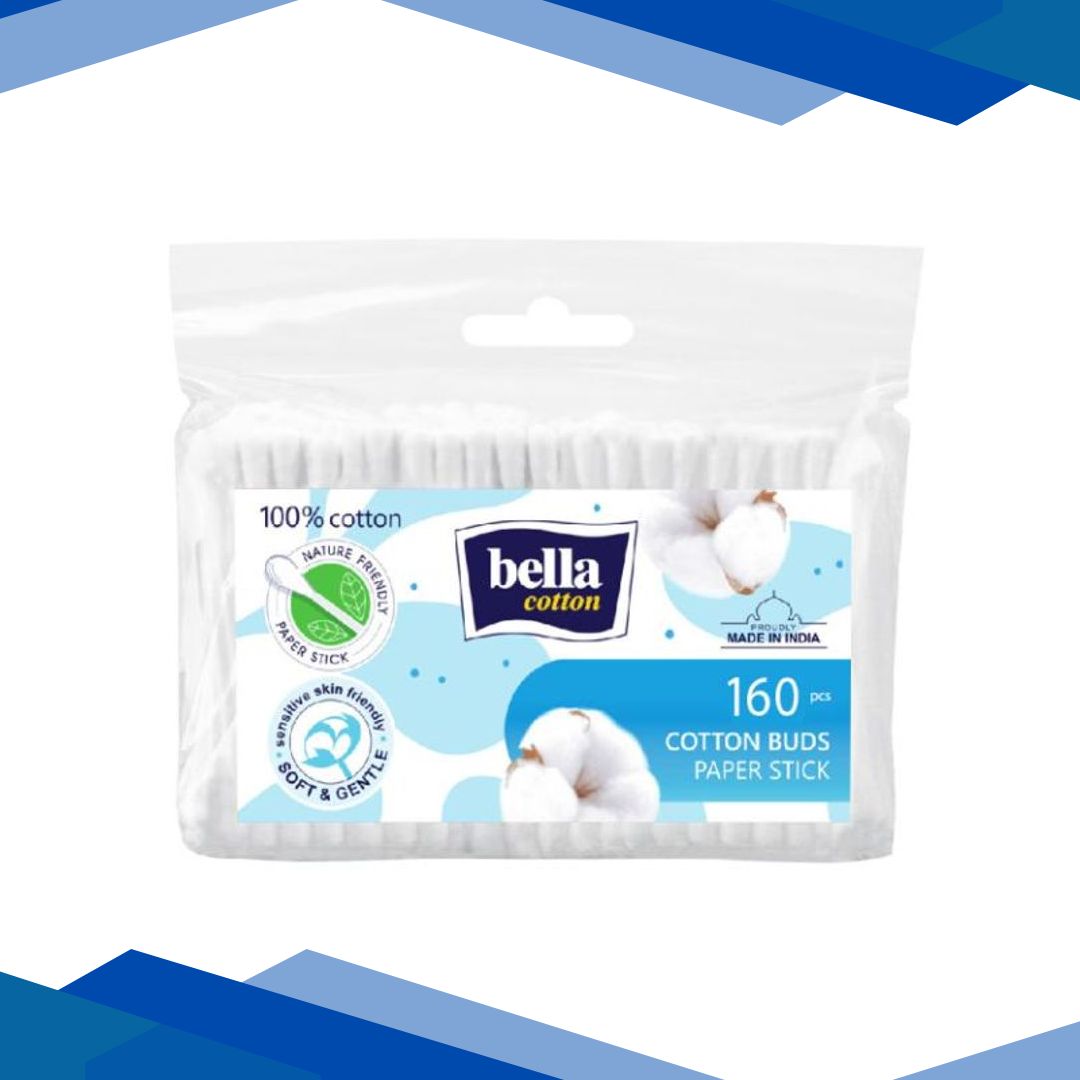
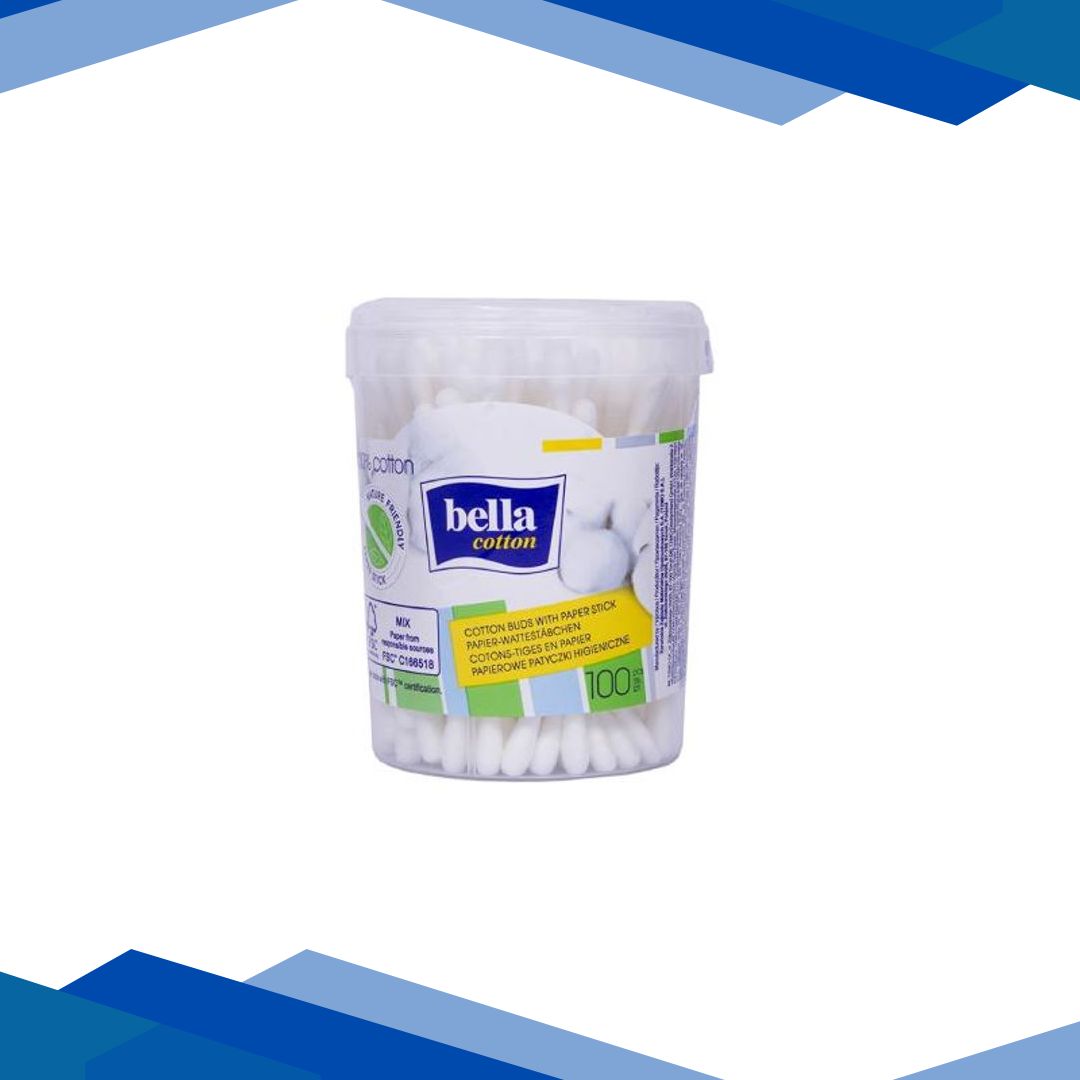
Bella Paper Cotton Buds Foil 160’s
❌ Due to high demand, this product is currently out of stock. New stock will be available shortly.
👉 Click here to Buy Same Salt medicine
Bella Paper Cotton Buds Foil is a combination medicine used to support the body in making healthy red blood cells and maintaining normal blood formation. CYANOCOBALAMIN helps prevent or treat vitamin B12 deficiency, FOLIC ACID supports cell growth and blood cell production, and IRON SORBITOL CITRICACID COMPLEX provides iron needed to form hemoglobin, the protein that carries oxygen in the blood. Together, these ingredients help improve low blood counts caused by nutritional deficiencies and may be used in conditions such as iron-deficiency anemia, megaloblastic anemia, weakness, tiredness, and poor nutrition. It is commonly recommended when the body needs extra iron and vitamins to restore healthy blood levels, usually under medical supervision.
Description
Bella Paper Cotton Buds Foil is a nutritional and hematinic combination commonly used to support the formation of healthy red blood cells and help correct or prevent certain types of anemia caused by vitamin and iron deficiency. it brings together three important ingredients that work in complementary ways: cyanocobalamin, which is a form of vitamin b12; folic acid, the synthetic form of vitamin b9; and an iron sorbitol citric acid complex, which supplies iron in a form intended to support absorption and utilization. because red blood cell production depends on adequate supplies of both iron and essential vitamins, this combination is often used when the body needs a broader nutritional approach rather than a single nutrient alone.
cyanocobalamin plays a vital role in dna synthesis, nerve function, and maturation of red blood cells. folic acid is also essential for dna production and cell division, especially in rapidly dividing tissues such as the bone marrow. iron is a core component of hemoglobin, the protein in red blood cells that carries oxygen throughout the body. when any one of these nutrients is insufficient, the body may develop fatigue, weakness, pale skin, shortness of breath, dizziness, reduced exercise tolerance, or laboratory signs of anemia. by combining them, this medicine addresses several common nutritional gaps that may contribute to low blood counts and symptoms of deficiency.
this medicine is generally used in conditions where there is confirmed or suspected deficiency of iron, folate, and/or vitamin b12, or when the risk of deficiency is increased, such as during pregnancy, periods of rapid growth, poor dietary intake, chronic blood loss, or recovery from illness. it may also be recommended by healthcare professionals in certain types of megaloblastic anemia or mixed nutritional anemia. however, it is important to understand that anemia can have many causes, and this combination is not suitable for every case. for example, anemia due to chronic disease, kidney disease, bleeding, or genetic blood disorders may need different treatment. a proper diagnosis is important before prolonged use.
mechanistically, the three ingredients support blood formation in different but related ways. iron helps build hemoglobin, allowing red blood cells to transport oxygen efficiently. folic acid helps the body make and repair dna, which is crucial for the development of new red blood cells in the bone marrow. cyanocobalamin supports folate metabolism and nervous system health; without enough vitamin b12, blood cells can become abnormally large and ineffective, and neurological symptoms may develop. together, they help promote normal hematopoiesis, improve nutritional repletion, and support overall energy and well-being when deficiency is the underlying issue.
ingredients
- cyanocobalamin: cyanocobalamin is a form of vitamin b12. it helps the body produce healthy red blood cells, supports proper nerve function, and is essential for dna synthesis. a deficiency may lead to megaloblastic anemia, fatigue, numbness or tingling, memory issues, and balance problems. replacing vitamin b12 is especially important because folic acid alone can improve blood counts while allowing b12-related nerve damage to continue unnoticed.
- folic acid: folic acid is vitamin b9 in a stable form used in supplements and medicines. it is required for cell growth, tissue repair, and red blood cell formation. deficiency can cause megaloblastic anemia, mouth soreness, weakness, and elevated homocysteine levels. it is particularly important during pregnancy because it supports fetal neural tube development and healthy maternal blood production.
- iron sorbitol citricacid complex: this is an iron-containing complex designed to provide elemental iron in a form that may be more suitable for medicinal use. iron is necessary for hemoglobin synthesis, oxygen transport, and muscle function. deficiency commonly causes iron-deficiency anemia, which may present with tiredness, pallor, brittle nails, cravings for non-food items, and reduced concentration. the sorbitol citric acid complex may help with formulation stability and iron delivery.
key uses
- treatment of nutritional anemia: this medicine is commonly used when anemia is linked to low iron, folate, and/or vitamin b12 levels. it helps restore the building blocks needed for healthy red blood cell production and may improve symptoms such as fatigue and weakness.
- prevention of deficiency during high-demand states: it may be used in situations where nutrient needs are increased, such as pregnancy, breastfeeding, adolescence, or recovery from illness. in these periods, the body may require more iron and vitamins to support growth and blood formation.
- support in megaloblastic anemia due to vitamin deficiency: folic acid and cyanocobalamin are essential for normal cell division. when deficiency causes large, immature red blood cells, supplementation can help normalize blood indices under medical supervision.
- management of mixed nutritional deficiencies: some people have more than one deficiency at the same time, especially if diet is poor, absorption is reduced, or blood loss is ongoing. this combination provides coordinated support rather than replacing only one nutrient.
- recovery support after blood loss or inadequate intake: after chronic minor bleeding, restrictive diets, or illnesses that deplete nutritional reserves, this medicine may help replenish stores and support the body’s return to normal red blood cell production.
how to use
use this medicine exactly as advised by a healthcare professional, since the appropriate product form, schedule, and duration depend on the underlying deficiency and the patient’s age, health status, and laboratory results. it may be taken by mouth or given in other forms depending on the specific product formulation, but it should not be used casually as a general health tonic without considering the cause of symptoms. follow the label instructions carefully, and do not exceed the recommended amount unless instructed by a clinician.
for oral use, many iron-containing products are taken with water, and some are better tolerated when taken after food if stomach upset occurs. however, food can sometimes reduce iron absorption, so your healthcare professional may advise a particular timing based on the formulation and your tolerance. if the product is prescribed for deficiency, it is often taken consistently over weeks to months, because restoring iron stores and vitamin levels takes time. improvement in symptoms may begin gradually, but laboratory recovery usually requires ongoing treatment and follow-up testing.
try to take the medicine at the same time each day if it is used regularly. do not take it together with tea, coffee, calcium supplements, antacids, or certain other medicines unless your prescriber says it is acceptable, as these can interfere with iron absorption. swallow oral forms with adequate water. if you miss a dose, follow the instructions in the missed-dose section below. do not use this medicine to self-treat severe, persistent, or unexplained anemia, because some causes require urgent evaluation and different treatment.
safety information
- warnings: this medicine should be used only when there is a reasonable need for iron and vitamin supplementation. taking iron when you do not need it can be harmful, especially in people with iron overload disorders such as hemochromatosis or repeated blood transfusions. folic acid can improve blood counts while masking an untreated vitamin b12 deficiency, which may allow nerve damage to progress. persistent symptoms of weakness, black stools, chest pain, severe shortness of breath, or fainting need medical evaluation rather than self-treatment.
- side effects: common side effects may include nausea, stomach discomfort, constipation, diarrhea, abdominal pain, metallic taste, dark-colored stools, and mild vomiting. iron commonly causes darkening of stool, which is usually harmless. serious side effects are uncommon but can include allergic reactions, rash, swelling, breathing difficulty, severe gastrointestinal pain, signs of overdose, or worsening symptoms if the cause of anemia is not correctly identified. long-term excessive iron intake may damage organs.
- precautions: use caution if you have a history of stomach ulcers, inflammatory bowel disease, liver disease, kidney disease, hemochromatosis, hemolytic anemia, or any condition involving frequent transfusions. people with pernicious anemia, unexplained anemia, or neurological symptoms should be evaluated to confirm whether vitamin b12 deficiency is present, because folic acid alone may not be enough. keep this medicine out of reach of children, as iron overdose can be life-threatening in children.
- pregnancy/breastfeeding: these nutrients are often needed during pregnancy and breastfeeding, but the product should still be used only in the recommended amount. folic acid is commonly important in pregnancy, and iron needs are often increased. vitamin b12 support may also be beneficial in deficiency states. even so, the exact need should be individualized by a healthcare professional, especially if there are other medical conditions or prenatal supplements already being used.
- interactions: iron can reduce the absorption of several medicines, including some antibiotics, thyroid medicines, and medications used for osteoporosis. calcium, antacids, and certain foods or beverages may also interfere with iron absorption. alcohol can worsen nutritional deficiencies and stomach irritation in some people. tell your healthcare professional about all prescription medicines, over-the-counter products, and supplements you take to avoid interactions and ensure proper spacing if needed.
additional information
- storage: store in a cool, dry place away from direct sunlight, heat, and moisture. keep the product in its original container, tightly closed, and do not store it in bathrooms or damp areas. always follow the storage guidance on the package, especially for liquid or injectable forms if applicable.
- missed dose: if you miss a dose, take it when you remember unless it is almost time for the next dose. if the next dose is near, skip the missed dose and continue as scheduled. do not double the dose to make up for a missed one unless specifically instructed by a healthcare professional.
- overdose: iron overdose can be dangerous, especially in children, and may cause severe vomiting, abdominal pain, diarrhea, drowsiness, weakness, and in serious cases shock or organ injury. too much folic acid may also cause problems, particularly by masking vitamin b12 deficiency. if an overdose is suspected, seek emergency medical help or contact poison control immediately.
- habit forming: no. this medicine is not considered habit-forming or addictive. however, it should not be used indefinitely without medical guidance, because unnecessary long-term supplementation, especially with iron, may be harmful.
frequently asked questions
Q: what is Bella Paper Cotton Buds Foil used for?
A: it is mainly used to treat or prevent anemia related to deficiencies of iron, folic acid, and vitamin b12. it supports red blood cell production and helps improve symptoms caused by nutritional deficiency when used appropriately under medical guidance.
Q: how long does it take to work?
A: the response depends on the cause and severity of deficiency. some people begin to feel better gradually within days to weeks, but rebuilding iron stores and correcting blood counts often takes longer. follow-up testing may be needed to confirm improvement.
Q: can i take it with food?
A: it depends on the formulation and your stomach tolerance. some people take iron-containing medicines after food to reduce nausea, while others may be advised to take them at a different time for better absorption. follow your healthcare professional’s advice.
Q: does it cause constipation?
A: yes, iron-containing products commonly cause constipation, along with nausea or stomach upset. drinking enough water, eating fiber-rich foods, and following medical advice may help. if symptoms are severe, contact a healthcare professional.
Q: why is vitamin b12 included with folic acid?
A: vitamin b12 is included because folic acid and b12 work together in blood cell formation. giving folic acid alone can sometimes hide a b12 deficiency, so including both helps provide more complete support when deficiency is suspected or confirmed.
Q: can this medicine be taken for general weakness?
A: not always. weakness can have many causes, including infections, thyroid problems, sleep issues, chronic disease, and dehydration. this medicine is most appropriate when weakness is linked to proven or suspected nutrient deficiency, especially anemia.
Q: is dark stool normal while taking this medicine?
A: dark or blackish stool is a common effect of iron and is often harmless. however, if stools are tarry, you have stomach pain, or you feel dizzy or unwell, seek medical advice because gastrointestinal bleeding can also cause dark stools.
Q: can children use this medicine?
A: children should use it only under pediatric guidance. iron overdose can be very dangerous in children, so the dose and product choice must be carefully supervised by a healthcare professional.
Q: should i take it with tea or coffee?
A: it is generally better to avoid tea or coffee around the time you take iron, because they can reduce absorption. if possible, separate them from the medicine as advised by your healthcare professional.
Q: what if i already take a multivitamin?
A: you should check the ingredient list before combining products. many multivitamins already contain iron, folic acid, or vitamin b12. taking multiple supplements together can lead to excessive intake or duplicate therapy, so review this with a healthcare professional.
this information is for educational purposes only and should not be considered medical advice. always consult a qualified healthcare professional before use.
At Gem Pharmacy, we make every effort to provide accurate, expert-written, and thoroughly reviewed information related to medicines. However, this information should not be considered a substitute for professional medical advice, diagnosis, or treatment from a qualified doctor.
The purpose of this information is to educate users and improve communication between patients and healthcare professionals. It should not be used to diagnose or treat any condition.
Always consult a certified healthcare professional before taking any medication.


Related products
Bella Paper Cotton Buds Jar 100’s