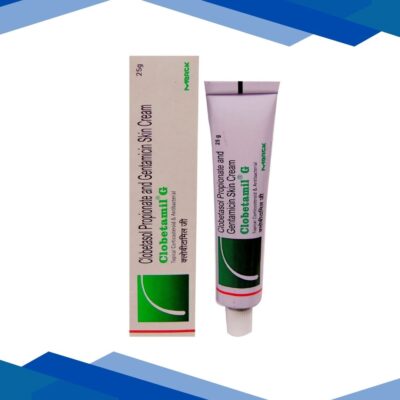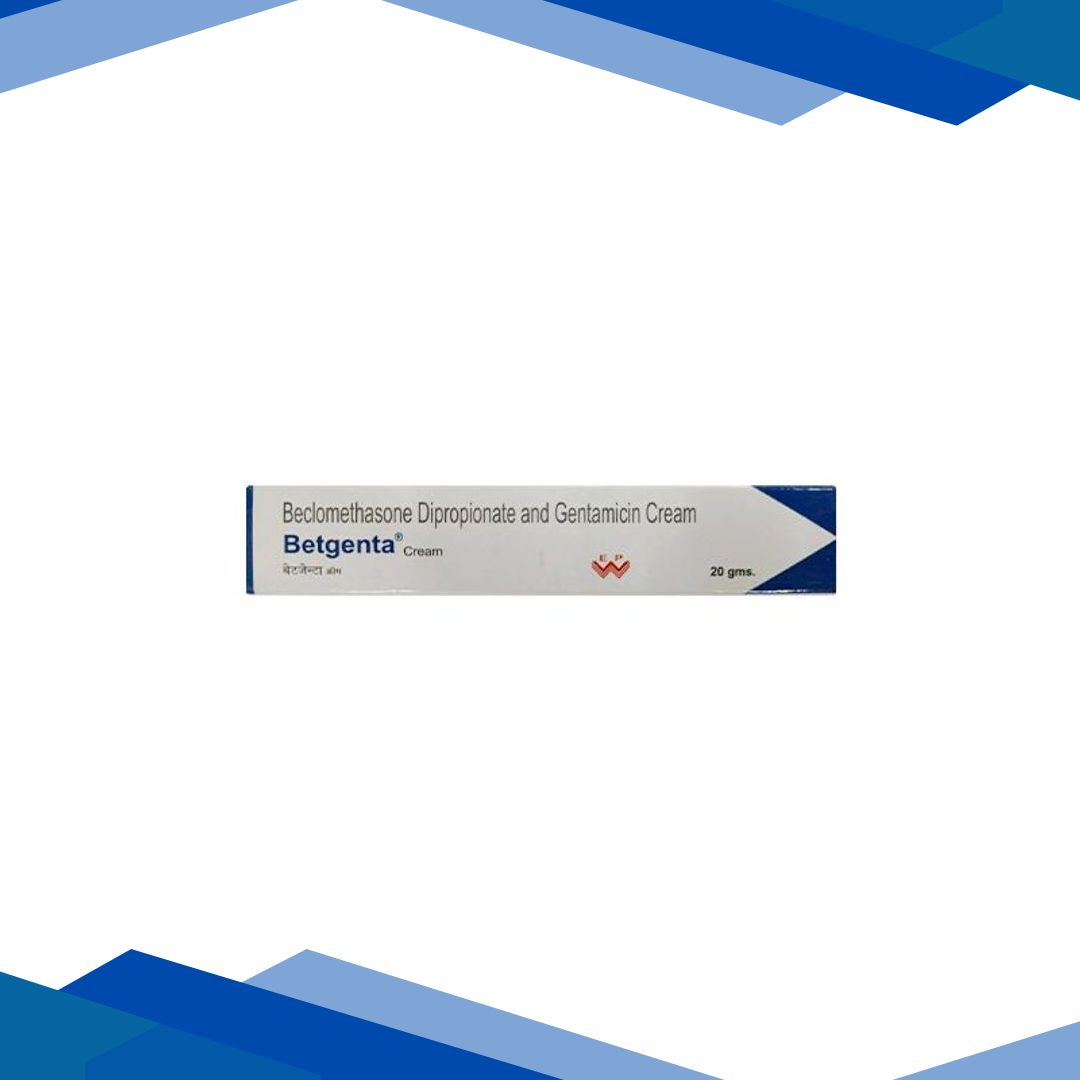
Betgenta Cream 20gm
❌ Due to high demand, this product is currently out of stock. New stock will be available shortly.
👉 Click here to Buy Same Salt medicine
Betgenta Cream is a combination medicine used to treat skin conditions where inflammation, bacterial infection, and fungal infection may all be present together. Beclomethasone helps reduce redness, swelling, and itching by calming inflammation. Gentamicin works by stopping the growth of certain bacteria. Clotrimazole is an antifungal ingredient that helps clear fungal infections. Lignocaine provides quick local relief from pain, burning, and irritation. Together, these ingredients can help soothe uncomfortable infected skin and support recovery. This medicine is commonly used for conditions such as infected eczema, dermatitis, or mixed skin infections, when a healthcare professional considers combination treatment appropriate. It should be used under medical guidance to ensure the cause of the problem is treated correctly.
Description
Betgenta Cream is a combination medicine commonly used in skin conditions where inflammation, bacterial infection, fungal infection, and discomfort are present at the same time. it brings together four ingredients that work in different but complementary ways: beclomethasone helps reduce redness, swelling, and itching; gentamicin fights susceptible bacteria; clotrimazole treats fungal infections; and lignocaine helps numb the area to provide short-term relief from pain, burning, or irritation. because of this multi-action design, the medicine is often selected when a clinician suspects a mixed skin infection or an inflamed rash that may be worsened by microbes.
this combination is not meant for routine use on every rash or irritation. it is generally used when a healthcare professional believes that both inflammation and infection are contributing to the skin problem. the steroid component can calm the immune response and improve symptoms quickly, while the antimicrobial ingredients target organisms that may be causing or complicating the condition. the local anesthetic component can make the area feel more comfortable, especially if the skin is sore, tender, or itchy. however, because it contains a corticosteroid and antimicrobials, it should be used carefully and only for the recommended duration to avoid masking an untreated infection or causing unwanted skin effects.
this medicine is usually meant for external skin use only. it may be considered in conditions such as infected eczema, inflamed fungal rashes with secondary bacterial involvement, or other dermatologic infections where a clinician feels the combined approach is appropriate. it is important to understand that not every itchy or red patch requires this combination, and long-term or unnecessary use can be harmful. a correct diagnosis matters, especially because steroid-containing products can worsen some infections if used incorrectly. for this reason, medical guidance is strongly advised if symptoms are severe, spreading, recurrent, or not improving.
ingredients
- beclomethasone: beclomethasone is a corticosteroid that reduces inflammation by suppressing the release of inflammatory chemicals in the skin. it helps relieve redness, swelling, itching, and irritation. in mixed skin conditions, it can provide fast symptom relief, but it must be used carefully because prolonged use can thin the skin and may worsen some untreated infections.
- gentamicin: gentamicin is an antibiotic active against many susceptible bacteria. it helps treat bacterial skin infections or bacterial overgrowth that can occur when the skin barrier is damaged. its role is important when the affected area shows signs of secondary infection such as crusting, pus, or increased tenderness, but it will not work for viral or fungal infections by itself.
- clotrimazole: clotrimazole is an antifungal medicine used against a variety of yeast and dermatophyte infections. it helps treat fungal causes of rash, scaling, itching, and redness. it is especially useful when fungal infection is present alone or along with other skin irritation, and it works by disrupting the fungus cell membrane, which stops fungal growth.
- lignocaine: lignocaine is a local anesthetic that temporarily reduces pain, burning, and discomfort by blocking nerve signals in the skin. it does not treat the underlying infection, but it can make symptoms easier to tolerate while the other ingredients address inflammation and microbes. overuse or use on large areas can increase the chance of side effects or absorption into the body.
key uses
- inflamed fungal skin infections: used when a fungal rash is accompanied by redness, itching, and irritation. clotrimazole treats the fungal cause, while beclomethasone helps calm inflammation and lignocaine reduces discomfort.
- secondary bacterial infection on irritated skin: may be used when damaged or inflamed skin becomes infected with susceptible bacteria. gentamicin helps control bacterial growth, which can reduce crusting, oozing, or worsening tenderness.
- mixed superficial skin infections: helpful in situations where both fungal and bacterial elements are suspected in the same area, particularly if the skin is inflamed and uncomfortable. the combination allows broader local treatment under medical supervision.
- itchy, red, and painful rashes: the anti-inflammatory and numbing components can provide symptomatic relief from itching, burning, and soreness while the antimicrobial ingredients address possible infectious causes.
- skin conditions with inflammation plus infection: sometimes used in eczema-like or dermatitis-like lesions that have become secondarily infected. it is not a cure for chronic skin disease, but may be part of short-term management when infection is present.
how to use
Betgenta Cream should be used exactly as directed by a healthcare professional. it is generally applied in a thin layer to the affected skin area after the skin has been gently cleaned and dried. the product is for external use only, and contact with the eyes, mouth, inside of the nose, or other mucous membranes should be avoided unless a doctor specifically instructs otherwise. hands should usually be washed before and after application, unless the hands themselves are the treated area.
use only on the area recommended by the clinician and avoid applying it to large skin surfaces for longer than advised. because this medicine contains a corticosteroid, prolonged or excessive use can cause skin thinning, stretch marks, discoloration, and other local side effects. if the condition is not improving, is spreading, or becomes more painful, medical review is important rather than continuing the product on your own. if a bandage or dressing is used, it should only be done if instructed, since occlusion can increase absorption and raise the risk of side effects.
do not apply it more often than recommended, and do not use it to treat conditions such as acne, rosacea, or simple undiagnosed rashes unless a clinician has specifically prescribed it. if symptoms clear earlier than expected, ask a healthcare professional whether treatment should be stopped, as continuing unnecessarily may increase harm. in children, older adults, and people with sensitive skin, cautious use is especially important because their skin may absorb more medicine or react more strongly.
safety information
- warnings: this medicine should not be used indiscriminately for every rash. the steroid component may hide worsening infection, and misuse can allow untreated bacteria or fungus to spread. avoid applying near the eyes, on broken skin without advice, or over large areas for long periods. if there is severe swelling, fever, spreading redness, blistering, or pus, seek medical care promptly.
- side effects: common side effects may include mild burning, stinging, itching, dryness, redness, or temporary irritation where applied. serious or less common effects can include skin thinning, stretch marks, pigmentation changes, allergic contact dermatitis, worsening infection, delayed healing, or signs of systemic absorption from overuse such as unusual weakness or skin fragility. stop use and get medical help if you notice severe rash, swelling, trouble breathing, or marked worsening of symptoms.
- precautions: use with caution in infants, children, elderly patients, and people with very sensitive or damaged skin. avoid if you have a known allergy to beclomethasone, gentamicin, clotrimazole, lignocaine, or related medicines. extra care is needed in people with glaucoma risk if used near the eyes, and in those with large open wounds or extensive skin disease because absorption may increase.
- pregnancy/breastfeeding: use during pregnancy or breastfeeding only if a clinician considers the benefit greater than the potential risk. small-area, short-term topical use may sometimes be considered, but self-treatment is not recommended. during breastfeeding, avoid applying on or near the breast area unless specifically instructed, and prevent infant contact with treated skin.
- interactions: because it is usually applied to the skin, drug interactions are limited compared with oral medicines, but they can still occur if used over large areas or under occlusion. caution is advised if using other topical steroids, antibiotics, antifungals, or numbing agents on the same area, as this may increase irritation or absorption. alcohol does not have a direct major interaction with topical use, but excessive alcohol use may impair healing and worsen skin health overall.
additional information
- storage: store in a cool, dry place away from direct heat, sunlight, and moisture. keep the container tightly closed and out of reach of children. do not freeze unless the label specifically permits it, and do not use the product after the expiry date.
- missed dose: if a dose is missed, apply it when you remember unless it is almost time for the next scheduled application. do not apply extra medicine to make up for the missed one, as this can increase the risk of irritation and steroid-related side effects.
- overdose: excessive topical use may lead to skin irritation, increased absorption, or steroid-related skin changes, especially if used repeatedly on large areas. if too much has been applied, gently remove the excess, avoid reapplying until advised, and contact a healthcare professional if symptoms such as severe redness, weakness, or unusual skin changes occur.
- habit forming: no. this medicine is not habit forming. however, people sometimes overuse steroid-containing creams because they provide quick relief, which can lead to dependence on symptom relief rather than proper treatment of the underlying condition.
frequently asked questions
Q: what is Betgenta Cream used for?
A: it is used for certain inflamed skin conditions where infection and irritation occur together. the combination helps reduce itching and swelling while also treating susceptible bacterial and fungal causes.
Q: can i use it for simple itching or an unknown rash?
A: it should not be used for every itchy rash without a proper diagnosis. because it contains a corticosteroid and antimicrobials, using it on the wrong condition can delay correct treatment or make the problem worse.
Q: how quickly does it work?
A: relief from burning, itching, or soreness may start fairly quickly because of the lignocaine and anti-inflammatory component, but infection-related improvement usually takes longer. the exact response depends on the cause and severity of the skin problem.
Q: can i use it on my face?
A: the face is more sensitive to steroid side effects, so this should only be used there if a healthcare professional specifically advises it. avoid the eyes and use great caution because facial skin can thin more easily.
Q: what should i do if i get irritation after applying it?
A: mild temporary stinging can happen, but if irritation is strong, persistent, or accompanied by swelling, rash, or worsening symptoms, stop using it and seek medical advice. it could be a sign of allergy or an unsuitable diagnosis.
Q: can children use this medicine?
A: children may be more sensitive to topical steroid and anesthetic effects, so use only if a pediatrician or qualified clinician recommends it. the amount, area, and duration should be kept conservative.
Q: does it treat fungal infection alone?
A: clotrimazole treats fungal infection, but the combination is not always necessary for simple fungal rashes. if infection is only fungal, a clinician may prefer a simpler antifungal medicine without a steroid or antibiotic.
Q: is it safe to use for a long time?
A: long-term use is generally not recommended unless a clinician specifically monitors it. prolonged use can cause skin thinning, reduced local immunity, and other side effects, especially because it contains a corticosteroid.
Q: can i cover the area with a bandage after applying it?
A: only if your healthcare professional instructs you to do so. covering the area can increase absorption, which may raise the chance of side effects from the steroid, anesthetic, or other ingredients.
Q: what if my symptoms do not improve?
A: if symptoms are not improving, are getting worse, or keep returning, you should contact a healthcare professional. the condition may need a different diagnosis or different treatment, and continuing the same medicine may not help.
this information is for educational purposes only and should not be considered medical advice. always consult a qualified healthcare professional before use.
At Gem Pharmacy, we make every effort to provide accurate, expert-written, and thoroughly reviewed information related to medicines. However, this information should not be considered a substitute for professional medical advice, diagnosis, or treatment from a qualified doctor.
The purpose of this information is to educate users and improve communication between patients and healthcare professionals. It should not be used to diagnose or treat any condition.
Always consult a certified healthcare professional before taking any medication.


Related products