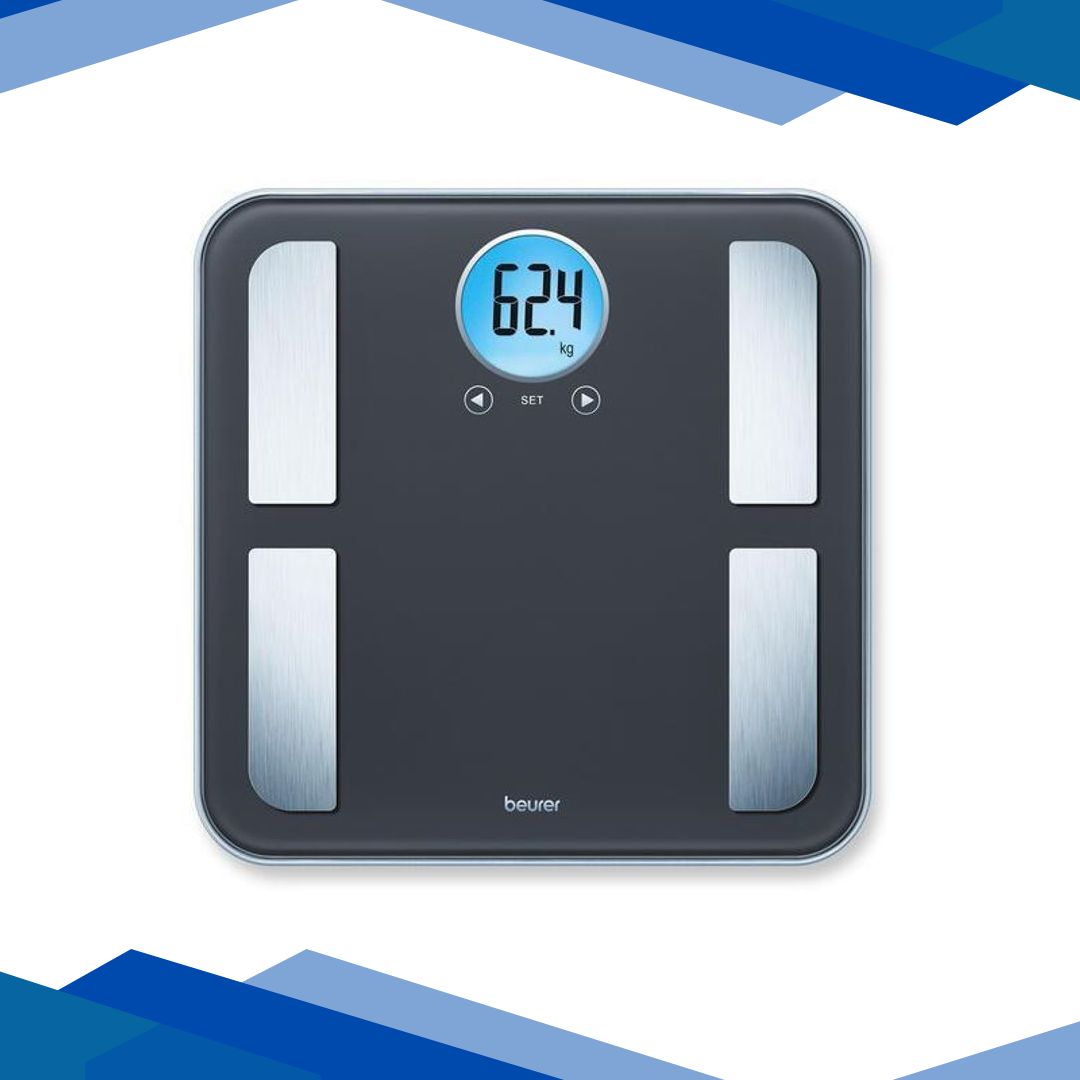
Beurer Diagnostic Weighing Scale (BF 195)
Beurer Diagnostic Weighing Scale (BF is a combination medicine used to help reduce pain, swelling, and inflammation. It brings together natural enzyme and plant-based ingredients that work in different ways to support recovery. Bromelain and trypsin help break down proteins involved in inflammation, which may ease tissue swelling and promote healing. Devils claw extract is commonly used for its anti-inflammatory and pain-relieving properties, while rutoside trihydrate helps strengthen blood vessels and may reduce fluid buildup in tissues. This medicine is mainly used for conditions such as sprains, strains, soft tissue injuries, muscle pain, joint pain, and swelling after injury or surgery. It may help improve comfort and mobility, especially when used under medical advice.
Description
Beurer Diagnostic Weighing Scale (BF is a combination medicine commonly used to help reduce inflammation, swelling, and pain associated with conditions involving soft tissues, muscles, joints, and injury recovery. it brings together enzyme-based and plant-derived components that may work in complementary ways to support the body’s natural repair processes. this combination is not a painkiller in the traditional sense like paracetamol or an nsaid, but rather a supportive anti-inflammatory and anti-edema formulation that may be recommended when swelling and tissue irritation are major concerns.
the formula is typically used in situations where inflammation is causing discomfort, stiffness, or delayed healing. bromelain and trypsin are proteolytic enzymes, meaning they help break down proteins and may assist in reducing inflammatory debris and fluid build-up in tissues. rutoside trihydrate is a flavonoid that helps strengthen small blood vessels and supports capillary stability, which can be useful in reducing bruising and swelling. devils claw extract is a herbal ingredient traditionally used to help manage musculoskeletal pain and inflammatory conditions, especially those affecting the back, joints, and tendons. together, these ingredients may offer a broad supportive effect in inflammatory conditions.
this medicine may be used in adults who need help with conditions such as sprains, strains, minor trauma, post-surgical swelling, sports injuries, arthritic discomfort, or localized soft tissue inflammation, depending on a healthcare professional’s advice. because it contains multiple active ingredients that may affect digestion, bleeding tendency, or allergy risk in susceptible individuals, it should be used thoughtfully and not casually combined with other medicines without checking for interactions. it is important to remember that this product supports symptom control and recovery, but it does not replace evaluation for severe injury, infection, or chronic disease.
its mechanism is multi-faceted. the enzymes bromelain and trypsin may help reduce inflammatory proteins and support the breakdown of excess tissue fluid, which can lead to decreased swelling and improved mobility. rutoside helps protect the microcirculation, making tiny blood vessels less fragile and potentially reducing leakage into surrounding tissues. devils claw extract may modulate inflammatory pathways and is often used in herbal practice for pain and stiffness. because these ingredients can influence inflammation from different angles, the combination is often considered for short- to medium-term symptomatic relief under medical guidance.
ingredients
- bromelain: bromelain is a proteolytic enzyme derived from pineapple stems. it is often used for its anti-inflammatory and anti-swelling properties. it may help the body clear inflammatory by-products and tissue fluid after injury or surgery, which can support recovery and improve comfort. some people also use bromelain for sinus-related swelling or mild digestive support, but in this combination its main value is usually inflammation control.
- devils claw extract: devils claw extract is a herbal ingredient obtained from the roots of the plant harpagophytum procumbens. it is traditionally used for musculoskeletal pain, especially in conditions involving the back, joints, and muscles. research suggests it may help modulate inflammatory signaling and reduce pain perception, though its effect can vary between individuals. it is not an instant pain reliever and works best as part of a broader treatment plan.
- rutoside trihydrate: rutoside trihydrate is a flavonoid compound that helps stabilize capillary walls and reduce the fragility of small blood vessels. this may be useful in conditions involving bruising, swelling, and tissue leakage. by supporting vascular integrity, it can complement the anti-inflammatory effects of the other ingredients and may help reduce visible swelling after injury.
- trypsin: trypsin is another proteolytic enzyme that helps break down proteins. in medical formulations, it is used for its potential role in decreasing inflammation, supporting tissue repair, and helping to reduce edema. when combined with bromelain, it may enhance the enzyme-based anti-inflammatory action and improve the body’s ability to manage localized swelling.
key uses
- swelling after injury: this combination is often used to help reduce soft tissue swelling after sprains, strains, bruises, or minor trauma. by supporting the breakdown of inflammatory proteins and tissue fluid, it may improve comfort and mobility during recovery.
- musculoskeletal pain and stiffness: devils claw extract and the enzyme components may help ease discomfort related to muscles, tendons, or joints. it is commonly considered when pain is linked with inflammation rather than nerve damage or severe structural injury.
- post-operative inflammation: in some cases, healthcare professionals may recommend enzyme combinations to help manage swelling and tenderness after surgery or dental procedures. this use depends on the type of procedure and the patient’s risk factors, especially bleeding risk.
- bruising and tissue edema: rutoside trihydrate may help support fragile capillaries and reduce leakage into surrounding tissue. this can be useful when bruising or edema is prominent, although the underlying cause should always be assessed if symptoms are severe or unusual.
- supportive care in inflammatory conditions: the medicine may be used as adjunctive support in conditions where inflammation contributes to symptoms. it is not a cure for arthritis, infection, or major injury, but may help improve symptom control when used appropriately.
how to use
use this medicine exactly as advised by a healthcare professional or as directed on the product label. it is generally taken by mouth, often with water, and many enzyme-based products are recommended on an empty stomach or between meals to help absorption, though directions may vary by formulation. swallow the dose whole if it is in capsule or tablet form unless the packaging specifically says otherwise. do not crush or chew modified formulations unless instructed, as this may affect how the ingredients work.
because this combination is used for inflammation and swelling rather than immediate pain relief, it may take some time before noticeable benefits appear. consistent use as directed is usually more important than taking extra doses. if you are using it after injury, surgery, or for joint pain, follow the treatment duration recommended by your doctor and do not continue long-term without review. if symptoms are not improving, are worsening, or are accompanied by fever, severe swelling, redness, or inability to move the affected area, seek medical assessment promptly.
avoid taking it with additional enzyme products, herbal anti-inflammatories, or blood-thinning medicines unless specifically approved by a healthcare professional. if you have a sensitive stomach, take it in the manner recommended by your clinician to minimize discomfort. always read the label for exact instructions because product strength, dosage form, and timing can differ between brands.
safety information
- warnings: this medicine may increase the risk of bleeding in some people because bromelain, trypsin, and devils claw can have mild effects on inflammation and circulation. caution is especially important before surgery, after recent bleeding, or if you bruise easily. stop and seek medical advice if you notice unusual bleeding, black stools, coughing up blood, severe abdominal pain, or widespread rash. this product should not be used to self-treat serious injury, infection, or persistent joint disease without evaluation.
- side effects: common side effects may include stomach upset, nausea, bloating, loose stools, heartburn, or a mild unpleasant taste. some people may experience headache, dizziness, or skin irritation. serious side effects are uncommon but may include allergic reactions, such as swelling of the face, wheezing, hives, difficulty breathing, or severe skin rash. because bromelain is derived from pineapple and devils claw is a plant extract, allergy-prone individuals should be cautious.
- precautions: people with a history of bleeding disorders, recent surgery, peptic ulcer disease, severe liver or kidney disease, or known allergies to pineapple, herbs, or enzyme products should use this medicine only under medical supervision. it may not be suitable for children unless specifically prescribed. older adults should be monitored carefully due to a higher risk of interactions and adverse effects. if you are already taking medicines for pain, inflammation, clotting, or chronic diseases, ask a clinician before starting.
- pregnancy/breastfeeding: safety data in pregnancy and breastfeeding is limited for this combination. because herbal and enzyme ingredients may not have enough robust study data in these groups, use only if a doctor believes the benefit outweighs the risk. self-medication during pregnancy is not recommended, especially if there is a bleeding concern or if other medicines are being used.
- interactions: this medicine may interact with anticoagulants and antiplatelet medicines such as warfarin, aspirin, clopidogrel, and similar drugs, potentially increasing bleeding risk. it may also interact with other anti-inflammatory agents, certain antibiotics, and supplements that affect clotting such as garlic, ginkgo, or fish oil. alcohol may worsen stomach irritation and should be limited or avoided if you experience gastrointestinal upset. always tell your healthcare provider about all prescription medicines, over-the-counter products, and supplements you use.
additional information
- storage: store in a cool, dry place away from direct sunlight, moisture, and excessive heat. keep the container tightly closed and out of reach of children. do not store in bathrooms or near sinks where humidity can damage the product. follow any brand-specific storage instructions on the label.
- missed dose: if you miss a dose, take it when you remember unless it is almost time for the next scheduled dose. do not double the dose to make up for a missed one. if you are unsure what to do, follow the package instructions or ask a pharmacist.
- overdose: taking too much may increase the chance of stomach upset, diarrhea, nausea, dizziness, or bleeding-related symptoms. in severe cases, an allergic reaction or significant gastrointestinal irritation may occur. if an overdose is suspected, seek medical help or contact a poison control center immediately, especially if there is vomiting, fainting, black stools, or breathing difficulty.
- habit forming: no, this medicine is not considered habit forming. it does not produce dependence like sedatives, opioids, or certain sleep medicines. however, it should still be used only for the recommended period and for the intended condition.
frequently asked questions
Q: what is Beurer Diagnostic Weighing Scale (BF used for?
A: it is generally used to help reduce inflammation, swelling, bruising, and discomfort linked to soft tissue injuries, musculoskeletal pain, and sometimes post-procedure recovery. it is a supportive medicine and should be used only when advised by a healthcare professional.
Q: does this medicine work like a painkiller?
A: not exactly. it may help reduce pain indirectly by lowering inflammation and swelling, but it is not a conventional fast-acting painkiller. its effects are usually more supportive and may take longer to notice.
Q: can i take it with other pain medicines?
A: sometimes it may be combined with other medicines, but this depends on your health condition and bleeding risk. because it may interact with anticoagulants, antiplatelets, and other anti-inflammatory drugs, always check with a doctor or pharmacist first.
Q: who should be careful before using this medicine?
A: people with bleeding disorders, stomach ulcers, allergies to pineapple or herbal products, recent surgery, or significant liver or kidney disease should be cautious. pregnant or breastfeeding individuals should also seek medical advice before using it.
Q: what side effects should i watch for?
A: common side effects include stomach upset, nausea, loose stools, and heartburn. seek urgent help if you develop rash, swelling, breathing trouble, unusual bruising, black stools, or any sign of an allergic reaction.
Q: how long does it take to work?
A: the timing can vary. some people may notice gradual improvement over several days, while others may need longer. it is not intended for immediate relief, and benefits depend on the underlying condition and regular use as directed.
Q: can i use this medicine after surgery?
A: it may sometimes be used after surgery to help with swelling, but only if your surgeon or healthcare provider approves it. because of possible bleeding interactions, it is important not to start it on your own after a procedure.
Q: is it safe for children?
A: this medicine is generally not recommended for children unless specifically prescribed by a qualified healthcare professional. pediatric use depends on the child’s age, condition, and safety considerations.
Q: can alcohol be taken with this medicine?
A: alcohol can increase stomach irritation and may make side effects worse in some people. it is best to avoid or limit alcohol, especially if you have stomach sensitivity or are taking other medicines that affect bleeding.
Q: what if my symptoms do not improve?
A: if pain, swelling, or stiffness persists, worsens, or comes with fever, severe redness, numbness, or inability to use the affected area, seek medical review. these could indicate a more serious condition needing proper diagnosis and treatment.
Q: can this medicine cause bleeding problems?
A: it can potentially increase bleeding tendency in some individuals, especially when combined with blood thinners or if taken before surgery. report unusual bleeding, easy bruising, or black stools to a healthcare professional promptly.
Q: should i take it with food?
A: directions may vary by brand. enzyme-based products are often recommended between meals or on an empty stomach for better absorption, but you should follow the label or your doctor’s instructions if they differ.
Q: can i take it if i have acid reflux or a sensitive stomach?
A: some people may experience stomach upset or heartburn. if you have reflux, ulcers, or frequent digestive discomfort, discuss the risks with a clinician before starting this medicine.
Q: is this medicine meant for long-term use?
A: it is usually intended for short-term or time-limited supportive use rather than indefinite use. long-term use should only happen under medical supervision, especially because of possible interactions and side effects.
Q: what should i do if i miss a dose?
A: take it when you remember unless it is close to the next dose. do not take extra to compensate for the missed one, and continue your regular schedule afterward.
Q: can i combine this with herbal supplements?
A: some herbal supplements may increase bleeding risk or interact with inflammation-related medicines. tell your healthcare provider about all herbs and supplements you use before starting this product.
Q: does it treat arthritis?
A: it may help with pain and swelling associated with some inflammatory joint conditions, but it does not cure arthritis. management of arthritis usually requires a broader treatment plan tailored to the type and severity of the disease.
Q: what signs mean i should stop taking it and seek help?
A: stop and seek medical help if you develop allergic symptoms, severe stomach pain, significant diarrhea, black stools, unusual bleeding, or if swelling and pain suddenly worsen instead of improving.
[/faqs_dbm]
this information is for educational purposes only and should not be considered medical advice. always consult a qualified healthcare professional before use.
At Gem Pharmacy, we make every effort to provide accurate, expert-written, and thoroughly reviewed information related to medicines. However, this information should not be considered a substitute for professional medical advice, diagnosis, or treatment from a qualified doctor.
The purpose of this information is to educate users and improve communication between patients and healthcare professionals. It should not be used to diagnose or treat any condition.
Always consult a certified healthcare professional before taking any medication.


Related products

MCP Personal Weighing Machine (BLGR01)
Sahyog Wellness Digital Weighing Scale for Baby and Adult (Weighs Upto 100 kg) (White)

Beurer Digital Glass Weighing Scale (GS 11)