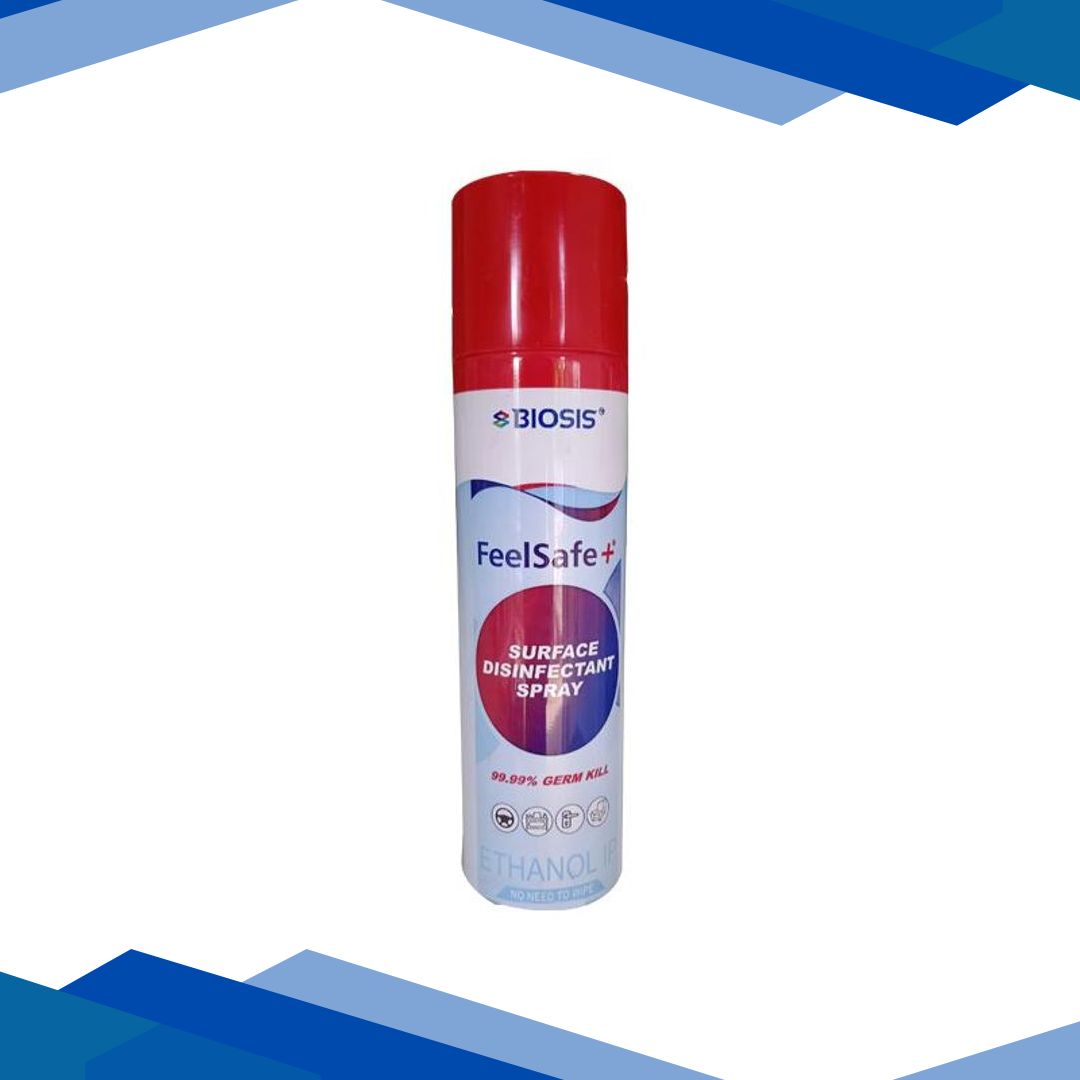
Biosis FeelSafe+ Surface Disinfectant Spray 170 ml
❌ Due to high demand, this product is currently out of stock. New stock will be available shortly.
👉 Click here to Buy Same Salt medicine
Biosis FeelSafe+ Surface Disinfectant Spray 170 is a cough and cold medicine used to help relieve irritating cough along with associated throat or chest congestion. Diphenhydramine hydrochloride helps reduce allergy-like symptoms and can also calm cough by lowering the cough reflex. Ammonium chloride acts as an expectorant, helping loosen mucus so it can be cleared more easily. Sodium citrate helps make mucus less sticky, which may ease coughing and chest discomfort. Ethanol is included as part of the liquid formulation. This combination is commonly used for short-term relief of cough caused by colds, throat irritation, or bronchial congestion. It should be used as directed by a healthcare professional, especially in children, older adults, and people with other medical conditions.
Description
Biosis FeelSafe+ Surface Disinfectant Spray 170 is a combination medicine commonly used for relief from cough associated with throat irritation, excess mucus, and irritation of the upper airways. it combines an antihistamine, an expectorant, an alkalinizing/urinary and mucolytic-supportive agent, and ethanol, which may serve as a solvent or formulation component in certain preparations. together, these ingredients are intended to ease cough symptoms, reduce irritation, and help loosen mucus so it can be coughed out more effectively.
the presence of diphenhydramine hydrochloride makes this product useful when cough is linked with allergy-like symptoms such as runny nose, sneezing, throat tickle, or post-nasal drip. diphenhydramine is a first-generation antihistamine, meaning it blocks histamine receptors and can reduce irritation-related symptoms, though it may also cause drowsiness. ammonium chloride and sodium citrate are commonly included in cough preparations to support mucus clearance and reduce the thickness or stickiness of respiratory secretions, making coughing more productive and less uncomfortable.
this medicine is generally used for short-term symptom relief rather than treating the underlying cause of cough. it may be suitable for people with non-productive or mildly productive coughs caused by common cold, throat irritation, or mild allergic upper respiratory symptoms, depending on the specific formulation and medical advice. because it can cause sedation and other side effects, it should be used carefully, especially in children, older adults, and people with certain medical conditions. if cough is persistent, severe, associated with fever, breathlessness, chest pain, blood in sputum, or lasts longer than expected, medical evaluation is important.
ingredients
- diphenhydramine hydrochloride: this is a first-generation antihistamine that helps reduce symptoms caused by histamine release, such as throat irritation, sneezing, runny nose, and cough triggered by post-nasal drip or allergic irritation. it also has a mild drying effect on secretions, which may help some people feel more comfortable. a well-known effect of diphenhydramine is drowsiness, so it can also make the user feel sleepy.
- ammonium chloride: this ingredient is commonly used as an expectorant in cough syrups. it helps promote the loosening of mucus in the airways, which can make coughs more productive and help clear congestion. by supporting mucus clearance, it may reduce the sensation of chest or throat phlegm that is difficult to expel.
- sodium citrate: sodium citrate is used in some cough and cold preparations to support comfort in the respiratory tract. it may help make mucus less sticky and easier to clear. in addition to its role in some formulations as a stabilizing or buffering component, it can contribute to relief when cough is associated with thick secretions.
- ethanol: ethanol may be present as a solvent, preservative, or formulation aid in liquid medicines. it can help dissolve some ingredients and maintain product stability. however, ethanol also adds safety considerations because it may increase drowsiness, interact with other sedating medicines, and is not ideal for certain people, including children, pregnant individuals, or those avoiding alcohol.
key uses
- relief of cough associated with throat irritation: the combination may help soothe cough that is triggered by irritation in the throat or upper airways, especially when the cough is dry or only mildly productive.
- reduction of allergy-like upper respiratory symptoms: because diphenhydramine is an antihistamine, the medicine may help reduce sneezing, watery nose, post-nasal drip, and tickling in the throat that often worsen cough.
- support for mucus clearance: ammonium chloride and sodium citrate can help loosen secretions, making it easier to bring up mucus and reducing discomfort from congestion.
- temporary relief during common cold or minor upper respiratory irritation: it may be used for short-term symptom management when cough is part of a mild cold or irritation pattern, but it does not cure infections or chronic respiratory disease.
- night-time cough discomfort relief: since diphenhydramine may cause drowsiness, some formulations are used when cough interferes with sleep; however, this also means users should avoid activities requiring alertness.
how to use
use this medicine exactly as directed by a doctor, pharmacist, or the product label. it is commonly taken by mouth in liquid form, and the dose or frequency can vary depending on age, symptoms, and the specific formulation. shake the bottle well if it is a suspension or syrup before measuring the dose. use a proper measuring spoon, cup, or oral syringe rather than a household spoon to avoid dosing errors.
it is generally taken with or without food, but some people may find it gentler on the stomach after a meal. because diphenhydramine can cause drowsiness, many people prefer taking it when they can rest, especially if the product makes them sleepy. avoid taking more than the recommended amount, and do not combine it with other cough, cold, or allergy medicines that contain similar ingredients unless a healthcare professional says it is safe. if symptoms do not improve after a few days, or if cough worsens, seek medical advice rather than continuing self-treatment.
this medicine should be used carefully in children, and only if specifically recommended for that age group and formulation. the sedative effects may be more pronounced in some individuals, while others may experience restlessness instead of sleepiness. always follow age-specific labeling and professional advice, especially because combination cough medicines are not appropriate for every type of cough.
safety information
- warnings: Biosis FeelSafe+ Surface Disinfectant Spray 170 may cause marked drowsiness, dizziness, slowed reaction time, blurred vision, dry mouth, and difficulty concentrating. do not drive, operate machinery, or perform tasks requiring alertness until you know how it affects you. alcohol, sleeping pills, anti-anxiety medicines, opioid pain medicines, and other sedatives can intensify the drowsiness and breathing-related risks. if cough is accompanied by high fever, shortness of breath, wheezing, persistent chest pain, confusion, or coughing up blood, seek medical evaluation promptly.
- side effects: common side effects may include sleepiness, dizziness, dry mouth, constipation, mild stomach upset, blurred vision, and a feeling of heaviness or slowed thinking. some people may notice restlessness, nervousness, or paradoxical excitation, especially children. serious side effects are less common but can include severe allergic reaction, trouble breathing, rapid or irregular heartbeat, urinary retention, severe confusion, hallucinations, or severe sedation.
- precautions: use caution or avoid this medicine if you have glaucoma, enlarged prostate, urinary retention, asthma that is worsening, chronic bronchitis with heavy mucus, liver disease, breathing problems, heart rhythm problems, or a history of hypersensitivity to antihistamines. older adults are more sensitive to sedating and anticholinergic effects, which can increase the risk of falls, confusion, and urinary problems. it should also be used carefully in individuals with epilepsy, thyroid disease, or severe gastrointestinal obstruction.
- pregnancy/breastfeeding: use during pregnancy only if a healthcare professional considers it necessary. while diphenhydramine is used in some settings, combination cough medicines should not be taken casually in pregnancy because not all components may be suitable for every stage. during breastfeeding, diphenhydramine can pass into breast milk and may cause infant drowsiness or reduce milk supply in some cases. consult a healthcare professional before use.
- interactions: this medicine can interact with alcohol, benzodiazepines, opioid medicines, sleep aids, muscle relaxants, and other sedating antihistamines, increasing drowsiness and impairment. it may also interact with certain antidepressants, especially those with anticholinergic or sedating effects, and with monoamine oxidase inhibitors, which can increase side effect risk. other cough/cold products may duplicate ingredients or increase unwanted sedation. always check for overlap with combination medications.
additional information
- storage: store at room temperature in a tightly closed container, away from excess heat, moisture, and direct light. do not freeze unless the label specifically says it is acceptable. keep all medicines out of the reach of children because accidental ingestion of cough syrups can be dangerous, especially due to diphenhydramine and ethanol content.
- missed dose: if a dose is missed and the medicine is being taken on a scheduled basis, take it when remembered unless it is almost time for the next dose. if it is close to the next dose, skip the missed one and continue as directed. do not take extra medicine to make up for the missed dose.
- overdose: overdose can cause severe drowsiness, agitation, confusion, hallucinations, rapid heartbeat, flushed skin, dilated pupils, fever, dry mouth, difficulty urinating, seizures, or loss of consciousness. in severe cases, breathing may be affected. if overdose is suspected, seek emergency medical help or contact poison control immediately. do not wait for symptoms to worsen.
- habit forming: no, this medicine is not considered habit forming in the way controlled substances are. however, frequent unnecessary use is not recommended because it may mask underlying illness, and the sedating effects can lead to misuse or unsafe combination with alcohol or other sedatives.
frequently asked questions
Q: what is Biosis FeelSafe+ Surface Disinfectant Spray 170 used for?
A: it is commonly used for short-term relief of cough, throat irritation, post-nasal drip, and mucus-related discomfort associated with common cold or mild upper respiratory irritation. the antihistamine component can also help reduce allergy-like symptoms that trigger coughing.
Q: does this medicine cause sleepiness?
A: yes, it often can. diphenhydramine hydrochloride is known for causing drowsiness, and ethanol may add to that effect. avoid driving, alcohol, and other sedating medicines until you know how it affects you.
Q: can i take this medicine for a dry cough?
A: it may help some dry coughs, especially when the cough is due to throat irritation or post-nasal drip. however, if the cough is persistent, severe, or unexplained, a healthcare professional should assess the cause rather than relying on cough suppressants alone.
Q: is it safe to take with alcohol?
A: no, it is generally not recommended. alcohol can increase sedation, dizziness, and impaired coordination, and may make side effects more intense. because the product may already contain ethanol, extra caution is important.
Q: can children use this medicine?
A: only if a healthcare professional or the product labeling specifically says it is appropriate for the child’s age. combination cough medicines may not be suitable for young children, and dosing errors or side effects can be serious.
Q: what should i do if i feel very sleepy after taking it?
A: rest, avoid driving or using machinery, and do not take more sedating medicines or alcohol. if the sleepiness is extreme, unusual, or accompanied by breathing difficulty, confusion, or fainting, seek urgent medical help.
Q: will this medicine cure my cough?
A: no, it mainly provides symptom relief. it may help reduce coughing and loosen mucus, but it does not treat the underlying cause if the cough is due to infection, asthma, chronic bronchitis, reflux, or another condition.
Q: what if my cough lasts more than a few days?
A: if the cough does not improve, becomes worse, or is associated with fever, wheezing, chest pain, breathing trouble, or blood in mucus, consult a healthcare professional. persistent cough may need proper diagnosis and treatment.
Q: can i take it with other cold medicines?
A: you should check the labels carefully first. many cold medicines contain similar antihistamines or cough ingredients, and combining them can increase sedation and side effects. ask a pharmacist if you are unsure.
Q: who should be especially careful with this medicine?
A: older adults, people with glaucoma, prostate enlargement, urinary problems, liver disease, breathing disorders, or those taking sedatives or alcohol should be especially careful. pregnant or breastfeeding individuals should also consult a healthcare professional before use.
this information is for educational purposes only and should not be considered medical advice. always consult a qualified healthcare professional before use.
At Gem Pharmacy, we make every effort to provide accurate, expert-written, and thoroughly reviewed information related to medicines. However, this information should not be considered a substitute for professional medical advice, diagnosis, or treatment from a qualified doctor.
The purpose of this information is to educate users and improve communication between patients and healthcare professionals. It should not be used to diagnose or treat any condition.
Always consult a certified healthcare professional before taking any medication.


Related products
Dettol Multi-Purpose Disinfectant Spray For Hard & Soft Surfaces – Spring Blossom 225 ml

Arias Surface Disinfectant Spray (Pack of 2 X 600 ml)