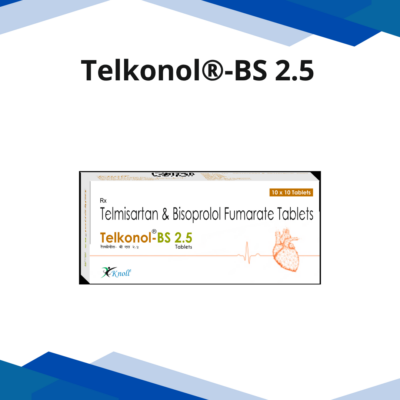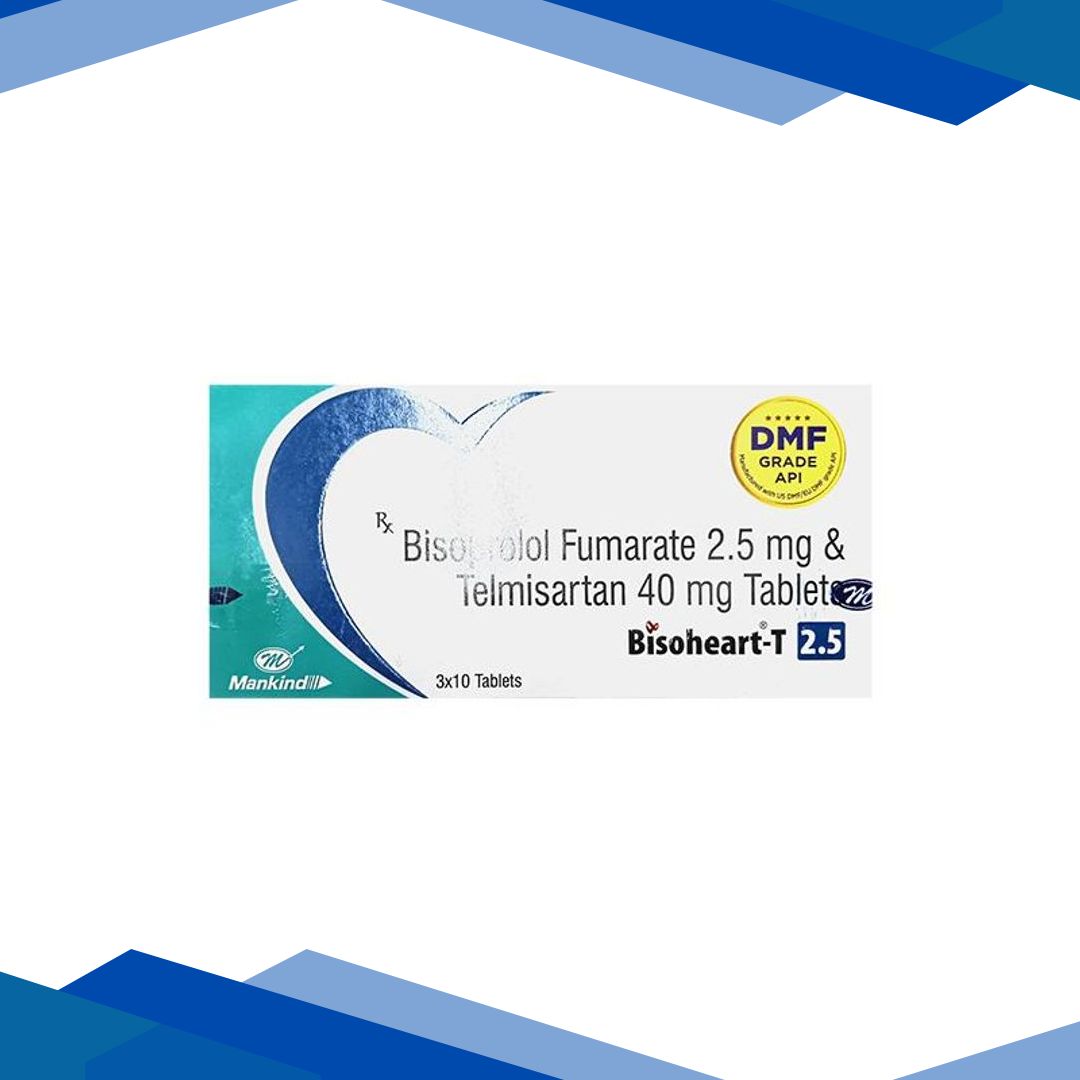
BISOHEART T 2.5 Tablet 10’s
BISOHEART T 2.5 Tablet is a combination medicine used to help protect the heart and blood vessels in people at risk of cardiovascular problems. Aspirin helps prevent blood clots from forming, atenolol slows the heart rate and reduces the heart’s workload, atorvastatin lowers cholesterol levels by reducing harmful fats in the blood, and losartan relaxes blood vessels to help lower blood pressure. Together, these ingredients work in different ways to support better heart health and reduce the risk of heart attack, stroke, and related complications. It is commonly used in conditions such as high blood pressure, high cholesterol, and in patients who need ongoing protection from cardiovascular disease. This medicine should be used under medical supervision as part of a broader treatment plan.
Description
BISOHEART T 2.5 Tablet is a combination medicine used to help manage several major cardiovascular risk factors at the same time. it brings together an antiplatelet agent, a beta-blocker, a cholesterol-lowering statin, and an angiotensin receptor blocker. because heart disease, stroke, and related vascular problems often develop from more than one underlying cause, this type of combination is designed to address platelet clotting tendency, high blood pressure, elevated cholesterol, and strain on the heart in one treatment approach. it is generally used in people who need long-term cardiovascular risk reduction and who may benefit from a simplified regimen, but it should always be used under medical supervision.
each ingredient plays a different role. aspirin helps reduce the ability of platelets to stick together and form harmful clots. atenolol slows the heart rate and reduces the heart’s workload, which can lower blood pressure and decrease oxygen demand by the heart muscle. atorvastatin lowers “bad” cholesterol and triglycerides while helping stabilize fatty deposits in blood vessels, which may reduce the chance of heart attack and stroke. losartan relaxes blood vessels by blocking angiotensin ii receptors, allowing blood to flow more easily and lowering blood pressure. together, these actions may reduce the overall risk of cardiovascular complications when prescribed appropriately.
this medicine may be prescribed for adults who have hypertension with increased cardiovascular risk, established coronary artery disease, prior heart attack, or other conditions where a clinician wants to reduce clotting risk, improve blood pressure control, and manage cholesterol at the same time. it is not a general pain medicine, and it is not meant for every person with high blood pressure or high cholesterol. because it combines several active ingredients, it also carries a broader set of precautions and potential interactions than single-ingredient medicines. patients should understand how to take it correctly and should inform their healthcare professional about any history of bleeding disorders, asthma, liver disease, kidney disease, diabetes, or pregnancy.
ingredients
- aspirin:
aspirin belongs to the salicylate group and works primarily as an antiplatelet medicine in cardiovascular use. it reduces the production of thromboxane a2, a substance that helps platelets clump together. by making platelets less sticky, aspirin helps lower the risk of forming blood clots that can block arteries. in people at risk for heart attack or stroke, this effect can be important for prevention. however, aspirin also increases the risk of stomach irritation and bleeding, so it must be used carefully. - atenolol:
atenolol is a beta-blocker that slows the heart rate and decreases the force of heart contraction. this lowers blood pressure and reduces the heart’s oxygen demand. it can help control symptoms such as palpitations or chest discomfort in some patients and is often used when blood pressure and heart-related risk need to be reduced. atenolol may also help protect the heart after certain cardiac events, but it can sometimes cause tiredness, dizziness, or a slow pulse. - atorvastatin:
atorvastatin is a statin medicine used to reduce ldl cholesterol and triglycerides while modestly raising hdl cholesterol in some patients. it works by blocking hmg-coa reductase, an enzyme involved in cholesterol production in the liver. lowering cholesterol helps slow the build-up of plaque in arteries and may stabilize existing plaque, reducing the risk of heart attack and stroke. it is most effective when combined with a healthy diet and other lifestyle measures. - losartan:
losartan is an angiotensin ii receptor blocker, often called an arb. it relaxes blood vessels by blocking the action of angiotensin ii, a natural substance that causes blood vessels to tighten. with less vessel constriction, blood pressure decreases and blood flow improves. losartan may also help protect the kidneys in certain patients, especially those with diabetes or protein in the urine, but kidney function and potassium levels may need monitoring.
key uses
- reduction of cardiovascular risk:
this combination may be used to help lower the chance of major cardiovascular events such as heart attack and stroke in selected patients who already have risk factors or established disease. it works across several pathways rather than targeting only one problem. - blood pressure control:
atenolol and losartan work together to reduce blood pressure by slowing the heart and relaxing blood vessels. better blood pressure control can reduce strain on the heart, brain, and kidneys over time. - cholesterol management:
atorvastatin helps lower harmful cholesterol levels that contribute to plaque build-up in arteries. this can be especially useful in people with high ldl cholesterol or a history of cardiovascular disease. - antiplatelet protection:
aspirin helps prevent platelets from forming clots that may block narrowed arteries. this is particularly relevant in people with coronary artery disease or a history of vascular events, when prescribed by a healthcare professional. - secondary prevention after heart-related events:
in some patients who have already had a heart attack or are at high risk of recurrent events, a combination like this may support long-term prevention by addressing multiple contributing factors.
how to use
this medicine should be taken exactly as directed by a healthcare professional, because it contains multiple active ingredients and may not be appropriate for self-starting or self-adjusting. it is generally taken by mouth with water, and many patients are advised to take it at the same time each day to maintain consistent blood levels and help with routine adherence. some people may be told to take it with food if stomach upset occurs, especially because of the aspirin component. do not crush, split, or chew the tablet unless a pharmacist or doctor specifically says it is suitable to do so.
because this medicine affects the cardiovascular system in several ways, regular follow-up may be needed to monitor blood pressure, heart rate, cholesterol levels, kidney function, liver enzymes, and any signs of bleeding or muscle problems. lifestyle measures such as a heart-healthy diet, regular exercise as tolerated, weight management, smoking cessation, and limiting alcohol can improve overall outcomes. if you are also taking other medicines for blood pressure, diabetes, pain, blood thinning, or thyroid conditions, make sure your prescriber knows, since dose changes or monitoring may be necessary.
safety information
- warnings:
this medicine can increase the risk of bleeding because of aspirin, especially in the stomach or intestines. it may also cause low blood pressure, slow heart rate, dizziness, or fatigue because of atenolol and losartan. atorvastatin can rarely cause serious muscle injury or liver problems. people with a history of stomach ulcers, bleeding disorders, asthma, severe liver disease, severe kidney disease, heart block, or very slow pulse need special caution. sudden stopping of atenolol may worsen heart symptoms, so changes should be made only with medical guidance. - side effects:
common side effects may include stomach upset, indigestion, nausea, dizziness, headache, tiredness, muscle aches, mild swelling, or a slower-than-usual pulse. serious side effects can include black or bloody stools, vomiting blood, severe abdominal pain, chest pain, shortness of breath, fainting, marked weakness, yellowing of the skin or eyes, dark urine, severe muscle pain, or signs of allergic reaction such as rash, swelling, or trouble breathing. seek urgent medical attention if serious symptoms occur. - precautions:
people who have active bleeding, aspirin allergy, aspirin-sensitive asthma, severe liver disease, major kidney problems, uncontrolled heart failure, bradycardia, or certain conduction disorders may need to avoid this medicine or use it only with specialist supervision. extra caution is needed in older adults, those with dehydration, those taking multiple blood pressure medicines, and patients at higher bleeding risk. blood pressure and pulse should be monitored regularly. - pregnancy/breastfeeding:
this combination is generally not recommended during pregnancy unless a clinician determines the benefit outweighs the risk. losartan can be harmful to an unborn baby, especially later in pregnancy. aspirin, atenolol, and atorvastatin may also pose risks in pregnancy depending on timing and clinical circumstances. breastfeeding safety depends on the individual ingredients and the clinical situation, so a healthcare professional should review use if you are pregnant, planning pregnancy, or breastfeeding. - interactions:
this medicine can interact with blood thinners, other antiplatelet medicines, nsaids such as ibuprofen or naproxen, certain blood pressure medicines, diabetes medicines, some antibiotics or antifungals, hiv medicines, grapefruit products, and alcohol. nsaids may reduce the blood pressure effect of losartan and increase kidney-related risk. alcohol can worsen dizziness and may increase stomach bleeding risk. always tell your doctor or pharmacist about all prescription medicines, over-the-counter products, and herbal supplements you use.
additional information
- storage:
store in a cool, dry place away from excess heat, moisture, and direct sunlight. keep it in the original container if possible and out of reach of children and pets. do not store in a bathroom unless the product labeling specifically allows it. - missed dose:
if a dose is missed, take it when remembered unless it is almost time for the next scheduled dose. if it is close to the next dose, skip the missed dose and return to the regular schedule. do not take extra medicine to make up for a missed dose unless instructed by a healthcare professional. - overdose:
an overdose may cause severe dizziness, very slow pulse, fainting, low blood pressure, breathing difficulty, vomiting, ringing in the ears, confusion, bleeding, or serious heart rhythm problems. this is a medical emergency. call emergency services or a poison center right away and do not wait for symptoms to worsen. - habit forming:
no, this medicine is not considered habit forming. however, it should not be stopped abruptly without medical advice, especially because atenolol and the cardiovascular protective effects may require careful tapering or follow-up.
frequently asked questions
Q: what is BISOHEART T 2.5 Tablet used for?
A: it is used in selected patients to help lower cardiovascular risk by reducing platelet clumping, controlling blood pressure, lowering cholesterol, and easing strain on the heart. a doctor decides whether the combination is appropriate based on your medical history and current condition.
Q: can i take this medicine with food?
A: it can often be taken with or without food, but some people may tolerate it better with food if stomach upset occurs. follow the instructions given by your healthcare professional or pharmacist.
Q: does this medicine cure heart disease?
A: no, it does not cure heart disease. it helps manage risk factors and may reduce the chance of future cardiovascular events when used as part of a broader treatment plan.
Q: can i take ibuprofen or naproxen with it?
A: these medicines may increase bleeding risk and can interfere with blood pressure control or kidney function. check with a healthcare professional before using any nsaid with this combination.
Q: what should i do if i feel dizzy after taking it?
A: dizziness can happen, especially when standing up quickly or when blood pressure is lower than usual. sit or lie down, rise slowly, and contact your healthcare professional if the dizziness is severe, persistent, or associated with fainting.
Q: can i stop taking it if i feel better?
A: do not stop it on your own. blood pressure and cholesterol medicines often work best when taken consistently, and stopping suddenly can be risky in some patients, especially because of the atenolol component.
Q: will it affect my stomach?
A: it may. aspirin can irritate the stomach lining and increase the chance of indigestion or bleeding. report black stools, vomiting blood, or persistent stomach pain immediately.
Q: is it safe for people with diabetes?
A: it may be used in some people with diabetes, but monitoring is important. atenolol can sometimes mask certain low blood sugar symptoms, and losartan may require kidney and potassium checks in some patients.
Q: does it cause muscle pain?
A: muscle aches can happen with statins, including atorvastatin. severe muscle pain, weakness, or dark urine needs prompt medical attention because it can signal a serious reaction.
Q: can i drink alcohol while taking this medicine?
A: alcohol is best limited, because it can worsen dizziness, increase blood pressure variability, and raise the risk of stomach irritation or bleeding with aspirin.
Q: why are regular checkups important with this medicine?
A: because it affects blood pressure, heart rate, cholesterol, kidney function, liver function, and bleeding risk, regular monitoring helps ensure the medicine remains effective and safe.
Q: what if i have asthma?
A: atenolol may worsen breathing problems in some people with asthma or other reactive airway diseases. this should be discussed with a clinician before use.
Q: can this medicine be used during pregnancy?
A: it is generally not recommended during pregnancy, particularly because losartan can harm the unborn baby. if pregnancy is possible or planned, speak with a healthcare professional immediately.
Q: how long does it take to work?
A: some effects, such as blood pressure lowering, may begin relatively soon, while cholesterol-lowering benefits from atorvastatin build over time. the full cardiovascular benefit usually depends on consistent long-term use and monitoring.
Q: do i need to monitor my pulse at home?
A: home monitoring can be helpful, especially if you have a history of slow heart rate, dizziness, or changes in blood pressure. ask your healthcare professional whether this is recommended for you.
this information is for educational purposes only and should not be considered medical advice. always consult a qualified healthcare professional before use.
At Gem Pharmacy, we make every effort to provide accurate, expert-written, and thoroughly reviewed information related to medicines. However, this information should not be considered a substitute for professional medical advice, diagnosis, or treatment from a qualified doctor.
The purpose of this information is to educate users and improve communication between patients and healthcare professionals. It should not be used to diagnose or treat any condition.
Always consult a certified healthcare professional before taking any medication.


Related products