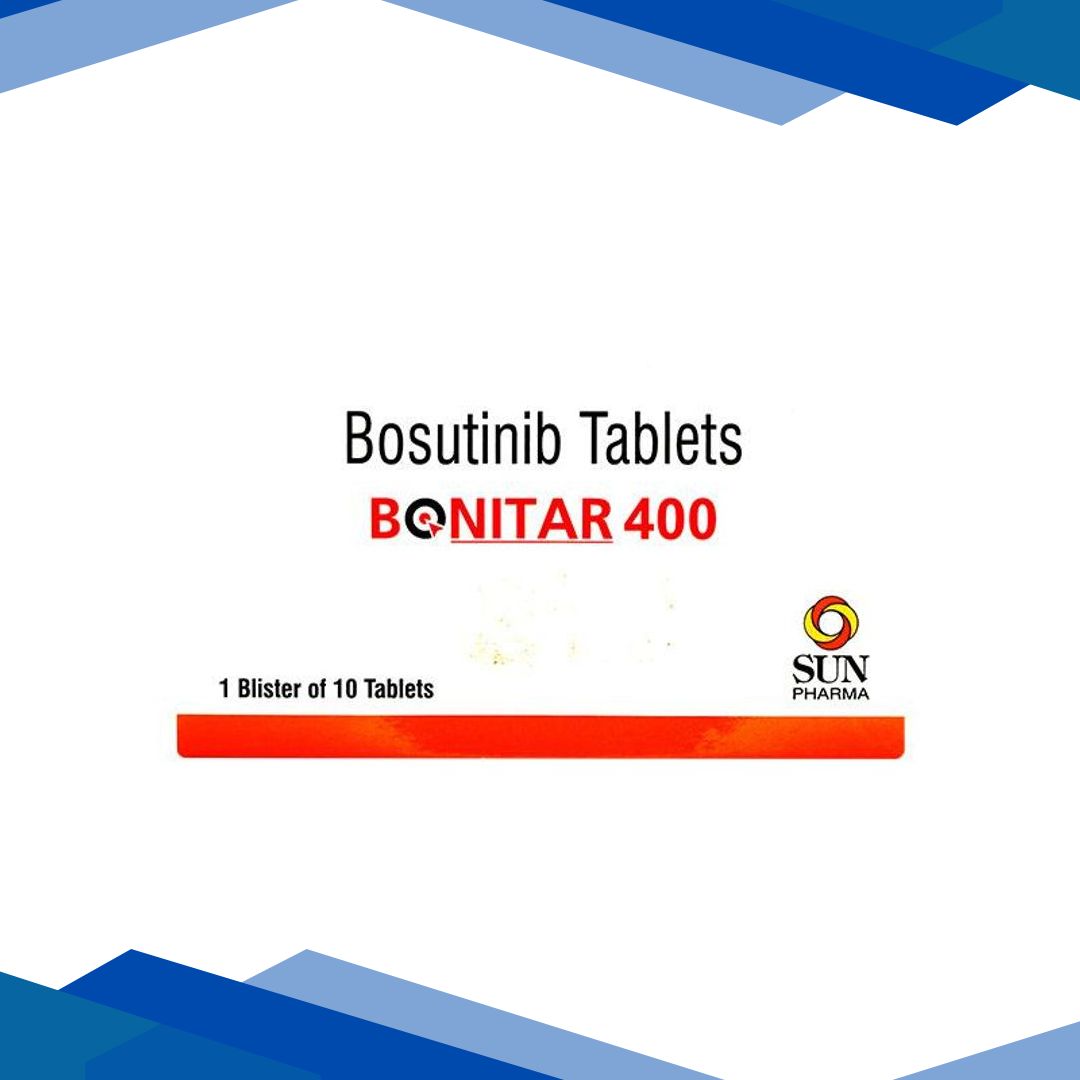
BONITAR 400 Tablet 10’s
❌ Due to high demand, this product is currently out of stock. New stock will be available shortly.
👉 Click here to Buy Same Salt medicine
BONITAR 400 Tablet is a targeted anti-cancer medicine used to treat certain types of blood cancer, especially chronic myeloid leukemia (CML). It works by blocking abnormal proteins called kinases, including BCR-ABL, that help cancer cells grow and survive. By slowing these signals, BONITAR 400 Tablet helps control the number of cancer cells in the body and may support remission in people whose leukemia has not responded well to other treatments or who cannot tolerate them. It is taken under close medical supervision because it can affect blood counts and other body functions. BONITAR 400 Tablet is not a cure, but it is an important treatment option that can help manage CML and improve long-term disease control in appropriate patients.
Description
BONITAR 400 Tablet is an oral anti-cancer medicine used primarily in the treatment of certain blood cancers, especially chronic myeloid leukemia (cml). it belongs to a class of targeted therapies known as tyrosine kinase inhibitors (tkis). unlike traditional chemotherapy, which may affect both healthy and cancerous cells, BONITAR 400 Tablet is designed to interfere with specific abnormal signals that help leukemia cells grow, divide, and survive. by blocking these signals, it helps slow the progression of disease and may reduce the number of cancerous cells in the body.
this medicine is generally prescribed for patients with philadelphia chromosome-positive chronic myeloid leukemia, particularly in chronic, accelerated, or blast phases, depending on the patient’s treatment history and clinical response. it may be used when other treatments are not suitable, ineffective, or not tolerated. because BONITAR 400 Tablet acts on molecular targets involved in cancer growth, it is considered a precision medicine and is used under close supervision by an oncology or hematology specialist.
BONITAR 400 Tablet works by inhibiting bcr-abl and several other kinases involved in cell signaling. the bcr-abl protein is an abnormal tyrosine kinase produced by the philadelphia chromosome, a genetic abnormality commonly found in cml. this abnormal protein drives uncontrolled growth of white blood cells. by blocking this activity, BONITAR 400 Tablet helps suppress the leukemic process. it may also affect src family kinases, which are involved in cancer cell survival and progression. this dual action contributes to its effectiveness in controlling the disease in some patients.
patients taking BONITAR 400 Tablet often require regular monitoring, including blood counts, liver function tests, and assessment for side effects such as fluid retention, diarrhea, or changes in heart and liver function. the medicine is not a cure for leukemia, but it can play an important role in controlling the disease and improving outcomes when taken correctly and consistently. because it has important safety considerations and interacts with several other medicines, it should always be used exactly as directed by a healthcare professional.
ingredients
- BONITAR 400 Tablet: the active ingredient responsible for the therapeutic effect. it selectively inhibits abnormal signaling enzymes that promote the growth and survival of leukemia cells, making it effective in targeted treatment of certain forms of chronic myeloid leukemia.
- inactive ingredients: the exact non-medicinal components may vary by manufacturer and formulation. these ingredients help with tablet stability, absorption, swallowing, and shelf life, but they do not provide the therapeutic effect. patients with allergies or sensitivities should review the product-specific label carefully.
key uses
- chronic myeloid leukemia (cml): BONITAR 400 Tablet is used for the treatment of philadelphia chromosome-positive cml, a type of blood cancer that causes excessive production of abnormal white blood cells. it helps slow or stop the disease process by blocking cancer-driving enzymes.
- cml in different disease phases: it may be used in chronic phase, accelerated phase, or blast phase cml depending on the clinical situation, prior treatment response, and the doctor’s judgment. more advanced disease usually requires closer monitoring and specialist care.
- after intolerance or resistance to prior therapy: BONITAR 400 Tablet may be considered when a patient cannot tolerate another tyrosine kinase inhibitor or when previous therapy has not worked adequately. this makes it an important option in treatment sequencing for cml.
- targeted control of leukemic cell growth: its use is centered on controlling abnormal cell signaling rather than broadly suppressing the immune system. this targeted action can improve disease control while avoiding some effects seen with conventional chemotherapy.
how to use
BONITAR 400 Tablet should be taken exactly as prescribed by a qualified healthcare professional. it is usually taken by mouth once daily, though the exact schedule and total amount depend on the condition being treated, prior therapies, and the patient’s overall health. the medicine is commonly taken with food to improve absorption and reduce stomach upset. swallow the tablet whole with water unless your doctor gives different instructions. do not crush, chew, or split the tablet unless specifically advised to do so.
it is important to take BONITAR 400 Tablet at the same time each day to maintain a steady level of medicine in the body. if vomiting occurs after a dose, do not take an extra dose unless instructed by your doctor. try to follow your treatment plan consistently, because missing doses may reduce the medicine’s effectiveness. do not stop taking BONITAR 400 Tablet on your own even if you start to feel better, since leukemia control depends on ongoing treatment and regular monitoring.
your doctor may recommend regular blood tests and other checks to monitor how well the medicine is working and to watch for side effects. these may include tests for blood cell counts, liver function, and signs of fluid retention or other complications. if you experience severe diarrhea, persistent nausea, unusual bruising, shortness of breath, swelling, or yellowing of the skin or eyes, contact your healthcare provider promptly. if you are unsure about how to take the medicine, consult your pharmacist or prescriber before starting or continuing therapy.
safety information
- warnings: BONITAR 400 Tablet can cause serious side effects, including low blood counts, liver problems, fluid retention, and gastrointestinal effects such as diarrhea. it may also increase the risk of infections or bleeding in some patients. regular monitoring is essential during treatment. patients should seek immediate medical advice if they develop chest pain, severe shortness of breath, fainting, severe abdominal pain, black stools, or signs of liver injury such as dark urine or yellowing of the skin.
- side effects: common side effects may include diarrhea, nausea, vomiting, abdominal discomfort, rash, headache, fatigue, reduced appetite, and swelling. some patients may also experience changes in liver enzymes or blood cell counts. serious side effects can include severe dehydration from diarrhea, significant liver toxicity, allergic reactions, heart rhythm problems, lung problems, and serious bleeding or infection. any unusual or worsening symptom should be reported promptly.
- precautions: use caution in patients with liver disease, heart disease, bleeding disorders, electrolyte abnormalities, or a history of severe gastrointestinal issues. people with low blood counts or active infection may need closer monitoring. BONITAR 400 Tablet should be used carefully in patients who are taking other medicines that affect liver enzymes or heart rhythm. always inform the healthcare provider about all medical conditions and all medicines being used.
- pregnancy/breastfeeding: BONITAR 400 Tablet may harm an unborn baby and is generally not recommended during pregnancy unless the potential benefit clearly outweighs the risk. women who are pregnant or may become pregnant should discuss effective contraception with their doctor. breastfeeding is usually not recommended during treatment because it is unknown whether the drug passes into breast milk and may affect the infant. medical guidance is essential before conception, during pregnancy, or while nursing.
- interactions: BONITAR 400 Tablet interacts with many medicines, especially drugs that affect liver enzymes such as cyp3a4. strong inhibitors or inducers of these enzymes may raise or lower BONITAR 400 Tablet levels, affecting safety and effectiveness. it may also interact with certain antibiotics, antifungals, seizure medicines, tuberculosis medicines, heart rhythm medicines, and herbal products such as st. john’s wort. alcohol may worsen stomach irritation, liver strain, or dehydration, particularly if diarrhea occurs. always provide a full medication list, including over-the-counter products and supplements, to your healthcare professional.
additional information
- storage: store BONITAR 400 Tablet in its original container at room temperature, away from excess heat, moisture, and direct light. keep the bottle tightly closed and out of reach of children and pets. do not store in the bathroom unless the product label specifically allows it. follow the storage instructions on the package or from the pharmacist if they differ.
- missed dose: if a dose is missed, take it as soon as you remember on the same day. if it is almost time for the next dose, skip the missed dose and return to the regular schedule. do not take two doses at once to make up for a missed dose unless your doctor specifically instructs otherwise.
- overdose: an overdose may increase the risk of severe diarrhea, vomiting, dehydration, liver injury, low blood counts, and other serious toxic effects. if too much BONITAR 400 Tablet is taken, seek emergency medical help or contact a poison control center immediately. bring the medicine container if possible so healthcare providers can identify the product and amount involved.
- habit forming: no. BONITAR 400 Tablet is not considered habit forming and does not cause dependence in the way that addictive medicines can. however, it must be taken regularly as prescribed to maintain its therapeutic effect and should not be stopped abruptly without medical advice.
frequently asked questions
q1. what is BONITAR 400 Tablet used for?
BONITAR 400 Tablet is mainly used to treat philadelphia chromosome-positive chronic myeloid leukemia. it helps block abnormal cancer signals that drive the growth of leukemia cells.
q2. is BONITAR 400 Tablet chemotherapy?
no, BONITAR 400 Tablet is not traditional chemotherapy. it is a targeted therapy, meaning it acts on specific enzymes involved in cancer cell growth rather than broadly attacking all rapidly dividing cells.
q3. should BONITAR 400 Tablet be taken with food?
it is commonly taken with food to help improve absorption and reduce stomach-related side effects. follow the instructions from your doctor or pharmacist, as they may vary by treatment plan.
q4. what are the most common side effects of BONITAR 400 Tablet?
common side effects include diarrhea, nausea, abdominal discomfort, rash, fatigue, headache, and swelling. some people may also have changes in liver tests or blood cell counts.
q5. can BONITAR 400 Tablet cause diarrhea?
yes, diarrhea is one of the most common side effects. staying hydrated is important, and severe or persistent diarrhea should be reported to a healthcare professional quickly.
q6. how long does BONITAR 400 Tablet take to work?
the response to treatment varies. some laboratory improvements may appear over time, but the full effect is usually assessed through regular blood tests and doctor follow-up rather than immediate symptom changes.
q7. can i stop taking BONITAR 400 Tablet if i feel better?
no. do not stop treatment without medical advice, even if you feel well. cml can still be active, and stopping suddenly may reduce disease control.
q8. are regular tests needed during BONITAR 400 Tablet treatment?
yes. regular monitoring is important to check blood counts, liver function, treatment response, and possible side effects. your healthcare provider will determine the schedule.
q9. can BONITAR 400 Tablet interact with other medicines?
yes. many prescription drugs, over-the-counter medicines, and herbal products can affect BONITAR 400 Tablet levels or increase side effects. always tell your doctor about everything you take.
q10. is BONITAR 400 Tablet safe during pregnancy?
it may harm an unborn baby and is generally avoided during pregnancy unless specifically recommended by a specialist after careful risk-benefit assessment.
q11. can i breastfeed while taking BONITAR 400 Tablet?
breastfeeding is generally not recommended during treatment because the medicine may pass into breast milk and could affect the infant.
q12. what should i do if i miss a dose?
take it when you remember on the same day, but if the next dose is near, skip the missed one. do not double up unless instructed by your doctor.
q13. what symptoms require urgent medical attention?
seek urgent help for chest pain, trouble breathing, fainting, severe diarrhea, signs of bleeding, severe weakness, yellowing of the eyes or skin, or severe swelling.
q14. is BONITAR 400 Tablet a cure for leukemia?
BONITAR 400 Tablet is not usually considered a cure, but it can be an important part of long-term disease control and management for appropriate patients.
q15. why is monitoring liver function important?
BONITAR 400 Tablet can affect the liver in some patients, sometimes causing elevated enzymes or more serious injury. liver tests help detect problems early so treatment can be adjusted if needed.
q16. can BONITAR 400 Tablet be taken with alcohol?
alcohol is best limited or avoided unless your doctor says otherwise, because it may worsen side effects such as stomach upset, dehydration, or liver stress.
q17. what if i have severe diarrhea while taking BONITAR 400 Tablet?
severe diarrhea can lead to dehydration and weakness. drink fluids if able and contact your healthcare provider promptly for advice. medical treatment may be needed.
q18. do i need to take BONITAR 400 Tablet at the same time every day?
yes, taking it at the same time each day helps maintain consistent medicine levels and supports better treatment adherence.
q19. can BONITAR 400 Tablet be used in children?
use in children is specialized and depends on regulatory approval, available evidence, and specialist judgment. a pediatric hematology or oncology expert should guide treatment.
q20. who should not take BONITAR 400 Tablet without medical supervision?
people with significant liver disease, uncontrolled heart problems, active bleeding, severe dehydration, or those taking interacting medicines should not use it without close medical supervision.
this information is for educational purposes only and should not be considered medical advice. always consult a qualified healthcare professional before use.
At Gem Pharmacy, we make every effort to provide accurate, expert-written, and thoroughly reviewed information related to medicines. However, this information should not be considered a substitute for professional medical advice, diagnosis, or treatment from a qualified doctor.
The purpose of this information is to educate users and improve communication between patients and healthcare professionals. It should not be used to diagnose or treat any condition.
Always consult a certified healthcare professional before taking any medication.


Related products