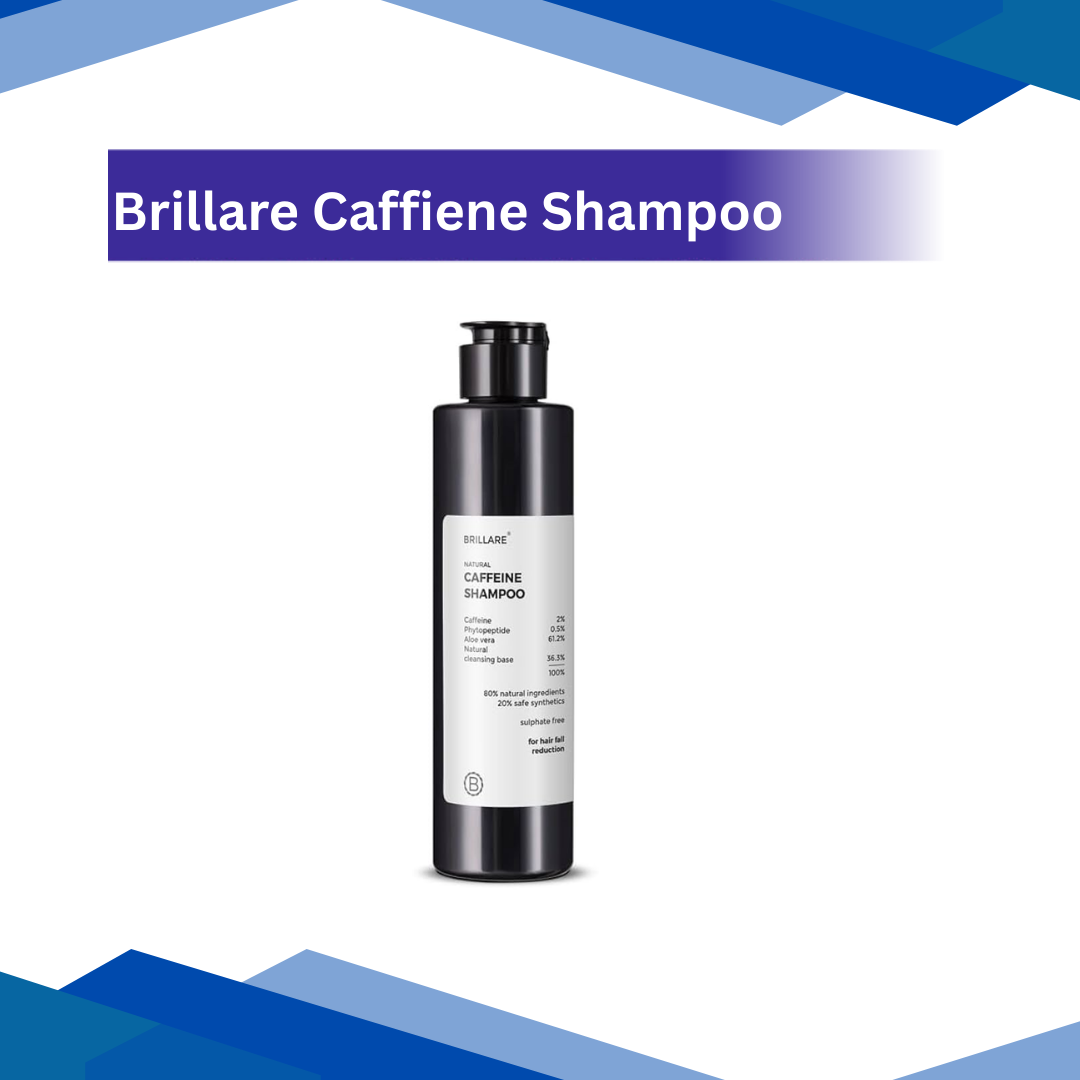
Brillare Caffiene Shampoo
Brillare Caffeine Shampoo is a hair‑fall control shampoo that helps strengthen weak strands, reduce breakage, and support healthier hair growth. For more details kindly click on Medicine Salts below :
Aloe Vera
One such potent botanical extract has been known since ancient times as Aloe Vera, commonly referred to as "plant of immortality!" In dermatology and gastroenterology, Aloe Vera has a strong presence. Aloe Vera contains more than 75 bio-active compounds, including vitamins, enzymes, minerals, and amino acids, all acting as natural anti-inflammatories and antiseptics. It is used as a skin healer in pharmaceutical grades in topical gels, and as an oral ingestion or juice to support digestive health, and glycaemia control.
Summary of Medical Benefits and Uses
Dermatological use: Acceleration of the healing of first and second-degree burns and sunburn by stimulation of collagen synthesis
Herpes healing properties: Acts as a mild and natural relief for the stomach lining to bring relief from their respective complaints of acid reflux and irritable bowel syndrome.
A further beneficial indication, as borne out in some clinical trials, is that the intake of Aloe Vera juice may reduce fasting blood glucose levels among Type 2 Diabetes patients.
Controlled and subsequent oxidative injuries by improving the strength of antioxidants within the body, thereby conferring viable protection against dangerous pathogens.
Natural biocide effects which fight against the limited growth of any bacteria, Franken-drug, bacteriacidal, bad for the skin or gums, along with acute infections
Assists with breaking down bad digestive enzymes.
Appearance and Composition
100% Aloe Barbadensis Leaf Juice
Emollient / Digestive Tonic
Grade Standards
Paraben Free, Sulphate Free,No Added Artificial Colorants.
Dominant Ingredients
Acemannan (Complex Carbohydrates) 30%, Vitamin E 0.35%, Zinc 0.14%
Usage Information
For Skin/Hair: Apply the preferred amount to the affected area. For a cool effect, keep in the refrigerator for about 15 minutes before use.
For Digestive Health: If using orally, mix 20–30 mL twice with an equal amount of water to be consumed one take empty stomach.
Concern: Best results are seen from application or consumption when done continuously for 7-10 days.
Cautions/Attention
Patch Testing-Most importunately Always carry out a small patch test on the inner wrist to make sure no reactions occur from rare plantallergies with this botanical.
Pregnancy & Nursing-It is typically not suggested to take orally Aloe Vera latex or supplements during pregnancy, as it may cause uterine contractions and stomach cramps.
Surgical Note-When a patient has plans for surgery, it is advised that oral intake be stopped at least 2 weeks before the set date, as it may interfere with the blood sugar marker upon procedure.
Laxative Effect: High intake can cause diarrhea or abdominal cramps because of the presence of aloin.
Frequently Asked Questions (FAQs)
Q: Should Aloe Vera gel be put on open wounds?
Although suitable for minor burns and scrapes, avoid applying Aloe Vera to deep, infected or surgical wounds without the advice of a surgeon since it might prevent the natural closing of deeper tissue.
Q: Are the "Gel" and "Juice" different?
Yes. Gel meant for topical use is the thick substance found inside the leaf. The juice is usually treated for a drink to assist digestion. However, never consume gel meaning only for topical use.
Q: Is Aloe Vera good acne?
Aloe Vera does have some antibacterial properties which can help reduce acne-causing bacteria and reduce the redness on skin after any outbreak. For cystic acne, use prescription medication in addition to an ointment.
Q: Why some Aloe Vera looks green, while some are clear?
Natural Aloe Vera gel is usually clear or slightly yellowish. Gels with bright green color are bound to contain artificial dyes that add no therapeutic potential. The clearest and fragrance-free version is usually the best option for medicinal use.
Q: Can it be used as a moisturizer for oily skin?
Definitely yes. Non-comedogenic in nature, it will hydrate without clogging pores or causing any greasiness, thus being a perfect remedy for oily or acne-prone skin types.
Storage Tips
Shelf Life: Your bottle of aloe Vera should be placed in a cool, dry place that's away from direct heat. Being an organic plant material, one must understand that it will gradually darken: rather often seen as the process of normal aging and oxidation. An increase in color should not be seen as the product is unacceptable.
Important Considerations: The information given is only general information. Therefore, the reader must not seek self-therapeutic advice but contact his/ her attending physician or dermatologist for the same.
Caffeine
Caffeine 100/200 mg Tablet
Caffeine is a potent Central Nervous System (CNS) stimulant belonging to the class of methylxanthines. When fatigued or drowsy, most users will turn to this compound for a successful return to mental alertness or wakefulness. Instead of merely using Caffeine in the treatment of patient's energy levels, the drug is very useful in aiding the treatment of pain medications giving great recourse to enhance analgesics along with Paracetamol or Aspirin and then in selected treatment conditions where respiratory symptoms are overt.
Indications
Mental Alertness: Serves as a quick aid to improved concentration and focus with a rapid cognitive processing speed.
Relief of Pain: Assists in the relief of migraines and tension headaches as an adjuvant.
Physical Performance: Reduces perception of effort and fatigue during high-intensity exercise.
Respiratory support: In a neonatal unit, under close medical supervision, Caffeine is used to manage apnea of prematurity.
Mechanism of Action
Caffeine works primarily as an adenosine receptor antagonist in the brain. Adenosine is a naturally occurring neurotransmitter that promotes relaxation and sleep; thus, by inhibiting its receptor binding, caffeine suppresses the onset of fatigue/lassitude. Additionally, it causes an excess release in the brain of the neurotransmitters dopamine and norepinephrine, which improve mood and make one more perceptive.
Usage/Dosage Instruction
For Adults: 100 to 200 mg every 3 to 4 hours as needed.
Maximum Doses: Not to exceed 400 mg in a 24-hour period.
How to Use: Swallow the tablet with water; it can be taken without food or with some light snack to reduce stomach acidity.
Safety Information and Warnings
Pregnancy and Breastfeeding: Limit intake. At high doses, they are linked with low birth weight. Consult your OB-GYN.
Cardiovascular diseases: Use with extreme caution if you have hypertension (high blood pressure) or even heart diseases, as these may cause increased heart rate.
Anxiety Disorders: Stress, tremors, and panic attacks can exacerbate symptoms in people with sensitivity.
Sleep Hygiene: Consumption of tablets past six hours before bedtime may cause sleep obstruction.
Possible Side Effects
Generally well-tolerated at recommended doses, yet some users may occur:
Nervousness or "jitters"
Increased heart rate (palpitations)
Urination: more frequent (diuretic effect)
Digestive Troubles or Heartburn
Headaches (Often associated with the withdrawal of caffeine)
Frequently Asked Questions
Q: Can I take Caffeine tablets instead of sleeping?
A: No. Caffeine tablets are a stimulant and not a sleep substitute. Caffeine has the ability to mask sleep with tiredness, and not to play a healing biological role in sleep.
Q: Can I combine these tablets with coffee or energy drink?
Limit other caffeine sources while taking these tablets, or else you could easily take a dose of 400mg or more throughout the day, which would easily exacerbate caffeine toxicity symptoms like severe anxiety or a racing heartbeat.
Q: Why is caffeine included in pain relievers?
Caffeine constricts blood vessels in the brain which helps the body absorb pain-relief medication like Ibuprofen 40 percent faster, thus enabling better relief from a migraine.
Q: Can caffeine cause dehydration?
Caffeine tends to encourage increased urination; the substances do not lead to dehydration in those who habitually consume enough fluids throughout the day.
Q: Can Children Take No-Doz Caffeine Tablets?
No-Doz tablets should be avoided in children under 12 years of age; adolescent consumption should be exercised only under parental or medical guidance.
Expert Opinion
Pro Tip: For beginners of caffeine, a dose of 100 mg or below will work in order for the beginning while assessing tolerance. Keep the "crash" under control by keeping yourself hydrated and getting the necessary amount of sleep without relying on stimulants for exhaustion you might get due to chronic lack of sleep.
Disclaimer: Information presented here is for educational purposes only, not in the place of professional medical advice. Consult your physician before starting the regimen mentioned herein.
Lactic Acid
Lactic Acid (Alpha Hydroxy Acid-AHA)
Lactic Acid is a potent Alpha Hydroxy Acid (AHA) that naturally occurs in the body and is widely used in therapeutic skincare. Known as a “gold standard” exfoliant, it also offers hydrating benefits. With its ability to exfoliate and condition the skin, Lactic Acid helps treat hyperpigmentation, xerosis (dry skin), and keratosis pilaris. Its larger molecular size allows it to work more superficially, making it gentler than stronger acids.
Primary Therapeutic Actions
Gentle Exfoliation: Breaks the “glue” binding dead skin cells, promoting cell turnover and revealing brighter, smoother skin.
Natural Humectant: Enhances moisture retention, preventing dryness unlike harsher exfoliating acids.
Pigmentation Correction: Helps reduce dark spots, age spots, and sun damage by accelerating skin renewal.
Antimicrobial Properties: Supports the skin’s acid mantle, helping prevent acne-causing bacteria growth.
Some Known Formulations
Dermatological: Found in creams for eczema, psoriasis, and xerotic skin.
Cosmetic: Used in chemical peels and daily serums for a “glass skin” effect.
Hygiene: Common in vaginal washes to maintain a healthy pH balance (3.5–4.5).
How to Use & Tips
(A) Concentration Matters: Avoid high concentrations in DIY use. Prefer 5%–10% formulations over stronger 30% professional peels.
(B) Sun Sensitivity: AHAs increase sun sensitivity—always use SPF 30 or higher.
(C) Patch Test: Test on a small area (behind ear or inner forearm) before full application.
(D) Application: Apply to clean, dry skin at night, followed by a moisturizer.
Safety Points
Dermatologist Pro Tip: Avoid combining high-strength AHAs (like lactic acid, glycolic acid) with retinoids or high-dose Vitamin C simultaneously—alternate usage instead.
Avoid Broken Skin: Do not apply on open wounds, sunburn, or active rashes.
Tingling Sensation: Mild tingling is normal, but discontinue if it progresses to burning or redness.
Potential Side Effects
Though considered a gentler AHA, some may experience:
Mild redness or flushing
Peeling or flaking (usually temporary and mild)
Increased sensitivity to heat or wind
Popular Questions (FAQs)
Q: Can I use lactic acid every day?
A: Yes, at low concentrations (<10%), but start with 2–3 times per week and increase gradually based on skin tolerance.
Q: Does it help with dark spots?
A: Yes, by removing dead skin cells and promoting cell turnover, it helps even skin tone and fade pigmentation.
Q: Does Lactic Acid unclog pores?
A: It doesn’t directly unclog pores but helps resurface the skin, making pores appear less congested.
Q: Can it be used on feet in winter?
A: Yes, especially in formulations combined with glycolic acid, to treat dry, rough skin.
Q: How does it help with adult acne?
A: It supports skin renewal and reduces bacterial growth, though treatments like benzoyl peroxide may also be recommended.
Note: The skin cell turnover cycle is about 28 days. Visible improvement in texture may appear within 1 week, while significant results typically occur after 4–6 weeks of consistent use.
Vital Plant Extracts
At Gem Pharmacy, we make every effort to provide accurate, expert-written, and thoroughly reviewed information related to medicines. However, this information should not be considered a substitute for professional medical advice, diagnosis, or treatment from a qualified doctor.
The purpose of this information is to educate users and improve communication between patients and healthcare professionals. It should not be used to diagnose or treat any condition.
Always consult a certified healthcare professional before taking any medication.


Related products