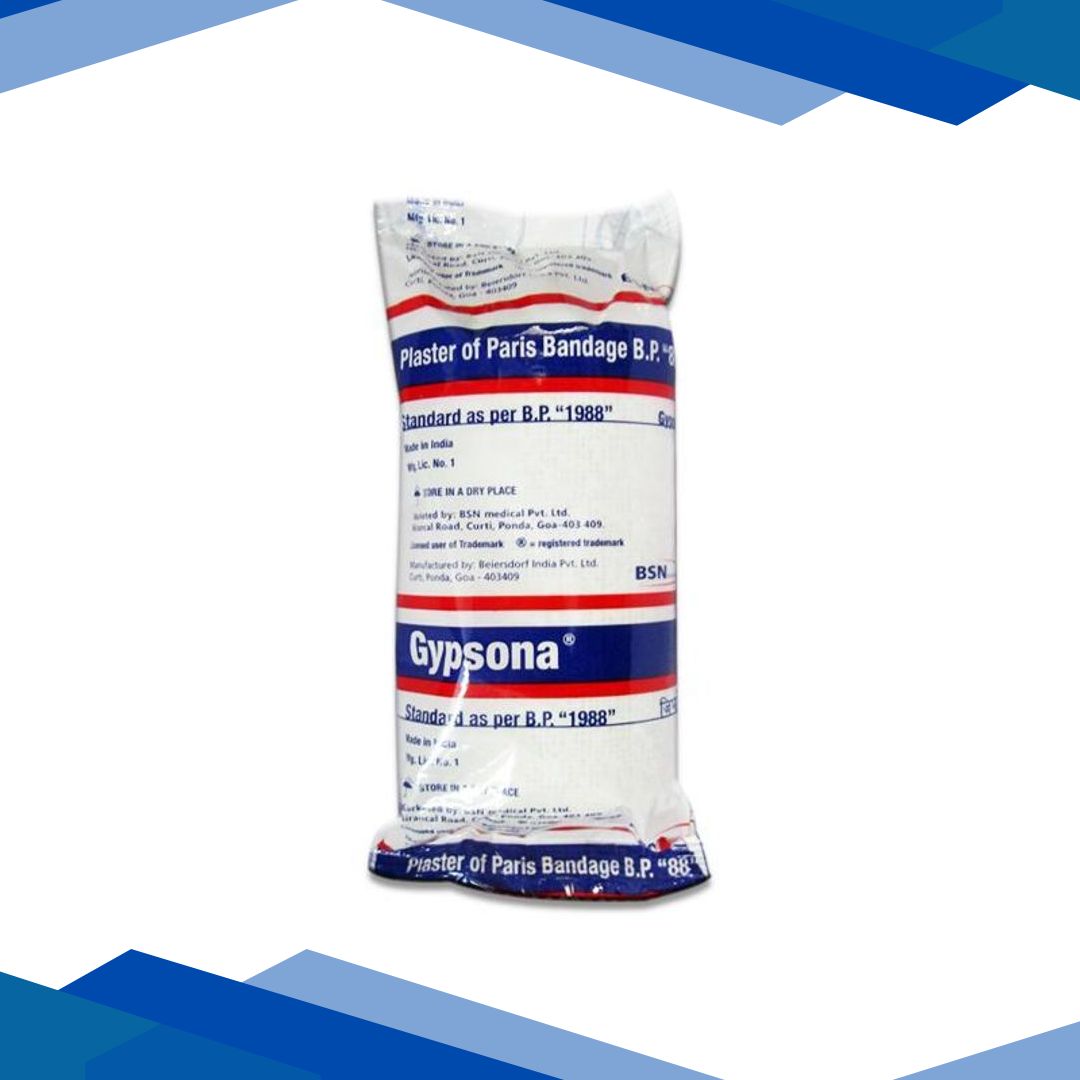
BSN Gypsona Bandage 2.7 m X 10 cm
❌ Due to high demand, this product is currently out of stock. New stock will be available shortly.
👉 Click here to Buy Same Salt medicine
BSN Gypsona Bandage 2.7 m X 10 is an anti-venom medicine used to help treat bites from certain venomous snakes. It works by containing antibodies that can bind to and neutralize venom toxins from cobra, common krait, and Russell’s viper, helping reduce the harmful effects of the bite. This medicine is mainly used in emergencies to manage snake envenomation and may help control symptoms such as swelling, bleeding problems, nerve weakness, muscle paralysis, and breathing difficulties, depending on the snake involved. It is given under medical supervision, usually in a hospital setting, because patients need close monitoring for response and possible allergic reactions. Early treatment can improve outcomes and reduce serious complications.
Description
BSN Gypsona Bandage 2.7 m X 10 is a polyvalent antivenom preparation used in the treatment of venomous snakebite. it is designed to neutralize the clinically important toxins found in bites from some of the most dangerous snakes, particularly cobra, common krait, and russell’s viper. in practical medical use, this type of antiserum is given urgently in a hospital setting when a patient is suspected or confirmed to have systemic envenomation, meaning the venom has spread beyond the bite site and is affecting the blood, nerves, muscles, or organs.
this medicine works by supplying antibodies that bind to venom molecules and help inactivate them before they can continue to damage the body. snake venoms can cause paralysis, bleeding disorders, tissue injury, kidney injury, shock, and even death. because venom effects can progress rapidly, the antiserum is one of the most important treatments in snakebite management. it does not reverse all damage that has already occurred, but it can stop further toxicity and give the body time to recover. early medical evaluation is essential because the decision to use antivenom depends on the type of snake, the symptoms, and the severity of envenomation.
this preparation is intended for emergency medical use only and is generally administered by trained healthcare professionals. it is not a medicine for self-use, home use, or delayed treatment. its benefit is greatest when given appropriately and promptly after assessment. along with antiserum, patients may also need wound care, pain relief, monitoring, breathing support, treatment for clotting problems, and observation for allergic reactions. because snakebites can be unpredictable and symptoms may worsen over time, professional monitoring is a critical part of treatment.
the exact response to treatment varies depending on how much venom was injected, the species involved, the time since the bite, and the patient’s overall health. the medicine is particularly important in areas where venomous snakes are common and laboratory confirmation of the exact species is not always available. in such cases, a polyvalent antiserum is used because it targets venom from multiple medically significant snakes.
ingredients
- snake venom antiserum: the active therapeutic component. it contains antibodies produced against snake venoms and helps neutralize circulating venom toxins in the bloodstream. its role is to stop progression of envenomation, reduce the severity of complications, and lower the risk of life-threatening effects when used appropriately.
- standard cobra venom: used as one of the immunizing venom components in the manufacturing process. it helps the antiserum develop antibodies capable of targeting cobra venom toxins, which are commonly associated with neurotoxic effects such as muscle weakness, drooping eyelids, swallowing difficulty, and respiratory paralysis.
- standard common krait venom: included to generate antibodies against common krait venom. krait bites are especially dangerous because they may initially cause minimal pain or swelling but later lead to severe neurotoxicity and respiratory failure. antibodies against this venom are crucial for neutralization.
- standard russels viper venom: used to produce antibodies against russell’s viper venom. this venom is often associated with bleeding abnormalities, low blood pressure, kidney injury, and local tissue damage. the antiserum helps reduce these systemic toxic effects.
key uses
- treatment of venomous snakebite: used when a patient shows signs of envenomation after a bite from a medically significant snake, especially cobra, common krait, or russell’s viper.
- management of neurotoxic symptoms: helps treat venom-related nerve and muscle problems such as progressive weakness, facial drooping, difficulty speaking, difficulty swallowing, and breathing compromise.
- correction of bleeding abnormalities: may be used when venom causes abnormal clotting, spontaneous bleeding, or laboratory evidence of coagulopathy related to viper envenomation.
- prevention of worsening systemic toxicity: can stop further spread of venom effects and reduce the likelihood of severe complications if administered in time.
- emergency life-saving support: often given as part of urgent hospital care to reduce the risk of respiratory failure, shock, organ injury, and death.
how to use
this medicine should only be given in a hospital or emergency care setting by qualified healthcare professionals. it is usually administered intravenously after the patient has been assessed for signs of envenomation and after appropriate preparation for possible allergic reactions. before administration, clinicians may monitor vital signs, assess breathing, and perform tests to determine clotting status and other complications. because antiserum can cause severe hypersensitivity reactions in some patients, close supervision is necessary throughout the infusion.
the exact amount and infusion speed are determined by the treating team based on the severity of the bite, the patient’s clinical condition, and local treatment protocols. the antiserum is not meant to be taken by mouth, applied to the wound, or used without medical supervision. it is most effective when used as soon as signs of venom effect are recognized. even after receiving the medicine, the patient usually needs continued observation because symptoms can recur or progress, and repeated assessment may be required. supportive care remains important, including management of pain, wound care, hydration, respiratory monitoring, and treatment of complications.
safety information
- warnings: this is an emergency antivenom product and should only be used when indicated. it can cause serious allergic reactions, including rash, itching, wheezing, swelling, low blood pressure, and in rare cases anaphylaxis. medical teams should be ready to manage reactions immediately. delayed serum sickness may occur days after treatment and can cause fever, rash, joint pain, and malaise. the product should not be used casually for minor or non-venomous bites without proper evaluation.
- side effects: common side effects may include fever, nausea, vomiting, headache, flushing, itching, mild rash, chills, and temporary discomfort during infusion. serious side effects may include anaphylactic shock, breathing difficulty, bronchospasm, severe hypotension, swelling of the face or throat, and serum sickness. less commonly, patients may experience worsening symptoms if the venom has already caused significant tissue or organ damage before treatment.
- precautions: use with caution in patients with a history of allergy to antivenom products, asthma, or previous severe hypersensitivity reactions. extra care is needed in children, older adults, and patients who are already unstable, dehydrated, or having breathing problems. patients with kidney disease, clotting disorders, or severe systemic illness need close monitoring because snakebite itself may worsen these conditions.
- pregnancy/breastfeeding: in life-threatening snakebite, antivenom may still be used during pregnancy or breastfeeding because the danger of untreated envenomation can be greater than the potential medicine risk. however, the decision should be made urgently by a qualified clinician who can weigh maternal and fetal safety. monitoring is important in all pregnant patients.
- interactions: there are no classic food interactions, but alcohol should be avoided because it may worsen dizziness, dehydration, or confusion in an already ill patient. other medicines that affect blood pressure, breathing, or allergy response may complicate treatment and should be reviewed by the medical team. patients should inform clinicians about all current medicines, especially asthma medicines, blood thinners, antihypertensives, and any history of previous antivenom exposure.
additional information
- storage: store as directed by the manufacturer and hospital protocol, usually in a controlled environment away from excessive heat, moisture, and direct light. do not freeze unless the product labeling specifically permits it. keep it out of reach of unauthorized persons and always check expiration dates before use.
- missed dose: this medicine is not typically used on a scheduled home dosing plan, so “missed dose” usually does not apply in the usual sense. if a planned hospital dose or repeat assessment is delayed, the healthcare team should be informed immediately because timing can be critical in snakebite management.
- overdose: excessive use may increase the risk of allergic reactions and may not provide additional benefit once venom has been adequately neutralized. if too much is given or a severe reaction occurs, urgent medical treatment is needed. management may include stopping the infusion, airway support, oxygen, fluids, and emergency medicines for allergy or shock.
- habit forming: no. this medicine is not habit forming and does not cause dependence. it is an emergency biological product used for a specific toxic exposure rather than for routine symptom control.
frequently asked questions
Q: what is BSN Gypsona Bandage 2.7 m X 10 used for?
A: it is used in emergency treatment of snakebite envenomation caused by medically important venomous snakes, especially cobra, common krait, and russell’s viper. it helps neutralize venom toxins and reduce dangerous complications such as paralysis, bleeding, and organ damage.
Q: can this medicine be used at home after a snake bite?
A: no. it should only be used in a hospital or emergency setting by trained healthcare professionals. snakebite can become life-threatening quickly, and antiserum may cause severe allergic reactions that require immediate treatment.
Q: how does this antiserum work in the body?
A: it contains antibodies that bind to venom toxins and help neutralize them. this reduces the ability of the venom to continue damaging nerves, muscles, blood, kidneys, and other organs.
Q: does antiserum cure all effects of a snakebite?
A: not always. it can stop further venom action, but it cannot undo all damage that has already happened. patients may still need supportive care, monitoring, and treatment for complications.
Q: what are the most common side effects?
A: common side effects include fever, rash, itching, chills, nausea, headache, and discomfort during infusion. some patients may develop more serious allergic reactions that need urgent treatment.
Q: what is serum sickness?
A: serum sickness is a delayed immune reaction that can occur days after antiserum treatment. it may cause fever, rash, joint pain, and general unwellness, and it should be assessed by a healthcare professional.
Q: why is observation needed after giving this medicine?
A: observation is important because snakebite symptoms can worsen, recur, or affect breathing and circulation. the patient also needs monitoring for allergic reactions and for improvement in clotting or nerve function.
Q: is it safe during pregnancy?
A: in a life-threatening snakebite, doctors may still use antivenom during pregnancy because untreated envenomation can be extremely dangerous. the risk-benefit decision should be made urgently by a clinician.
Q: can it be used for any snake bite?
A: no. it is intended for venomous snakebites where the clinical picture supports envenomation. non-venomous bites do not benefit from antiserum, and unnecessary use may expose the patient to avoidable risks.
Q: what should i do immediately after a suspected snake bite?
A: seek emergency medical care right away. keep the person calm and still, immobilize the limb if possible, remove rings or tight items, and do not cut, suck, or apply ice to the bite. hospital assessment is essential as soon as possible.
Q: can alcohol or other medicines interfere with treatment?
A: alcohol can worsen dehydration and confusion, so it should be avoided. other medicines may affect blood pressure, breathing, or bleeding risk, so the treating team should be told about everything the patient has taken.
Q: is this medicine habit forming?
A: no. it is not habit forming. it is a specialized emergency treatment used only when snake venom has caused or is likely to cause serious toxicity.
this information is for educational purposes only and should not be considered medical advice. always consult a qualified healthcare professional before use.
At Gem Pharmacy, we make every effort to provide accurate, expert-written, and thoroughly reviewed information related to medicines. However, this information should not be considered a substitute for professional medical advice, diagnosis, or treatment from a qualified doctor.
The purpose of this information is to educate users and improve communication between patients and healthcare professionals. It should not be used to diagnose or treat any condition.
Always consult a certified healthcare professional before taking any medication.


Related products
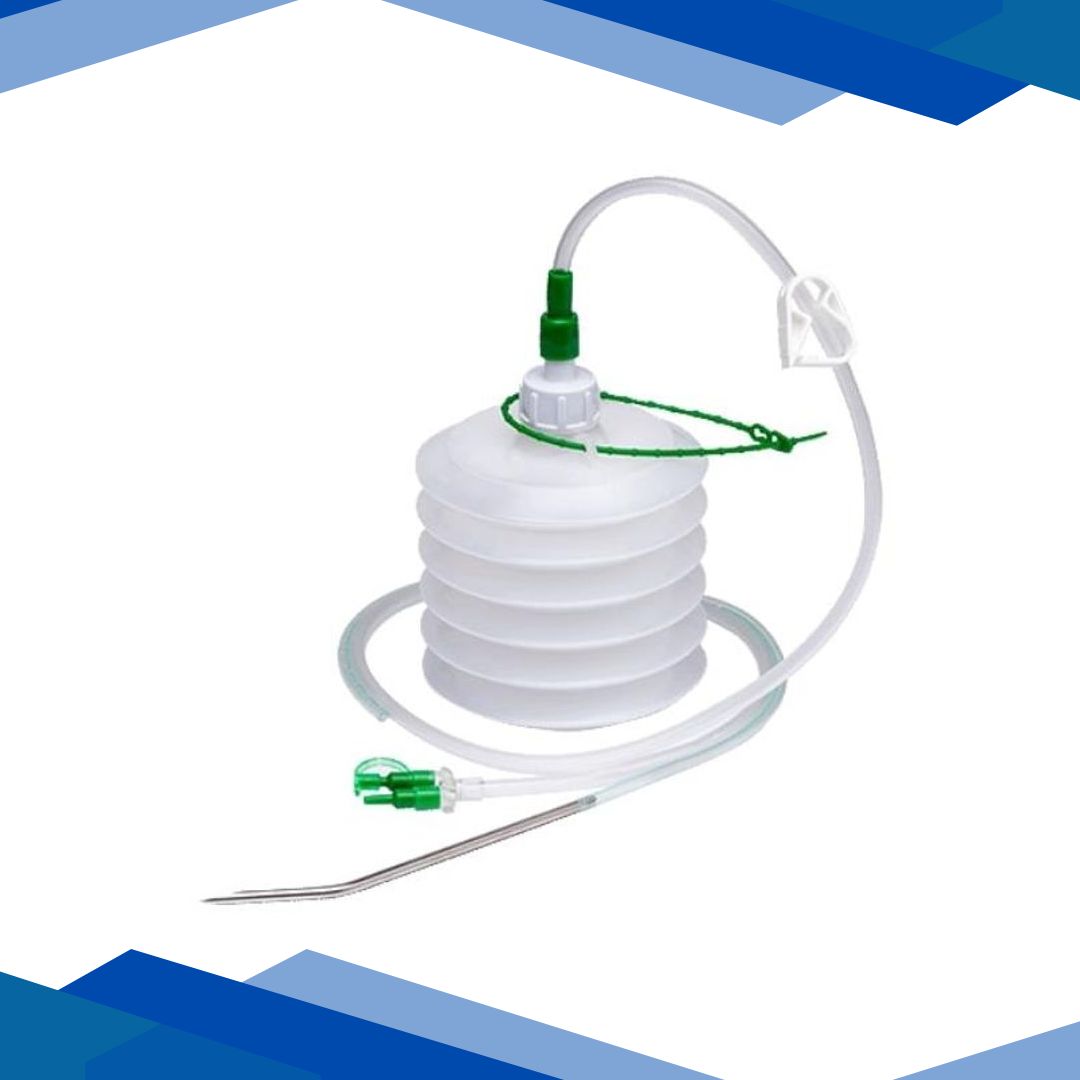
Romsons Romo Vac Set – FG-12
Romsons Romo Vac Set – FG-10