bentonite
Bentonite: An Old Yet New Clay for Modern Detoxification
Bentonite clay, also known as Montmorillonite clay, is a potent medicinal clay made from volcanic ash. It has the special quality that, when hydrated, it has an electrical charge, so Bentonite works as an attraction-or-moving type enzyme for all heavy metals and other fluid-poisons in the body. Whether one intends to use it on the skin for beauty and healing or internally for digestive detoxification, bentonite remains an extremely versatile practitioner of natural therapies.
Utterly Tasteful (List of) Useful Purposes
Digestive Detoxification: Helps determine symptoms of bloating, flatulence, and Irritable Bowel Syndrome (IBS) by absorbing dietary toxins in the gut.
Skin Health: Bentonite is quite effective on pimples, greasy skins, contact dermatitis, to name a few. Because it sops an excess of sebum and bacteria out of the pores, which heals the acne worsened by dirt in the clogged pores.
Heavy Metal Chelation: It is a predominant choice to help the body expel environmental metals such as lead, mercury, cadmium, etc.
From chemical or microbiological points of view, test results on ingredients also interpreted claims of activity.
Terminology conflict: Its high absorbance capacity will limit the effectiveness of oral medication when taken together. It is prescribed to be taken 2 hours before or after any prescription medication.
An eye for high quality: “Food Grade” or “USP Grade” Bentonite should be used internally to avoid the possibility of high natural-lead or arsenic contamination from the clay.
Pregnant individuals: Before using bentonite, seek advice from a practitioner if you are pregnant or nursing, because the effects of the clay with respect to mineral absorption in full pregnancy are not well known.
Frequently Asked Questions (FAQs)
Q1. Can you eat bentonite clay?
Those in the category of “Food Grade” or “Medicinal Grade” bentonite are safe for internal use. It is to be taken with food from time to time, which is normally some of the clay mixed fully in a clar glass of water. It can also be consumed in small amounts, say a teaspoon per glass of water, but it is recommended as a supplement for small periods of time—a warning in case you require one.
Q2. How long can I keep a Bentonite mask on my face?
5-10 minutes maximum if your skin is adoringly sensitive; for standard to oily skin, 15-20 minutes is fine. You may feel a “pulsing” or tightening sensation in your face. This will be just fine as long as the clay dries out completely and pulls those impurities out.
3. Can Bentonite be utilized in treating acid reflux?
Some users place faith in Bentonite to balance excess stomach acid and soothe their esophagus. But, treated for as long as it has been, acid reflux should receive medical evaluation by a gastroenterologist to rule out any underlying conditions.
4. Is Bentonite clay date debility applicable?
In its dry form, Bentonite clay does have a very long shelf life. Stored in a cool and dry environment within a non-metal container will maintain the high quality of Bentonite for an indefinite period. Once Hydrated with water, it will need to be used shortly after mixing; otherwise, it is recommended that you pitch it because it could attract bacteria.
5. Why should I not use metal spoons with Bentonite clay?
When it comes to detoxifying rather large quantities of clay, soaking the dirtlike clay in hot calcium-magnesium mineral water for up to two hours is a must. Jaroslav Russ says that while there have been no reports of anyone having prematurely died by attempting this once a week, or even once a month, when all the impurities are washed away and the clay takes on the water it craves, one may then look like a dried mushroom–certainly undesirable but well fed.
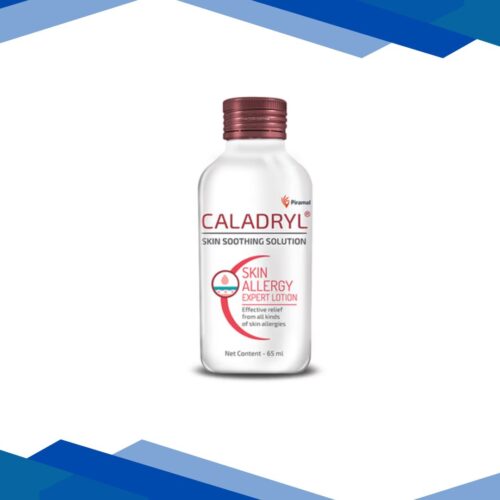
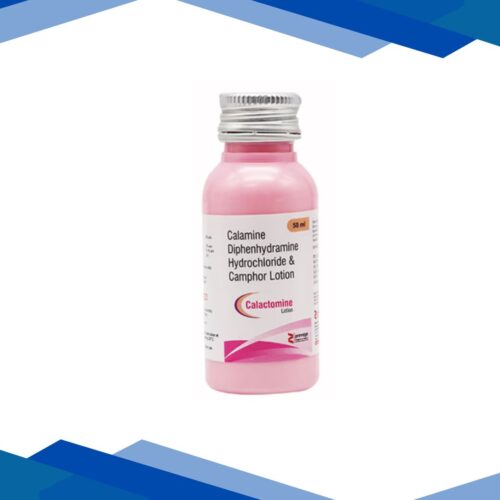
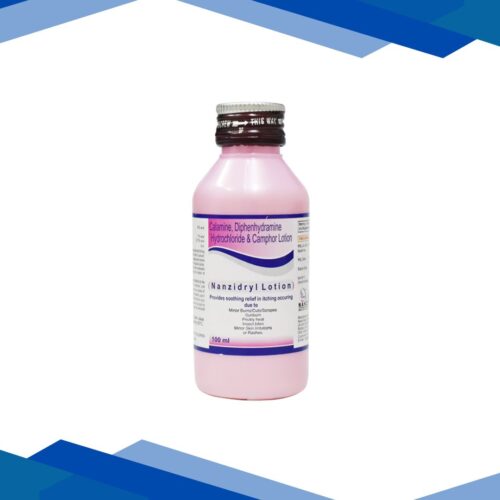
Calamine
CALAMINE
Overview:
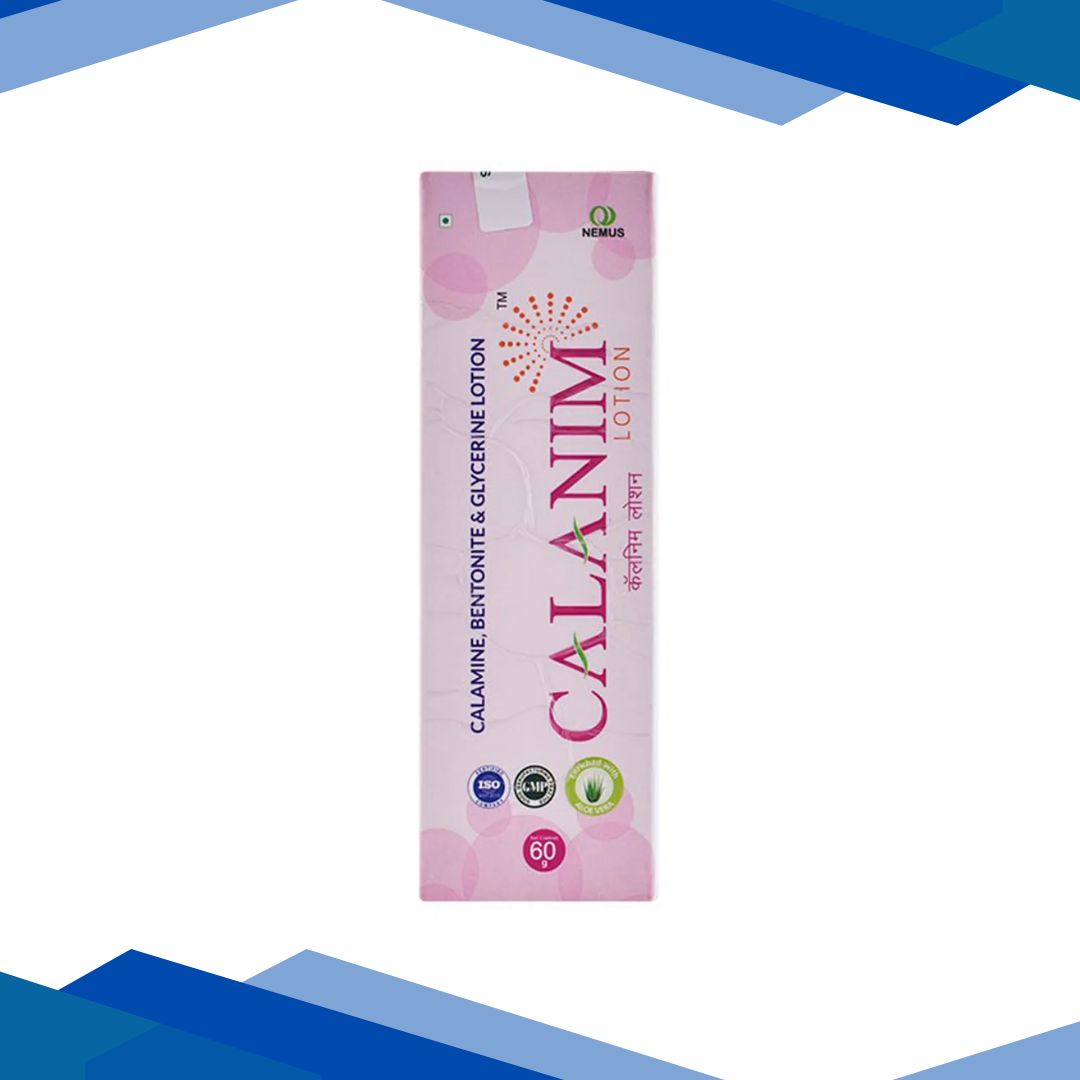
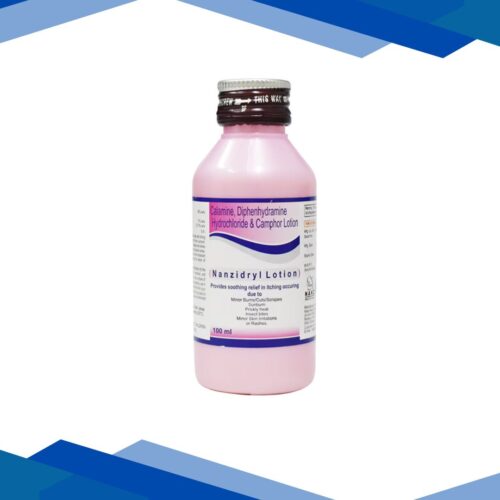
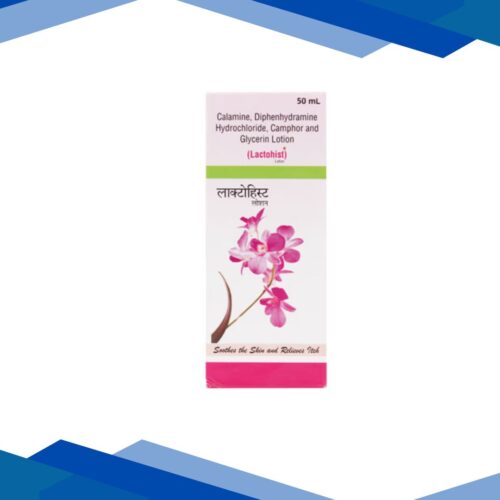
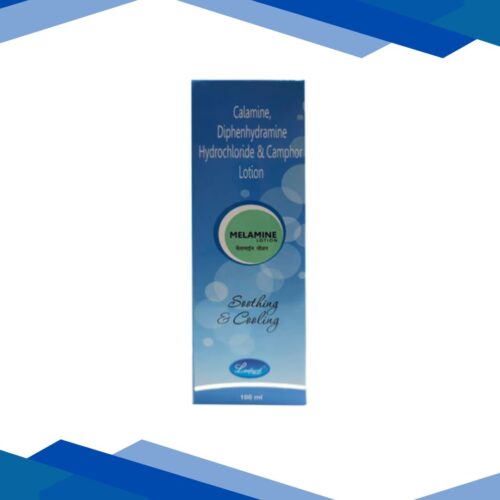
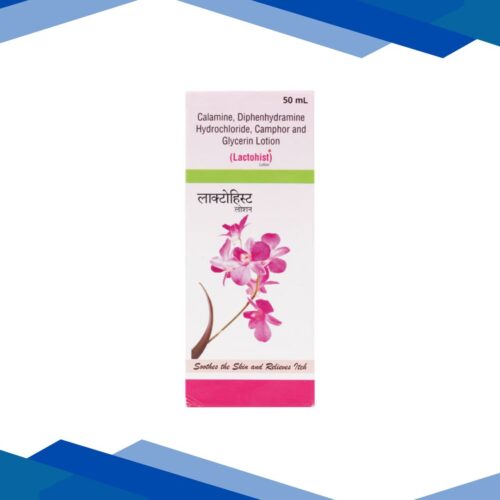
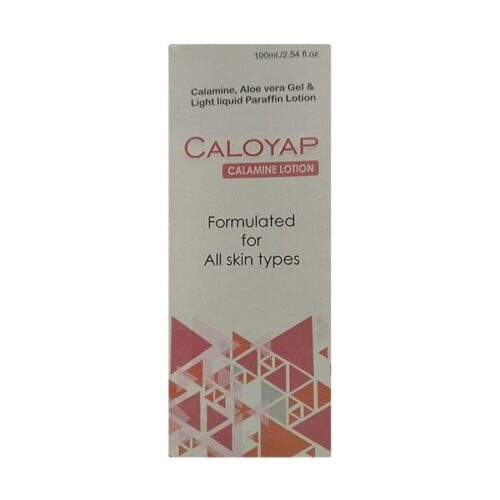
Calamine is a gentle, pink lotion or cream that soothes and protects irritated skin. It helps reduce itching, mild pain, and redness from things like insect bites, rashes, or minor skin irritations. Its cooling and drying effect calms inflamed or sensitive areas, making the skin feel more comfortable. Calamine is generally safe and is commonly used for quick, temporary relief from everyday skin annoyances.
Classification: Topical skin protectant (Astringent and Antipruritic)
Uses:
Calamine helps soothe itchy, irritated skin, like from insect bites or rashes. It reduces redness and swelling, gives relief from minor burns or sunburn, and dries out oozing spots so the skin can heal faster. Basically, it’s a gentle, all-purpose lotion for everyday skin annoyances.
How it works:
Calamine works mainly by soothing and protecting the skin. Its ingredients, including zinc oxide, form a thin protective layer over irritated areas, which helps reduce itching, redness, and minor inflammation. It also has a mild drying effect, which helps calm oozing or weepy skin and promotes faster healing. In simple terms, it protects, cools, and comforts irritated skin.
Dosage: As prescribed by your doctor.
Side Effects:
- Mild skin irritation or redness
- Dryness or peeling of the skin
- Rare allergic reactions such as itching, rash, or swelling
Precautions:
When using Calamine, it’s important to follow the instructions and not apply too much, as this can make your skin overly dry. Avoid using it on broken or severely damaged skin. If you have a history of skin allergies, test a little on a small area first. Be careful to keep it away from your eyes. If your skin irritation gets worse or doesn’t improve, it’s best to check with a doctor.
Disclaimer:This content is for informational purposes only. Always consult a healthcare provider for medical advice and proper dosage.
Glycerine
The Use and Benefits of Glycerine (Glycerol) Offered by Skincare, Health
The Glycerine, or Glycerol, is a must-have in every home, for whichever reason whatsoever. Upon your dressing table for reasons of skincare or storage in medicine cupboards for digestive health, this colorless, tasteless liquid happens to be a heavyweight in the pharmaceutical world.
Glycerine, in simple terms, serves the necessary function of a “humectant.” And from the scientific point of view? It means that it sucks in moisture. It draws upon water from the atmosphere or the deeper skin layers to retain the actual moisture.
Key Benefits and Its Uses:
Intense Skin Hydration: For very dry, flaky, or itchy skin. Often it serves as the core ingredient for lotions and “DIY” winter skincare routines.
Mild Laxative: Glycerine is frequently used in suppositories to treat constipation by attracting water into the intestines so that the sufferer quickly passes waste.
Mouth Ulcer Relief: Its soothing peculiarity reduces agitation of the lining of the mouth.
Pharmaceutical Solvent: Pharmaceutical Uses—As an ideal base for cough syrups and ocular preparations like ophthalmic (eye) drops to provide more consistency and for preservation.
How to Use It Safely?
For Use on Skin: Use diluted pure Glycerine within rose water or plain water to avoid stickiness and over absorption of humidity from deeper layers of skin. Try in such a dry climate.
For Digestion: Never exceed the given dosage on the package label or as per your physician’s guidance.
Frequently Asked Questions (FAQs)
Q: Can I Use Pure Glycerine One Time on My Face?
A: It is safe to use pure Glycerine, but as it is concentrated, a little mixing with water or your usual moisturizer should be performed lest its use becomes unsticky and hydrated.
Q: Skin Types?
A: Glycerine is safe for all skin types.
A: Generally, it should, and the confidence in this should stem primarily from its non-comedogenic nature. A patch test should always be made with your inner arm if you have highly allergic skin.
Q: Are there any side effects from taking it?
A: Side effects from its topical application are exceedingly rare and may involve slight redness or burning at open cuts. Some people might feel transient discomfort or even mild stomach cramps while using it as a laxative by mouth.
Q: How am I supposed to store the bottle of Glycerine at home?
A: Keep it in a cool, dry place as far away from direct sunlight exposure as possible. Make sure the bottle is screwed shut properly; Glycerine naturally attracts moisture from the air which dilutes the product over time.
Q: Can it be used on babies?
A: Gentle as Glycerine is, it is found more and more in baby soaps and lotions. Nevertheless, always contact the pediatrician first for a baby—especially in the case of pediatric constipation.