
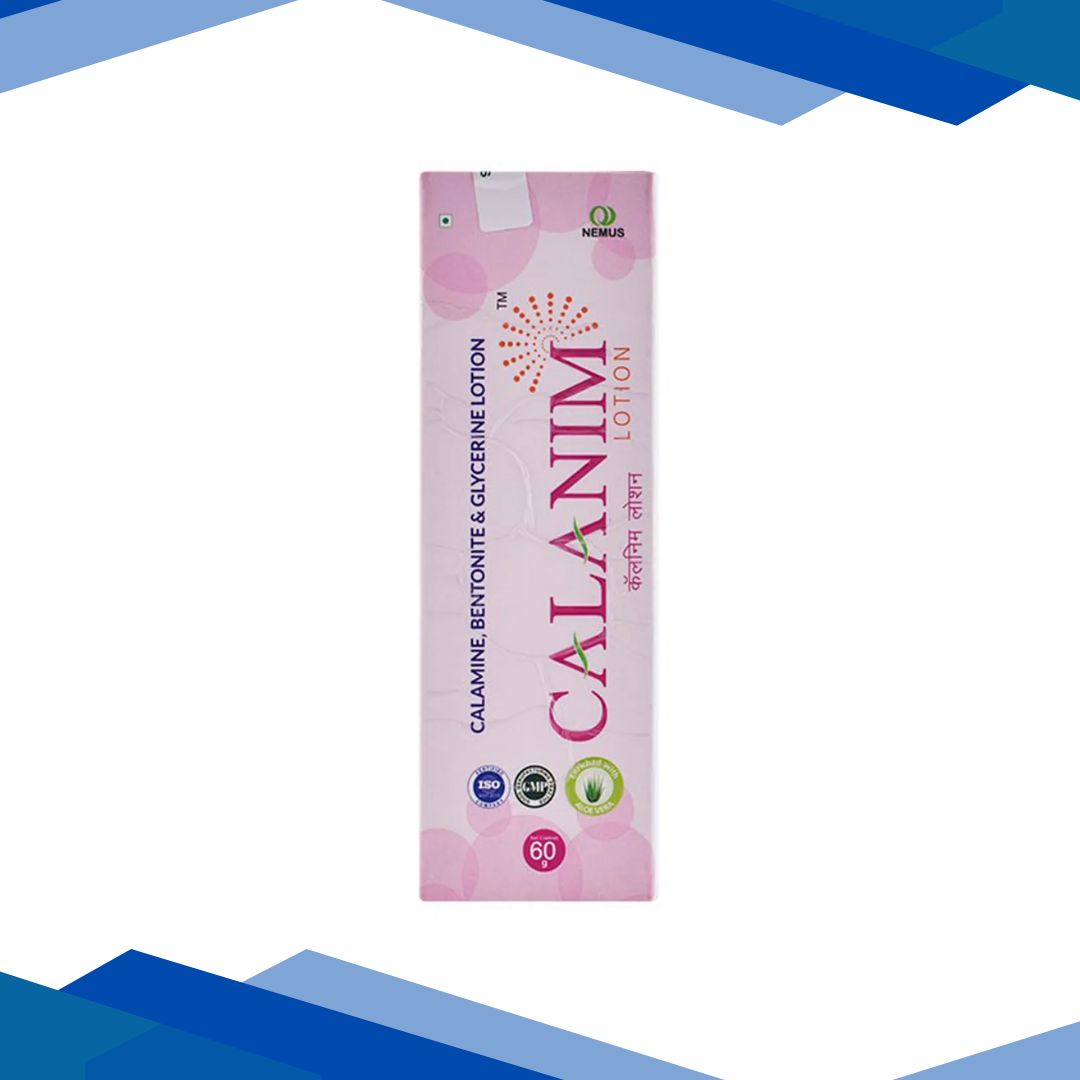
CALANIM Lotion 60gm
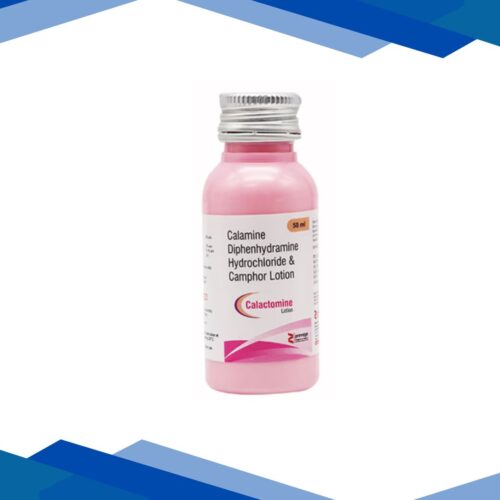
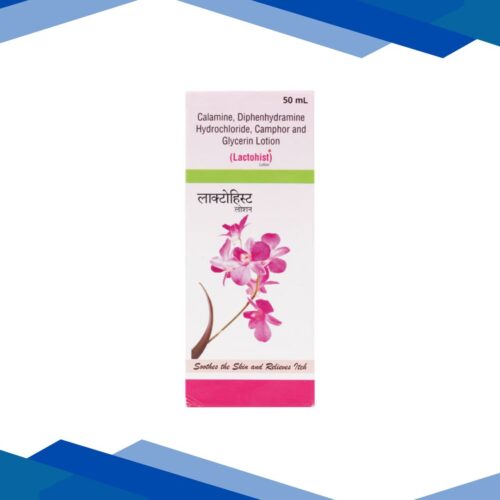
Calanim Lotion is an ideal skin moisturizer which is effective for skin irritation with cooling and soothing effect. It contains calamine, bentonite and glycerine as active ingredients to relieve skin irritation due to sunburn, rash, itching, insect bites and stings.
bentonite
Bentonite: An Old Yet New Clay for Modern Detoxification
Bentonite clay, also known as Montmorillonite clay, is a potent medicinal clay made from volcanic ash. It has the special quality that, when hydrated, it has an electrical charge, so Bentonite works as an attraction-or-moving type enzyme for all heavy metals and other fluid-poisons in the body. Whether one intends to use it on the skin for beauty and healing or internally for digestive detoxification, bentonite remains an extremely versatile practitioner of natural therapies.
Utterly Tasteful (List of) Useful Purposes
Digestive Detoxification: Helps determine symptoms of bloating, flatulence, and Irritable Bowel Syndrome (IBS) by absorbing dietary toxins in the gut.
Skin Health: Bentonite is quite effective on pimples, greasy skins, contact dermatitis, to name a few. Because it sops an excess of sebum and bacteria out of the pores, which heals the acne worsened by dirt in the clogged pores.
Heavy Metal Chelation: It is a predominant choice to help the body expel environmental metals such as lead, mercury, cadmium, etc.
From chemical or microbiological points of view, test results on ingredients also interpreted claims of activity.
Terminology conflict: Its high absorbance capacity will limit the effectiveness of oral medication when taken together. It is prescribed to be taken 2 hours before or after any prescription medication.
An eye for high quality: "Food Grade" or "USP Grade" Bentonite should be used internally to avoid the possibility of high natural-lead or arsenic contamination from the clay.
Pregnant individuals: Before using bentonite, seek advice from a practitioner if you are pregnant or nursing, because the effects of the clay with respect to mineral absorption in full pregnancy are not well known.
Frequently Asked Questions (FAQs)
Q1. Can you eat bentonite clay?
Those in the category of "Food Grade" or "Medicinal Grade" bentonite are safe for internal use. It is to be taken with food from time to time, which is normally some of the clay mixed fully in a clar glass of water. It can also be consumed in small amounts, say a teaspoon per glass of water, but it is recommended as a supplement for small periods of time—a warning in case you require one.
Q2. How long can I keep a Bentonite mask on my face?
5-10 minutes maximum if your skin is adoringly sensitive; for standard to oily skin, 15-20 minutes is fine. You may feel a "pulsing" or tightening sensation in your face. This will be just fine as long as the clay dries out completely and pulls those impurities out.
3. Can Bentonite be utilized in treating acid reflux?
Some users place faith in Bentonite to balance excess stomach acid and soothe their esophagus. But, treated for as long as it has been, acid reflux should receive medical evaluation by a gastroenterologist to rule out any underlying conditions.
4. Is Bentonite clay date debility applicable?
In its dry form, Bentonite clay does have a very long shelf life. Stored in a cool and dry environment within a non-metal container will maintain the high quality of Bentonite for an indefinite period. Once Hydrated with water, it will need to be used shortly after mixing; otherwise, it is recommended that you pitch it because it could attract bacteria.
5. Why should I not use metal spoons with Bentonite clay?
When it comes to detoxifying rather large quantities of clay, soaking the dirtlike clay in hot calcium-magnesium mineral water for up to two hours is a must. Jaroslav Russ says that while there have been no reports of anyone having prematurely died by attempting this once a week, or even once a month, when all the impurities are washed away and the clay takes on the water it craves, one may then look like a dried mushroom--certainly undesirable but well fed.
Calamine
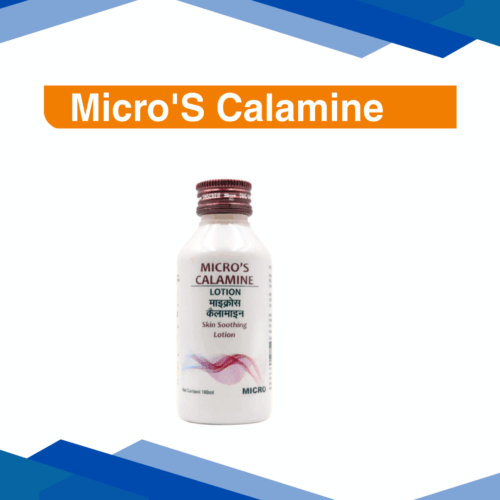
Calamine Skin Soothing Lotion
Calamine, a specialty treatment, is an anti-itch (antipruritic) and mild antiseptic lotion primarily featuring a mixture of zinc oxide with a small amount of ferric oxide, which gives it a characteristically pink color. It remains conventional as a concern of first aid in managing minor irritations foremost; however, as one tends to evaporate, it does provide a cool and salutary right sensation and lightning relief to redness and swell as well as the itch.
Indications
Insect Bites and Stings: Rapidly soothe itching and pain from mosquito bites, bee stings, and ant bites.
Occupational Rashes: Effective against contact dermatitis caused by plants like poison ivy, oak, or sumac.
Varicella & Zoster: Facilitates in drying out oozing blisters while providing an adsorptive layer to prevent secondary infections.
Calms Sunburn: Provides relief from heat sensation and helps ease skin moisture imbalance consequent upon solar exposure.
Overview:
Calamine: A value addition unapproachable as an astringent, capable of accomplishing the healing of identified wetting skin conditions, which promises rapid recovery.
FeelCool!um: Experience natural physical ease.
Usable: Almost a miracle for almost everyone, young and old, children for infants—yes, but under medical supervision.
Tangible Protection: Physical beats frolic the creams to zap those sensitive areas.
Composition and Ingredients
Calamine (8 -- 15%): Primary soothing agent by virtue reducing inflammation.
Zinc oxide: Effective skin protectant with mild antimicrobial properties.
Glycerin/Liquid paraffin: Glyceryl is highly moisturizing, with good humectants routinely inserted in many skin formulations to prevent the skin from becoming too dry for comfort.
Bentonite/Sodium citrate: To stabilize it, both agents are included to attain the proper distribution of medication.
How to use
Preparation: Clean the affected area with a mild soap and water. Pat dry.
Shake well: Shake the bottle well before use; ingredients settle at the bottom of the bottle during its shelf life.
Suave: Place some lotion on a wet cotton pad or ball so then gently daub the concerned patch.
Do not apply: Ensure the lotion stays and dries on the surface; usually, it leaves a slight pink film.
Frequency: Can be applied 3 to 4 times a day or as per doctor’s advice.
General Information and Safety
For External Applications: Avoid contact with the eyes, nose, mouth, and genital areas. If the lotion accidentally enters the eyes, rinse with copious amounts of water.
Open wounds: The lotion shall not be used on deep punctures, deep cuts, severe burns, or open, blistered skins, oral mucous membranes, or genital areas unless permitted by a doctor for the wound.
Duration: If the condition lasts for more than 7 days, causes a skin rash, or worsens itchiness, discontinue application, and consult a dermatologist.
Storage: Keep in a cool and dry place away from direct sunlight. Do not freeze.
Frequently Asked Questions (FAQs)
Q: Can Calamine be used to treat acne or pimples?
It is very useful for preventing drying owing to Calamine’s astringent and drying properties, also it is used for oily pimples, but the aforesaid agent will also reduce the redness caused by acne. In general, it is recommended as a spot treatment rather than an all-over-face moisturizer.
Q: What about pregnancy safety?
Calamine is meant to be completely safe during pregnancy and breastfeeding when topically used as directed—these particular use properly limits systemic absorption thus providing her with an additional benefit to the potentially unpleasant cholestasis itch of pregnancy.
Q: Does Calamine lotion stain clothes?
Calamine lotion may stain clothing, as the ferric oxide in it is a pink pigment. The lotion should be allowed to dry completely before any clothes are placed over the area being treated.
Q: Can I put it on my baby's diaper rash?
While Calamine can be soothing, but diaper rashes might sometimes be complicated by yeast infections, so it is best to consult the pediatrician prior to its application to the baby, so as to be sure if it will sort out that particular rash or not.
Q: What is the difference between Calamine lotion and Calamine cream?
The liquid consistency meant that the lotion was really good for a cooling effect caused by evaporative cooling and could cover quite a large area with a cooling enough effect for extremely itchy skin. The cream is thicker and maybe a lot more emollient and often more useful for the less localized, dried, scaly patches.
Disclaimer: The information provided in this article is for teaching purposes only and should not be used as a substitute for professional medical advice. Under any circumstances, consult your doctor or pharmacist before taking any medication.
Glycerine
The Use and Benefits of Glycerine (Glycerol) Offered by Skincare, Health
The Glycerine, or Glycerol, is a must-have in every home, for whichever reason whatsoever. Upon your dressing table for reasons of skincare or storage in medicine cupboards for digestive health, this colorless, tasteless liquid happens to be a heavyweight in the pharmaceutical world.
Glycerine, in simple terms, serves the necessary function of a “humectant.” And from the scientific point of view? It means that it sucks in moisture. It draws upon water from the atmosphere or the deeper skin layers to retain the actual moisture.
Key Benefits and Its Uses:
Intense Skin Hydration: For very dry, flaky, or itchy skin. Often it serves as the core ingredient for lotions and “DIY” winter skincare routines.
Mild Laxative: Glycerine is frequently used in suppositories to treat constipation by attracting water into the intestines so that the sufferer quickly passes waste.
Mouth Ulcer Relief: Its soothing peculiarity reduces agitation of the lining of the mouth.
Pharmaceutical Solvent: Pharmaceutical Uses—As an ideal base for cough syrups and ocular preparations like ophthalmic (eye) drops to provide more consistency and for preservation.
How to Use It Safely?
For Use on Skin: Use diluted pure Glycerine within rose water or plain water to avoid stickiness and over absorption of humidity from deeper layers of skin. Try in such a dry climate.
For Digestion: Never exceed the given dosage on the package label or as per your physician's guidance.
Frequently Asked Questions (FAQs)
Q: Can I Use Pure Glycerine One Time on My Face?
A: It is safe to use pure Glycerine, but as it is concentrated, a little mixing with water or your usual moisturizer should be performed lest its use becomes unsticky and hydrated.
Q: Skin Types?
A: Glycerine is safe for all skin types.
A: Generally, it should, and the confidence in this should stem primarily from its non-comedogenic nature. A patch test should always be made with your inner arm if you have highly allergic skin.
Q: Are there any side effects from taking it?
A: Side effects from its topical application are exceedingly rare and may involve slight redness or burning at open cuts. Some people might feel transient discomfort or even mild stomach cramps while using it as a laxative by mouth.
Q: How am I supposed to store the bottle of Glycerine at home?
A: Keep it in a cool, dry place as far away from direct sunlight exposure as possible. Make sure the bottle is screwed shut properly; Glycerine naturally attracts moisture from the air which dilutes the product over time.
Q: Can it be used on babies?
A: Gentle as Glycerine is, it is found more and more in baby soaps and lotions. Nevertheless, always contact the pediatrician first for a baby—especially in the case of pediatric constipation.
At Gem Pharmacy, we make every effort to provide accurate, expert-written, and thoroughly reviewed information related to medicines. However, this information should not be considered a substitute for professional medical advice, diagnosis, or treatment from a qualified doctor.
The purpose of this information is to educate users and improve communication between patients and healthcare professionals. It should not be used to diagnose or treat any condition.
Always consult a certified healthcare professional before taking any medication.


Related products