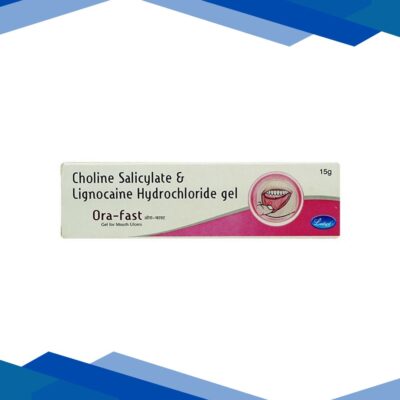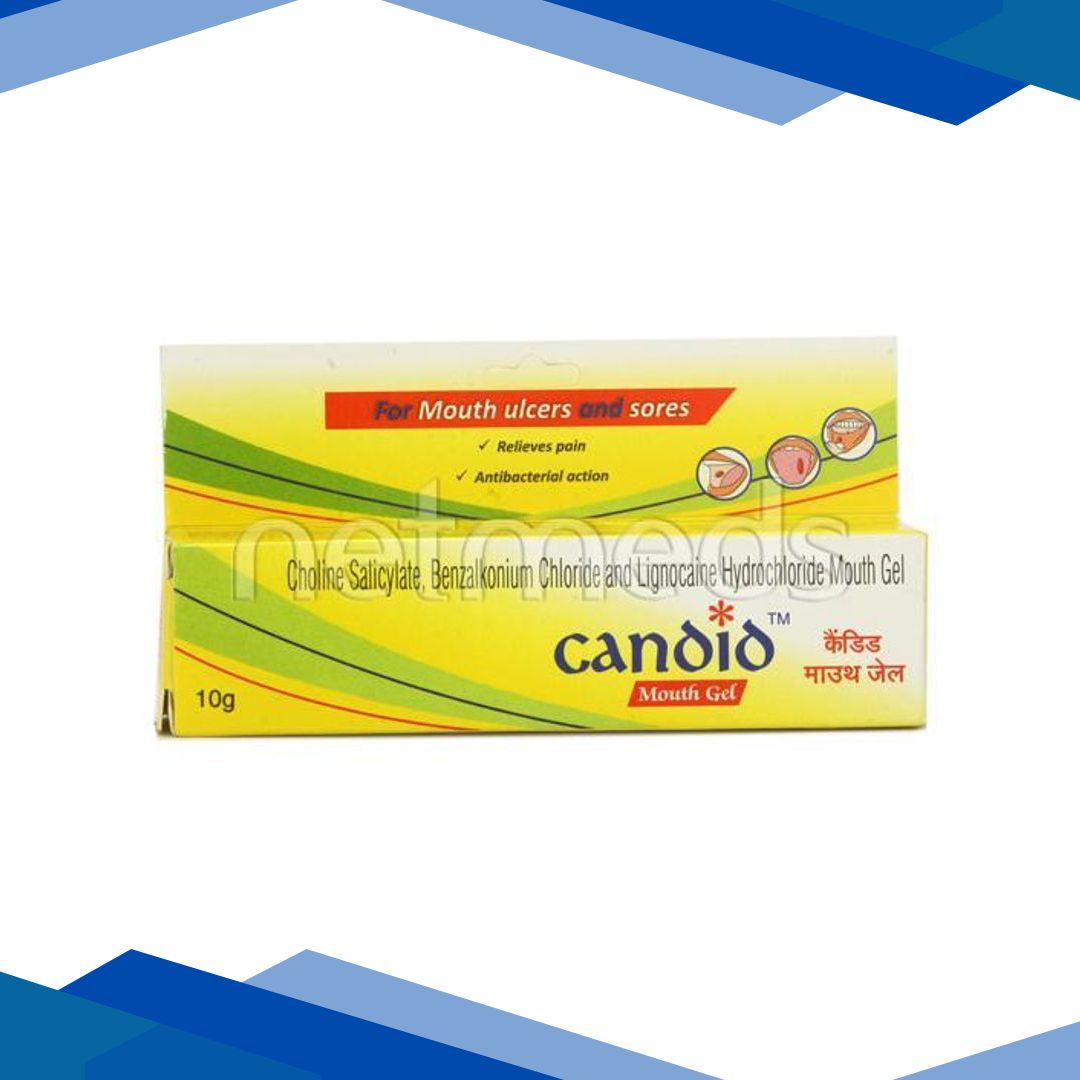
Candid Mouth Gel 10gm
Candid Mouth Gel is a combination medicine used to help relieve pain, irritation, and inflammation in the mouth or throat. It contains three ingredients that work together: benzalkonium chloride helps reduce harmful germs, choline salicylate helps ease swelling and discomfort, and lignocaine hydrochloride provides a local numbing effect to reduce pain. This makes it useful for conditions such as sore gums, mouth ulcers, minor mouth injuries, and throat irritation. The medicine is designed to soothe the affected area and improve comfort while the tissue heals. It should be used as directed by a healthcare professional, especially if symptoms are severe, persistent, or keep coming back.
Description
benzalkonium chloride + choline salicylate + lignocaine hydrochloride is a combination medicine commonly used for short-term relief of pain, inflammation, and irritation in the mouth and throat. it is often found in oral gels or topical preparations designed to be applied directly to affected areas. the combination works by addressing several symptoms at once: choline salicylate helps reduce pain and inflammation, lignocaine hydrochloride provides local numbness for quicker comfort, and benzalkonium chloride acts as an antiseptic that helps reduce the growth of certain microbes in the treated area.
this medicine is generally used for painful conditions involving the lining of the mouth, gums, tongue, or throat, such as mouth ulcers, sore spots caused by dentures or braces, and minor oral irritation. because it is applied locally, it acts where the problem is, rather than affecting the whole body as strongly as many oral pain medicines. that makes it useful when discomfort is localized and temporary, especially when eating, speaking, or swallowing becomes uncomfortable due to oral soreness.
although this combination can provide meaningful symptom relief, it does not treat the underlying cause of every mouth or throat problem. for example, if symptoms are due to a serious infection, persistent ulcer, vitamin deficiency, dental disease, or another medical condition, the medicine may only mask discomfort temporarily. for this reason, ongoing or worsening mouth pain, swelling, bleeding, fever, or difficulty swallowing should be assessed by a healthcare professional.
people who use this medicine should follow the product directions carefully and avoid using more than directed. because it contains a local anesthetic, temporary numbness may occur, which can increase the risk of accidental biting of the cheek, tongue, or lips, or can make it easier to swallow food too quickly. proper use and awareness of side effects are important for safe and effective relief.
ingredients
- benzalkonium chloride: this ingredient is an antiseptic that helps reduce the number of microorganisms in the area where it is applied. in the mouth, it may help limit bacterial contamination of irritated tissue and support cleaner conditions while the tissues heal. it does not cure all infections, but it can be helpful as part of symptom control in minor oral conditions.
- choline salicylate: choline salicylate is a salicylate compound that helps relieve pain and inflammation. it works by reducing the formation of substances in the body that contribute to swelling, tenderness, and discomfort. in oral gels, it is particularly useful for soothing ulcer pain and irritation caused by local inflammation.
- lignocaine hydrochloride: also known as lidocaine hydrochloride in many references, lignocaine hydrochloride is a local anesthetic. it works by temporarily blocking nerve signals from the treated area, which decreases pain and burning sensations. its effect is usually quick and short-acting, making it valuable for immediate relief while the other ingredients help with longer-lasting soothing.
key uses
- mouth ulcers: helps reduce pain, burning, and irritation from minor aphthous ulcers or other non-serious sores in the mouth. it can make eating and speaking more comfortable while the ulcer heals naturally.
- gum and oral irritation: may be used for sore gums or irritation caused by minor trauma, dentures, braces, or accidental biting. it can help calm discomfort and reduce sensitivity in the affected area.
- minor throat or mouth soreness: in some formulations, it may be used for mild irritation in the oral cavity or throat area to provide local soothing. relief is temporary and supportive rather than curative.
- pain associated with local inflammation: the choline salicylate component helps reduce local inflammatory discomfort, making the product useful when pain is linked with redness, swelling, or tenderness in small areas of the mouth.
- short-term antiseptic support: benzalkonium chloride may help reduce surface microbial load in minor oral lesions, supporting a cleaner environment for healing. it is not a substitute for antibiotics when a true infection is present.
how to use
use this medicine exactly as directed on the product label or by a healthcare professional. it is usually intended for local application to the affected area inside the mouth, such as an ulcer, sore gum, or irritated patch. before applying, wash your hands and, if possible, gently rinse the mouth to remove food particles. then apply a small amount to the affected area using a clean fingertip or a cotton applicator, depending on the product instructions. because the medicine is meant to work locally, it should be placed directly on the painful spot rather than spread broadly throughout the mouth unless instructed otherwise.
for best results, it is often used after meals and before bedtime, as this may help it remain in place longer and provide comfort during eating and overnight. avoid eating or drinking immediately after application if the product directions advise waiting, since this may wash the medicine away too soon. also be careful not to apply too much, because excess product does not necessarily work better and may raise the chance of side effects such as irritation or numbness. if you wear dentures or other oral appliances, follow product guidance carefully so the medicine is applied to the correct area and not simply trapped on the appliance.
do not use it for longer than recommended without medical advice. if symptoms do not improve within a few days, if the ulcer or pain recurs often, or if the area becomes more swollen, red, or painful, consult a healthcare professional. persistent mouth lesions may need evaluation to rule out infection, dental problems, injury, nutritional deficiencies, or more serious conditions. in children, use should be especially careful because a numbing ingredient can increase the risk of swallowing difficulties or accidental injury in the mouth.
safety information
- warnings: this medicine is for local symptomatic relief only and should not be swallowed in large amounts. the lignocaine hydrochloride may numb the mouth and throat, which can make swallowing more difficult and increase the risk of choking if food is eaten too soon after application. avoid applying to large areas or using more than directed, as this may increase absorption and side effects. if the area becomes severely irritated, develops pus, bleeding, or extensive swelling, stop use and seek medical advice.
- side effects: common side effects may include mild burning, stinging, temporary numbness, altered taste, or slight irritation where applied. some people may experience nausea if the product is swallowed in excess. less common but more serious effects can include allergic reactions such as rash, itching, swelling, dizziness, breathing difficulty, or worsening mouth irritation. rarely, excessive exposure to local anesthetic may cause numbness beyond the intended area or symptoms suggestive of toxicity, which requires urgent attention.
- precautions: use with caution if you have a history of allergy to salicylates, local anesthetics, antiseptics, or any ingredients in the formulation. people with severe oral ulcers, widespread mouth inflammation, liver disease, a tendency to bleed, or problems swallowing should seek medical advice before use. children, older adults, and people with limited ability to spit out excess medicine may need extra caution because of the numbing effect and potential swallowing risk.
- pregnancy/breastfeeding: safety depends on the amount used, the formulation, and the individual situation. because choline salicylate is a salicylate, pregnancy use should be cautious and guided by a clinician, especially if frequent or extensive application is being considered. during breastfeeding, limited local use is often less concerning, but medical advice is still recommended to ensure it is appropriate and safe.
- interactions: because this product contains a salicylate and a local anesthetic, caution is needed if you are taking other salicylates, aspirin, blood thinners, or medicines that increase bleeding risk, as these may raise the chance of side effects. alcohol can further irritate the mouth and may worsen discomfort or delay healing. other products containing local anesthetics should generally not be layered on top of this medicine unless advised by a clinician, since that could increase the chance of excessive numbness or adverse effects.
additional information
- storage: store the product at room temperature in a dry place, away from direct sunlight, excess heat, and moisture. keep the cap tightly closed and do not freeze unless the label specifically says otherwise. always keep it out of reach of children.
- missed dose: if you miss an application, use it when you remember if the area is still bothering you and if it is safe to do so. do not double the amount at the next application to make up for the missed one. simply resume the regular pattern recommended on the label or by your healthcare professional.
- overdose: overuse may cause increased mouth numbness, nausea, vomiting, dizziness, ringing in the ears, unusual drowsiness, or signs of local anesthetic toxicity in severe cases. if too much is applied or swallowed, rinse the mouth if appropriate, stop using the product, and seek medical help or poison control advice promptly, especially if breathing problems, faintness, or severe symptoms occur.
- habit forming: no, this medicine is not habit forming. it does not contain addictive substances. however, people may sometimes rely on it repeatedly for recurring mouth pain, which is a sign that the underlying cause should be evaluated rather than continuing self-treatment indefinitely.
frequently asked questions
Q: what is Candid Mouth Gel used for?
A: it is mainly used to relieve pain, inflammation, and irritation in the mouth or gums, such as mouth ulcers, sore spots, and minor oral discomfort. it provides local soothing and temporary numbness.
Q: how quickly does it work?
A: the lignocaine hydrochloride component usually provides fairly quick numbness and pain relief after application, while the anti-inflammatory and antiseptic components support ongoing comfort. the exact timing can vary by product and by the severity of irritation.
Q: can i eat after applying it?
A: it is best to follow the product instructions. because the medicine can numb the mouth, eating immediately afterward may increase the risk of biting the tongue or cheeks or swallowing food too quickly. waiting a short period is often advised.
Q: is it safe for mouth ulcers?
A: it is commonly used for minor mouth ulcers to reduce pain and irritation. however, if an ulcer is large, persistent, recurring, or unusually painful, a healthcare professional should evaluate it to find the cause.
Q: can this medicine treat an infection?
A: it may help reduce microbial load on the surface of the mouth, but it is not a substitute for proper treatment of a true bacterial, viral, or fungal infection. if an infection is suspected, medical evaluation is important.
Q: why does my mouth feel numb after use?
A: temporary numbness is expected because lignocaine hydrochloride is a local anesthetic. this effect helps relieve pain, but it also means you should be careful with eating, drinking, and chewing until sensation returns.
Q: can children use this medicine?
A: children may be more sensitive to the numbing effect and the risk of swallowing or accidental injury. use in children should be guided by a healthcare professional and should follow age-appropriate product instructions.
Q: what should i do if i accidentally swallow some?
A: a small accidental amount may not cause major harm, but swallowing a large amount could cause symptoms such as nausea, dizziness, or excessive numbness. if significant amounts are swallowed or symptoms develop, seek medical advice promptly.
Q: can i use it with other mouth products?
A: some mouthwashes, gels, or pain-relief products may not be ideal to use together, especially if they contain similar anesthetic or salicylate ingredients. check labels and ask a pharmacist if you are unsure.
Q: when should i see a doctor?
A: see a doctor if mouth pain lasts more than a few days, gets worse, is associated with fever or swelling, or if ulcers keep coming back. persistent mouth problems should not be ignored because they may need specific treatment.
this information is for educational purposes only and should not be considered medical advice. always consult a qualified healthcare professional before use.
At Gem Pharmacy, we make every effort to provide accurate, expert-written, and thoroughly reviewed information related to medicines. However, this information should not be considered a substitute for professional medical advice, diagnosis, or treatment from a qualified doctor.
The purpose of this information is to educate users and improve communication between patients and healthcare professionals. It should not be used to diagnose or treat any condition.
Always consult a certified healthcare professional before taking any medication.


Related products