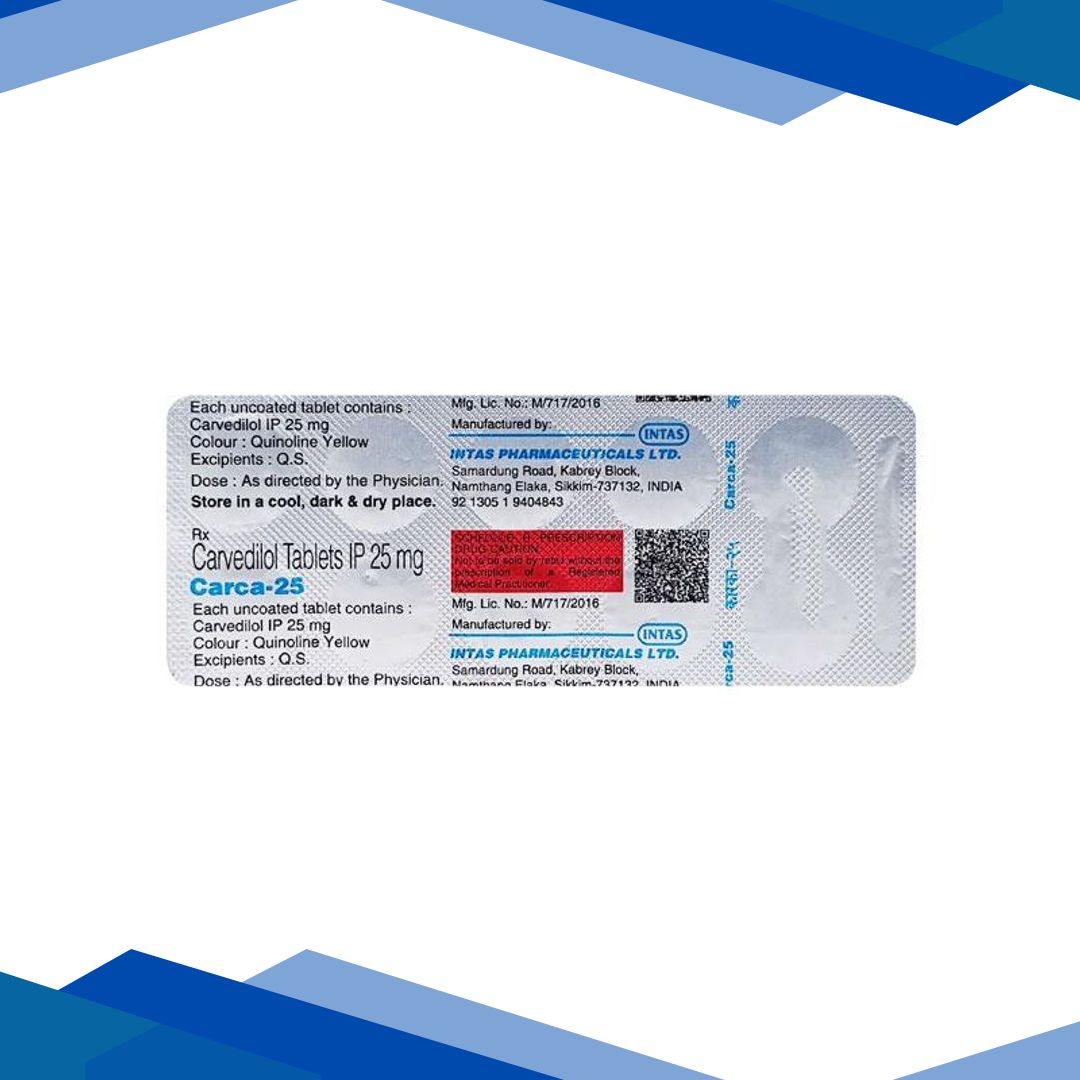
Carca 25mg Tablet 10’S
Carca 25mg Tablet is a probiotic combination used to help support healthy intestinal bacteria and improve digestive balance. It works by adding beneficial microorganisms to the gut, which may help restore the natural flora after illness, diet changes, or antibiotic use. By supporting a healthier gut environment, it can help reduce problems such as diarrhea, bloating, mild indigestion, and irregular bowel habits. This medicine is mainly used to maintain digestive health and aid recovery of normal gut function. It should be used under medical guidance, especially if symptoms are persistent or if there is a history of serious illness, as the exact benefit can depend on the condition being treated.
Description
this medicine name refers to a probiotic-type combination that includes bacterial strains traditionally used to help restore and support the natural balance of microorganisms in the gastrointestinal tract. in general, products containing bacillus, streptococcus, and lactobacillus species are intended to replenish beneficial bacteria, especially when the normal gut flora has been disturbed by illness, antibiotic use, poor diet, travel-related digestive upset, or other factors. by helping maintain a healthier intestinal environment, such products may support digestion, improve stool consistency in some people, and reduce symptoms related to mild intestinal imbalance.
the mechanism of action of these organisms is generally based on competitive inhibition and functional support of the gut microbiome. beneficial bacteria can compete with harmful microorganisms for nutrients and attachment sites in the intestine, produce substances that may discourage the growth of unwanted microbes, and contribute to the maintenance of a healthy intestinal barrier. they may also help with the breakdown of food components and support normal bowel function. in some formulations, bacillus species are especially valued because they form spores, which can survive harsh conditions better than some other probiotic organisms and may remain viable until they reach the intestines.
people may encounter this type of product when a healthcare professional recommends support during or after antibiotic therapy, for digestive discomfort associated with altered intestinal flora, or as part of a broader gastrointestinal care plan. however, the exact intended use, strength, and evidence base can vary depending on the specific formulation and manufacturer. this is not a substitute for treatment of serious infections, persistent diarrhea, inflammatory bowel disease, dehydration, or any condition requiring urgent medical attention. if symptoms are severe, prolonged, or accompanied by fever, blood in stool, or significant abdominal pain, medical evaluation is important.
it is also important to note that the final component listed, clostridium botulinum toxin type a, is not typically a probiotic ingredient and is generally associated with a potent neurotoxin used in highly controlled medical and cosmetic injections. if this name appears exactly as written on a product label, it requires careful verification with a qualified healthcare professional or pharmacist before use. any product claiming to contain botulinum toxin type a in an oral digestive product would be highly unusual and potentially unsafe if not clearly regulated and professionally administered. because of this, consumers should confirm the authenticity, route of administration, and intended use of the product before taking it.
ingredients
- bacillus mesentericus: a spore-forming bacterial strain used in some probiotic preparations to help support intestinal microbial balance. it may help the gut recover after disturbances that cause loose stools, bloating, or general digestive discomfort. because it forms spores, it can be relatively resilient and may survive acidic gastric conditions better than some non-spore-forming microbes.
- streptococcus faecalis: an older name historically used for a beneficial intestinal bacterium now more commonly referred to in modern taxonomy as enterococcus faecalis. in probiotic-style formulations, it has been used to support healthy gut flora and may help crowd out unwanted organisms in the intestines. its role is generally supportive rather than curative.
- lactobacillus sporogenes: a probiotic organism commonly included in digestive-support products. it is known for spore formation and for helping maintain a favorable intestinal environment. it may support normal bowel regularity and is often used in formulations aimed at restoring gut flora after antibiotic use or digestive upset.
- clostridium botulinum toxin type a: a potent neurotoxin derived from clostridium botulinum, primarily known for its use in carefully controlled medical injections for specific conditions such as muscle spasm disorders and certain cosmetic indications. it is not a typical probiotic ingredient. if included in a product name, its presence, formulation, route, and indication must be verified by a licensed clinician because inappropriate exposure can be dangerous.
key uses
- support for intestinal flora balance: the bacterial components are used to help restore beneficial gut microorganisms that may be reduced after antibiotics, dietary changes, or gastrointestinal illness. a healthier balance can support normal digestive function.
- adjunctive support during antibiotic-associated digestive upset: probiotic-type organisms may help reduce the likelihood of diarrhea or stool irregularity associated with antibiotics in some individuals. they are not antibiotics themselves and do not treat bacterial infections directly.
- help with mild diarrhea or loose stools related to gut imbalance: in some cases, restoring normal flora may improve stool consistency and reduce discomfort. this is generally more useful for mild, non-bloody, non-severe diarrhea.
- digestive comfort and bowel regularity: these organisms may help some people who experience bloating, irregular bowel habits, or a general sense of digestive instability, particularly when these symptoms are linked to altered intestinal microbiota.
- medical use of botulinum toxin type a, if specifically prescribed in a regulated form: when used by a trained professional in an approved formulation, botulinum toxin type a may relax overactive muscles or reduce excessive nerve signaling in certain medical conditions. this use is specialized and should never be assumed from a gut-health product name alone.
how to use
use this medicine only exactly as directed on the product label or by a healthcare professional, because the intended use depends greatly on the actual formulation. if it is a probiotic preparation, it is commonly taken by mouth with water, sometimes after meals or at times recommended by the manufacturer to improve tolerance. many probiotic products are designed for regular daily use over a period of time rather than as a one-time remedy. swallow the product as instructed and do not exceed the advised amount unless specifically told to do so by a clinician.
if you are taking antibiotics, it is often advisable to separate probiotic use from the antibiotic dose by a few hours so the antibiotic does not immediately inactivate the beneficial organisms. however, exact timing can vary depending on the antibiotic and product. if the product is intended for gastrointestinal support, consistent use may be more important than taking it only occasionally. adequate hydration and a balanced diet may also support recovery of normal digestive function.
if the product truly contains botulinum toxin type a in any form, it should not be self-administered unless it is a properly prescribed, regulated, and professionally supervised treatment. botulinum toxin products require specialized handling and precise dosing by trained clinicians. never inject, inhale, or otherwise misuse such products. if you are unsure whether the medicine is for oral use, injectable use, or another route, consult a pharmacist or doctor before taking it.
safety information
- warnings: do not use this product as a substitute for medical care in severe diarrhea, dehydration, high fever, blood in the stool, persistent vomiting, severe abdominal pain, or suspected infection. probiotic products are generally well tolerated, but people with serious illness or weakened immunity should be cautious. if the formulation truly includes botulinum toxin type a, it must only be used under strict medical supervision because incorrect use can cause serious harm. verify the product source and label carefully.
- side effects: common side effects of probiotic-style products may include mild gas, bloating, abdominal fullness, or temporary changes in bowel habits. less commonly, people may experience constipation or stomach discomfort. serious side effects are uncommon but can include allergic reactions, worsening of symptoms, or infection in highly vulnerable individuals. for botulinum toxin type a, serious adverse effects may include unwanted muscle weakness, difficulty swallowing, difficulty breathing, drooping, or spread of toxin effects beyond the injection site in medically relevant preparations.
- precautions: use caution if you have a weakened immune system, are critically ill, have a central venous catheter, have a history of heart valve disease, or are recovering from major surgery. people with recurrent gastrointestinal symptoms should not rely on self-treatment alone. avoid using any product with unclear ingredient identity, especially if it lists botulinum toxin type a without a clearly defined medical indication and route of administration.
- pregnancy/breastfeeding: many probiotic products are considered low risk in pregnancy and breastfeeding when used appropriately, but safety depends on the exact strain, dose, and product quality. if botulinum toxin type a is actually present as an active ingredient, pregnancy and breastfeeding safety should be reviewed with a clinician before use. always seek individualized medical advice during pregnancy or lactation.
- interactions: probiotic organisms may be affected by antibiotics, so spacing doses may be recommended. they may also be inappropriate alongside strong immunosuppressive therapy in some cases. alcohol does not usually directly interact with probiotics, but heavy alcohol use can worsen digestive symptoms and dehydration. if botulinum toxin type a is involved in a prescribed medical treatment, interactions with certain muscle relaxants, aminoglycoside antibiotics, or other agents affecting neuromuscular function may be relevant and should be reviewed by a doctor.
additional information
- storage: store exactly as directed on the package. many probiotic products should be kept in a cool, dry place away from heat, moisture, and direct sunlight. some formulations may require refrigeration to preserve viability. keep all medicines out of reach of children. if the product contains botulinum toxin type a in a regulated medical form, storage requirements may be more specific and should follow the official label.
- missed dose: if you miss a dose of a probiotic-type product, take it when you remember unless it is almost time for the next dose. do not double up to make up for a missed dose unless instructed by a healthcare professional. for prescription botulinum toxin use, missed-dose instructions depend entirely on the treatment plan and should be reviewed with the prescriber.
- overdose: taking more than recommended may increase the chance of stomach upset, bloating, diarrhea, or other digestive complaints for probiotic products. serious overdose from typical oral probiotic use is uncommon, but any unusual symptoms should be assessed. if the product involves botulinum toxin type a, overdose or misuse can be dangerous and may cause weakness, swallowing problems, or breathing difficulties; seek emergency medical help immediately.
- habit forming: no. probiotic-type products are not habit forming and do not cause dependence. they are generally used to support temporary or ongoing digestive health. botulinum toxin type a, when medically used, is also not considered habit forming, though repeat treatment may be required for certain conditions under medical supervision.
frequently asked questions
Q: what is Carca 25mg Tablet used for?
A: the bacterial components are generally used to support healthy gut flora and may help with mild digestive imbalance, loose stools, or recovery after antibiotic use. however, the presence of clostridium botulinum toxin type a in the product name is unusual for a digestive product, so the label and intended use should be verified with a pharmacist or doctor before use.
Q: can i take this medicine with antibiotics?
A: probiotic-type components are sometimes taken during or after antibiotics to support intestinal flora. in many cases, separating the doses by a few hours may help. however, the exact timing depends on the antibiotic and the product, so a healthcare professional can advise you on the safest approach.
Q: what side effects can happen with probiotic-type ingredients?
A: common side effects are usually mild and may include gas, bloating, abdominal discomfort, or temporary changes in bowel habits. serious reactions are uncommon, but people with weakened immunity or severe illness should be careful. seek medical help if symptoms are severe or unusual.
Q: is this medicine safe for children?
A: some probiotic products are used in children, but age-appropriate use depends on the exact formulation and the child’s medical condition. because this product name includes an unusual botulinum toxin reference, you should not give it to a child without professional confirmation from a pediatrician or pharmacist.
Q: can pregnant or breastfeeding women use it?
A: many probiotic products are considered low risk in pregnancy and breastfeeding, but safety depends on the exact product, dose, and quality. if the ingredient list truly includes botulinum toxin type a, it must be reviewed by a clinician before use. do not assume it is automatically safe.
Q: does this medicine cure infection?
A: no. probiotic-type ingredients do not cure infections and should not replace antibiotics or other prescribed treatments when those are medically needed. if you suspect an infection, fever, dehydration, or blood in the stool, seek medical care promptly.
Q: how long does it take to work?
A: the time to notice benefits varies. some people may notice digestive support within days, while others may need longer regular use. results are not guaranteed and depend on the cause of the symptoms, the product quality, and individual response.
Q: should i take it with food or on an empty stomach?
A: this depends on the exact product instructions. many probiotic products are taken with or after food for better tolerance, but manufacturers may recommend a different schedule. follow the label or your clinician’s advice.
Q: what should i do if i have severe stomach pain after taking it?
A: stop taking the product and seek medical advice promptly, especially if the pain is severe, persistent, or accompanied by vomiting, fever, blood in stool, or dehydration. these signs may indicate a condition that needs proper medical evaluation.
Q: is it safe to use this product long term?
A: long-term use of some probiotic products may be appropriate for certain people, but it should still be based on a clear need and proper guidance. if the product includes an unusual or unclear ingredient such as botulinum toxin type a, long-term use should not be assumed safe without medical confirmation.
this information is for educational purposes only and should not be considered medical advice. always consult a qualified healthcare professional before use.
At Gem Pharmacy, we make every effort to provide accurate, expert-written, and thoroughly reviewed information related to medicines. However, this information should not be considered a substitute for professional medical advice, diagnosis, or treatment from a qualified doctor.
The purpose of this information is to educate users and improve communication between patients and healthcare professionals. It should not be used to diagnose or treat any condition.
Always consult a certified healthcare professional before taking any medication.


Related products