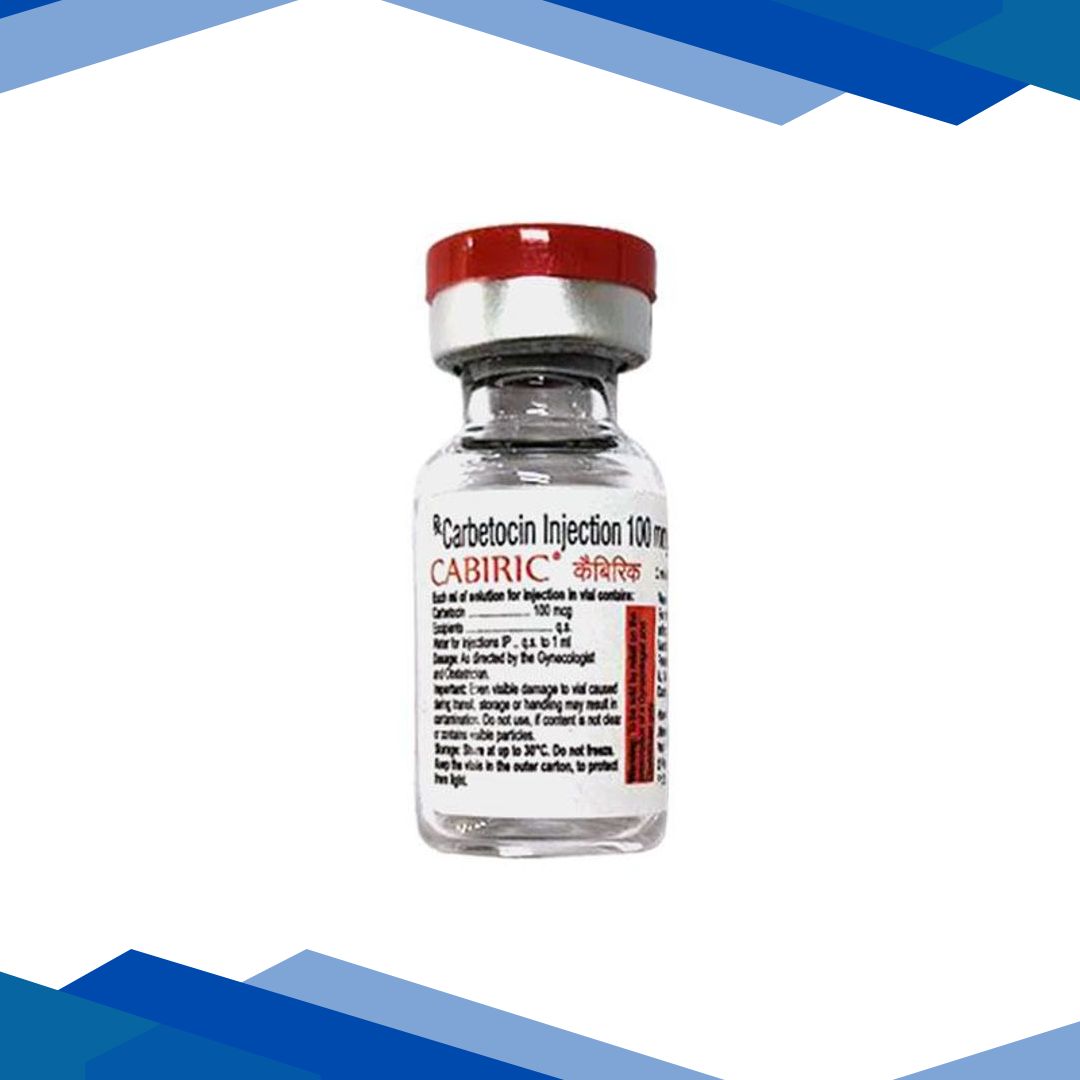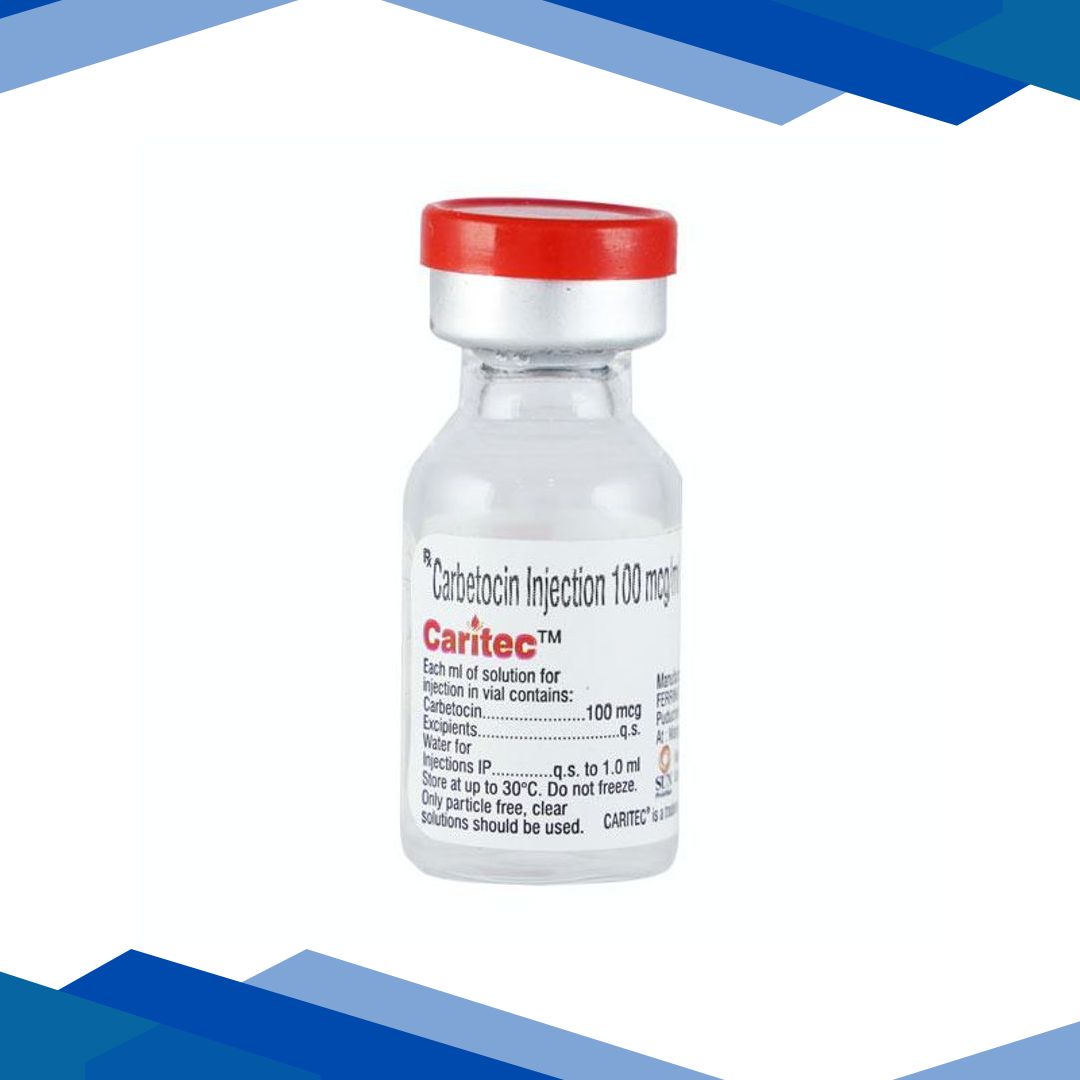
CARITEC 100mg Injection 1’s
CARITEC 100mg Injection is a medicine used in obstetric care to help reduce heavy bleeding after childbirth. It works by acting on the uterus to cause strong, controlled contractions, which helps the womb tighten after delivery and lowers the risk of postpartum hemorrhage. This makes it useful in hospitals and birthing centers, especially when extra support is needed to keep bleeding under control after a baby is born, often following a cesarean section or vaginal delivery. CARITEC 100mg Injection is not meant for routine self-use and should be given only under medical supervision by a trained healthcare professional. Its purpose is to support the body’s natural recovery after childbirth and help improve safety for the mother by reducing the chance of excessive blood loss.
Description
CARITEC 100mg Injection is a medicine used in obstetric care to help the uterus contract strongly after childbirth, especially after delivery by caesarean section or in situations where prevention of heavy bleeding is important. it is a synthetic hormone-like medicine that acts in a way similar to the natural hormone oxytocin. by stimulating the muscles of the uterus, CARITEC 100mg Injection helps the womb become firm and reduced in size after delivery, which lowers the risk of postpartum hemorrhage, a serious and potentially life-threatening cause of blood loss after childbirth.
this medicine is primarily used in the hospital setting under the supervision of trained healthcare professionals. it is not a routine medicine for self-use and is generally given when a woman has just delivered the baby, particularly when the medical team wants to prevent excessive bleeding. CARITEC 100mg Injection works quickly and is designed to have a longer-lasting effect than oxytocin in maintaining uterine contractions. because of this, it can help reduce the need for repeated doses in appropriate clinical situations.
CARITEC 100mg Injection is for patients who need postpartum uterine contraction support, most commonly after delivery, especially after caesarean birth. it may also be considered in other obstetric settings where the healthcare provider believes there is a need to reduce the risk of uterine atony, a condition in which the uterus does not contract adequately after childbirth. since the medicine affects the cardiovascular and uterine systems, it must be used carefully, and the woman’s medical history, current condition, and pregnancy-related risks should always be reviewed by a clinician.
although CARITEC 100mg Injection is highly effective when used appropriately, it is not suitable for all patients. it should be avoided or used with caution in people with certain heart conditions, high blood pressure, allergic reactions to similar medicines, or other conditions that may make uterine stimulation unsafe. a healthcare professional should make the final decision about its use based on clinical need and safety considerations.
ingredients
- CARITEC 100mg Injection: this is the active ingredient and the main therapeutic component. it is a synthetic analogue of oxytocin that acts on oxytocin receptors in the uterus, causing rhythmic contractions and sustained uterine tone. its role is to help the uterus contract after childbirth, which reduces blood loss and supports the natural shrinking of the uterus after delivery.
- inactive formulation components: depending on the brand and dosage form, CARITEC 100mg Injection may contain excipients such as stabilizers, buffering agents, or solvents that help maintain the medicine’s stability, ph, and usability. these components do not provide the therapeutic effect but are necessary for the product’s safe preparation and administration.
key uses
- prevention of postpartum hemorrhage: CARITEC 100mg Injection is used to help prevent excessive bleeding after childbirth by encouraging the uterus to contract firmly. this is especially important because poor uterine contraction is one of the most common causes of postpartum hemorrhage.
- management of uterine atony risk: in women at higher risk of the uterus failing to contract adequately after delivery, CARITEC 100mg Injection may be used to support uterine tone and reduce complications related to ongoing bleeding.
- post-caesarean uterine contraction support: it is commonly used after caesarean delivery, where the risk of uterine atony and bleeding can be significant, particularly in patients with additional obstetric risk factors.
- hospital-based obstetric prophylaxis: in selected clinical settings, CARITEC 100mg Injection is used as part of active management of the third stage of labor or immediately after delivery to minimize blood loss and stabilize the mother’s condition.
how to use
CARITEC 100mg Injection is generally administered by a healthcare professional in a hospital or birthing unit, usually shortly after delivery, when the baby and placenta have been delivered. it is not a medicine meant for routine home use. the method of administration, such as injection into a vein or muscle, is decided by the clinical team depending on the situation, the patient’s condition, and local medical guidance. because its use is closely linked to the delivery process, timing is important and should be directed by the obstetric team.
the medicine is typically given when the uterus needs support to contract effectively and the team wants to reduce the chance of heavy bleeding. patients should not attempt to self-administer CARITEC 100mg Injection or use it without medical supervision. if you are a patient and have been told you received this medicine, it is important to follow the hospital’s instructions, report any unusual symptoms, and attend all recommended post-delivery checks. if there are concerns about bleeding, dizziness, fainting, palpitations, or severe pain, urgent medical review is needed.
safety information
- warnings: CARITEC 100mg Injection can cause strong uterine contractions and may affect blood pressure and heart rate. it should only be used in settings where trained staff can monitor the mother and manage bleeding or adverse reactions quickly. it is not intended for use before delivery because it can stimulate the uterus and may be harmful to the baby or mother if used at the wrong time. women with conditions such as cardiovascular disease, hypertension, or sensitivity to oxytocin-like medicines require special caution.
- side effects: common side effects may include nausea, vomiting, flushing, abdominal pain, headache, dizziness, tremor, and a temporary drop or rise in blood pressure. some patients may feel palpitations or mild chest discomfort. serious side effects are uncommon but can include severe allergic reactions, irregular heartbeat, marked blood pressure changes, chest pain, shortness of breath, excessive uterine cramping, or signs of significant bleeding requiring emergency treatment.
- precautions: CARITEC 100mg Injection should be used carefully in patients with asthma, heart disease, preeclampsia, eclampsia, seizures, kidney problems, liver problems, or a history of hypersensitivity to similar uterotonic medicines. it may not be suitable where excessive uterine stimulation could be dangerous. the healthcare provider should review all maternal risk factors, labor conditions, and current medications before use.
- pregnancy/breastfeeding: CARITEC 100mg Injection is used after childbirth, not during pregnancy for routine treatment. it is intended for the postpartum period to help the uterus contract after delivery. during breastfeeding, small amounts may be present in breast milk, but it is generally considered acceptable when used in the delivery setting under medical supervision. a doctor should decide whether it is appropriate based on the individual situation.
- interactions: CARITEC 100mg Injection may interact with other medicines that affect blood pressure, uterine tone, or heart rhythm. caution is needed with other uterotonics, vasoconstrictors, or medicines that can increase blood pressure or stimulate the uterus. alcohol is not usually a direct concern in the immediate postpartum hospital setting, but it is best avoided during recovery because it may worsen dizziness or interfere with healing and breastfeeding advice. always tell the medical team about all prescription drugs, over-the-counter products, and herbal supplements being used.
additional information
- storage: CARITEC 100mg Injection should be stored according to the product label and hospital pharmacy instructions, usually in a controlled environment away from excessive heat, light, and moisture. it should be kept out of reach of children. because it is often used in clinical settings, storage and handling are usually managed by healthcare professionals.
- missed dose: since CARITEC 100mg Injection is generally administered as a single dose in a supervised hospital setting, missing a dose is uncommon. if a scheduled dose is not given at the intended time, the healthcare team should assess whether it is still needed based on the patient’s current condition. patients should not try to compensate on their own.
- overdose: too much CARITEC 100mg Injection may cause excessive uterine contractions, significant blood pressure changes, nausea, vomiting, dizziness, or cardiovascular stress. in severe cases, it can contribute to complications that need urgent treatment. if overdose is suspected, emergency medical attention is required immediately. supportive care and close monitoring are the usual responses.
- habit forming: no. CARITEC 100mg Injection is not habit forming and does not cause dependence. it is used for a specific short-term obstetric purpose rather than for ongoing daily treatment.
frequently asked questions
Q: what is CARITEC 100mg Injection used for?
A: CARITEC 100mg Injection is used after childbirth to help the uterus contract and to reduce the risk of heavy bleeding, especially after caesarean delivery or in situations where postpartum hemorrhage prevention is needed.
Q: is CARITEC 100mg Injection the same as oxytocin?
A: no. CARITEC 100mg Injection works in a similar way to oxytocin by stimulating uterine contractions, but it is a different medicine with a longer-lasting effect in certain clinical settings.
Q: can CARITEC 100mg Injection be taken at home?
A: no. CARITEC 100mg Injection is usually given in a hospital or birth center by trained healthcare professionals and is not meant for self-administration at home.
Q: does CARITEC 100mg Injection stop postpartum bleeding completely?
A: CARITEC 100mg Injection helps reduce the risk of postpartum hemorrhage by improving uterine contraction, but it cannot guarantee that bleeding will not occur. medical monitoring is still essential.
Q: what side effects should be watched for after CARITEC 100mg Injection?
A: common effects may include nausea, flushing, headache, dizziness, and abdominal discomfort. serious warning signs include heavy bleeding, chest pain, difficulty breathing, severe allergy symptoms, or fainting, which need urgent medical attention.
Q: who should be careful before using CARITEC 100mg Injection?
A: people with heart disease, high blood pressure, asthma, seizure disorders, or a history of allergy to oxytocin-like medicines should be assessed carefully before CARITEC 100mg Injection is used.
Q: can CARITEC 100mg Injection be used during pregnancy?
A: CARITEC 100mg Injection is not intended for use during pregnancy before delivery. it is generally used only after the baby has been delivered, under medical supervision.
Q: how does CARITEC 100mg Injection work in the uterus?
A: it binds to oxytocin receptors in the uterine muscle and causes the muscle fibers to contract, which helps reduce bleeding after childbirth and supports uterine tone.
Q: is CARITEC 100mg Injection safe while breastfeeding?
A: when used after delivery in a supervised setting, CARITEC 100mg Injection is generally considered acceptable, but breastfeeding questions should be discussed with the healthcare team for individualized advice.
Q: what should i do if i think i had a bad reaction to CARITEC 100mg Injection?
A: seek urgent medical help immediately, especially if you have trouble breathing, swelling, rash, chest pain, severe dizziness, or heavy bleeding. these can be signs of a serious reaction.
this information is for educational purposes only and should not be considered medical advice. always consult a qualified healthcare professional before use.
At Gem Pharmacy, we make every effort to provide accurate, expert-written, and thoroughly reviewed information related to medicines. However, this information should not be considered a substitute for professional medical advice, diagnosis, or treatment from a qualified doctor.
The purpose of this information is to educate users and improve communication between patients and healthcare professionals. It should not be used to diagnose or treat any condition.
Always consult a certified healthcare professional before taking any medication.


Related products