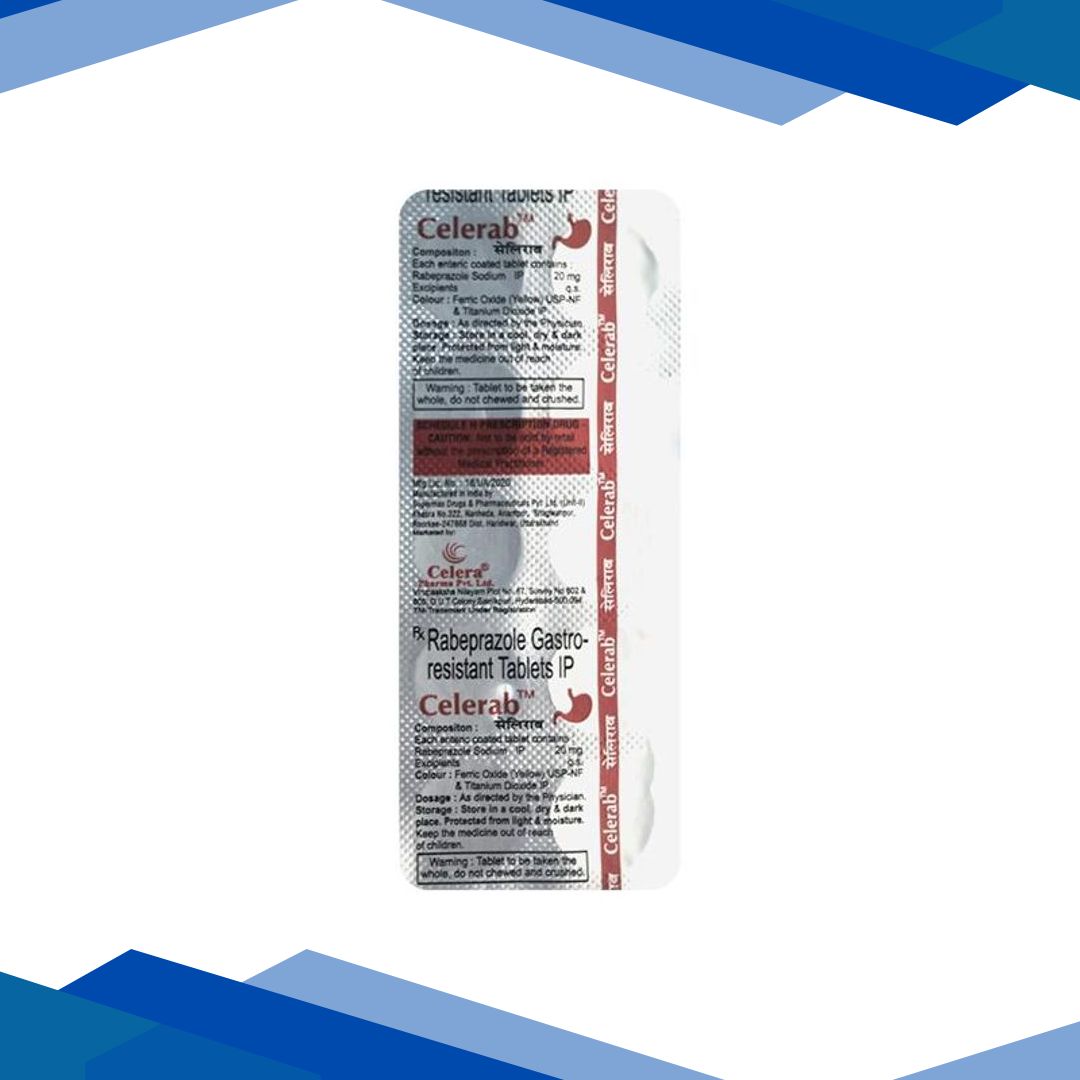
CELERAB 20mg Tablet 10’s
CELERAB 20mg Tablet is a combination medicine used to relieve pain, reduce inflammation, and help protect the stomach. Aceclofenac is a pain-relieving anti-inflammatory medicine that helps decrease swelling and stiffness. Paracetamol adds extra relief from pain and can also help lower fever. Rabeprazole reduces the amount of acid made in the stomach, which may help prevent acidity, irritation, or stomach discomfort that can happen with pain medicines. This combination is commonly used for painful inflammatory conditions such as joint pain, back pain, muscle pain, or arthritis-related discomfort. It may be prescribed when pain relief is needed along with stomach protection. It should be used under medical advice, especially in people with stomach, kidney, liver, or heart problems.
Description
CELERAB 20mg Tablet is a combination medicine commonly used to help relieve painful inflammatory conditions while also reducing the risk of stomach irritation that can occur with pain-relief medicines. it brings together three different ingredients that work in complementary ways: aceclofenac helps reduce pain and inflammation, paracetamol helps lower pain and fever, and rabeprazole helps reduce acid production in the stomach. this combination is generally chosen when pain is expected to be associated with inflammation and when stomach protection is considered important.
aceclofenac belongs to a group of medicines called non-steroidal anti-inflammatory drugs, or nsaids. it works by blocking certain chemical messengers in the body that are involved in pain and inflammation. because inflammation is often a major contributor to pain in joints, muscles, and soft tissues, aceclofenac can be useful for conditions where swelling, stiffness, and tenderness are present. paracetamol acts differently: it helps relieve pain and reduce fever, and it is often included to improve overall pain control without adding significant stomach irritation when used appropriately.
rabeprazole is a proton pump inhibitor, which means it lowers the amount of acid made by the stomach. this is important because nsaids such as aceclofenac can sometimes irritate the stomach lining, causing discomfort, indigestion, or even more serious problems such as ulcers or bleeding in susceptible people. by decreasing stomach acid, rabeprazole can help protect the gastrointestinal tract and may improve tolerability in people who need anti-inflammatory pain treatment. the combination is therefore often prescribed for people with painful inflammatory disorders, especially when there is a need to reduce acid-related side effects.
this medicine is not meant for every type of pain. it is generally used for short-term or medically supervised treatment of conditions where both pain relief and inflammation control are needed. because it contains an nsaid and a stomach-acid suppressant, it should be used carefully in people with a history of stomach ulcers, kidney disease, liver problems, heart disease, asthma, bleeding disorders, or those taking other medicines that affect the stomach, liver, kidneys, or blood clotting. a healthcare professional should decide whether this combination is appropriate based on the person’s symptoms, medical history, and other medicines being used.
ingredients
- aceclofenac: a pain-relieving and anti-inflammatory medicine that helps reduce swelling, stiffness, and pain in conditions involving inflammation. it is often used for musculoskeletal and joint-related pain because it targets the inflammatory process that contributes to discomfort.
- paracetamol: a widely used analgesic and antipyretic that helps relieve mild to moderate pain and reduce fever. it is useful for improving overall pain control and is generally gentler on the stomach than many other pain medicines when used correctly.
- rabeprazole: a proton pump inhibitor that lowers stomach acid production. its main role in this combination is to help protect the stomach from irritation and acid-related complications that may be associated with anti-inflammatory medicines.
key uses
- musculoskeletal pain: helps relieve pain related to muscles, ligaments, tendons, and soft tissues, especially when inflammation is contributing to the discomfort.
- joint pain and stiffness: often used in inflammatory joint conditions where swelling, aching, and restricted movement are present.
- back pain: may help reduce pain and inflammation in acute episodes of back discomfort, particularly when muscle strain or inflammation is involved.
- post-injury pain: can be used for pain and swelling after minor injuries, where reducing inflammation can improve comfort and movement.
- pain with fever: the paracetamol component may help lower fever and provide additional relief when pain is accompanied by elevated body temperature.
- stomach protection during nsaid use: rabeprazole helps reduce acid production and may lower the chance of stomach upset or acid-related injury in people who need anti-inflammatory treatment.
how to use
CELERAB 20mg Tablet should be used exactly as advised by a healthcare professional. it is usually taken by mouth, and many people are instructed to take it after food to reduce the chance of stomach discomfort, although the exact timing can vary depending on the product and the patient’s condition. swallow the tablet or capsule whole with water unless a doctor or pharmacist has told you otherwise. do not crush or chew a modified-release or enteric-coated form, if applicable, because that can affect how the medicine works.
use only the amount recommended by your clinician. do not take extra doses to “catch up” or increase relief, because doing so can raise the risk of side effects, especially from aceclofenac and paracetamol. avoid taking other medicines containing paracetamol or other nsaids at the same time unless a healthcare professional has confirmed it is safe. if symptoms persist, worsen, or return frequently, seek medical advice rather than continuing self-treatment.
safety information
- warnings: aceclofenac can increase the risk of stomach irritation, ulceration, and bleeding, especially in people with a history of peptic ulcer disease or in those taking alcohol, steroids, blood thinners, or certain antidepressants. it may also affect kidney function, raise blood pressure, or increase cardiovascular risk in some people, particularly with prolonged use or in those with pre-existing heart disease. paracetamol can cause serious liver damage if taken in excess or combined with other paracetamol-containing products. rabeprazole may mask symptoms of more serious stomach problems if used without evaluation. seek urgent care for black stools, vomiting blood, severe abdominal pain, chest pain, swelling, or difficulty breathing.
- side effects: common side effects may include stomach pain, nausea, vomiting, indigestion, diarrhea, constipation, gas, dizziness, headache, or mild discomfort after taking the medicine. some people may notice acidity-related symptoms improving because of rabeprazole, while others may still experience upset stomach. serious side effects can include gastrointestinal bleeding, stomach ulcer, allergic reactions, severe rash, liver injury, kidney problems, unusual tiredness, swelling, shortness of breath, or worsening blood pressure control.
- precautions: this medicine should be used cautiously or avoided in people with a history of stomach ulcers, gastrointestinal bleeding, severe liver disease, severe kidney disease, uncontrolled heart failure, known nsaid allergy, aspirin-sensitive asthma, or significant cardiovascular disease unless specifically recommended by a doctor. extra caution is needed in older adults, people who are dehydrated, and those taking multiple medicines. long-term or frequent use should only occur under medical supervision.
- pregnancy/breastfeeding: this combination is generally not preferred during pregnancy unless a doctor believes the benefit outweighs the risk. nsaids can be harmful in later pregnancy, and paracetamol use should still be guided by a clinician. during breastfeeding, professional advice is recommended because the safety of the full combination depends on the individual situation, the baby’s age, and the mother’s health condition.
- interactions: alcohol can increase the risk of liver damage from paracetamol and can also worsen stomach irritation and bleeding risk from aceclofenac. important interactions may occur with blood thinners, other nsaids, corticosteroids, certain antidepressants, diuretics, medicines for blood pressure, lithium, methotrexate, and some kidney-affecting drugs. rabeprazole may also affect the absorption or action of certain medicines that depend on stomach acid. always tell your healthcare professional about all prescription medicines, over-the-counter products, herbal supplements, and alcohol use.
additional information
- storage: store in a cool, dry place away from direct sunlight, moisture, and heat. keep it in the original packaging and out of reach of children. do not use the medicine after the expiry date.
- missed dose: if you miss a dose, take it when you remember if it is not almost time for the next dose. if the next dose is near, skip the missed dose and continue your regular schedule. do not take two doses at once.
- overdose: an overdose may cause severe stomach upset, vomiting, drowsiness, dizziness, liver damage, kidney injury, or internal bleeding. paracetamol overdose is particularly dangerous because liver damage may not be obvious at first but can become life-threatening. if an overdose is suspected, seek emergency medical help immediately, even if symptoms seem mild initially.
- habit forming: no, this medicine is not habit forming. however, it should still be used only as directed because misuse or frequent unnecessary use can lead to serious adverse effects rather than dependence.
frequently asked questions
Q: what is CELERAB 20mg Tablet used for?
A: it is used for painful inflammatory conditions where pain relief, reduction of swelling, and protection of the stomach are all important. it is commonly prescribed for joint pain, muscle pain, back pain, and similar short-term painful conditions under medical supervision.
Q: why is rabeprazole included in this medicine?
A: rabeprazole is included to reduce stomach acid and help protect the stomach lining. this can lower the chance of acidity, irritation, ulcer formation, or bleeding that may occur with anti-inflammatory medicines like aceclofenac.
Q: can i take this medicine on an empty stomach?
A: it is often better tolerated after food, but the exact instructions depend on the specific product and your doctor’s advice. follow the directions given on the label or by your healthcare professional.
Q: is this medicine safe for long-term use?
A: long-term use should only happen under medical supervision. prolonged use of aceclofenac can raise the risk of stomach, kidney, and heart-related side effects, so doctors usually assess whether continued treatment is necessary.
Q: can i take other painkillers with this medicine?
A: do not combine it with other nsaids or paracetamol-containing products unless a healthcare professional has confirmed it is safe. taking multiple pain medicines at the same time can increase the risk of liver damage, stomach bleeding, and other serious side effects.
Q: what should i do if i get stomach pain while taking it?
A: mild stomach upset can happen, but severe or persistent stomach pain, black stools, vomiting blood, or worsening indigestion needs urgent medical attention. these may be signs of stomach ulcer or bleeding.
Q: can this medicine cause drowsiness?
A: some people may feel dizzy or unwell, but marked drowsiness is not usually the main effect. if you feel dizzy or less alert, avoid driving or operating machinery until you know how the medicine affects you.
Q: is it safe to drink alcohol while using this medicine?
A: alcohol is best avoided or minimized because it can increase the risk of liver damage from paracetamol and stomach irritation or bleeding from aceclofenac. ask your healthcare professional for advice based on your health condition.
Q: what are the serious warning signs i should not ignore?
A: serious warning signs include black or bloody stools, vomiting blood, severe abdominal pain, yellowing of the skin or eyes, swelling of the legs, shortness of breath, rash, facial swelling, or reduced urine output. seek medical help immediately if these occur.
Q: can people with kidney problems use this medicine?
A: people with kidney problems need special caution because aceclofenac can worsen kidney function. a healthcare professional should evaluate the risks and decide whether this combination is appropriate.
this information is for educational purposes only and should not be considered medical advice. always consult a qualified healthcare professional before use.
At Gem Pharmacy, we make every effort to provide accurate, expert-written, and thoroughly reviewed information related to medicines. However, this information should not be considered a substitute for professional medical advice, diagnosis, or treatment from a qualified doctor.
The purpose of this information is to educate users and improve communication between patients and healthcare professionals. It should not be used to diagnose or treat any condition.
Always consult a certified healthcare professional before taking any medication.


Related products