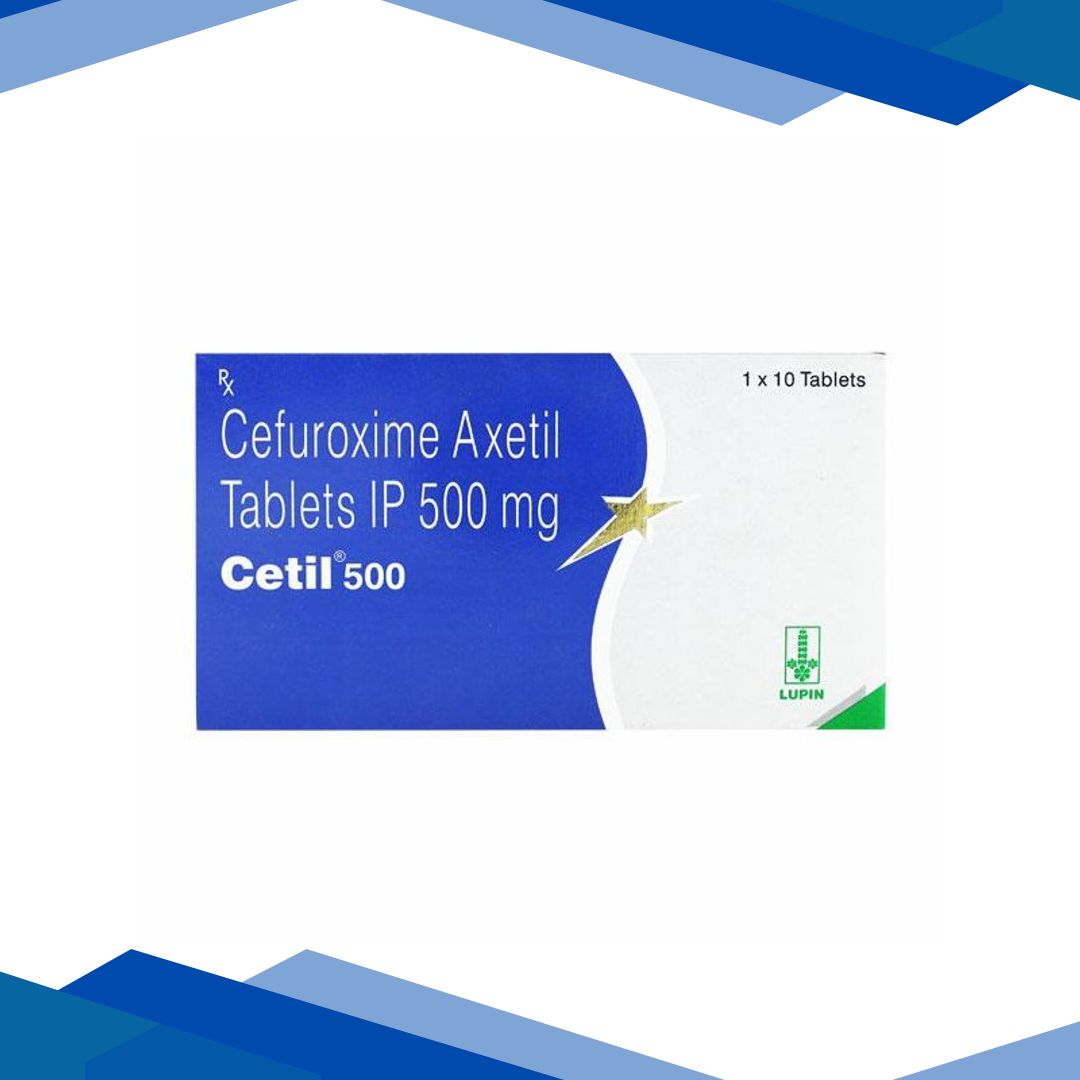
Cetil 500mg Tablet 10’S
Cetil 500mg Tablet is a combination medicine used to help relieve pain, swelling, and inflammation in conditions such as sprains, strains, muscle injuries, joint pain, and other inflammatory problems. Aceclofenac works by reducing the production of chemicals in the body that cause pain and inflammation. Bromelain and trypsin are enzymes that help reduce swelling and support the body’s natural recovery process, while rutoside helps strengthen blood vessels and may further support control of inflammation. Together, this combination can provide more complete relief when pain is linked with swelling or tissue injury. It is commonly used under medical advice to support faster comfort and recovery, but it should be taken only as recommended by a healthcare professional.
Description
Cetil 500mg Tablet is a combination medicine commonly used to help reduce pain, swelling, and inflammation in conditions where tissues are irritated or injured. it brings together an anti-inflammatory pain reliever, aceclofenac, with three enzyme-based and vascular-supportive ingredients, bromelain, rutoside, and trypsin, which are often included to support the body’s natural recovery process and help reduce tissue swelling. this combination is typically considered when inflammation is a major part of the problem, such as after injury, strain, dental procedures, or musculoskeletal conditions.
aceclofenac belongs to a class of medicines called non-steroidal anti-inflammatory drugs, or nsaids. it works by reducing the production of certain chemical messengers in the body known as prostaglandins, which are responsible for pain, swelling, and stiffness. by lowering these chemicals, it can help relieve discomfort and improve movement. the other ingredients, bromelain and trypsin, are proteolytic enzymes that may help the body break down inflammatory proteins and support resolution of swelling, while rutoside is a flavonoid that helps strengthen blood vessels and may reduce capillary leakage and tissue edema. together, they are intended to provide broader support for inflammation and recovery than a pain reliever alone.
this medicine is usually used in people who have pain accompanied by swelling, tenderness, or inflammation, rather than simple mild aches alone. it may be recommended in conditions involving soft tissue inflammation, joint and muscle pain, sprains, strains, post-procedure swelling, and other inflammatory states where reducing edema can improve comfort and healing. because it contains aceclofenac, it should be used carefully in people who have a history of stomach ulcers, kidney disease, heart disease, asthma triggered by painkillers, or bleeding problems. it is important to use this medicine only as advised by a healthcare professional, since the suitability of the combination depends on the underlying condition and the patient’s overall medical history.
ingredients
- aceclofenac: this is the main pain-relieving and anti-inflammatory component. it helps reduce the formation of prostaglandins, which are natural substances that increase pain, swelling, redness, and stiffness during inflammation. aceclofenac is especially useful when pain is linked with inflammation, such as in joint, muscle, or soft tissue conditions. it may help improve mobility and comfort by reducing inflammatory pain.
- bromelain: bromelain is a mixture of enzymes derived from pineapple. it is included for its potential ability to support the breakdown of inflammatory proteins and to help reduce swelling after injury or surgery. it may also assist in tissue recovery and is often used as a supportive ingredient in inflammatory conditions. some people may notice digestive discomfort if sensitive to enzyme supplements.
- rutoside: rutoside is a plant-derived flavonoid that supports healthy blood vessels and capillary strength. it may help reduce capillary fragility and leakage, which can contribute to swelling and bruising in inflamed tissues. by helping stabilize small blood vessels, it can support the body’s response to inflammation and edema.
- trypsin: trypsin is a proteolytic enzyme that helps break down proteins involved in inflammation and tissue swelling. it is commonly used in combinations intended to support the reduction of edema and promote healing in inflamed tissues. trypsin may complement the anti-inflammatory effect of aceclofenac by supporting the body’s natural inflammatory resolution processes.
key uses
- muscle and joint pain with inflammation: this medicine may be used for painful conditions where swelling and stiffness are present, such as sprains, strains, back pain, or inflammatory joint discomfort. the aceclofenac component helps reduce pain, while the enzymes may help with swelling.
- post-traumatic swelling: after minor injuries, falls, or overuse injuries, tissues can become swollen and tender. the combination may help reduce edema and improve comfort during recovery, especially when inflammation is a key feature.
- post-operative or post-procedure inflammation: in some cases, it may be used after dental or minor surgical procedures to help manage pain and swelling. this should only be done when specifically recommended by a clinician.
- soft tissue inflammation: conditions affecting muscles, ligaments, tendons, or surrounding soft tissues may benefit from this medicine when the main issue is pain with inflammatory swelling.
- inflammatory discomfort affecting movement: when pain and swelling make it difficult to move normally, the medicine may help ease stiffness and improve daily function. it is not a cure for the underlying condition but may help with symptom control.
how to use
Cetil 500mg Tablet should be taken exactly as directed by a healthcare professional or according to the instructions on the product label. it is generally taken by mouth, usually with food or after meals if advised, because aceclofenac can irritate the stomach lining in some people. swallow the medicine with water and do not crush, chew, or break it unless a healthcare provider or the product directions specifically allow it. taking it with food may help reduce stomach upset, although exact timing can depend on the formulation.
use the medicine only for the period recommended by your doctor. it is meant to help manage inflammation and pain, not to be used indefinitely without medical review. if symptoms do not improve, worsen, or keep returning, a healthcare professional should reassess the cause. do not combine it with other painkillers or anti-inflammatory medicines unless your doctor says it is safe, because this may increase the risk of side effects. if you have a history of stomach problems, kidney disease, liver disease, or heart disease, extra caution is needed before using this combination.
safety information
- warnings: aceclofenac can increase the risk of stomach irritation, ulceration, or bleeding, especially in people who already have a history of peptic ulcer disease or who take it for longer than recommended. it may also affect kidney function and fluid balance in susceptible individuals. use caution if you are elderly, dehydrated, or taking medicines that affect the kidneys or blood clotting. seek medical help if you develop black stools, vomiting blood, severe stomach pain, chest pain, breathing difficulty, sudden swelling, or a severe skin reaction.
- side effects: common side effects may include stomach upset, indigestion, nausea, abdominal discomfort, loose stools, headache, dizziness, or mild bloating. some people may experience gas or a sensation of fullness due to the enzyme components. serious side effects, though less common, can include gastrointestinal bleeding, stomach ulcer, allergic reactions, liver problems, kidney impairment, raised blood pressure, fluid retention, or severe skin reactions. stop the medicine and seek urgent medical care if you notice signs of allergy such as rash, itching, swelling of the face, or trouble breathing.
- precautions: this medicine should be used carefully in people with a history of asthma triggered by aspirin or nsaids, stomach ulcers, acid reflux, bleeding disorders, liver disease, kidney disease, heart failure, uncontrolled blood pressure, or inflammatory bowel disease. it may not be suitable for people recovering from major surgery or those at high risk of bleeding. elderly patients may be more sensitive to side effects and often need closer monitoring. avoid taking it if you are allergic to any of its components.
- pregnancy/breastfeeding: use during pregnancy is generally not recommended unless specifically prescribed by a doctor, especially in later pregnancy, because nsaids may pose risks to the fetus and pregnancy outcomes. breastfeeding safety should also be reviewed by a clinician, as the medicine may not be appropriate without medical advice. if you are pregnant, trying to conceive, or breastfeeding, consult your healthcare provider before using this combination.
- interactions: aceclofenac may interact with other nsaids, aspirin, blood thinners such as warfarin, antiplatelet medicines, corticosteroids, some antidepressants that affect bleeding risk, blood pressure medicines, diuretics, methotrexate, lithium, and certain kidney-affecting drugs. alcohol can increase the risk of stomach irritation and bleeding, so it is best to avoid or strictly limit alcohol while taking this medicine. always tell your doctor or pharmacist about all prescription medicines, over-the-counter products, and herbal supplements you use.
additional information
- storage: store in a cool, dry place away from direct sunlight, heat, and moisture. keep the medicine in its original packaging and out of reach of children. do not store it in the bathroom or in damp areas. follow any special storage instructions on the label if the formulation is different from standard tablets or capsules.
- missed dose: if you miss a dose, take it when you remember unless it is almost time for the next scheduled dose. if it is close to the next dose, skip the missed one and continue with your regular schedule. do not double the dose to make up for a missed dose, as this increases the risk of side effects.
- overdose: taking too much may cause severe stomach upset, vomiting, drowsiness, dizziness, abdominal pain, confusion, or serious complications such as gastrointestinal bleeding, kidney problems, or low blood pressure in severe cases. if an overdose is suspected, seek emergency medical help immediately. do not wait for symptoms to worsen. bring the medicine package with you if possible.
- habit forming: no, this medicine is not considered habit-forming or addictive. however, it should still be used only as prescribed or recommended, because overuse can lead to harmful side effects and may mask a condition that needs proper medical treatment.
frequently asked questions
Q: what is Cetil 500mg Tablet used for?
A: it is commonly used to help reduce pain, swelling, and inflammation in conditions such as muscle or joint injuries, soft tissue inflammation, and some post-procedure inflammatory states. the exact use depends on your doctor’s recommendation and the cause of your symptoms.
Q: how does this medicine work?
A: aceclofenac reduces the chemicals that cause pain and inflammation, while bromelain, rutoside, and trypsin help support the reduction of swelling and tissue inflammation. together, they may provide broader relief when inflammation is present.
Q: can i take this medicine on an empty stomach?
A: it is often better to take it with food or after meals if advised, because aceclofenac can irritate the stomach. follow the instructions given by your healthcare professional or the product label.
Q: what are the common side effects?
A: common side effects may include stomach discomfort, nausea, indigestion, headache, dizziness, or loose stools. if you develop severe pain, black stools, vomiting blood, rash, or breathing problems, seek medical help immediately.
Q: who should be careful while using this medicine?
A: people with stomach ulcers, kidney disease, liver disease, heart disease, bleeding problems, asthma triggered by painkillers, or a history of allergy to nsaids should use it with caution or avoid it unless a doctor advises otherwise.
Q: can i drink alcohol while taking this medicine?
A: alcohol can increase the risk of stomach irritation and bleeding when taken with aceclofenac-containing medicines. it is safer to avoid alcohol or ask your doctor for advice based on your health situation.
Q: is this medicine safe during pregnancy?
A: it is generally not recommended during pregnancy unless a doctor specifically says it is necessary. nsaid-containing medicines can pose risks, especially later in pregnancy, so medical advice is important before use.
Q: can i use it with other painkillers?
A: you should not combine it with other nsaids or pain medicines without checking with a healthcare professional, because this may increase the risk of stomach bleeding, kidney problems, and other side effects.
Q: how long does it take to work?
A: some people may notice improvement in pain and swelling within a short time, but the response varies depending on the condition being treated and individual factors. use it only for the duration recommended by your doctor.
Q: does this medicine cure the underlying problem?
A: no, it mainly helps relieve symptoms such as pain and inflammation. the underlying cause may still need specific treatment, rest, physiotherapy, or other medical care.
Q: can elderly patients use this medicine?
A: elderly patients may use it only with caution, because they can be more prone to stomach, kidney, and cardiovascular side effects. a doctor may need to monitor them more closely.
Q: what should i do if i develop stomach pain while taking it?
A: mild stomach discomfort can happen, but if the pain is persistent, severe, or accompanied by vomiting, black stools, or weakness, stop taking the medicine and seek medical care promptly.
Q: can people with asthma take this medicine?
A: some people with asthma, especially those who react to aspirin or nsaids, may have worsening symptoms. medical evaluation is important before use if you have asthma or a history of painkiller sensitivity.
this information is for educational purposes only and should not be considered medical advice. always consult a qualified healthcare professional before use.
At Gem Pharmacy, we make every effort to provide accurate, expert-written, and thoroughly reviewed information related to medicines. However, this information should not be considered a substitute for professional medical advice, diagnosis, or treatment from a qualified doctor.
The purpose of this information is to educate users and improve communication between patients and healthcare professionals. It should not be used to diagnose or treat any condition.
Always consult a certified healthcare professional before taking any medication.


Related products