Calcitriol
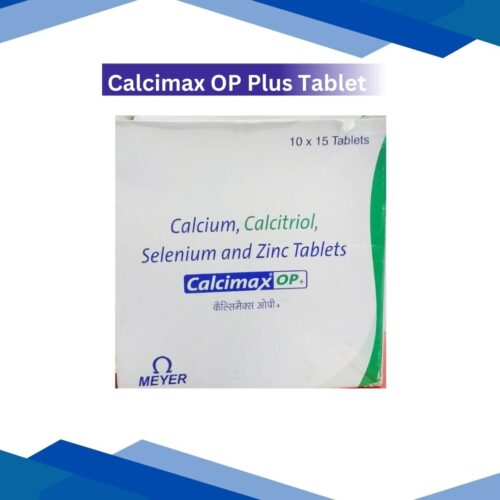
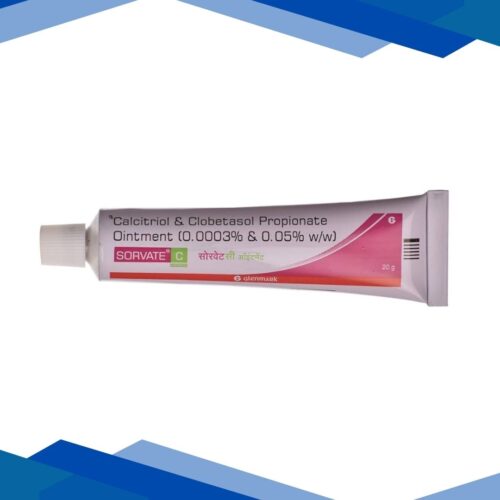
CALCITRIOL
Overview:
Calcitriol is a medication version of natural vitamin D, essential for bone health, calcium absorption, and parathyroid hormone regulation. It’s usually prescribed to people with kidney issues, certain bone conditions, or low calcium levels who can’t activate vitamin D naturally in their bodies.
Classification:
Calcitriol is the active form of vitamin D3. It’s a vitamin-based hormone used as a nutritional supplement and therapeutic agent to support calcium balance in the body.
Uses:
Treats or prevents low blood calcium (hypocalcemia)
Helps manage bone disorders, such as rickets or osteodystrophy
Used in people with chronic kidney disease who have trouble processing vitamin D
Supports patients with parathyroid gland problems (like hypoparathyroidism)
Helps improve calcium absorption in people with intestinal disorders
How It Works:
Calcitriol works by helping the body absorb more calcium and phosphate from food through the intestines. It also helps maintain proper calcium levels in the blood and supports bone strength. In people with kidney problems, it replaces the active vitamin D their body can’t make on its own.
Dosage: As prescribed by your doctor.
Side effects:
While usually well tolerated, some people may notice:
Nausea or vomiting
Headache or weakness
Increased thirst or frequent urination
Loss of appetite
In rare cases: high calcium levels (hypercalcemia), which can cause confusion, tiredness, or irregular heartbeat
Precautions:
Regular blood tests are important to monitor calcium and phosphate levels
Tell your doctor if you have a history of heart disease, kidney stones, or high calcium levels
Be cautious with calcium or vitamin D supplements—too much can be harmful
Drink plenty of fluids unless advised otherwise
Use during pregnancy or breastfeeding only with medical advice
Avoid taking magnesium-containing antacids unless approved by your doctor
Disclaimer:
This content is for informational purposes only. Always consult a healthcare provider for medical advice and proper dosage
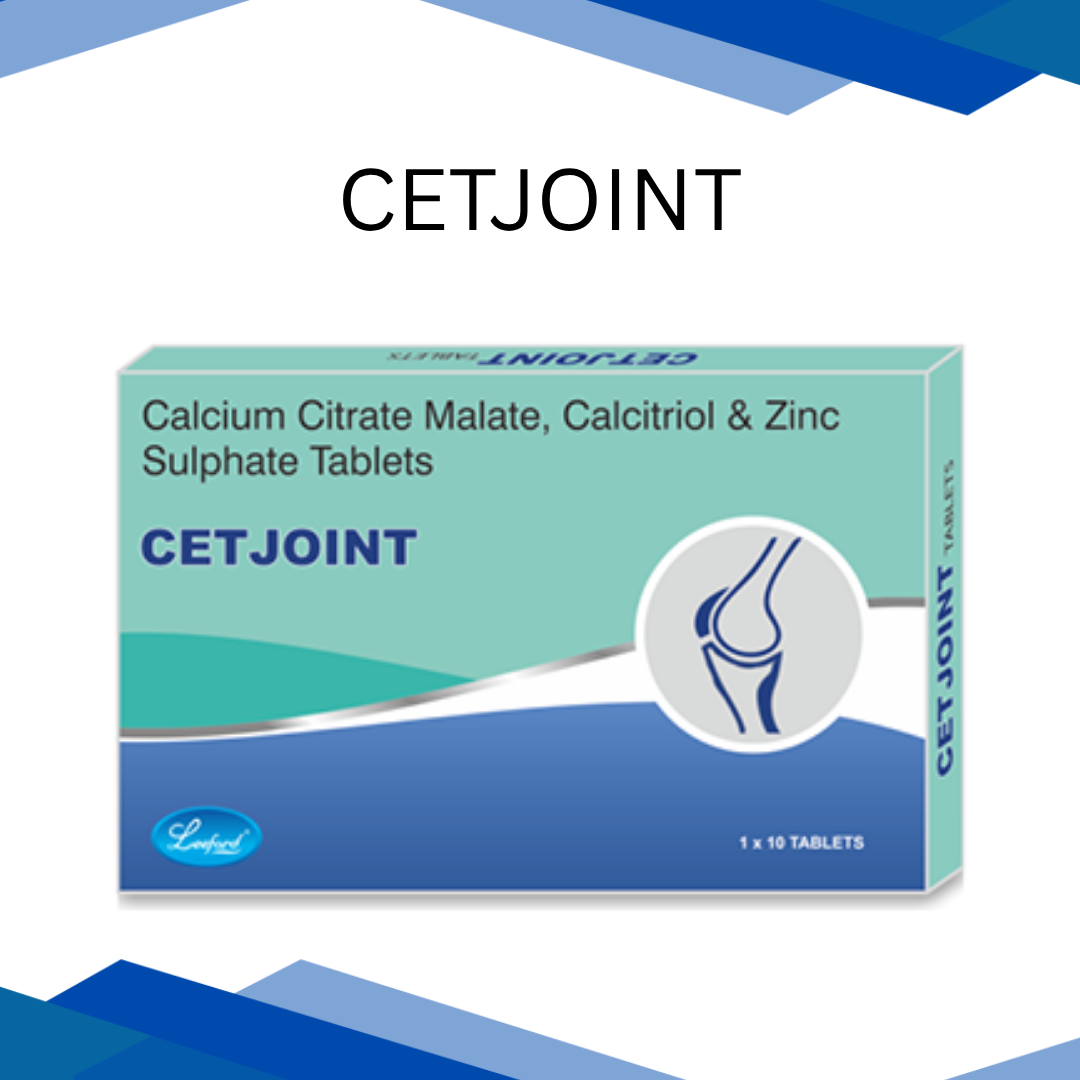
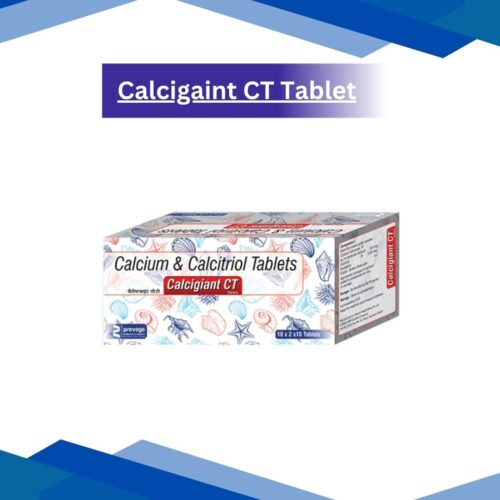
Calcium Citrate Malate
CALCIUM
Overview:
Calcium is a natural mineral that your body needs to stay strong and healthy. It’s best known for keeping your bones and teeth hard and sturdy, but it also plays a big role in muscle movement, heart rhythm, and nerve function.
Classification
Calcium is a dietary supplement and essential mineral.
Uses:
Supports healthy bones and teeth
Helps muscles contract and relax properly
Keeps your heartbeat steady
Helps nerves send signals
Used to prevent or treat calcium deficiency, especially in people with osteoporosis, poor diet, or during pregnancy or growth phases
How It Works:
Calcium gets absorbed from the food you eat or from supplements. Once in your blood, it’s sent to places where it’s needed—mostly bones, teeth, and muscles. It strengthens bones, supports heart and muscle function, and helps nerves carry messages throughout your body.
Dosage:
As prescribed by your doctor.
Side effects
Most people can take calcium without issues, but some might notice:
Stomach upset or bloating
Constipation (trouble going to the bathroom)
Gas
Mild nausea (feeling slightly sick)
Dry mouth or a chalky taste
Kidney stones
High calcium levels in the blood, which may cause confusion, tiredness, or increased thirst
Precautions
Don’t take more than recommended: Too much calcium can build up in the body and cause problems like kidney stones or high blood calcium.
Tell your doctor about your medical history, especially if you have kidney disease, heart problems, or a history of kidney stones.
Let your doctor know if you’re taking other medications: Calcium can interfere with how some drugs work—like antibiotics, thyroid medicine, or iron supplements.
Take it the right way: Some types of calcium work better with food, while others don’t. Follow the label or your doctor’s advice.
Stay hydrated: Drinking enough water helps prevent kidney stone risk when taking calcium supplements.
Disclaimer:
This content is for informational purposes only. Always consult a healthcare provider for medical advice and proper dosage
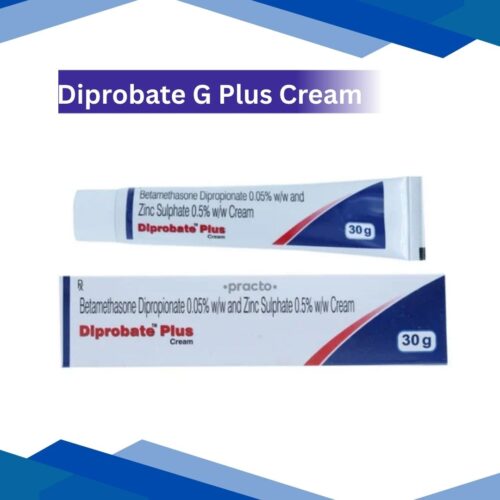
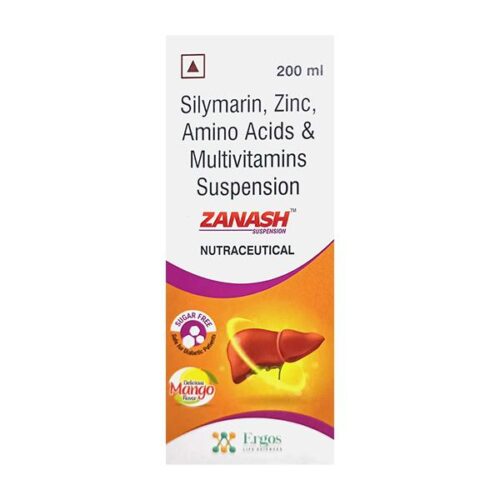
Zinc Sulphate
ZINC SULPHATE
Overview:
Zinc sulphate is a mineral supplement that helps support overall health by providing the essential nutrient zinc. It plays an important role in boosting immunity, supporting growth and development, healing wounds, and keeping the skin, hair, and nails healthy. By ensuring your body has enough zinc, it helps maintain general well-being and aids in proper body functioning.
Classification: Mineral supplement / Nutritional supplement
Uses:
Zinc sulphate is used to help maintain overall health and wellbeing by providing the essential mineral zinc. It supports the immune system, helps wounds heal faster, promotes healthy growth and development, and keeps the skin, hair, and nails in good condition.Having enough zinc in your body promotes strength, vitality, and a stronger immune system.
How it works:
Zinc sulphate functions by replenishing your body with zinc, an important mineral required in the body for numerous body functions. It actually helps with your immune system, it helps with wounds healing, helps to grow and it keeps the skin, hair, and nails healthy. In short, it equips your body with the nutrients it requires to stay healthy, recover quicker and operate at its highest level.
Dosage:As prescribed by your doctor.
Side Effects:
- Mild stomach upset or nausea
- Diarrhea
- Metallic taste in the mouth
- Stomach cramps
- Rarely, allergic reactions such as rash or itching
Precautions:
Follow your doctor’s guidance when using zinc sulphate and stick to the recommended amount. Taking too much can cause stomach upset or other side effects.Tell your healthcare provider about any kidney problems or other medicines you use, as zinc can affect how they work. Take it with food to reduce stomach discomfort, and stop use and seek medical advice if you notice unusual reactions like rash, itching, or severe stomach pain.
Disclaimer:This content is for informational purposes only. Always consult a healthcare provider for medical advice and proper dosage.