
CGG Cosmetics Misty Moringa Body Mist 200 ml
❌ Due to high demand, this product is currently out of stock. New stock will be available shortly.
👉 Click here to Buy Same Salt medicine
CGG Cosmetics Misty Moringa Body Mist 200 is a medicine combination commonly used in eye and ear preparations to help treat or prevent certain bacterial infections. Polymyxin B sulphate works by damaging the outer covering of susceptible bacteria, which helps stop them from growing and spreading. Disodium EDTA helps enhance the action of polymyxin B by weakening the protective outer layer of bacteria and improving its effectiveness against some germs. This combination is mainly used for infections or inflammation caused by bacteria, especially in the eye or ear, and may also be used when there is a risk of infection after minor irritation or injury. It is usually prescribed by a healthcare professional to ensure the right use and to support safe, effective treatment.
Description
CGG Cosmetics Misty Moringa Body Mist 200 is a combination medicine commonly used in eye preparations to help manage bacterial infections of the eye and related structures. it is designed to work locally at the site of infection, which means it is usually applied directly to the affected area rather than taken by mouth. this local action helps target the bacteria causing the problem while minimizing systemic exposure in the body. because eye infections can worsen quickly if not treated properly, this combination is often used under the guidance of a healthcare professional when a bacterial cause is suspected or confirmed.
polymyxin b sulphate is an antibiotic that acts against certain bacteria, especially gram-negative organisms. it works by disrupting the bacterial cell membrane, causing the bacteria to lose their integrity and die. disodium edta helps by binding to metal ions such as calcium and magnesium, which can weaken bacterial defenses and improve the effectiveness of the antibiotic. in some formulations, edta also supports preservative action and enhances penetration of the antibiotic into the infected area. together, these ingredients help reduce bacterial growth and control infection more effectively than either component alone in certain situations.
this medicine is generally intended for people with mild to moderate bacterial eye infections or for cases where an eye care professional believes an antibiotic drop or ointment is appropriate. it is not meant for viral or fungal eye problems, and it will not help with allergies, irritation from dust, or dry eyes unless infection is also present. because eye symptoms can come from many different causes, correct diagnosis is important. misusing antibiotic eye medicines can lead to treatment failure, delay proper care, and contribute to antibiotic resistance.
patients using this medicine should follow the instructions given by their doctor or pharmacist carefully. good hygiene during use is essential, especially when applying eye drops or ointments, to avoid contaminating the container or spreading infection. if symptoms do not improve, if they worsen, or if severe pain or vision changes develop, prompt medical attention is needed. eye infections should never be ignored because complications can affect vision if treatment is delayed.
ingredients
- disodium edta: this ingredient helps by chelating, or binding, certain minerals that bacteria use to maintain their outer protective structures. by weakening those structures, disodium edta can enhance the action of the antibiotic and may improve the product’s overall antibacterial effect. it is also frequently used in eye formulations to support stability and preservative function.
- polymyxin b sulphate: this is the main antibacterial component. it targets susceptible bacteria by damaging the bacterial cell membrane, leading to leakage of essential contents and bacterial death. it is particularly useful against some gram-negative bacteria that can cause eye infections, making it a valuable topical antibiotic in ophthalmic products.
key uses
- bacterial eye infections: used to help treat infections of the eye caused by susceptible bacteria, such as bacterial conjunctivitis. it may reduce redness, discharge, and irritation when the cause is bacterial.
- prevention of infection in minor eye injuries or procedures: in some cases, a clinician may recommend a topical antibiotic to help prevent bacterial growth after minor eye trauma or certain eye procedures, depending on the situation.
- supportive treatment for superficial ocular bacterial contamination: it may be used when bacteria are present on the surface of the eye or surrounding tissues and local antibiotic treatment is appropriate.
- localized treatment with minimal body-wide exposure: because it is used in the eye, the medicine acts mainly where it is needed and usually causes less whole-body exposure than oral antibiotics.
how to use
this medicine should be used exactly as directed by a healthcare professional, because the correct use depends on the form of the product, the severity of infection, and the affected eye. in general, eye drops or ointments are applied to the affected eye(s) after washing hands thoroughly. avoid touching the tip of the dropper or tube to the eye, eyelid, fingers, or any other surface, because this can contaminate the medicine and spread infection. if both eyes are instructed to be treated, follow the same careful technique for each eye.
for eye drops, the lower eyelid is usually gently pulled down to create a small pocket, and the prescribed number of drops is instilled into that pocket. after application, the eye may be closed gently for a short time without blinking excessively. for ointments, a small ribbon is typically placed along the inside of the lower eyelid. vision may become temporarily blurred after ointment use, so caution should be taken before driving or performing tasks that require clear sight. if more than one eye medicine is being used, they are often spaced apart to prevent one product from washing out the other; your healthcare professional can advise on proper timing.
do not stop treatment early just because symptoms improve unless advised by a clinician, as stopping too soon may allow the infection to return. however, if there is no improvement after a reasonable period, or if symptoms become worse, professional review is important. contact lenses should generally be avoided during an active eye infection unless specifically permitted by an eye specialist. good hand hygiene, avoiding eye rubbing, and not sharing towels or cosmetics can help prevent reinfection and spread to others.
safety information
- warnings: this medicine is intended for bacterial infections only and should not be used for viral, fungal, or allergic eye conditions unless a clinician has specifically recommended it. prolonged or unnecessary use may encourage resistant bacteria or lead to secondary problems. if there is severe eye pain, sensitivity to light, reduced vision, marked swelling, or symptoms that rapidly worsen, urgent medical assessment is needed because these may signal a more serious eye condition.
- side effects: common side effects can include mild eye stinging, burning, irritation, redness, tearing, temporary blurred vision, or a foreign-body sensation after application. less common but more serious effects may include allergic reactions such as swelling of the eyelids, rash, intense itching, worsening redness, or breathing difficulty. persistent irritation, severe pain, or visual changes should never be ignored.
- precautions: use caution in people with a history of hypersensitivity to antibiotics or to any component of the formulation. those with contact lens use, recurrent eye infections, eye surgery history, or corneal disease should speak with an eye care professional before use. the product may not be suitable for self-treatment when the cause of redness or discharge is uncertain.
- pregnancy/breastfeeding: because this medicine is usually applied locally to the eye, systemic exposure is typically low. however, safety in pregnancy and breastfeeding depends on the individual product, the condition being treated, and clinical judgment. pregnant or breastfeeding individuals should consult a healthcare professional before use, especially if prolonged treatment is expected.
- interactions: drug interactions are less common with topical eye medicines than with oral drugs, but they can still occur. other eye drops, ointments, or contact lens products may affect absorption or effectiveness if used together improperly. alcohol is not known to have a direct interaction with local eye use, but if the medicine is part of a broader treatment plan, a pharmacist or doctor should review all medicines to avoid duplication or incompatibility.
additional information
- storage: store the product according to the label instructions, usually at room temperature away from excess heat, moisture, and direct sunlight. keep the container tightly closed when not in use. do not freeze unless specifically instructed. keep out of reach of children and do not use the product after the expiry date.
- missed dose: if a dose is missed, it should generally be used as soon as remembered unless it is almost time for the next scheduled dose. in that case, skip the missed dose and continue with the regular schedule. do not double the application to make up for a missed dose unless a healthcare professional has advised otherwise.
- overdose: an accidental extra dose in the eye usually causes increased local irritation, burning, redness, or tearing rather than life-threatening effects. if a large amount is used, rinse the eye gently with clean water or saline if advised, and seek medical advice if discomfort persists. if the medicine is swallowed accidentally or if a child is exposed, contact a poison control center or healthcare professional promptly for guidance.
- habit forming: no. this medicine is not habit forming and does not cause dependence. however, using it longer than recommended can still be harmful because unnecessary antibiotic exposure may increase resistance or irritate the eye surface.
frequently asked questions
Q: what is CGG Cosmetics Misty Moringa Body Mist 200 used for?
A: it is mainly used as a topical eye medicine for bacterial eye infections or other situations where a clinician wants to reduce bacterial growth on the eye surface. it should only be used when a bacterial cause is likely or confirmed.
Q: can i use this medicine for red eyes caused by allergies?
A: no, not unless a healthcare professional has diagnosed a bacterial infection. red eyes can be caused by allergies, dryness, viral infections, or irritation, and antibiotics do not treat those conditions.
Q: how long does it take to work?
A: some improvement in irritation or discharge may be noticed within a few days, but the exact response depends on the infection and the severity of symptoms. if symptoms do not improve or worsen, medical review is needed.
Q: can i wear contact lenses while using this medicine?
A: contact lenses are usually avoided during an active eye infection unless your eye doctor says otherwise. lenses can worsen irritation, trap germs, or interfere with healing.
Q: what should i do if the medicine causes burning?
A: mild burning or stinging can occur briefly after application. if the burning is severe, lasts a long time, or is accompanied by swelling or rash, stop using it and contact a healthcare professional.
Q: is it safe to use this medicine in children?
A: it may be used in children when prescribed by a clinician, but the choice depends on the child’s age, diagnosis, and eye condition. always follow pediatric medical advice carefully.
Q: can i stop the medicine once my eye feels better?
A: it is usually important to complete the course as directed, even if symptoms improve early. stopping too soon can allow bacteria to return and may make treatment less effective.
Q: does this medicine treat viral conjunctivitis?
A: no. viral conjunctivitis does not respond to antibiotics. if the cause is viral, treatment is usually supportive unless a doctor suspects a bacterial co-infection.
Q: what are signs of a serious eye problem?
A: severe pain, reduced vision, marked light sensitivity, eye injury, swelling around the eye, or worsening discharge are warning signs. these need prompt assessment by a healthcare professional.
Q: can i use other eye drops with this medicine?
A: sometimes yes, but they should usually be spaced apart so one medicine does not wash out the other. ask your pharmacist or eye doctor for the correct order and timing.
this information is for educational purposes only and should not be considered medical advice. always consult a qualified healthcare professional before use.
At Gem Pharmacy, we make every effort to provide accurate, expert-written, and thoroughly reviewed information related to medicines. However, this information should not be considered a substitute for professional medical advice, diagnosis, or treatment from a qualified doctor.
The purpose of this information is to educate users and improve communication between patients and healthcare professionals. It should not be used to diagnose or treat any condition.
Always consult a certified healthcare professional before taking any medication.


Related products

RiiFFS Rose Del Soleil Eau De Parfume for women 100 ml
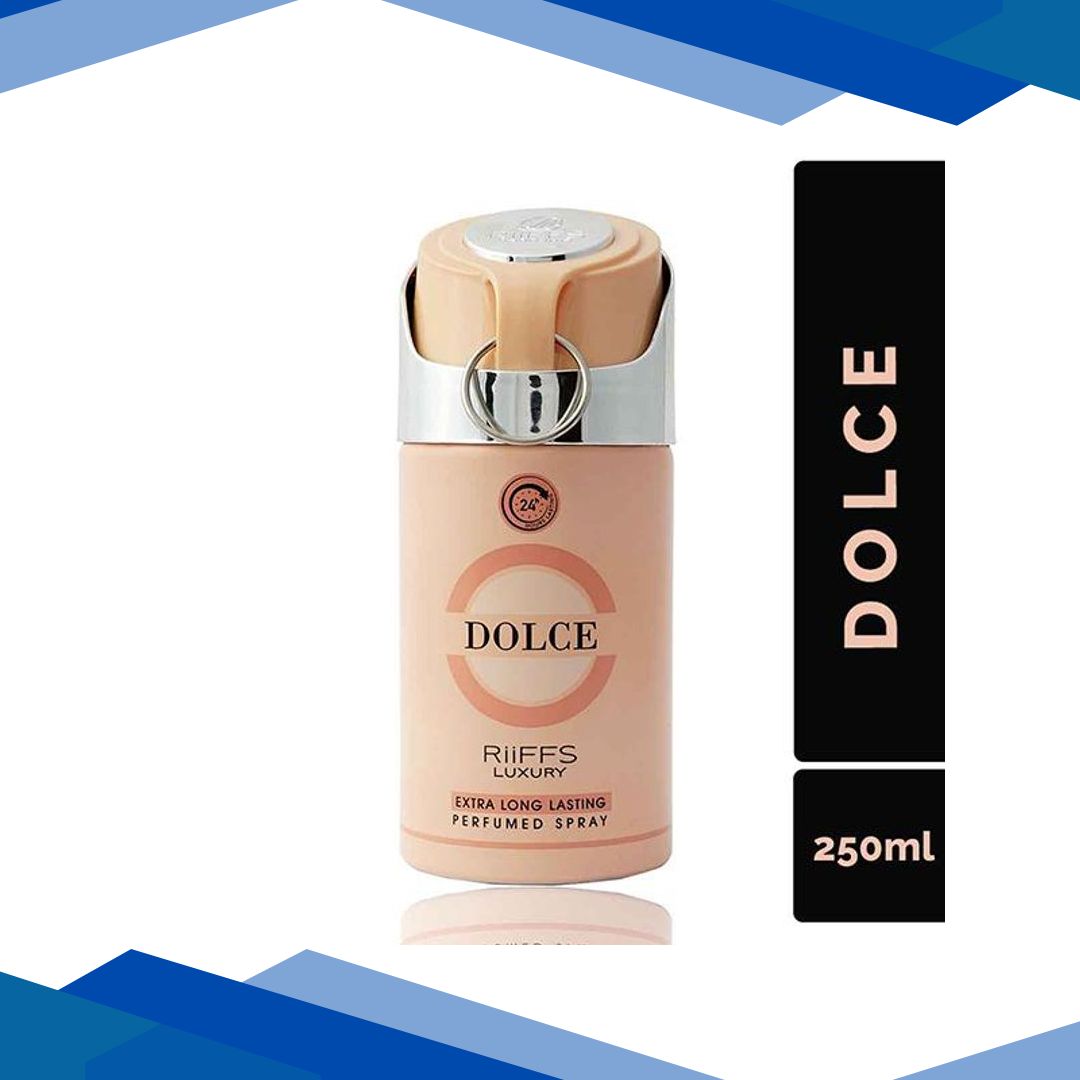
RiiFFS Luxury Dolce Body Spray for Women 250 ml