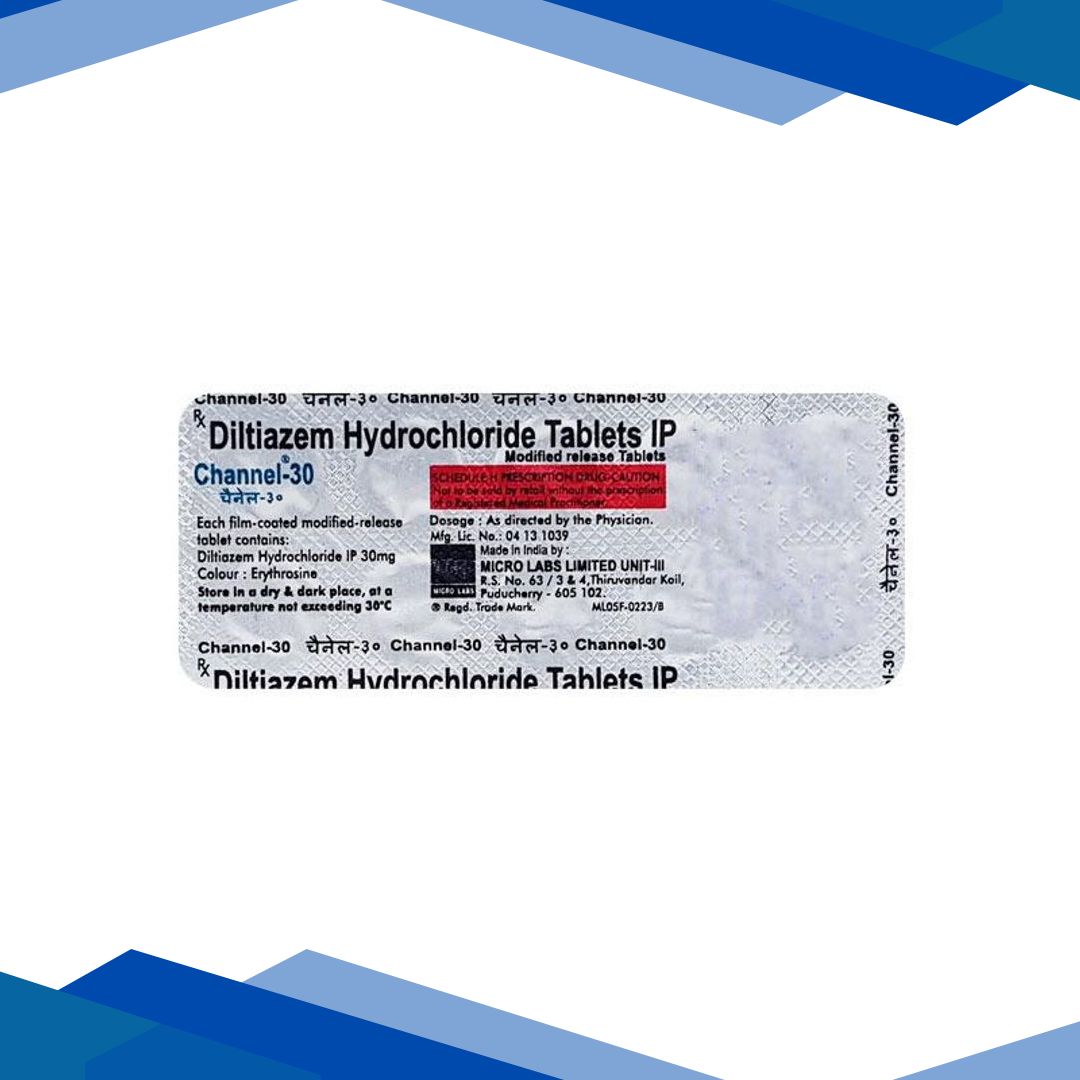
Channel 30mg Tablet 10’S
❌ Due to high demand, this product is currently out of stock. New stock will be available shortly.
👉 Click here to Buy Same Salt medicine
Channel 30mg Tablet is a combination medicine used to help control high blood pressure. It brings together two different medicines that work in complementary ways: amlodipine relaxes and widens the blood vessels, while enalapril helps the vessels stay open by reducing the action of a natural substance that tightens them. Together, they make it easier for the heart to pump blood and can lower the risk of complications linked to uncontrolled blood pressure, such as stroke and heart problems. This medicine is commonly prescribed for people who need better blood pressure control than one medicine alone can provide. It should be used under medical supervision, as regular monitoring may be needed to ensure it is working safely and effectively.
Description
Channel 30mg Tablet is a combination medicine used mainly to help control high blood pressure, also called hypertension. it brings together two well-established antihypertensive medicines that work in different but complementary ways. amlodipine helps relax and widen blood vessels, while enalapril helps reduce the body’s production of a substance that narrows blood vessels and raises blood pressure. because the two ingredients work through separate mechanisms, the combination can provide better blood pressure control in some patients than either medicine alone, especially when single-drug treatment is not enough.
by lowering blood pressure, Channel 30mg Tablet helps reduce the long-term strain on the heart, brain, kidneys, and blood vessels. controlling hypertension is important because untreated high blood pressure can lead to serious complications such as heart attack, stroke, heart failure, kidney damage, and vision problems. this medicine is not usually intended for immediate relief of symptoms; instead, it is used as a long-term treatment to support safer blood pressure levels over time.
the combination may be recommended for adults who need more than one medicine to reach their blood pressure target, or for those who benefit from a fixed-dose combination to simplify treatment and improve adherence. it should only be used under the guidance of a healthcare professional, since blood pressure needs vary from person to person and the medicine may not be suitable for everyone. regular monitoring is important, especially when starting therapy or changing treatment, to ensure blood pressure is controlled without causing excessive lowering or unwanted side effects.
although Channel 30mg Tablet is commonly used for hypertension, it may also help reduce the risk of complications associated with long-term high blood pressure when taken consistently as prescribed. patients should understand that lifestyle measures such as reducing salt intake, exercising regularly, maintaining a healthy weight, avoiding tobacco, and limiting alcohol are often recommended along with medicine for best results. this combination supports treatment, but it does not replace healthy habits or regular medical follow-up.
ingredients
- amlodipine: amlodipine is a calcium channel blocker that relaxes the smooth muscles in blood vessel walls. by preventing calcium from entering these muscle cells, it helps blood vessels widen, which lowers resistance to blood flow and reduces blood pressure. it may also lessen the workload on the heart and improve blood flow throughout the body.
- enalapril: enalapril is an angiotensin-converting enzyme (ace) inhibitor. it lowers the formation of angiotensin ii, a natural chemical that tightens blood vessels and raises blood pressure. enalapril also reduces aldosterone activity, which can lower salt and water retention, helping decrease blood pressure and easing strain on the cardiovascular system.
- combination benefit: together, these two ingredients address blood pressure through two different pathways. this dual action can improve control in people whose blood pressure remains high with one medicine alone, while also potentially allowing simpler treatment with fewer separate tablets.
key uses
- high blood pressure (hypertension): the main use of Channel 30mg Tablet is to treat elevated blood pressure and help keep it within a healthier range over time.
- reduction of cardiovascular risk related to hypertension: lowering blood pressure can help decrease the long-term risk of stroke, heart attack, heart failure, and other complications linked to uncontrolled hypertension.
- patients needing combination therapy: it may be useful when one medicine alone does not adequately control blood pressure, or when a healthcare professional wants to use a fixed-dose combination to improve adherence.
- support for long-term blood pressure management: the medicine can be part of a broader treatment plan that includes diet, exercise, weight management, and routine blood pressure checks.
how to use
Channel 30mg Tablet should be taken exactly as directed by a healthcare professional. it is usually taken once daily, but the exact schedule depends on the patient’s medical condition and response to treatment. it may be taken with or without food, and it is best to take it at the same time each day to help maintain consistent blood levels and make it easier to remember. swallow the tablet whole with water unless your doctor or pharmacist gives different instructions. do not stop taking it suddenly without medical advice, because blood pressure may rise again and increase the risk of complications.
blood pressure medicines often work best when taken regularly, even when you feel well. high blood pressure usually does not cause obvious symptoms, so missing doses can make treatment less effective. your healthcare provider may monitor your blood pressure, kidney function, and blood potassium levels while you are on this medicine, especially after starting treatment or adjusting the dose. if you are also taking other medicines for blood pressure, your provider may need to watch for too much lowering of blood pressure.
if you are unsure how to take this medicine, whether it should be taken at a certain time of day, or whether it can be taken with your other prescriptions, ask your doctor or pharmacist for individualized guidance. because this is a combination product, avoid taking extra amlodipine or enalapril separately unless specifically instructed. using additional medicines without guidance can increase the risk of side effects such as dizziness, fainting, kidney problems, or electrolyte imbalance.
safety information
- warnings: Channel 30mg Tablet can cause a significant drop in blood pressure, especially when starting treatment, increasing the dose, or if you are dehydrated. enalapril may also affect kidney function and raise potassium levels in the blood. seek medical attention if you develop severe dizziness, fainting, swelling of the face or throat, difficulty breathing, or a persistent dry cough that becomes troublesome. people with a history of angioedema, severe kidney disease, or certain heart valve problems may need special evaluation before use.
- side effects: common side effects may include dizziness, headache, flushing, tiredness, swelling of the ankles or feet, cough, nausea, and palpitations. some people may notice lightheadedness when standing up quickly. serious side effects, though less common, can include severe low blood pressure, kidney impairment, high potassium levels, allergic reactions, and angioedema, which is a dangerous swelling of the lips, tongue, face, or throat that needs urgent care.
- precautions: use caution if you have kidney disease, liver disease, dehydration, heart failure, low blood pressure, diabetes, or are taking diuretics or other blood pressure medicines. older adults may be more sensitive to blood pressure lowering and may need closer monitoring. tell your healthcare provider about all medical conditions and all medicines you use, including over-the-counter products and supplements.
- pregnancy/breastfeeding: enalapril is generally not recommended during pregnancy because ace inhibitors can harm the developing baby, especially in the second and third trimesters. if pregnancy occurs or is planned, medical advice should be sought immediately. breastfeeding safety depends on the overall situation and the clinician’s recommendation; because of potential concerns, professional guidance is important before using this medicine while nursing.
- interactions: this medicine may interact with other blood pressure drugs, potassium supplements, salt substitutes containing potassium, certain diuretics, nsaids such as ibuprofen or diclofenac, lithium, and some medicines used for diabetes or kidney disease. alcohol can enhance the blood-pressure-lowering effect and increase dizziness or fainting risk. always inform your healthcare professional about everything you take, including herbal products.
additional information
- storage: store Channel 30mg Tablet at room temperature in a dry place, away from direct heat, moisture, and sunlight. keep it in the original container and out of reach of children and pets.
- missed dose: if you miss a dose, take it as soon as you remember unless it is almost time for the next dose. if the next dose is near, skip the missed dose and continue with your regular schedule. do not take two doses at once to make up for a missed dose.
- overdose: taking too much may cause severe dizziness, very low blood pressure, fainting, weakness, slow or fast heartbeat, or kidney problems. if an overdose is suspected, seek emergency medical help immediately or contact poison control right away.
- habit forming: no. Channel 30mg Tablet is not habit-forming and does not cause addiction. however, it should still be taken exactly as prescribed because stopping or misusing it can lead to poor blood pressure control and increased health risks.
frequently asked questions
Q: what is Channel 30mg Tablet used for?
A: Channel 30mg Tablet is mainly used to treat high blood pressure. it helps relax blood vessels and reduce blood pressure, which may lower the risk of serious heart, brain, and kidney complications over time.
Q: how does Channel 30mg Tablet work?
A: it works by combining two medicines with different actions. amlodipine relaxes blood vessels by blocking calcium entry into vessel muscles, while enalapril reduces a hormone system that causes blood vessel narrowing and fluid retention. together, they lower blood pressure more effectively in many patients.
Q: can i stop taking Channel 30mg Tablet if i feel better?
A: no. high blood pressure often has no symptoms, so feeling better does not mean the condition is gone. stopping this medicine suddenly may cause your blood pressure to rise again. always ask your doctor before making changes.
Q: what are the common side effects of Channel 30mg Tablet?
A: common side effects may include dizziness, headache, ankle swelling, flushing, tiredness, nausea, and cough. some people may feel lightheaded, especially when standing up quickly. if side effects are severe or persistent, medical advice should be sought.
Q: does Channel 30mg Tablet cause swelling?
A: it can. amlodipine may cause swelling of the ankles or feet in some people. this is usually due to fluid movement in the tissues rather than true water retention, but it should still be reported if it becomes bothersome or sudden.
Q: is cough a possible side effect?
A: yes. enalapril, like other ace inhibitors, can cause a dry persistent cough in some patients. if the cough is troublesome or long-lasting, a healthcare professional may need to review your treatment options.
Q: can Channel 30mg Tablet affect the kidneys?
A: yes, especially in people who already have kidney disease, are dehydrated, or take certain other medicines. kidney function may need to be monitored with blood tests during treatment to make sure the medicine is safe for you.
Q: why is blood pressure monitoring important with this medicine?
A: monitoring helps confirm that the medicine is controlling your blood pressure without lowering it too much. it also helps your healthcare provider check for side effects such as kidney changes or high potassium levels.
Q: can i take this medicine with food?
A: it is generally taken with or without food. the most important thing is to take it consistently as advised by your healthcare provider and at about the same time each day.
Q: what should i do if i feel dizzy after taking it?
A: sit or lie down until the dizziness passes, and rise slowly from sitting or lying positions. if dizziness is severe, frequent, or associated with fainting, contact a healthcare professional promptly.
Q: is Channel 30mg Tablet safe during pregnancy?
A: it is generally not recommended during pregnancy because enalapril can harm the unborn baby. if you are pregnant or planning pregnancy, contact your doctor immediately for safer alternatives.
Q: can i drink alcohol while taking Channel 30mg Tablet?
A: alcohol may enhance dizziness and the blood-pressure-lowering effect of this medicine. it is best to limit alcohol and ask your healthcare provider what is appropriate for you.
Q: what medicines should i avoid with Channel 30mg Tablet?
A: be cautious with nsaids, potassium supplements, potassium salt substitutes, lithium, and other blood pressure medicines unless your doctor approves. these combinations can increase the risk of side effects or reduce the medicine's effectiveness.
Q: does Channel 30mg Tablet cure high blood pressure?
A: no. it helps control high blood pressure, but it does not cure the condition. long-term treatment, lifestyle changes, and regular follow-up are usually needed to manage hypertension effectively.
Q: when should i seek urgent medical help?
A: seek urgent help if you have trouble breathing, swelling of the face or throat, severe dizziness, fainting, chest pain, or signs of a serious allergic reaction. these may indicate a medical emergency.
this information is for educational purposes only and should not be considered medical advice. always consult a qualified healthcare professional before use.
At Gem Pharmacy, we make every effort to provide accurate, expert-written, and thoroughly reviewed information related to medicines. However, this information should not be considered a substitute for professional medical advice, diagnosis, or treatment from a qualified doctor.
The purpose of this information is to educate users and improve communication between patients and healthcare professionals. It should not be used to diagnose or treat any condition.
Always consult a certified healthcare professional before taking any medication.


Related products