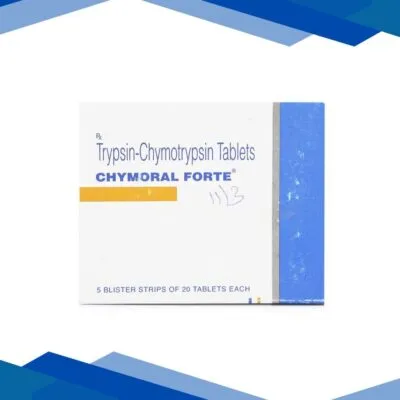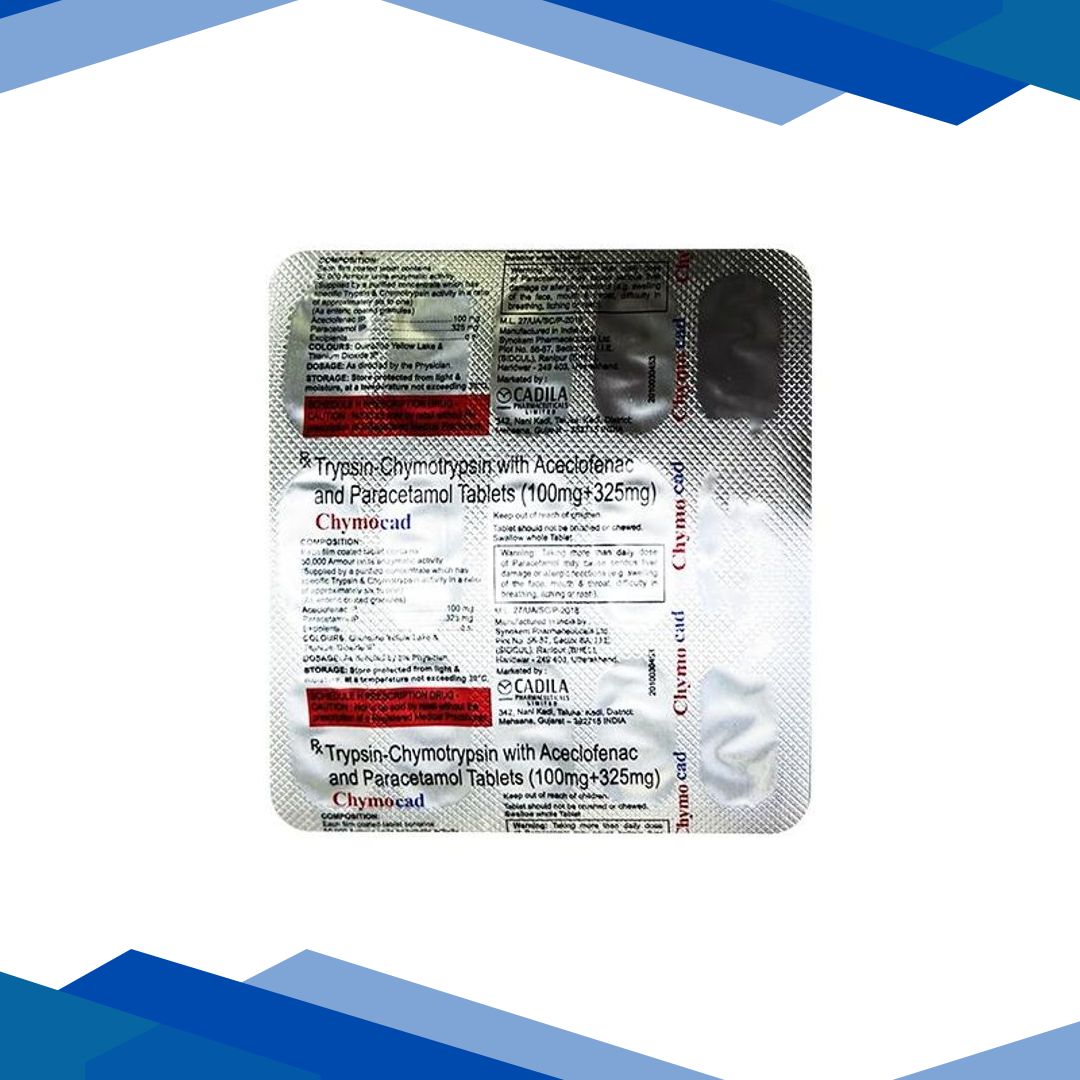
CHYMOCAD Tablet 15’s
CHYMOCAD Tablet is a combination medicine used to help relieve pain, swelling, and inflammation. Aceclofenac reduces inflammation and pain by blocking chemicals in the body that cause these symptoms. Paracetamol helps lower pain and fever, making the combination more effective for discomfort relief. Trypsin chymotrypsin is an enzyme blend that may help reduce swelling and support recovery in injured or inflamed tissues. Together, this medicine is commonly used for conditions such as muscle pain, joint pain, back pain, dental pain, sprains, strains, and other painful inflammatory conditions. It may be prescribed when both pain relief and swelling control are needed. It should be used under medical advice, especially in people with stomach, kidney, liver, or bleeding problems.
Description
CHYMOCAD Tablet is a combination medicine commonly used for short-term relief of pain and inflammation, especially when swelling is part of the problem. it brings together two pain-relieving medicines and one enzyme-based anti-inflammatory support agent, which may help reduce discomfort, tenderness, and stiffness in conditions involving musculoskeletal pain, soft-tissue injury, or post-procedure inflammation. because this combination acts on both pain and inflammatory pathways, it is often considered when simple pain relief alone is not enough.
aceclofenac is a non-steroidal anti-inflammatory drug, or nsaid, that works by reducing the production of chemicals called prostaglandins, which are involved in pain, swelling, and fever. paracetamol is an analgesic and antipyretic medicine that helps reduce pain and fever through central action in the brain and spinal cord. trypsin and chymotrypsin are proteolytic enzymes that are thought to support reduction of swelling and tissue inflammation by helping break down inflammatory proteins and cellular debris in affected areas. together, these ingredients aim to provide broader symptom relief than a single medicine alone.
this medicine is generally used for painful inflammatory conditions where swelling or tissue irritation is present, such as sprains, strains, dental pain, joint pain, back pain, and recovery after minor injuries or certain surgeries, when recommended by a healthcare professional. it is not a cure for the underlying cause of pain, but rather a supportive treatment to make symptoms more manageable while the body heals or while additional treatment is being addressed. because it contains an nsaid, it must be used carefully in people with stomach, kidney, heart, liver, or bleeding-related problems.
the combination may be helpful in adults who need stronger, short-term symptomatic relief, but it should not be used casually or for prolonged periods without medical supervision. like all medicines, its benefit depends on the specific condition, the patient’s medical history, and the presence of other medicines or risk factors. if pain persists, worsens, or is accompanied by fever, major swelling, redness, trauma, or loss of function, a healthcare professional should evaluate the cause rather than relying only on pain control.
ingredients
- aceclofenac: aceclofenac is the anti-inflammatory component of the combination. it helps reduce pain, swelling, and stiffness by blocking cyclooxygenase enzymes involved in prostaglandin production. this action can be particularly useful in inflammatory pain such as joint pain, muscle injury, and post-traumatic swelling. because it belongs to the nsaid class, it may irritate the stomach lining and should be used with caution in people at risk of ulcer, bleeding, or kidney problems.
- paracetamol: paracetamol provides analgesic and fever-reducing effects. it is often well tolerated when used appropriately and is useful for mild to moderate pain. in this combination, it complements aceclofenac by improving pain relief through a different mechanism, which can improve overall symptom control. however, excessive total daily intake can harm the liver, especially when combined with alcohol or other paracetamol-containing products.
- trypsin: trypsin is a proteolytic enzyme that may help reduce inflammation and swelling by supporting the breakdown of damaged proteins and inflammatory material at the affected site. it is used in some formulations to assist recovery from soft-tissue injury and edema. its exact clinical benefit can vary, but it is included to support the anti-inflammatory effect of the combination.
- chymotrypsin: chymotrypsin is another proteolytic enzyme that works alongside trypsin. it is believed to help in reducing localized swelling and promoting resolution of inflammatory fluid and tissue debris. in combination with trypsin, it may support faster improvement in tenderness and edema in certain injury-related conditions.
key uses
- muscle and joint pain: this medicine may be used for painful inflammatory conditions affecting muscles, ligaments, or joints, where pain is accompanied by stiffness or swelling. it may help improve comfort during movement and daily activities.
- sprains and strains: in injuries involving twisted joints or overstretched muscles, it may help reduce pain, tenderness, and inflammation. it is often used as supportive therapy along with rest, ice, compression, and elevation when appropriate.
- back pain and soft tissue pain: it may be prescribed for acute back pain or soft-tissue pain when inflammation contributes to discomfort. relief of swelling and pain can help improve mobility and function during recovery.
- dental pain and post-dental inflammation: it may be used for pain and swelling after dental procedures or in inflammatory dental conditions, if advised by a dentist or doctor. it can help reduce soreness and local inflammation.
- post-operative or post-injury swelling: the enzyme component is often included when swelling control is desired after minor procedures or injuries. this may help reduce local tissue discomfort and support healing, but it does not replace proper medical or surgical care.
- pain with fever: because paracetamol can reduce fever, the combination may also help when pain is accompanied by a mild temperature rise. however, fever should be evaluated if it is high, persistent, or associated with other concerning symptoms.
how to use
CHYMOCAD Tablet should be used exactly as directed by a doctor, dentist, or pharmacist. it is commonly taken by mouth, usually after food or with meals to help reduce stomach irritation from the anti-inflammatory component. swallow the medicine with water unless your specific product instructions say otherwise. do not crush, chew, or alter the tablet unless advised, because doing so may affect how it is tolerated or absorbed.
the timing and duration depend on the condition being treated and the patient’s age, medical history, and other medicines. this combination is generally intended for short-term use, especially when pain and inflammation are expected to improve over a few days. it should not be taken more often than recommended, and it should not be combined with other paracetamol-containing products or other nsaids without professional advice. if symptoms are not improving, medical review is important rather than increasing the dose on your own.
if you have a sensitive stomach, a history of ulcers, kidney disease, liver disease, asthma triggered by painkillers, or any bleeding disorder, speak to a healthcare professional before use. this medicine should also be used carefully if you are older, weak, dehydrated, or taking multiple medicines, because the risk of adverse effects can be higher. always follow label instructions and seek advice if you are uncertain about the correct way to use it.
safety information
- warnings: this medicine contains an nsaid, so it can increase the risk of stomach upset, ulceration, and bleeding, especially with prolonged use or in people with a prior history of gastric problems. it can also affect kidney function, particularly in dehydrated individuals, older adults, and those with existing kidney disease. rarely, it may trigger severe allergic reactions, breathing difficulty, rash, or swelling. stop the medicine and seek urgent help if you notice black stools, vomiting blood, chest pain, severe abdominal pain, severe rash, or difficulty breathing.
- side effects: common side effects may include nausea, indigestion, stomach discomfort, bloating, loose stools, dizziness, headache, or mild sleepiness. some people may experience constipation or mild appetite changes. serious side effects can include stomach ulcer or bleeding, liver injury, kidney problems, severe allergic reaction, fluid retention, worsening blood pressure, or skin reactions. any unusual bruising, yellowing of the skin or eyes, dark urine, or reduced urine output should be taken seriously.
- precautions: people with active or past stomach ulcer, gastrointestinal bleeding, severe liver disease, severe kidney disease, heart failure, uncontrolled high blood pressure, bleeding disorders, or nsaid allergy should avoid this medicine unless a doctor specifically approves it. extra caution is needed in older adults, people who are dehydrated, those taking blood thinners, and patients with asthma that worsens with painkillers. do not take it for longer than recommended without medical supervision.
- pregnancy/breastfeeding: use during pregnancy should be avoided unless specifically prescribed by a healthcare professional, especially later in pregnancy, because nsaids can affect the baby’s circulation and amniotic fluid and may increase complications. during breastfeeding, caution is advised because safety depends on the exact situation and the mother’s overall treatment plan. always confirm with a doctor before use if pregnant, planning pregnancy, or nursing.
- interactions: this medicine may interact with other nsaids, aspirin, blood thinners such as warfarin or similar agents, antiplatelet medicines, alcohol, corticosteroids, certain antidepressants, some blood pressure medicines, diuretics, and medications that affect the liver or kidneys. paracetamol-containing products should not be duplicated, as accidental overdose can occur. alcohol can increase the risk of liver toxicity and stomach irritation, so it is best avoided while using this medicine.
additional information
- storage: store in a cool, dry place away from direct sunlight, heat, and moisture. keep the medicine in its original packaging and out of reach of children and pets. do not store it in the bathroom unless the label specifically allows it, because humidity can damage the product.
- missed dose: if a dose is missed, take it when you remember unless it is almost time for the next scheduled dose. if it is close to the next dose, skip the missed one and return to the regular schedule. do not take extra medicine to make up for a missed dose.
- overdose: an overdose may cause severe nausea, vomiting, stomach pain, dizziness, drowsiness, confusion, or signs of liver damage, especially from too much paracetamol. in serious cases, liver failure, kidney injury, or gastrointestinal bleeding can occur. if an overdose is suspected, seek emergency medical help immediately, even if symptoms are mild at first, because treatment is time-sensitive.
- habit forming: no, this medicine is not considered habit-forming or addictive. however, it should still be used only as directed because unnecessary or prolonged use can increase the risk of adverse effects without providing additional benefit.
frequently asked questions
Q: what is CHYMOCAD Tablet used for?
A: it is used for short-term relief of pain and inflammation, especially when swelling is present. it may be recommended for conditions such as sprains, strains, back pain, joint pain, dental pain, and recovery after minor injury or procedure, depending on a doctor’s advice.
Q: how does CHYMOCAD Tablet work?
A: aceclofenac reduces inflammatory chemicals in the body, paracetamol helps relieve pain and fever, and trypsin with chymotrypsin may help reduce swelling by supporting the breakdown of inflammatory material. together, they provide broader symptom relief than a single medicine alone.
Q: can i take it on an empty stomach?
A: it is usually better to take this medicine after food or with meals, because aceclofenac can irritate the stomach. taking it with food may reduce nausea, indigestion, and stomach discomfort.
Q: can i use it with other painkillers?
A: you should not combine it with other nsaids or other paracetamol-containing products unless a healthcare professional tells you to do so. combining similar medicines can increase the risk of stomach bleeding, liver injury, or overdose.
Q: is it safe for people with acidity or ulcer history?
A: people with acidity, gastritis, or a history of ulcer should be cautious because the nsaid component may worsen stomach irritation and increase bleeding risk. a doctor may choose a safer option or add protective treatment if needed.
Q: does it cause sleepiness?
A: it may cause dizziness or mild drowsiness in some people, though not everyone experiences this. if you feel sleepy or dizzy, avoid driving or operating machinery until you know how the medicine affects you.
Q: can this medicine be used for fever alone?
A: it can reduce fever because it contains paracetamol, but it is usually chosen when pain and inflammation are also present. if fever is the only issue, a healthcare professional may recommend a simpler option depending on the cause.
Q: how long should i take CHYMOCAD Tablet?
A: this combination is generally intended for short-term use. the duration depends on the condition and your doctor’s instructions. if symptoms continue for more than a few days or worsen, you should seek medical advice.
Q: can it affect the liver?
A: yes, especially because it contains paracetamol. taking too much, using it with alcohol, or combining it with other paracetamol products can increase the risk of liver damage. people with liver disease should use it only under medical supervision.
Q: can it affect the kidneys?
A: yes, aceclofenac can reduce blood flow to the kidneys in susceptible people, which may worsen kidney function. the risk is higher in people with kidney disease, dehydration, older age, or those taking certain other medicines.
Q: is it safe during pregnancy?
A: it should generally be avoided during pregnancy unless a doctor specifically advises it. nsaid-containing medicines can be risky, especially later in pregnancy, so medical guidance is important before using it.
Q: can breastfeeding mothers use it?
A: breastfeeding use should be discussed with a healthcare professional. safety depends on the dose, duration, and the mother’s medical condition, so a doctor or pharmacist should review it before use.
Q: what should i do if i get stomach pain after taking it?
A: mild stomach upset can happen, especially if taken without food. if stomach pain is severe, persistent, or associated with vomiting, black stools, or blood, stop the medicine and seek medical help immediately.
Q: what are the danger signs of allergy?
A: danger signs include rash, itching, swelling of the face or lips, wheezing, breathing difficulty, or sudden dizziness. these symptoms can indicate a serious allergic reaction and need urgent medical attention.
Q: can i drink alcohol while taking this medicine?
A: it is best to avoid alcohol because it can increase the risk of liver damage from paracetamol and also worsen stomach irritation and bleeding risk from the nsaid component.
Q: does CHYMOCAD Tablet cure the injury?
A: no, it does not cure the underlying injury or disease. it helps relieve pain and inflammation so recovery and daily function may be more manageable while the body heals or while other treatment is being used.
Q: should older adults use it carefully?
A: yes, older adults may be more sensitive to stomach bleeding, kidney effects, dizziness, and fluid retention. a doctor may recommend closer monitoring or a different medicine depending on the patient’s health conditions.
Q: what if i am already taking blood thinners?
A: you should inform your doctor before using this medicine because nsaids can increase bleeding risk when combined with blood thinners. medical advice is important to avoid dangerous interactions.
Q: can it be used for long-term arthritis pain?
A: it may be prescribed in some arthritis-related pain situations, but long-term use requires careful monitoring because of stomach, kidney, liver, and cardiovascular risks. a doctor should decide whether it is appropriate for ongoing treatment.
[/faqs_dbm]
this information is for educational purposes only and should not be considered medical advice. always consult a qualified healthcare professional before use.
At Gem Pharmacy, we make every effort to provide accurate, expert-written, and thoroughly reviewed information related to medicines. However, this information should not be considered a substitute for professional medical advice, diagnosis, or treatment from a qualified doctor.
The purpose of this information is to educate users and improve communication between patients and healthcare professionals. It should not be used to diagnose or treat any condition.
Always consult a certified healthcare professional before taking any medication.


Related products
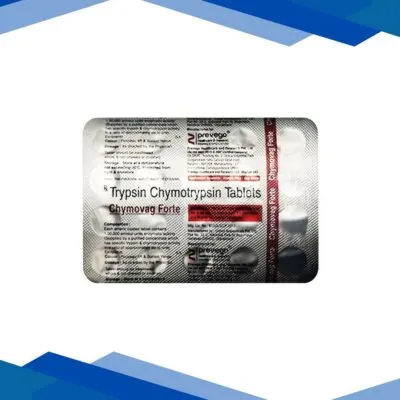
CHYMOVAG FORTE Tablet 20’s