
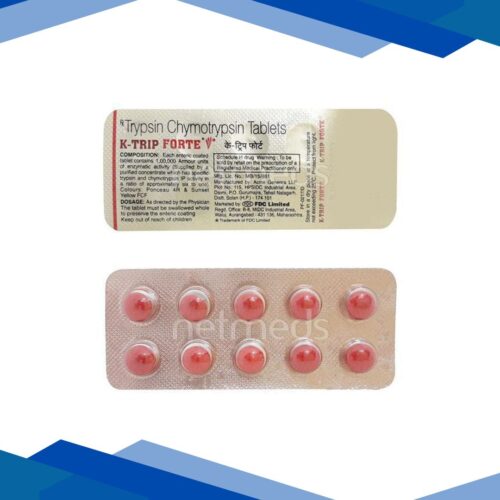

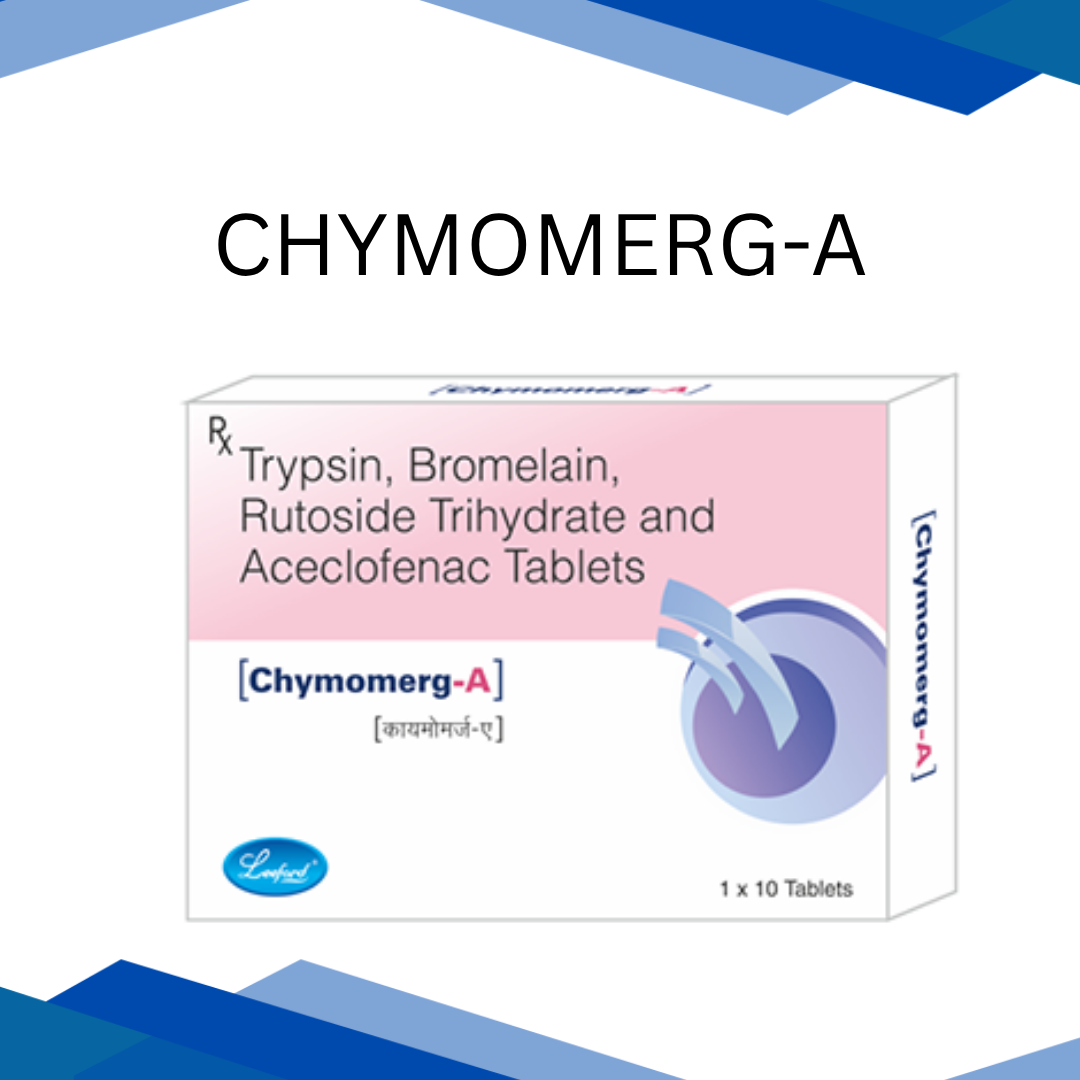
Chymomerg-A
❌ Due to high demand, this product is currently out of stock. New stock will be available shortly.
👉 Click here to Buy Same Salt medicine
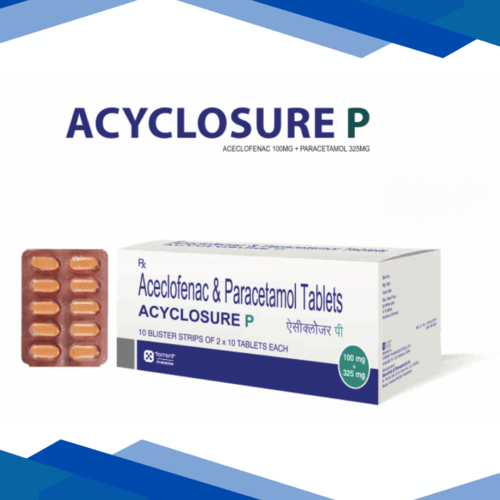
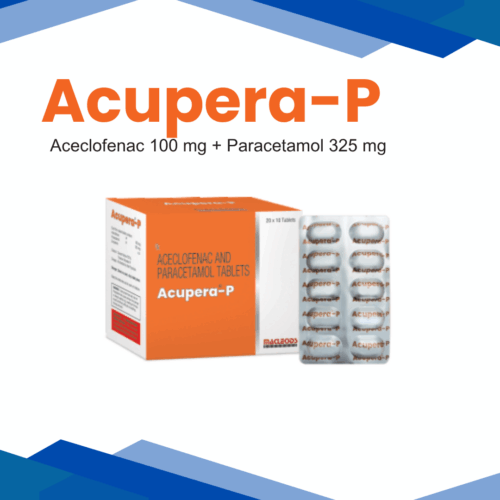
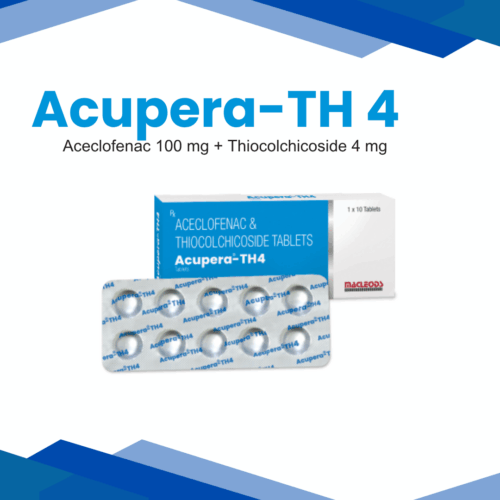
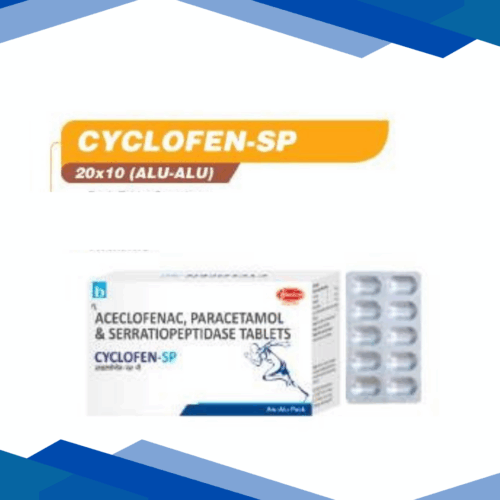
Aceclofenac
Aceclofenac
Overview:
Aceclofenac is a nonsteroidal anti-inflammatory drug (NSAID) analog of diclofenac
Classification: Anti-inflammatory drug (NSAID)
Uses:
Aceclofenac is primarily used for pain management in chronic conditions like rheumatoid arthritis, osteoarthritis, or ankylosing spondylitis.
Rheumatoid arthritis: It relieves swelling and stiffness of joints and overall pain due to the condition.
Osteoarthritis: It helps alleviate painful, tender joints and manages pain.
Ankylosing spondylitis: It helps manage the stiffness and pain in this kind of spondylitis.
How it works:
It works by blocking the release of certain chemical messengers that cause pain and inflammation (redness and swelling).
Dosage: As directed by the physician
Precautions:
Tell your doctor if you have an allergic tendency to the medicine. Even if you are allergic to other medicines, you should discuss them with your doctor.
Alcohol consumption must be avoided as it can cause stomach bleeding.
Pregnant women are not supposed to take Aceclofenac + Paracetamol, more so in the advanced stages of pregnancy. The foetus may develop heart defects, or there may be a delay in birth
Those with ongoing symptoms or a history of stomach ulcers or bleeding anywhere in the digestive tract must not take this medicine.
Patients who suffer from heart disease, have a liver or kidney problem, or have high blood pressure must take caution.
If you have any pre-existing health conditions, like Asthma, Hypersensitivity, Peptic Ulcers, Stroke, Heart, Liver, or Kidney-related conditions, etc., speak with your doctor.
Breastfeeding women must take care and consume the medicine only after seeking a doctor’s advice.
Side Effects:
Mouth ulcer
Fatigue
Constipation
Allergic skin reactions
Abdominal pain
Bloody and cloudy urine
Dizziness
Drowsiness
Constipation
Fainting
Malaise
Disclaimer:
This content is for informational purposes only. Always consult a healthcare provider for medical advice and proper dosage.
Bromelain
Bromelain (Pineapple Enzyme Extract)
Bromelain is a natural proteolytic enzyme complex derived mainly from the wooden stem and the fruit of the pineapple plant (Ananas comosus). Bromelain has found wide application in clinical practice for managing postoperative swelling, sports injuries, and inflammatory joint conditions, supported by evidence of its high bioavailability. As a dietary supplement with food, it provides a powerful aid in breaking down complex proteins into smaller peptides, thereby facilitating their absorption through the gut.
Supplement Uses & Benefits
Potent Anti-Inflammatory Agent: It strongly reduces the swelling (edema) and bruising pertinent to surgical procedures or other physical traumas.
Joint & Muscle Comfort: The modulates inflammatory messengers that are associated with pain from osteoarthritis and acute muscle soreness.
Digestive Support: Acts on proteins within diet making digestion less stressful and reduces the eventual bloating, gas, and indigestion.
Respiratory Health Benefits: Acts as a mucolytic agent-providing relief to cases of sinusitis and hay fever.
Enhanced Antibiotic Absorption: It is known to help in the absorption of certain antibiotics, and hence helped improve their effectiveness in infections.
Endnote
Having All-Natural Origins: The enzyme is all-natural. It is plant-based making it unsuitable for vegetarians.
High Strength: Preparations are always set to have some enzyme strength set by GDU (Gelatin Digesting Unit) or, alternatively, by MCU (Milk Clotting Unit). The product is expected to have enzymes, which will be consistent for several activities.
Systemic Effect: Systemic anti-inflammatory response is carried in this product as it gets into the bloodstream when the stomach is empty.
Administration Guidelines
For digestive purposes immediately take one capsule or one tablet preferably soon after meals.
For inflammatory purposes take with water-1–2 capsules in absence of food (one hour before food consumption or two hours after food consumption is the best recommended time).
Administration: Swallow the tablet whole with water-to avoid the release of the active ingredients too quickly, as it may be the case with a tablet of the immediate release type, while negatively affecting the absorption of enzymes.
Potential Side Effects
Most common generally well-tolerated side effects may include:
Mild nausea or stomach upset may result.
Diarrhea is another adverse event.
Increased heart rate
Allergic reactions-a higher incidence is reported in those who are sensitive to pineapple or latex or who have sensitivities to pollen.
Safety, advice, and precautions
Surgery Warning: Discontinue at least two weeks before surgery.
Dosage: Because it can delay blood clotting, obviously this is critical. .
Bleeding Disorders: Do let your doctor know if you had any bleeding disorder before, or are anticoagulant therapy, like using Warfarin.
Allergy: Shorts and Uses: It must be avoided if it is known that some similar allergy to pineapple or wheat, to celery, to papain, and to the grass pollen.
Kidney/Liver Health: Liver- and kidney-related dysfunction, respectively, are the disorders that require the patients to take this supplement under medical supervision.
Frequently Asked Questions (FAQs)
Q: Would I get enough Bromelain merely from eating fresh pineapple into my diet?
The stem of the pineapple fruit—I wonder why it is not used—is where the Bromelain enzyme occurs in the largest quantities. A standardized supplement of the enzyme is generally needed to be able to reach therapeutic levels for the appropriate use of reducing surgical swelling.
Q: Is there any interaction between Bromelain and antibiotics?
Yes. Such consumption may interfere negatively with the blood concentrations of particular antibiotics, as in the absorption of antibiotics like Amoxicillin and Tetracycline. Enhancement is advantageous, but must be controlled by a doctor for proper dosing.
Q: Can pregnant women take Bromelain? Lactating women?
There are very few clinical studies available regarding the safety of high-dose Bromelain in pregnant individuals; it is recommended that a woman would always first seek to consult her OB/GYN before starting the supplement.
Q: How soon will these joints abide after taking it?
Regarding acute inflammation, improvement may be expected in 24-48 hours. It is not clear yet how long it will need to take the medicine in chronic disease like osteoarthritis for a good result in reduction of stiffness.
A: Some proven approaches need to be partnered for gaining and losing weight. It is not controversial, not even the tradition, perhaps only evolutionary!
Trypsin
Trypsin: An Extensive Perspective on Its Applications and Ill-Effects
Trypsin is considered as a proteinase regarded potent that is naturally originated in the pancreas. When trypsin is being enhanced using the funguses or bacterium, it becomes a therapeutic tool or drug that provides assistance in wound-healing and the management of inflammatory conditions. Trypsin has been a mainstay in clinical applications in the management of wound healing for its potent inflammatory and fibrinolytic effects.
How Trypsin Works
In fact, trypsin breaks down large protein molecules into smaller peptides and amino acids. In an injured and inflamed tissue, this helps to:
- Debride the Wounds: Trypsin helps to dissolve dead (necrotic) tissue, leaving healthy tissue undestroyed, hence promoting faster healing of the skin.
- Reduce Edema: In the process of degradation of fibrin tissue in the form of clots and dissolution of any fibrinous exudates, this causes troubled tissues to thin out and thus reduces swelling and typically enhances blood circulation into the area.
- Potentiate Antibiotic Efficacy: By relieving inflammation and removing debris, it enables other drugs, such as antibiotics, to target the infection more directly.
Primary Benefits & Applications
- Post-Op Syndrome: Regularly employed for relieving post-operative swelling and bruising from minor or major surgical operations.
- Traumatic Injuries: An effective antidote for hematomas (bruising) of the skin secondary to compressive trauma, sprains, and fractures.
- Chronic Ulcer Healing: Effective in the treatment of pressure sores, diabetic foot ulcers, and burn wounds.
- Lung Function: Its therapies may sometimes be added on combinations with some agents through direct and systemic assistance in reducing mucus flow in situations that involve airway inflammation.
Recommended Dosage & Administration
Note: Always adhere to the specific recommendations given by your healthcare practitioner or those mentioned on product packaging.
- Oral Form: Enteric-coated tablets are commonly consumed so that the enzyme can get through the stomach acid and reach the small intestine. The general instruction reads that it must be taken on an empty stomach, at least 30–60 minutes prior to meal consumption.
- Topical Form: Alternatively, in accordance with a physician's recommendation, it can be directly sprayed or applied as an ointment or solution to the incisions.
Potential Side Effects
Though generally well-tolerated, some people may have:
- Gastrointestinal symptoms (bloating, diarrhea, or nausea).
- Skin irritation or redness (with topical use).
- Seldom: An allergic response (itching, rash, or shortness of breath).
Frequently Asked Questions (FAQs)
Q: Is it Safe to Take Trypsin While Pregnant?
A: Regarding trypsin, there is limited human clinical data to support it being used during pregnancy and lactation. This medication should only be taken under the supervision of a qualified healthcare provider if you are pregnant or planning to conceive.
Q: Should I take Trypsin with other painkillers?
A: Trypsin is prescribed for combining with analgesics like Aceclofenac or Diclofenac to relieve pain and inflammation, but consultation with a health professional is recommended. Remember to inform your healthcare professional of everything that was taken, and do not mix Trypsin with other substances.
Q: How long does it take for Trypsin results to be seen?
A: It is often observed by a patient undergoing treatment with significant depletion of acute inflammation, for approximately 3–5 days. The timeline also largely relies on the severity of tissue's condition.
Q: Would it work toward affecting the blood-clotting system any way?
A: Trypsin has fibrinolytic activity, which means it assists in the destruction of abnormal clots of inflammation. Therefore, with pre-existing bleeding disorders or in taking anticoagulants, the physician's advice should be taken before deciding to use Trypsin.
At Gem Pharmacy, we make every effort to provide accurate, expert-written, and thoroughly reviewed information related to medicines. However, this information should not be considered a substitute for professional medical advice, diagnosis, or treatment from a qualified doctor.
The purpose of this information is to educate users and improve communication between patients and healthcare professionals. It should not be used to diagnose or treat any condition.
Always consult a certified healthcare professional before taking any medication.


Related products