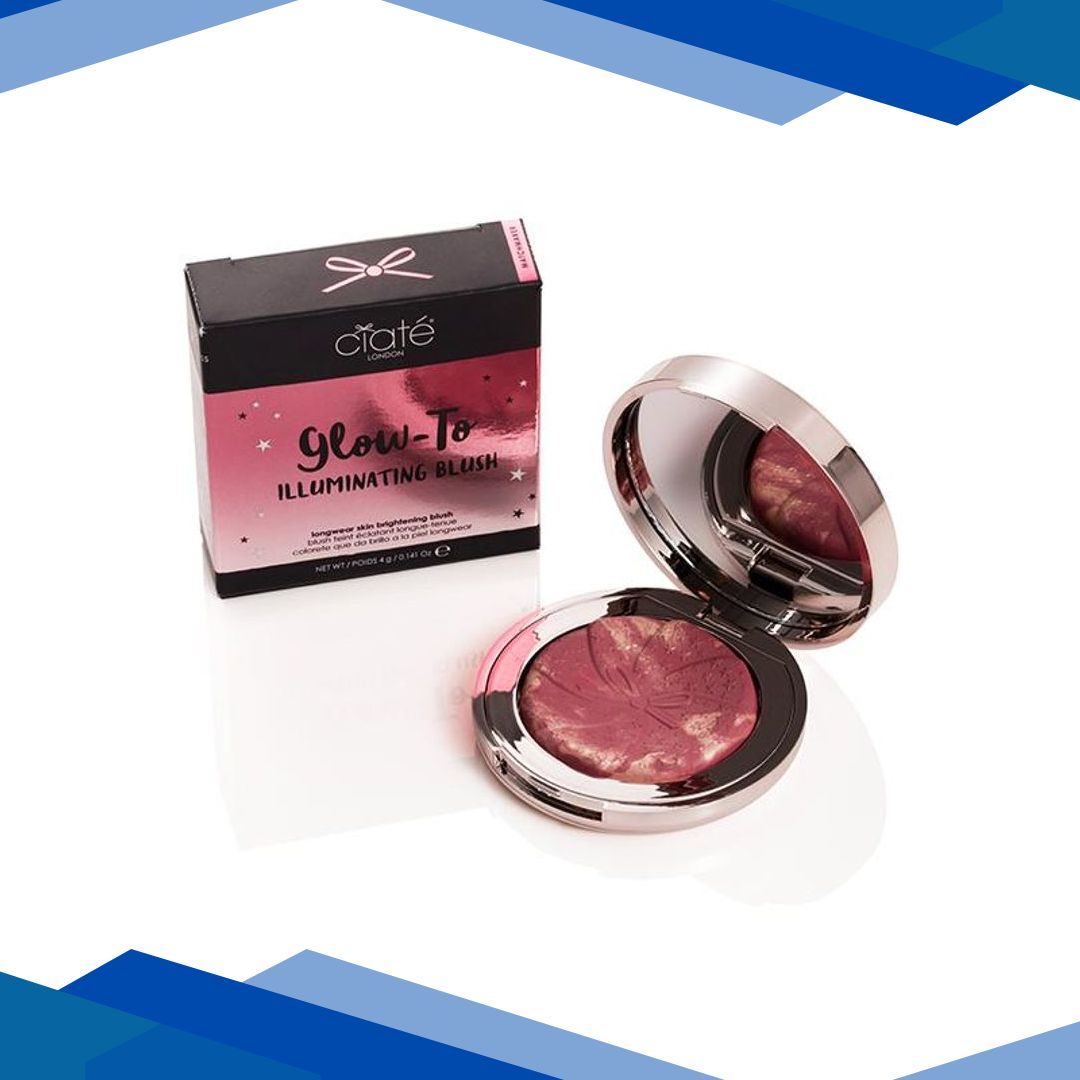
Ciate London Glow- To Illuminating Blush Matchmaker 4 gm
❌ Due to high demand, this product is currently out of stock. New stock will be available shortly.
👉 Click here to Buy Same Salt medicine
Ciate London Glow- To Illuminating Blush Matchmaker 4 is an insulin medicine used to help control blood sugar levels in people with diabetes. It contains a combination of two forms of insulin that work together to provide both short-acting and longer-acting blood sugar control. After injection, one part starts lowering glucose relatively quickly, while the other is absorbed more slowly to help maintain steadier levels throughout the day. This medicine helps the body use sugar properly and reduces the risk of high blood sugar complications when used as prescribed. It is mainly used in diabetes management, especially when a balanced insulin effect is needed. Because insulin needs can vary from person to person, it should be used under medical supervision.
Description
Ciate London Glow- To Illuminating Blush Matchmaker 4 is an insulin preparation used to help people with diabetes control blood sugar levels when the body cannot make enough insulin on its own or cannot use it effectively. it contains a combination of two insulin types made from pork-derived insulin: one that begins working relatively quickly and another that works more gradually and lasts longer. this combination is designed to provide both an early rise in insulin activity after injection and a more sustained effect over several hours, helping to reduce high blood glucose throughout the day.
this medicine is mainly used in people with diabetes mellitus who need insulin therapy to maintain better glucose control. by replacing or supplementing the body’s natural insulin, it helps glucose move from the bloodstream into cells where it can be used for energy. proper use can lower the risk of serious diabetes-related complications such as dehydration, weight loss, fatigue, blurred vision, kidney damage, nerve damage, and long-term cardiovascular problems. because insulin needs vary widely from person to person, the exact treatment plan should always be individualized by a healthcare professional.
Ciate London Glow- To Illuminating Blush Matchmaker 4 works by mimicking the natural action of insulin in the body. the faster-acting component helps control the rise in blood sugar after meals, while the intermediate-acting component helps maintain basal insulin coverage between meals and overnight. this makes it useful for patients who require a balanced insulin effect rather than a single short burst of action. however, as with all insulin products, the benefit depends on correct timing, proper injection technique, consistent monitoring, and attention to diet, activity, and other medicines.
this medicine is generally prescribed for individuals with diabetes who need insulin to achieve target glucose levels and who may benefit from a mixed insulin product. it may be used in those who have difficulty controlling glucose with lifestyle measures or oral medicines alone, or in situations where insulin therapy is required because the pancreas is not producing sufficient insulin. a healthcare professional will decide whether this medicine is appropriate based on blood sugar patterns, daily routine, meal timing, and overall treatment goals.
ingredients
- insulin isophane: this is the intermediate-acting component of the medicine. it helps provide a slower, longer-lasting insulin effect that supports blood sugar control between meals and during the night. its role is important for maintaining a steadier baseline insulin level.
- insulin (pork): this refers to the pork-derived insulin component that acts more quickly than the isophane portion. it helps lower blood glucose after injection and is especially useful for controlling the rise in sugar that occurs around meals. the combination with isophane provides both early and extended activity.
- inactive ingredients/excipients: depending on the product formulation, additional ingredients may be present to stabilize the insulin and maintain the correct ph and suspension properties. these do not treat diabetes directly but help ensure the medicine remains effective and safe to use.
key uses
- diabetes mellitus blood sugar control: used to reduce elevated blood glucose in people who need insulin therapy. it helps maintain glucose levels closer to the target range and supports long-term diabetes management.
- basal and mealtime insulin coverage: the combination provides an early insulin effect and a longer-lasting background effect, making it useful for patients who need coverage across different parts of the day.
- when oral medicines are not enough: it may be prescribed when lifestyle changes and non-insulin medicines do not adequately control blood sugar or when insulin is medically necessary.
- support in insulin-deficient states: in people whose bodies produce little or no insulin, this medicine can replace the missing hormone and help prevent dangerous hyperglycemia and related metabolic complications.
- individualized diabetes treatment plans: it may be chosen for patients whose glucose patterns match the action profile of this mixed insulin, particularly when a simpler regimen is preferred or clinically appropriate.
how to use
Ciate London Glow- To Illuminating Blush Matchmaker 4 should be used exactly as directed by a healthcare professional. it is usually given by subcutaneous injection, meaning it is injected under the skin, rather than taken by mouth. the medicine is commonly timed in relation to meals because part of its action begins relatively soon after injection. the injection schedule, timing, and site should be chosen based on the patient’s blood sugar readings, meal pattern, and medical advice.
before each use, the insulin suspension should be checked carefully. because this product contains an intermediate-acting component, it often needs gentle mixing as advised by the product instructions to ensure the contents are evenly distributed. the solution should be visually inspected for any unusual particles, discoloration, or damage to the container. never use the medicine if it appears abnormal unless a healthcare professional confirms it is suitable.
injection sites may include areas of the abdomen, thigh, upper arm, or buttocks, depending on the patient’s instructions. rotating injection sites is important to reduce skin problems such as lipodystrophy, which can affect insulin absorption. the same general area can be used, but the exact injection point should vary to avoid repeated trauma to one spot. a healthcare professional or diabetes educator should demonstrate the correct technique, including how to use the syringe, pen, or other delivery device, if applicable.
blood glucose monitoring is an essential part of safe use. because insulin can lower blood sugar too much, patients should monitor for signs of hypoglycemia and know how to respond promptly. meal timing is especially important with this insulin combination, as skipping meals, eating less than usual, or engaging in more physical activity than expected can increase the risk of low blood sugar. any change in diet, exercise, illness, stress, alcohol intake, or other medicines may require medical review.
safety information
- warnings: this medicine can cause hypoglycemia, which may become severe or life-threatening. symptoms may include sweating, shakiness, hunger, dizziness, headache, confusion, palpitations, blurred vision, irritability, or fainting. blood sugar should be monitored regularly, especially when starting treatment, changing doses, skipping meals, or increasing physical activity. hyperglycemia may also occur if too little insulin is used, if injections are missed, or if the medicine is not stored properly. signs can include increased thirst, frequent urination, dry mouth, fatigue, and nausea. injection site reactions and allergic reactions may occur. any severe allergic reaction, such as rash, swelling, difficulty breathing, or rapid heartbeat, requires immediate medical attention.
- side effects: common side effects may include low blood sugar, mild injection site pain, redness, swelling, or itching, weight gain, and occasional mild skin changes where injections are repeatedly given. less common but more serious effects can include severe hypoglycemia, allergic reactions, edema, and changes in blood glucose control that require dose adjustment. persistent lumps or thickening of the skin at injection sites may affect insulin absorption and should be reported.
- precautions: use with caution in people with kidney disease, liver disease, adrenal or pituitary problems, irregular meal patterns, frequent alcohol use, or a history of severe hypoglycemia. extra care is needed in older adults, in patients with impaired awareness of low blood sugar, and in those who perform tasks requiring alertness such as driving or operating machinery. people with a known allergy to insulin or to animal-derived products should discuss alternatives with a healthcare professional. insulin needs may change during illness, fever, infection, surgery, or major emotional stress.
- pregnancy/breastfeeding: insulin is commonly used during pregnancy when diabetes treatment is needed, but careful medical supervision is essential because insulin requirements may change throughout pregnancy and after delivery. good blood sugar control is especially important for maternal and fetal health. during breastfeeding, insulin is generally considered compatible, but doses may need adjustment to prevent hypoglycemia, particularly if meal patterns change or caloric intake is reduced.
- interactions: many medicines can increase or decrease the effect of insulin. drugs that may increase the risk of low blood sugar include other antidiabetic medicines, some antibiotics, ace inhibitors, certain antidepressants, and alcohol. medicines that may raise blood sugar or reduce insulin effectiveness include corticosteroids, some diuretics, thyroid hormones, sympathomimetics, and some antipsychotics. beta-blockers may mask warning signs of hypoglycemia such as rapid heartbeat and tremor, making low blood sugar harder to detect. alcohol can unpredictably increase the risk of hypoglycemia, especially if consumed without food. always inform a healthcare professional about all prescription medicines, over-the-counter products, and herbal supplements.
additional information
- storage: store according to the product label and pharmacist instructions. insulin is generally kept refrigerated before first use, but it should not be frozen. do not expose it to extreme heat or direct sunlight. once in use, some formulations may be kept at room temperature for a limited period, but exact storage rules vary by product. always check the expiration date and discard any medicine that has been frozen, overheated, or otherwise damaged.
- missed dose: if a dose is missed, follow the plan given by the healthcare professional. do not double the next dose unless specifically instructed. because insulin timing affects blood sugar, missed doses should be addressed carefully, and blood glucose should be monitored more closely. if there is uncertainty about what to do, contact a healthcare professional promptly.
- overdose: too much insulin can cause dangerously low blood sugar. symptoms may include severe weakness, confusion, sweating, fast heartbeat, blurred vision, seizures, loss of consciousness, or even coma. if overdose is suspected, give a fast-acting source of glucose if the person is awake and able to swallow, and seek emergency medical help immediately. severe cases may require professional treatment with intravenous glucose and monitoring.
- habit forming: no. Ciate London Glow- To Illuminating Blush Matchmaker 4 is not habit forming or addictive. however, it is a medically necessary treatment for many people with diabetes and should be used consistently as prescribed to maintain blood sugar control.
frequently asked questions
Q: what is Ciate London Glow- To Illuminating Blush Matchmaker 4 used for?
A: it is used to help control blood sugar in people with diabetes who need insulin therapy. the combination provides both quicker and longer-lasting insulin action, which helps maintain glucose control across the day.
Q: how does this medicine work?
A: it replaces or supplements the body's insulin. one component begins acting sooner after injection, while the other works more gradually for extended blood sugar control.
Q: should it be taken with food?
A: because part of the medicine works relatively quickly, meal timing is important. it is usually used in relation to meals as advised by a healthcare professional. skipping meals can increase the risk of low blood sugar.
Q: can this medicine cause low blood sugar?
A: yes. hypoglycemia is one of the most important risks of insulin therapy. patients should watch for symptoms such as sweating, shakiness, hunger, dizziness, and confusion, and know how to treat it promptly.
Q: can i change my dose on my own?
A: no. insulin doses should only be adjusted under medical guidance because too much can cause dangerous hypoglycemia and too little can lead to high blood sugar and complications.
Q: what should i do if the injection site becomes swollen or painful?
A: mild discomfort can occur, but persistent redness, swelling, lumps, or pain should be reported. rotating injection sites and using proper technique can help reduce these problems.
Q: is this medicine safe during pregnancy?
A: insulin is often used during pregnancy when diabetes treatment is needed, but close medical monitoring is essential because insulin requirements can change. discuss your situation with a healthcare professional.
Q: can i drink alcohol while using this insulin?
A: alcohol can increase the risk of hypoglycemia and may make blood sugar harder to predict. if alcohol is consumed, it should be discussed with a healthcare professional and never taken on an empty stomach.
Q: what if i miss a meal after taking the injection?
A: skipping a meal after taking insulin can increase the risk of low blood sugar. if this happens, monitor blood glucose closely and follow your diabetes care plan or contact a healthcare professional for advice.
Q: how should i store this medicine?
A: store it according to the label instructions, usually protected from heat and freezing. refrigeration is commonly recommended before first use, but exact storage depends on the product form and should be followed carefully.
Q: can this insulin be used with other diabetes medicines?
A: sometimes yes, but combinations must be managed carefully because some medicines can increase or decrease blood sugar. always tell your healthcare professional about all other medicines you use.
Q: will i need to monitor my blood sugar regularly?
A: yes. regular glucose monitoring is very important to help ensure the medicine is working properly and to detect low or high blood sugar early.
this information is for educational purposes only and should not be considered medical advice. always consult a qualified healthcare professional before use.
At Gem Pharmacy, we make every effort to provide accurate, expert-written, and thoroughly reviewed information related to medicines. However, this information should not be considered a substitute for professional medical advice, diagnosis, or treatment from a qualified doctor.
The purpose of this information is to educate users and improve communication between patients and healthcare professionals. It should not be used to diagnose or treat any condition.
Always consult a certified healthcare professional before taking any medication.


Related products

Lakme 9To5 Hya Matte Foundation + Hyaluronic Acid Neutral Honey 25 ml

Mua Pro Base Hyaluronic Acid Jelly Primer 30 gm

Lakme 9To5 Hya Matte Foundation + Hyaluronic Acid Warm Natural 25 ml