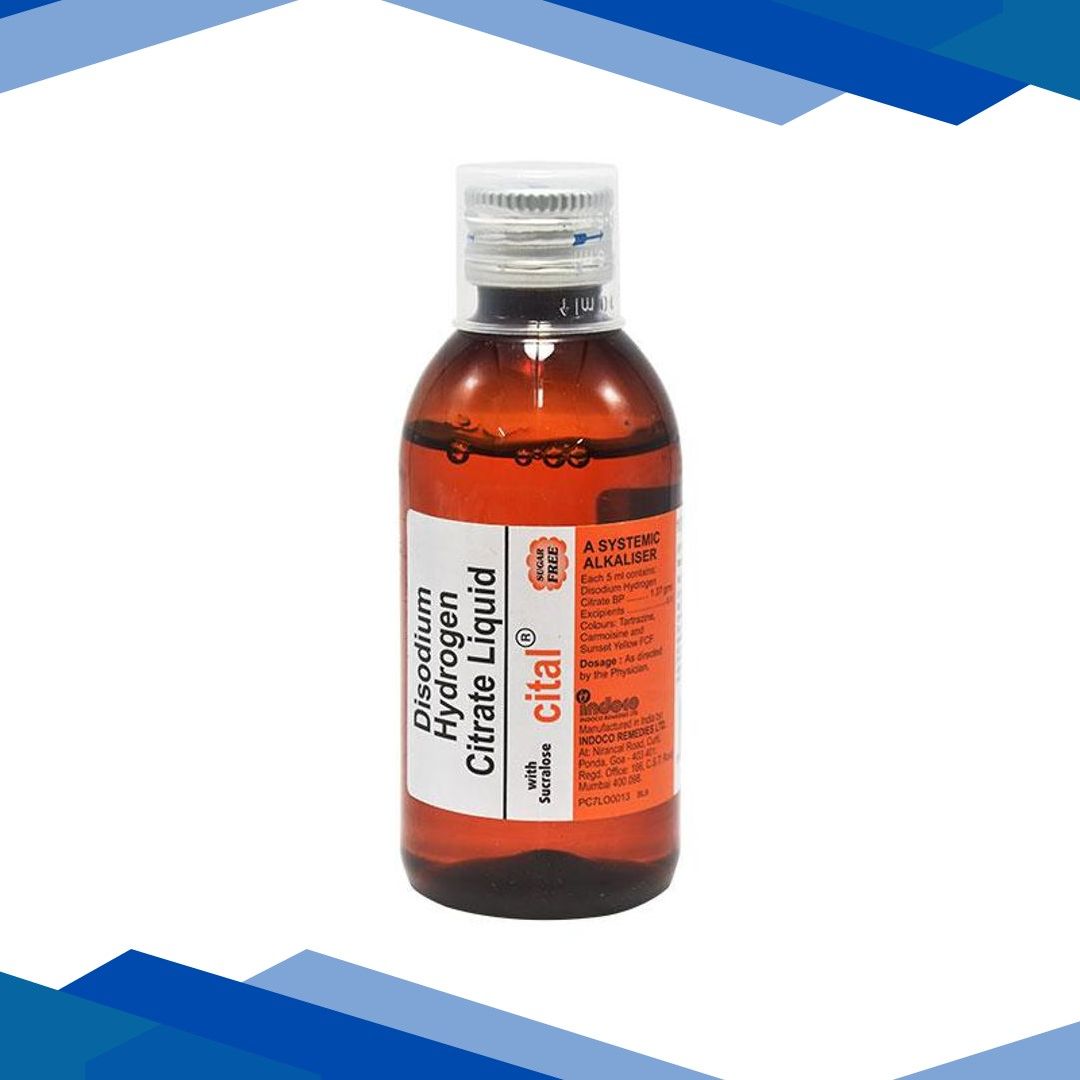
CITAL SUGAR FREE Liquid 100ml
CITAL SUGAR FREE Liquid is a combination antibiotic medicine used to treat certain bacterial infections. Ceftriaxone works by stopping bacteria from building their protective cell wall, which helps kill the infection-causing germs. Sulbactam helps protect the antibiotic from some bacteria that try to resist treatment, making the medicine more effective against susceptible infections. DISODIUM EDETATE supports the formulation and stability of the medicine. This combination is commonly used in hospital or supervised settings for infections such as respiratory tract infections, urinary tract infections, skin and soft tissue infections, abdominal infections, and some severe bacterial infections. It should only be used for infections caused by bacteria, not viruses such as the common cold or flu. A healthcare professional decides when this medicine is appropriate based on the type and severity of the infection.
Description
CITAL SUGAR FREE Liquid is a combination antibacterial medicine used to treat a wide range of bacterial infections. it contains ceftriaxone, a third-generation cephalosporin antibiotic that works by stopping bacteria from building their protective cell wall; sulbactam, a beta-lactamase inhibitor that helps protect the antibiotic from certain bacterial enzymes that would otherwise break it down; and disodium edetate, an ingredient that supports the stability and effectiveness of the formulation. together, these components help the medicine act against susceptible bacteria, especially in infections where resistance may be a concern.
this medicine is generally used in hospital or clinical settings, often by injection, when a healthcare professional needs a reliable broad-spectrum antibacterial option. it is not effective against viruses such as the common cold, influenza, or most sore throats caused by viruses. like all antibiotics, it should be used only when a bacterial infection is suspected or confirmed, because unnecessary use can contribute to antibiotic resistance and reduce future treatment options.
the combination is often selected for infections involving the lungs, urinary tract, abdomen, skin, soft tissues, bones, joints, blood, and certain post-surgical or complicated infections. in some cases, it may be used when the bacteria are likely to produce enzymes that reduce the effectiveness of standard antibiotics. a doctor chooses this medicine based on the type of infection, the severity of illness, local resistance patterns, and the patient’s overall health condition.
because it is an injectable antibiotic combination, administration, dose selection, and duration are determined by a qualified healthcare professional. patients should not self-inject or stop treatment early unless instructed, even if they begin to feel better. completing the prescribed course helps fully clear the infection and reduces the risk of relapse or resistance.
ingredients
- ceftriaxone: ceftriaxone is the main antibiotic component. it belongs to the cephalosporin class and kills bacteria by interfering with the formation of the bacterial cell wall, which is essential for survival. it is widely used because it covers many common bacteria associated with serious infections and has good tissue penetration in many parts of the body.
- sulbactam: sulbactam is a beta-lactamase inhibitor. some bacteria produce beta-lactamase enzymes that destroy certain antibiotics before they can work. sulbactam helps block these enzymes, improving the activity of the antibiotic against bacteria that might otherwise be resistant.
- disodium edetate: disodium edetate is included as a stabilizing and supportive excipient in the formulation. it helps maintain product quality and may assist the preparation in remaining effective during storage and use. it is not the primary antibacterial agent, but it contributes to the overall pharmaceutical performance of the medicine.
key uses
- respiratory tract infections: may be used for certain bacterial infections of the lungs or airways, such as pneumonia, when caused by susceptible organisms. it helps reduce bacterial growth and supports recovery from more serious chest infections.
- urinary tract infections: used in some complicated urinary infections, especially when symptoms are severe or there is concern about resistant bacteria. it may help control infection in the bladder, kidneys, or urinary system.
- intra-abdominal infections: can be prescribed for bacterial infections inside the abdomen, often as part of broader treatment. these infections may require prompt therapy because they can become serious quickly.
- skin and soft tissue infections: may help treat bacterial infections involving the skin, deeper tissues, or wounds when the infecting bacteria are susceptible. this can include infections with swelling, redness, warmth, pain, or pus.
- bloodstream infections: in certain situations, it may be used to manage bacteremia or sepsis caused by susceptible bacteria under close medical supervision. these are serious conditions that require urgent care.
- bone and joint infections: sometimes used in selected cases of osteomyelitis or septic arthritis when the likely bacteria respond to this antibiotic combination. such infections usually need specialist guidance and longer treatment.
- post-operative or hospital-acquired infections: may be chosen when infection develops after surgery or during hospitalization, particularly if resistant organisms are suspected and the organism profile supports its use.
how to use
CITAL SUGAR FREE Liquid is usually given by a healthcare professional as an injection, either into a vein or into a muscle, depending on the product formulation and the clinical situation. it is not intended for casual self-administration. the route, frequency, and duration of treatment depend on the infection being treated, the patient’s age and weight, kidney and liver function, and the severity of illness. in hospital settings, the medicine may be prepared and administered under sterile conditions to ensure safety and effectiveness.
because this is an antibiotic, it works best when used exactly as prescribed and for the full course recommended by the clinician. missing treatments or stopping early can allow bacteria to survive and return, sometimes in a more difficult-to-treat form. if the patient’s symptoms do not improve or if they worsen during therapy, medical reassessment is important, since the infection may need a different antibiotic or additional testing. it is also important to tell the healthcare provider about all other medicines being used, current illnesses, and any history of allergy to antibiotics before administration.
safety information
- warnings: this medicine can cause serious allergic reactions in some people, especially those with a history of allergy to cephalosporins, penicillins, or other beta-lactam antibiotics. emergency help is needed if swelling of the face, lips, tongue, trouble breathing, or severe rash develops. it should be used carefully in patients with a history of gastrointestinal disease, especially colitis, because antibiotics can sometimes trigger significant diarrhea or inflammation of the bowel.
- side effects: common side effects may include pain, redness, or swelling at the injection site, mild diarrhea, nausea, vomiting, headache, or temporary changes in blood tests. some people may notice an unpleasant taste or mild discomfort during treatment depending on the route of administration. serious side effects are less common but can include severe allergic reactions, severe diarrhea with blood or mucus, jaundice, abnormal liver tests, blood count changes, kidney problems, or signs of superinfection such as oral thrush or vaginal yeast infection.
- precautions: use with caution in people with liver disease, kidney disease, a history of antibiotic-associated colitis, bleeding disorders, or poor nutritional status. patients who are critically ill, elderly, or immunocompromised may require closer monitoring. the medicine should be used only when clearly indicated, and culture/sensitivity testing may be needed to confirm that the bacteria are likely to respond.
- pregnancy/breastfeeding: ceftriaxone is commonly considered when an antibiotic is needed in pregnancy, but use should always be decided by a clinician based on the benefits and risks. in breastfeeding, small amounts may pass into milk; it is usually considered compatible in many situations, but infants should be observed for diarrhea, thrush, or feeding changes. always confirm safety with the treating doctor before use.
- interactions: this medicine may interact with other antibiotics, blood thinners, or drugs that affect kidney or liver function. because ceftriaxone can influence laboratory tests and, in some patients, biliary function, medical supervision is important when using it alongside other medicines. alcohol does not usually cause a specific dangerous interaction with ceftriaxone, but it is generally best avoided during infection because it can worsen dehydration, stomach upset, and recovery.
additional information
- storage: store according to the product label and pharmacist instructions. unmixed vials or powder forms are usually kept in a cool, dry place away from direct sunlight and moisture. once reconstituted, the solution may have specific storage limits and should be used within the recommended time to maintain safety and potency. keep out of reach of children.
- missed dose: if a scheduled dose is missed, it should be given as soon as possible if the next dose is not due soon. if it is nearly time for the next dose, do not double up. because this medicine is often administered in a clinic or hospital, the healthcare team usually manages missed doses and will decide the safest way to continue treatment.
- overdose: overdose may increase the chance of severe side effects such as nausea, vomiting, diarrhea, confusion, seizures in rare cases, or changes in kidney and liver tests. if too much medicine is given, urgent medical attention is needed. treatment is supportive and may include monitoring, symptom management, and specialist care depending on the severity of the reaction.
- habit forming: no. this medicine is not habit-forming and does not cause dependence. however, it must still be used responsibly because unnecessary or improper use can lead to antibiotic resistance, which makes future infections harder to treat.
frequently asked questions
Q: what is CITAL SUGAR FREE Liquid used for?
A: it is used to treat susceptible bacterial infections, especially moderate to severe infections of the lungs, urinary tract, abdomen, skin, blood, bones, joints, and hospital-acquired infections. a doctor decides whether it is appropriate based on the infection type and severity.
Q: is this medicine an antibiotic?
A: yes. it is an injectable antibacterial combination. ceftriaxone is the main antibiotic, sulbactam helps protect it from certain bacterial enzymes, and disodium edetate supports the formulation.
Q: can i use this medicine for viral fever or flu?
A: no. antibiotics do not work against viruses. this medicine should only be used for bacterial infections when prescribed by a healthcare professional.
Q: does this medicine need to be given in a hospital?
A: often, yes. because it is usually given by injection and may be used for serious infections, it is commonly administered in a hospital, clinic, or supervised medical setting.
Q: what side effects should i watch for?
A: common side effects can include pain at the injection site, nausea, vomiting, or diarrhea. seek urgent help if you notice breathing difficulty, swelling, severe rash, or severe diarrhea with blood or mucus.
Q: can i stop the medicine when i feel better?
A: you should not stop early unless the prescriber tells you to. stopping too soon can allow the infection to return and may contribute to antibiotic resistance.
Q: is it safe if i am allergic to penicillin?
A: not always. people with penicillin or cephalosporin allergy may have a higher risk of allergic reaction. the prescribing doctor should be informed before treatment starts.
Q: can this medicine affect lab tests?
A: yes, it may affect some blood tests, liver tests, or other laboratory results. tell the healthcare team that you are receiving this medicine before any tests are done.
Q: what if i develop diarrhea during treatment?
A: mild diarrhea can happen with antibiotics, but severe, persistent, or bloody diarrhea needs prompt medical attention because it may signal antibiotic-associated colitis.
Q: can pregnant women receive this medicine?
A: it may be used during pregnancy if a doctor believes the benefit outweighs the risk. the final decision should always be made by a qualified healthcare professional.
Q: is alcohol strictly forbidden with this medicine?
A: there is no classic alcohol-antibiotic reaction with ceftriaxone like with some other antibiotics, but alcohol is still best avoided or minimized during treatment because it can worsen dehydration, stomach upset, and overall recovery.
Q: how quickly does it work?
A: some improvement may be seen within a few days if the bacteria are susceptible, but the exact response depends on the infection, severity, and overall health of the patient.
Q: can this medicine be used for children?
A: it may be used in children in specific situations under pediatric supervision. the decision depends on the child’s age, weight, infection, and medical history.
Q: what should i tell the doctor before taking it?
A: inform the doctor about any antibiotic allergies, kidney or liver disease, bowel problems, pregnancy or breastfeeding, current medicines, and any previous serious drug reactions.
this information is for educational purposes only and should not be considered medical advice. always consult a qualified healthcare professional before use.
At Gem Pharmacy, we make every effort to provide accurate, expert-written, and thoroughly reviewed information related to medicines. However, this information should not be considered a substitute for professional medical advice, diagnosis, or treatment from a qualified doctor.
The purpose of this information is to educate users and improve communication between patients and healthcare professionals. It should not be used to diagnose or treat any condition.
Always consult a certified healthcare professional before taking any medication.


Related products