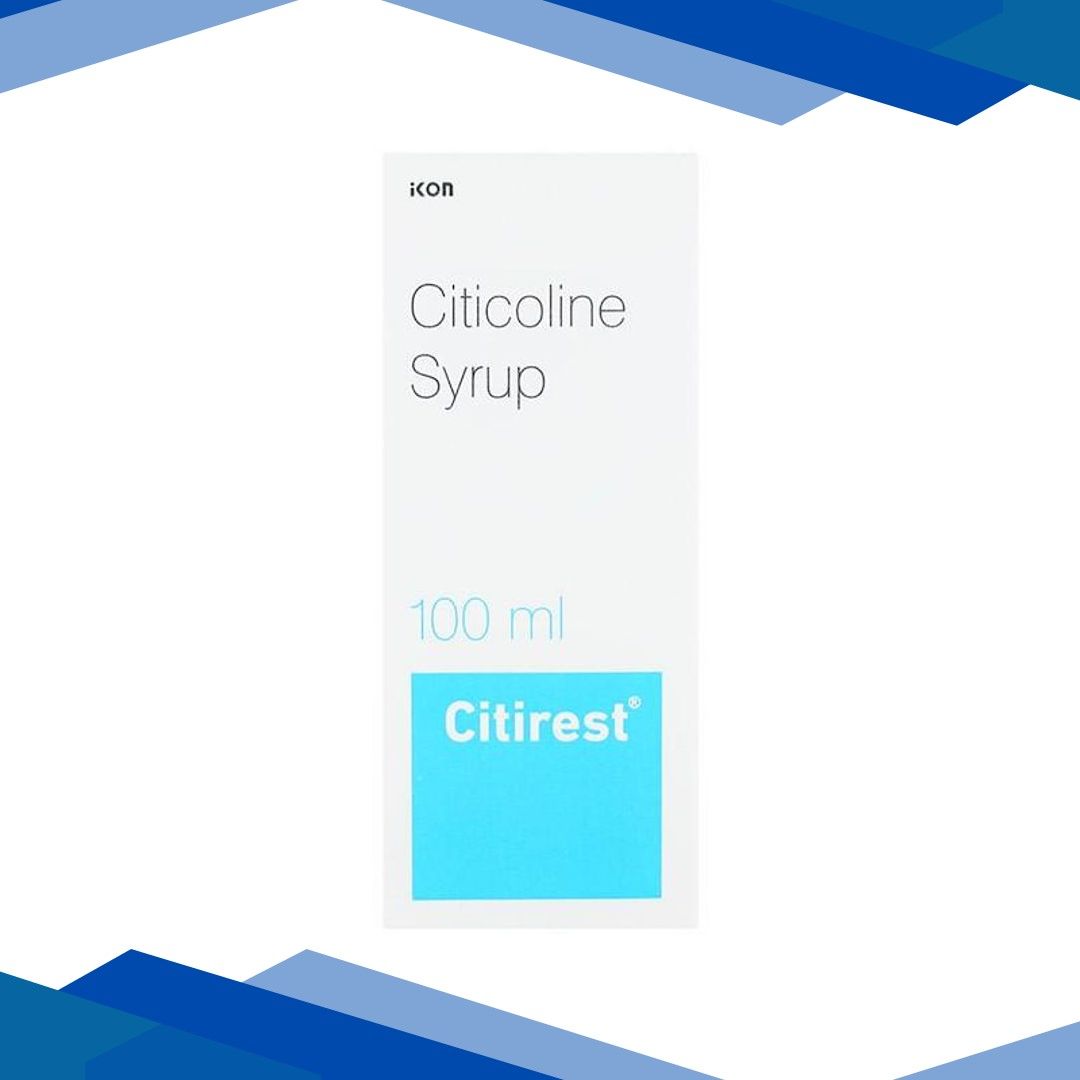
CITIREST Syrup 100ml
❌ Due to high demand, this product is currently out of stock. New stock will be available shortly.
👉 Click here to Buy Same Salt medicine
CITIREST Syrup is a medicine used to support brain function and help the recovery of damaged nerve cells. It works by supplying a substance the brain uses to make important cell membranes, which may help protect nerve tissue and improve communication between brain cells. Because of this, CITIREST Syrup is commonly used in conditions such as stroke, head injury, memory-related problems, and other neurological disorders where brain function may be affected. It may help improve alertness, thinking, and recovery in some patients, although the exact benefit depends on the condition and the person’s overall health. CITIREST Syrup is generally used under medical supervision as part of a broader treatment plan.
Description
CITIREST Syrup is a medicine and nutritional compound that is widely used to support brain function and neurological recovery. it is known for its role in helping the brain produce and maintain healthy cell membranes, which are essential for communication between nerve cells. CITIREST Syrup is often discussed in the context of conditions that affect memory, attention, thinking speed, and recovery after certain types of brain injury or stroke. it is not a stimulant and it does not work like a “quick energy” medicine; instead, it supports the brain’s normal chemical and structural processes over time.
CITIREST Syrup works in the body as a source of choline and cytidine, two important building blocks used to make phospholipids, especially phosphatidylcholine. phosphatidylcholine is a major component of cell membranes, including brain cells. by supporting membrane repair and stability, CITIREST Syrup may help nerve cells function more efficiently and may also support the production of acetylcholine, a neurotransmitter involved in memory, learning, and attention. because of these actions, it is commonly used as an adjunctive therapy in some neurological and cognitive conditions.
people may be prescribed or advised CITIREST Syrup in situations where brain support is needed, such as after stroke, head injury, or in certain cognitive difficulties. in some settings it may also be used to support recovery from neurological damage, although the exact benefit can vary depending on the condition and the individual. it is important to understand that CITIREST Syrup is not a cure for underlying neurological disease, and its use should be guided by a healthcare professional, especially when used alongside other medicines or for serious brain-related conditions.
overall, CITIREST Syrup is valued for its neuroprotective and membrane-supporting properties, and it is generally considered well tolerated. however, like all medicines or supplements, it may cause side effects in some people and may not be suitable for everyone. proper use, realistic expectations, and medical supervision are important to ensure safe and appropriate treatment.
ingredients
- CITIREST Syrup: the active ingredient that supports brain cell membrane repair, neurotransmitter synthesis, and overall neuronal function. it is the main component responsible for the medicine’s neurological benefits and is used to support cognitive and recovery-related indications.
- excipients / inactive ingredients: depending on the specific product form, CITIREST Syrup preparations may contain inactive ingredients that help with tablet stability, capsule filling, oral solution taste, or absorption. these vary by manufacturer and do not provide therapeutic benefit, but they are important for product formulation.
key uses
- support after stroke: CITIREST Syrup may be used as an adjunct in recovery after ischemic stroke or other cerebrovascular events, where support for brain cell repair and function may be beneficial. it is not a substitute for emergency stroke care or standard stroke treatment.
- head injury and brain trauma recovery: it is sometimes used to support neurological recovery after head injury or traumatic brain injury by helping maintain neuronal membrane integrity and cellular repair processes.
- cognitive support: CITIREST Syrup may be used in people with memory, attention, or concentration difficulties, particularly when a clinician believes that support of brain phospholipids and neurotransmitter balance may help.
- neurological rehabilitation support: in some cases, it may be included as part of a broader rehabilitation plan for people recovering from neurological conditions, alongside physiotherapy, speech therapy, occupational therapy, and other standard care.
- age-related brain support: some clinicians may consider it for age-related decline in mental performance, though benefits can vary and it should not be viewed as a treatment for dementia unless specifically recommended by a healthcare professional.
how to use
CITIREST Syrup should be used exactly as advised by a healthcare professional or as directed on the product label. it may be taken by mouth in tablet, capsule, or oral solution form, and in some medical settings it may be given by injection. the method, timing, and duration depend on the condition being treated, the formulation, and the person’s overall health. because CITIREST Syrup is often used for neurological support, consistent use may be important, and benefits are usually assessed over time rather than immediately.
it can generally be taken with or without food, although taking it with food may help reduce stomach discomfort in sensitive individuals. try to take it at the same time each day if it is being used regularly, as this can help maintain consistent levels in the body. do not exceed the recommended amount, and do not use it longer than advised without checking with a healthcare professional. if you are taking it for a brain injury, stroke recovery, or memory concerns, it is important to continue other prescribed treatments and follow-up care.
if you are unsure how to use a specific formulation, ask a pharmacist or doctor for guidance. different brands may have different strengths and instructions, and the way an oral solution is measured or the way a tablet is taken may differ. if swallowing is difficult, or if the medicine is intended for someone who has a feeding tube or special medical needs, professional advice is especially important.
safety information
- warnings: CITIREST Syrup should be used with caution in people with known sensitivity to the ingredient or to any inactive components in the product. although it is usually well tolerated, it may cause headache, digestive upset, sleep disturbance, or restlessness in some users. if symptoms worsen or unusual neurological symptoms appear, medical review is important. people using it after stroke or head injury should not delay emergency or standard medical treatment in favor of this medicine.
- side effects: common side effects may include headache, nausea, stomach discomfort, diarrhea, constipation, dizziness, insomnia, agitation, or a feeling of restlessness. less commonly, palpitations, changes in blood pressure, or allergic reactions may occur. serious reactions are uncommon but can include severe allergy, swelling, rash, breathing difficulty, or marked behavioral changes. seek immediate medical help if serious symptoms develop.
- precautions: use extra caution if you have a history of epilepsy, significant psychiatric conditions, cardiovascular disease, or liver or kidney problems, since medical supervision may be needed. older adults, people taking multiple medicines, and those with swallowing problems should also be monitored carefully. if the medicine is being used for cognitive symptoms, it is important to rule out reversible causes such as vitamin deficiency, thyroid disease, depression, or medication side effects.
- pregnancy/breastfeeding: safety data in pregnancy and breastfeeding may be limited depending on the formulation and local regulatory status. use only if a healthcare professional believes the expected benefit outweighs any potential risk. if you are pregnant, planning pregnancy, or breastfeeding, consult your doctor before using CITIREST Syrup.
- interactions: CITIREST Syrup may interact with medicines that affect the brain or nervous system, although many interactions are not severe. caution is advised with levodopa and other parkinson’s disease treatments, as some effects may be enhanced in certain individuals. it may also be used alongside stimulants, antidepressants, or cognitive medicines only under medical supervision. alcohol can worsen dizziness, sleep problems, or brain-related symptoms and should be limited or avoided if advised by a doctor.
additional information
- storage: store in a cool, dry place away from direct sunlight, heat, and moisture. keep it in the original container and out of reach of children and pets. do not use the medicine after the expiration date, and follow any special storage instructions on the package, especially for liquid formulations.
- missed dose: if a dose is missed, take it as soon as you remember unless it is almost time for the next dose. if it is close to the next scheduled dose, skip the missed dose and return to the regular schedule. do not double the dose to make up for a missed one.
- overdose: taking too much may increase the risk of side effects such as headache, nausea, vomiting, diarrhea, insomnia, agitation, or unusual nervousness. if an overdose is suspected, seek medical attention promptly or contact a poison control center. bring the medicine package with you so the healthcare team can identify the product and amount taken.
- habit forming: no. CITIREST Syrup is not considered habit-forming or addictive. it does not create dependence in the way some sedatives, opioids, or stimulant medicines can. however, it should still be used responsibly and only as recommended by a healthcare professional.
frequently asked questions
Q: what is CITIREST Syrup used for?
A: CITIREST Syrup is commonly used to support brain function, especially in recovery after stroke, head injury, or other neurological conditions where support for nerve cell repair and communication may be helpful. it may also be used for certain memory or attention problems when recommended by a healthcare professional.
Q: how does CITIREST Syrup work in the body?
A: CITIREST Syrup provides choline and cytidine, which the body uses to make phospholipids such as phosphatidylcholine. these phospholipids are important for healthy brain cell membranes and nerve signaling. it may also support the production of acetylcholine, a neurotransmitter involved in memory and attention.
Q: can CITIREST Syrup improve memory?
A: CITIREST Syrup may help some people with memory or concentration concerns, but results vary and it is not a guaranteed treatment for memory loss. if memory problems are persistent or worsening, a healthcare professional should evaluate the underlying cause.
Q: does CITIREST Syrup work immediately?
A: no. CITIREST Syrup is not a fast-acting stimulant. it is generally used to support brain function over time, and any benefit may take days to weeks depending on the condition and the individual.
Q: can i take CITIREST Syrup with food?
A: yes, it is generally acceptable to take CITIREST Syrup with or without food. if it causes stomach discomfort, taking it with food may help. always follow the instructions for your specific product.
Q: what are the common side effects of CITIREST Syrup?
A: common side effects can include headache, nausea, stomach upset, diarrhea, dizziness, insomnia, restlessness, or agitation. most side effects are mild, but severe or persistent symptoms should be checked by a doctor.
Q: is CITIREST Syrup safe for long-term use?
A: it may be used for longer periods in some situations under medical supervision, but long-term use should be reviewed regularly to confirm that it is still needed and beneficial. always follow your clinician’s advice.
Q: can CITIREST Syrup be taken with other brain medicines?
A: it may sometimes be used alongside other neurological medicines, but this should only be done under medical supervision because interactions or overlapping side effects may occur. tell your doctor about all medicines and supplements you use.
Q: is CITIREST Syrup safe during pregnancy?
A: safety information in pregnancy may be limited. it should only be used if a healthcare professional recommends it after weighing benefits and possible risks.
Q: is CITIREST Syrup the same as a stimulant?
A: no. CITIREST Syrup is not a stimulant. it does not work like caffeine or amphetamines. its main role is to support brain cell structure and function rather than producing an immediate energy boost.
Q: can CITIREST Syrup help after a stroke?
A: it may be used as part of supportive care after stroke to help with neurological recovery, but it is not an emergency treatment and does not replace standard stroke management, rehabilitation, or follow-up care.
Q: should CITIREST Syrup be stopped if side effects occur?
A: if mild side effects occur, a healthcare professional may suggest adjustments or monitoring. if you develop severe symptoms such as rash, swelling, breathing trouble, marked agitation, or a worsening neurological condition, seek urgent medical care.
Q: can children use CITIREST Syrup?
A: use in children should only occur if specifically recommended by a pediatric specialist. dosing, safety, and the reason for use need careful medical supervision in younger patients.
Q: what should i tell my doctor before taking CITIREST Syrup?
A: tell your doctor about your medical conditions, especially epilepsy, heart disease, kidney or liver problems, pregnancy or breastfeeding, and all prescription drugs, over-the-counter medicines, and supplements you use.
Q: does alcohol affect CITIREST Syrup?
A: alcohol may worsen dizziness, sleep problems, or neurological symptoms and can interfere with recovery goals. it is best to ask your healthcare professional whether alcohol should be avoided during treatment.
this information is for educational purposes only and should not be considered medical advice. always consult a qualified healthcare professional before use.
At Gem Pharmacy, we make every effort to provide accurate, expert-written, and thoroughly reviewed information related to medicines. However, this information should not be considered a substitute for professional medical advice, diagnosis, or treatment from a qualified doctor.
The purpose of this information is to educate users and improve communication between patients and healthcare professionals. It should not be used to diagnose or treat any condition.
Always consult a certified healthcare professional before taking any medication.


Related products
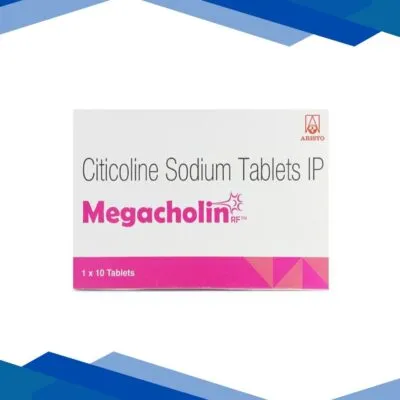
MEGACHOLIN RF 500mg Tablet 10’s