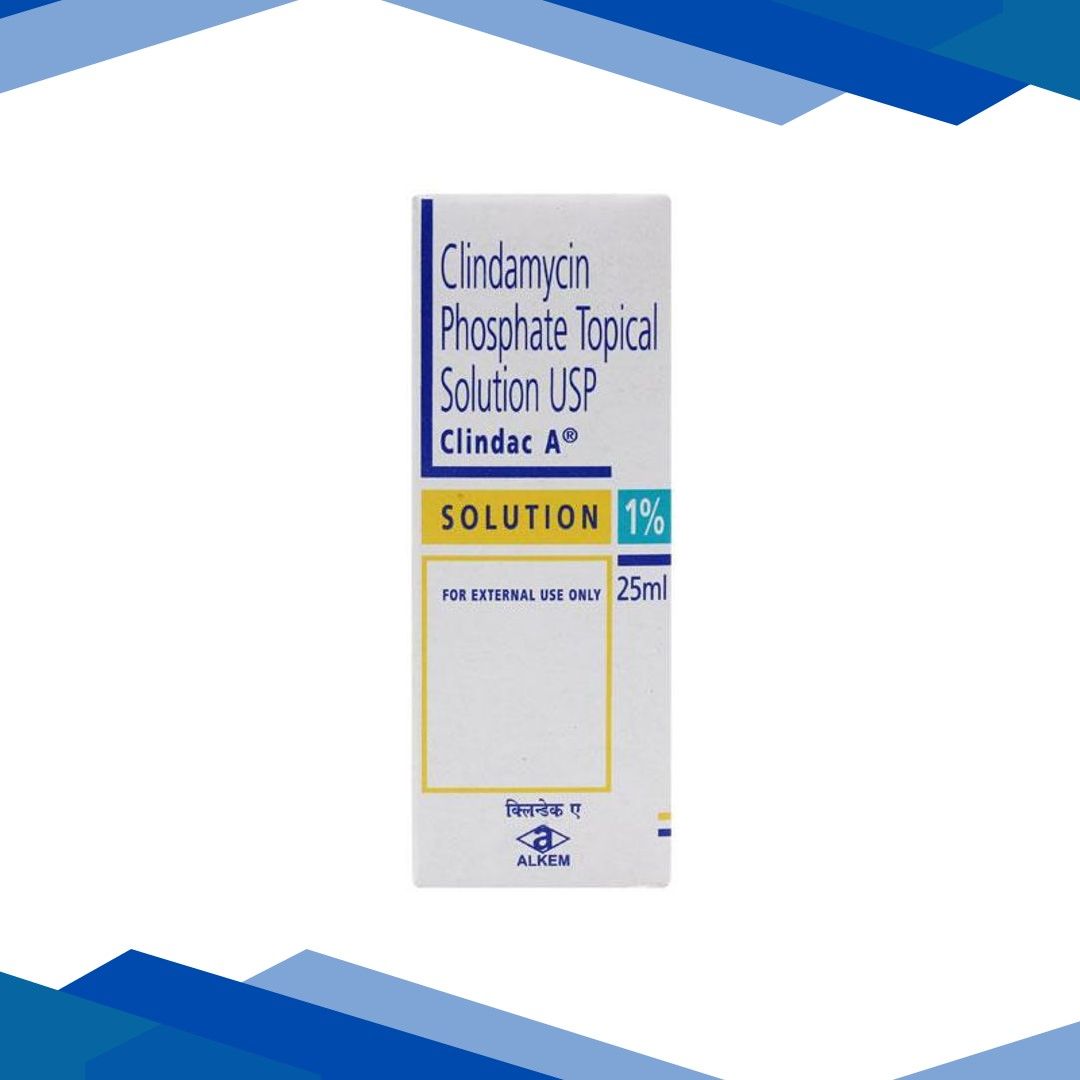
Clindac A 1% solution 25ml
Clindac A 1% solution is a topical medicine used mainly to treat acne. It combines two active ingredients that work in different ways to improve breakouts. Adapalene helps unclog pores, reduces the build-up of dead skin cells, and supports normal skin cell turnover, which can help prevent new pimples from forming. Clindamycin is an antibiotic that helps reduce acne-causing bacteria on the skin and may also lessen inflammation, redness, and swelling. Together, this combination is often prescribed for mild to moderate acne, especially when both clogged pores and inflamed spots are present. It is meant for use on the skin and should be used as directed by a healthcare professional for best results and to reduce the risk of irritation or antibiotic resistance.
Description
Clindac A 1% solution is a topical combination medicine commonly used to treat acne, especially acne vulgaris that includes blackheads, whiteheads, inflamed pimples, and tender red bumps. it brings together two well-known dermatologic ingredients that work in different but complementary ways. adapalene is a retinoid-like medicine that helps normalize the way skin cells shed and prevents the plugging of hair follicles, while clindamycin is an antibiotic that helps reduce acne-causing bacteria and the inflammation associated with acne lesions. because acne often develops from a combination of clogged pores, excess oil, bacterial overgrowth, and inflammation, this dual-action approach can be particularly useful for many patients.
this medicine is intended for external use on the skin only. it is generally prescribed when acne has not responded adequately to milder over-the-counter products or when both clogged pores and inflamed breakouts are present. Clindac A 1% solution may help reduce the number of new acne lesions over time and improve the appearance of existing pimples, but results are usually gradual rather than immediate. many people notice that skin may become dry or irritated at first, especially during the early weeks of treatment, and this is an important part of counseling so users do not stop treatment too soon.
the medicine works best as part of a consistent skin-care routine and under the guidance of a healthcare professional when acne is moderate, persistent, or affecting self-esteem. it is not a quick-fix product and should not be used on broken, sunburned, or eczematous skin unless a clinician specifically advises it. since it contains an antibiotic, it should be used thoughtfully to help reduce the risk of bacterial resistance. the goal is to improve acne control while minimizing irritation, protecting the skin barrier, and using the product correctly and safely.
ingredients
- adapalene: adapalene is a topical retinoid-related ingredient that helps keep pores from becoming clogged. it promotes more normal shedding of dead skin cells inside the follicle, which reduces the formation of comedones such as blackheads and whiteheads. it also has anti-inflammatory properties, which can lessen redness and swelling in acne lesions. this makes it useful for both non-inflammatory and inflammatory acne.
- clindamycin: clindamycin is a topical antibiotic that works against certain bacteria associated with acne, especially cutibacterium acnes. by reducing bacterial numbers on the skin and within blocked follicles, it helps decrease inflammation and the formation of pustules and papules. it is not meant to treat all skin infections and should only be used for the condition recommended by a clinician.
- inactive ingredients: the exact inactive ingredients vary by product formulation, but they may include gel or cream bases, solvents, preservatives, stabilizers, and humectants that help the medicine spread evenly and remain stable. these components do not treat acne directly, but they influence texture, absorption, shelf life, and tolerability on the skin.
key uses
- acne vulgaris treatment: this medicine is primarily used to treat common acne on the face, chest, back, or shoulders. it helps address clogged pores, inflammatory pimples, and mixed acne lesions in one topical regimen.
- reduction of blackheads and whiteheads: adapalene helps prevent the buildup of dead skin cells inside pores, which can reduce comedones over time. this makes it especially helpful when acne includes many non-inflamed bumps.
- reduction of inflamed pimples: clindamycin helps decrease acne-related bacteria and inflammation, which can improve red, swollen, or tender bumps. the combination may be more effective than either ingredient alone for mixed acne patterns.
- maintenance of acne control: in some patients, it is used to help maintain improvement once acne has started responding, provided the prescriber considers the overall treatment plan appropriate. long-term use should always be supervised to avoid unnecessary antibiotic exposure.
how to use
Clindac A 1% solution is typically applied in a thin layer to clean, dry skin as directed by a healthcare professional. it is usually used once daily, often in the evening, but the exact timing may vary depending on the product and your clinician’s advice. before applying, wash the affected area gently with a mild cleanser and pat it dry. using too much medicine does not improve results and may increase irritation, so a thin, even layer is generally enough for the treated area.
avoid applying the medicine to the eyes, lips, inside the nose, mucous membranes, or any broken, sunburned, or severely irritated skin. after application, wash your hands unless the hands are the treatment area. many people experience mild dryness, peeling, stinging, or redness during the first few weeks, so it may help to use a non-comedogenic moisturizer and gentle skincare products. if your clinician recommends it, sunscreen should be used during the day because acne treatments and irritated skin can be more sensitive to sunlight.
consistency matters more than frequent heavy application. improvements often take several weeks, and full benefit may take longer. do not use additional acne products that may irritate the skin, such as harsh scrubs, alcohol-based toners, or multiple topical acne medicines at the same time unless advised. if irritation becomes significant or acne worsens severely, contact a healthcare professional for guidance rather than stopping and restarting repeatedly on your own.
safety information
- warnings: this medicine is for external use only. avoid contact with the eyes, mouth, nostrils, and other sensitive areas. do not apply to cut, scraped, eczematous, or sunburned skin. topical retinoid-type medicines can increase irritation, especially early in treatment. because clindamycin is an antibiotic, using it unnecessarily or for too long may contribute to bacterial resistance. severe diarrhea or abdominal cramping should be reported promptly, as antibiotic exposure can rarely be associated with serious intestinal side effects, even with topical use.
- side effects: common side effects include dryness, peeling, mild burning, stinging, redness, itching, and skin irritation at the application site. some people may notice temporary worsening of acne-like bumps at the start of treatment. serious side effects are uncommon but may include intense skin irritation, swelling, blistering, severe rash, or signs of allergic reaction such as hives, facial swelling, or trouble breathing. persistent diarrhea, bloody stools, or severe abdominal pain require medical attention.
- precautions: use with caution in people with very sensitive skin, a history of eczema or dermatitis, or prior intolerance to topical retinoids or antibiotics. those with a history of gastrointestinal disease, especially colitis, should discuss the risks with a clinician before use. do not combine with other irritating acne products unless specifically advised. people with extensive sun exposure should take extra care with sunscreen and protective clothing.
- pregnancy/breastfeeding: if you are pregnant, planning to become pregnant, or breastfeeding, speak with a healthcare professional before using this medicine. topical adapalene and clindamycin are generally absorbed less than oral medicines, but safety considerations still matter. during breastfeeding, avoid applying it to the breast area so the infant does not come into direct contact with the product. a clinician can help weigh potential benefits and risks based on your individual situation.
- interactions: because this is a topical medicine, drug interactions are less common than with oral medications, but they can still matter. using it together with other strong acne treatments, abrasive scrubs, alcohol-based products, or products containing high concentrations of benzoyl peroxide, salicylic acid, sulfur, or exfoliating acids may increase irritation. alcohol itself does not directly interact in a major way with the medicine, but heavy alcohol use can affect skin health and treatment adherence. tell your healthcare professional about all prescription, over-the-counter, and cosmetic products you use on the skin.
additional information
- storage: store the medicine at room temperature in a tightly closed container, away from excess heat, moisture, and direct sunlight. do not freeze unless the product label specifically allows it. keep it out of reach of children and pets. if the product changes color, smell, or texture unexpectedly, check with a pharmacist before using it.
- missed dose: if you miss an application, use it when you remember unless it is almost time for the next scheduled application. if that is the case, skip the missed dose and continue with the regular routine. do not apply extra medicine to make up for a missed dose, since this can increase irritation without improving results.
- overdose: using too much on the skin may cause marked redness, peeling, burning, discomfort, or swelling. if a large amount is accidentally applied, wash the area gently with mild cleanser and water. if the medicine is swallowed, or if severe irritation, rash, or unusual symptoms develop, seek medical advice promptly or contact poison control if available.
- habit forming: no, Clindac A 1% solution is not habit forming. it does not produce dependence or addiction. however, acne may return if the medicine is stopped too early or if the underlying condition still requires treatment, so continued use should follow medical advice.
frequently asked questions
Q: what is Clindac A 1% solution used for?
A: Clindac A 1% solution is used to treat acne vulgaris, including blackheads, whiteheads, and inflamed pimples. it works by reducing clogged pores, bacteria, and inflammation.
Q: how long does it take to work?
A: some people notice gradual improvement within a few weeks, but fuller results may take longer. acne treatments often require consistent use before the benefits become clearly visible.
Q: can i use moisturizer with this medicine?
A: yes, a gentle non-comedogenic moisturizer can help reduce dryness and irritation. it is usually best to apply it as part of a simple skin-care routine unless your clinician advises otherwise.
Q: why does my skin feel dry or irritated after using it?
A: dryness, peeling, redness, and mild stinging are common early side effects, especially because adapalene can irritate sensitive skin. these effects often improve as the skin adjusts, but severe irritation should be discussed with a healthcare professional.
Q: should i stop the medicine if my acne gets worse at first?
A: not always. some people experience temporary worsening or increased visible breakouts during the first weeks of treatment. if the reaction is severe, painful, or persistent, contact a healthcare professional for advice.
Q: can i use this with other acne products?
A: sometimes, but combining it with other acne treatments can increase dryness and irritation. ask a healthcare professional before using additional topical acids, retinoids, or other medicated acne products.
Q: is it safe in pregnancy?
A: if you are pregnant or trying to conceive, consult a healthcare professional before using it. even though it is topical, safety should be reviewed individually to determine whether the benefits outweigh any potential risk.
Q: can i apply it in the morning?
A: some products are used at night because retinoid-like ingredients can make skin more sensitive and because nighttime use may be easier to tolerate. follow the directions given by your prescriber or the product label.
Q: what should i do if i get severe diarrhea?
A: severe diarrhea, especially if it is persistent or bloody, should be taken seriously and evaluated promptly. although uncommon with topical use, antibiotic-related bowel effects can occur and need medical attention.
Q: does this medicine cure acne permanently?
A: it can help control acne effectively, but it does not guarantee a permanent cure. acne may improve while using it and return later if treatment stops or if the underlying acne tendency remains.
Q: can teenagers use Clindac A 1% solution?
A: it is commonly used in adolescents when prescribed appropriately for acne. a healthcare professional should confirm the best treatment based on age, skin type, and acne severity.
Q: what if i have very sensitive skin?
A: people with sensitive skin may still use it, but they may need extra care, such as starting cautiously, using gentle cleansers, and avoiding other irritating products. if irritation is hard to tolerate, speak with a healthcare professional.
[/faqs_dbm]
this information is for educational purposes only and should not be considered medical advice. always consult a qualified healthcare professional before use.
At Gem Pharmacy, we make every effort to provide accurate, expert-written, and thoroughly reviewed information related to medicines. However, this information should not be considered a substitute for professional medical advice, diagnosis, or treatment from a qualified doctor.
The purpose of this information is to educate users and improve communication between patients and healthcare professionals. It should not be used to diagnose or treat any condition.
Always consult a certified healthcare professional before taking any medication.


Related products
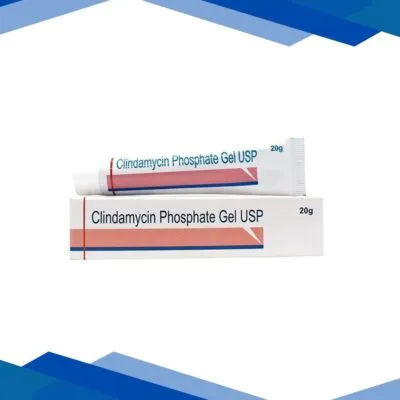
CLINDAMYCIN PHOSPHATE (NANZ) Gel 20gm