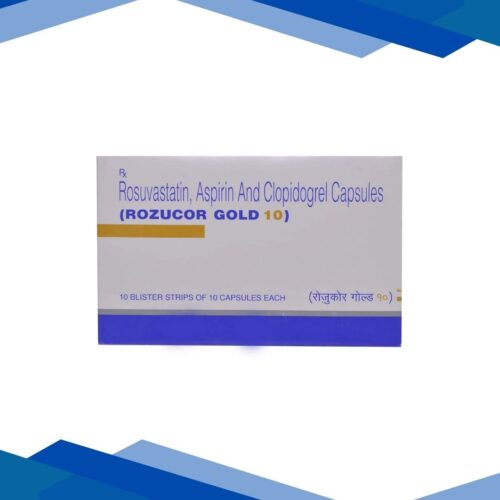
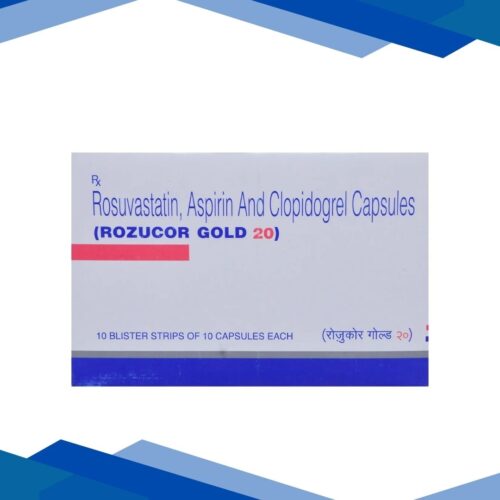
Aspirin
ASPIRIN
Overview:
Aspirin is a well-known and widely used medicine that helps relieve pain, bring down fever, reduce swelling, and in lower doses, protect the heart. It’s been around for a long time and is used for both short-term discomfort and long-term heart care.
Classification: Non-steroidal anti-inflammatory drug (NSAID)
Uses:
Ease mild to moderate pain like headaches, toothaches, and muscle aches
Lower fever during infections or flu
Reduce inflammation in conditions like arthritis
Prevent heart attacks or strokes by making the blood thinner in people at risk
Help in managing chest pain (angina) and after certain heart surgeries
How It Works:
Aspirin works by blocking the body’s production of prostaglandins—chemicals that cause pain, fever, and swelling. It also prevents blood platelets from clumping together, making it useful in reducing the risk of clots in the heart or brain.
Dosage: As prescribed by your doctor.
Side effects:
Stomach irritation, pain, or heartburn
Nausea or vomiting
Increased risk of bleeding or bruising easily
Ringing in the ears
Allergic reactions like rash or breathing trouble
Precautions:
Avoid taking aspirin if you have a history of stomach ulcers, bleeding problems, or asthma
Don’t give aspirin to children under 12, especially during viral illnesses, due to the risk of Reye’s syndrome
Use with caution if you’re taking blood thinners or other NSAIDs
Let your doctor know if you’re pregnant, breastfeeding, or have kidney or liver issues
Always take with food or milk to protect your stomach lining
Avoid alcohol while on aspirin as it can raise the risk of stomach bleeding
Disclaimer:
This content is for informational purposes only. Always consult a healthcare provider for medical advice and proper dosage
Clopidogrel
CLOPIDOGREL
Overview
Clopidogrel is a medicine used to prevent blood clots in people at risk of heart attacks, strokes, or circulation problems. It helps keep your blood flowing smoothly by stopping platelets from clumping together.
Classification
Antiplatelet
Uses
Doctors commonly prescribe clopidogrel to:
Lower the risk of heart attacks and strokes
Help people who have had a recent heart attack, stroke, or have poor blood flow
Keep blood vessels open after angioplasty or stent placement
Prevent clots in people with heart or blood vessel conditions
How It Works
It works by blocking a substance in the blood that tells platelets to stick together. By doing this, it reduces the chances of clots forming, especially in people who already have narrowed or damaged blood vessels
Dosage
As prescribed by your doctor.
Side effects
While most people take clopidogrel without issues, some may notice:
Easy bruising or bleeding (like nosebleeds or bleeding gums)
Stomach upset or indigestion
Diarrhea
Skin rash or itching
In rare cases, serious bleeding
Precautions
While most people take clopidogrel without issues, some may notice:
Easy bruising or bleeding (like nosebleeds or bleeding gums)
Stomach upset or indigestion
Diarrhea
Skin rash or itching
In rare cases, serious bleeding
Disclaimer
This content is for informational purposes only. Always consult a healthcare provider for medical advice and proper dosage