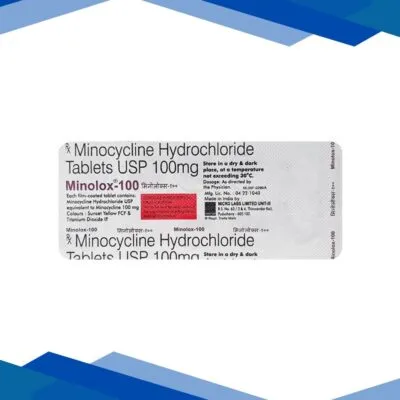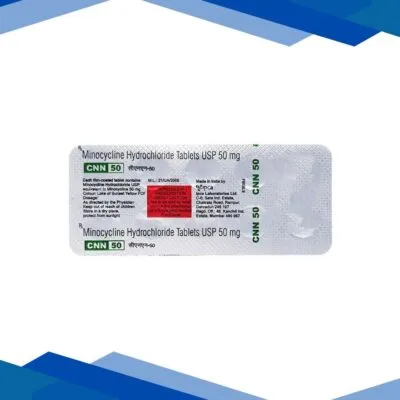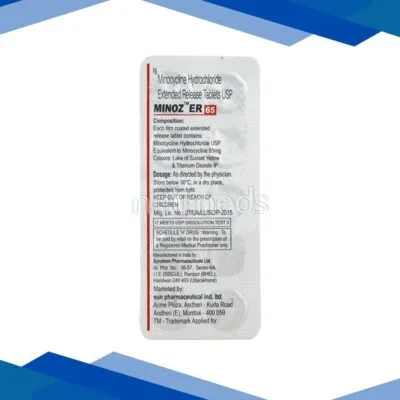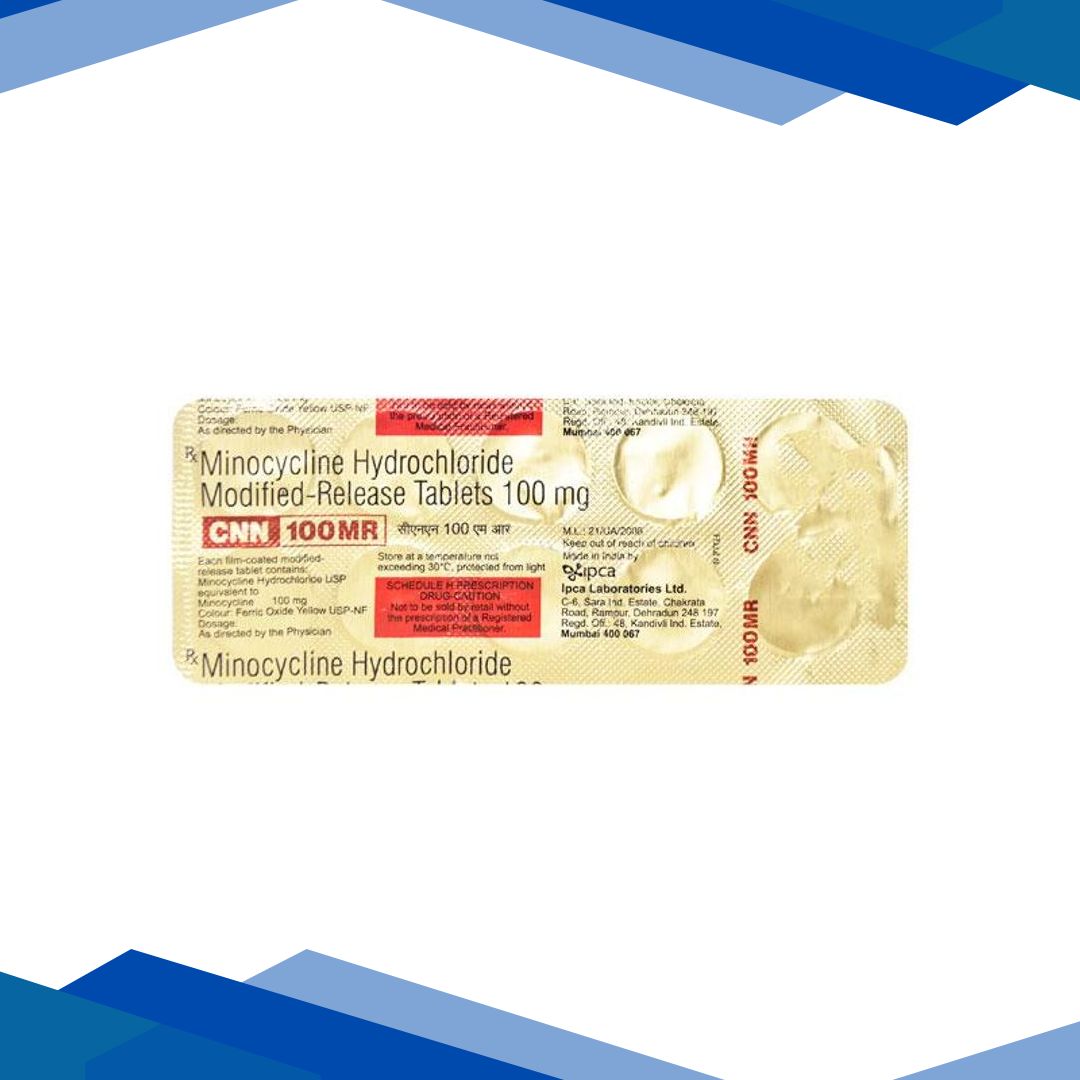
CNN MR 100mg Tablet 10’S
❌ Due to high demand, this product is currently out of stock. New stock will be available shortly.
👉 Click here to Buy Same Salt medicine
CNN MR 100mg Tablet is a combination medicine used to help treat certain skin and eye conditions where both inflammation and bacterial infection may be present. Hydrocortisone is a corticosteroid that reduces redness, swelling, and itching by calming the body’s inflammatory response. Tetracycline is an antibiotic that helps stop the growth of susceptible bacteria. Together, they can relieve irritation while also treating the infection causing the problem. This medicine is commonly used for some inflammatory skin infections and certain eye conditions, as directed by a healthcare professional. It should be used under medical supervision because the steroid component may not be suitable for all infections or long-term use.
Description
CNN MR 100mg Tablet is a combination medicine used in situations where both inflammation and bacterial infection need to be addressed at the same time. hydrocortisone is a corticosteroid that helps reduce redness, swelling, itching, and irritation, while tetracycline is an antibiotic that helps stop the growth of certain bacteria. together, they may be used for conditions in which irritated or inflamed skin, eyes, or other tissues are also affected by susceptible bacterial infection, depending on the formulation and the exact medical indication prescribed by a healthcare professional.
this medicine works by combining two different therapeutic actions. hydrocortisone acts on the body’s inflammatory response, helping to calm immune activity that causes discomfort, tissue swelling, and visible signs of irritation. tetracycline works by interfering with bacterial protein synthesis, which prevents bacteria from multiplying and helps the immune system clear the infection. because the two ingredients act through different mechanisms, the combination can be helpful when inflammation and infection coexist, but it is not appropriate for every type of rash, redness, or infection.
CNN MR 100mg Tablet should be used only when a healthcare professional has determined that the condition is likely to respond to both components. it is not a substitute for proper diagnosis, because symptoms such as itching, discharge, pain, or redness can also occur with viral, fungal, allergic, or noninfectious conditions. using a steroid-antibiotic combination without medical guidance can sometimes mask a more serious problem, delay correct treatment, or contribute to antibiotic resistance. for this reason, careful selection of patients and close adherence to directions are important.
in practical terms, this medicine is typically intended for short-term use under supervision. people who may benefit from it are those with localized inflammatory conditions complicated by bacterial infection or at high risk of secondary bacterial contamination, as judged by a clinician. the exact form of the product matters a lot: some preparations are designed for topical use on the skin, while others may be intended for other localized applications. the safety profile and usage instructions can vary depending on the dosage form, so the label and prescriber’s guidance should always be followed.
ingredients
- hydrocortisone: hydrocortisone is a mild corticosteroid that reduces inflammation by suppressing the release of chemical mediators involved in redness, swelling, itching, and allergic-type reactions. it can provide relief from discomfort and help restore normal tissue appearance when inflammation is excessive. because it lowers local immune activity, it should be used carefully and usually for limited periods, especially on sensitive skin or near the eyes.
- tetracycline: tetracycline is a broad-spectrum antibiotic that works by inhibiting bacterial protein production. this slows bacterial growth and helps control infections caused by susceptible organisms. it is useful only against bacteria, not viruses or fungi, so it should not be used when the underlying cause is uncertain unless a healthcare professional recommends it.
- inactive ingredients/excipients: depending on the product formulation, the medicine may also contain base materials, stabilizers, preservatives, or solvents that help deliver the active ingredients and maintain product quality. these ingredients do not treat disease but may affect texture, absorption, shelf life, or tolerability in some individuals.
key uses
- inflammatory skin or localized tissue conditions with bacterial involvement: the combination may be used when redness, swelling, itching, or irritation is accompanied by a suspected or confirmed bacterial infection that is sensitive to tetracycline.
- secondary bacterial infection of irritated areas: in some cases, pre-existing inflammation can make tissue more vulnerable to bacterial overgrowth. this medicine may help reduce both the inflammatory symptoms and the bacterial component.
- short-term symptom control under medical supervision: hydrocortisone can quickly reduce discomfort while tetracycline addresses susceptible bacteria, making the combination useful for temporary control of mixed inflammatory-infectious conditions.
- localized treatment where a steroid-antibiotic combination is specifically indicated: some formulations are intended for specific topical sites or conditions where a clinician believes the benefit of dual therapy outweighs the risks.
how to use
CNN MR 100mg Tablet should be used exactly as directed by a doctor or pharmacist, because the correct method depends on the formulation and the condition being treated. in general, these combination products are applied or used only to the affected area, and only for the duration recommended by a healthcare professional. before use, the area should usually be cleaned gently and dried if the product is a topical preparation. hands should be washed before and after application unless the hands themselves are being treated.
do not use more often, for longer, or on larger areas than recommended, because steroid-containing products can cause thinning of the skin and other local side effects with prolonged use. avoid getting the medicine into the eyes, mouth, or other mucous membranes unless a clinician specifically told you to use it there. if the product is for eye-related use, strict hygiene and application technique are especially important, and contact lenses may need to be avoided while using the medicine if advised by an eye care professional.
it is important to complete the full recommended course if the prescriber has instructed one, even if symptoms improve earlier. stopping too soon may allow bacteria to persist and symptoms to return. however, if the condition worsens, spreads, or does not improve within the expected time, medical review is needed. because the steroid component can temporarily reduce redness and itch while an infection continues underneath, follow-up may be necessary if there is any uncertainty about the diagnosis or response.
safety information
- warnings: this medicine should be used cautiously because hydrocortisone can suppress local immune defenses and tetracycline can encourage resistance if used inappropriately. it should not be used for untreated fungal, viral, or parasitic infections, and it may be unsuitable if the cause of the symptoms is unclear. long-term or unsupervised use can increase the risk of skin thinning, delayed healing, rebound symptoms, and masking of a worsening infection. if severe pain, pus, fever, rapid spread of redness, or vision changes occur, seek medical care promptly.
- side effects: common side effects may include mild burning, stinging, dryness, temporary redness, itching, irritation, or local discomfort where the medicine is applied. with extended use, hydrocortisone may cause skin thinning, stretch marks, increased fragility, acne-like eruptions, visible small blood vessels, or color changes in the skin. serious side effects are uncommon but can include allergic reactions, worsening infection, severe irritation, and, depending on the site of use and duration, systemic steroid effects or antibiotic-related complications.
- precautions: people with known allergy to hydrocortisone, tetracycline, or related medicines should avoid it. extra caution is needed in children, older adults, and people with thin or sensitive skin, as side effects may be more likely. use with care on broken skin, large areas, occluded areas, or areas prone to absorption. people with a history of recurrent skin infections, glaucoma, cataracts, liver disease, or immune suppression should consult a healthcare professional before use, especially if the product is intended for prolonged or repeated treatment.
- pregnancy/breastfeeding: tetracycline use is generally avoided during pregnancy because it may affect fetal bone and tooth development, especially with systemic exposure. hydrocortisone may sometimes be used in pregnancy if clearly needed, but only on medical advice. during breastfeeding, use should also be discussed with a clinician, since the appropriateness depends on the formulation, the amount used, and the treatment area. do not use during pregnancy or breastfeeding unless a healthcare professional confirms it is suitable.
- interactions: interactions depend on the product form. if used topically, drug interactions are usually limited, but combining it with other skin products, harsh cleansers, exfoliants, or topical irritants may worsen irritation. if the tetracycline component is absorbed systemically to any significant degree, it may interact with antacids, iron, calcium, magnesium, zinc, and some supplements, which can reduce tetracycline absorption. alcohol may worsen skin irritation or impair healing in some people and is best minimized if the clinician advises. tell your healthcare professional about all prescription medicines, over-the-counter products, and supplements you use.
additional information
- storage: store the product at room temperature unless the label says otherwise. keep it tightly closed, away from excessive heat, direct light, and moisture. do not freeze unless specifically instructed. keep out of reach of children and do not use after the expiration date.
- missed dose: if a dose is missed, use it when remembered unless it is almost time for the next scheduled use. in that case, skip the missed dose and return to the regular schedule. do not apply extra medicine to make up for a missed dose, as this may increase the risk of irritation or side effects.
- overdose: overuse may cause marked irritation, worsening redness, skin thinning, or other local adverse effects. if a large amount is accidentally used, remove excess if possible and contact a pharmacist or healthcare professional for advice. if the medicine is swallowed accidentally or causes severe symptoms, seek urgent medical attention or poison center guidance.
- habit forming: no, CNN MR 100mg Tablet is not considered habit forming. however, repeated unsupervised use can create dependence in a practical sense if symptoms return when the medicine is stopped, especially with steroid-containing products. that is why it should be used only for the intended duration and reason.
frequently asked questions
Q: what is CNN MR 100mg Tablet used for?
A: it is used for localized conditions where inflammation and susceptible bacterial infection occur together. the hydrocortisone reduces swelling, redness, and itching, while tetracycline helps control the bacterial component. it should only be used when a healthcare professional believes this combination is appropriate.
Q: can i use CNN MR 100mg Tablet for fungal or viral infections?
A: no. this medicine is not meant for fungal or viral infections, and using it in those situations may delay proper treatment. if the cause of the symptoms is not clear, medical evaluation is important before starting treatment.
Q: how quickly does it work?
A: some relief from itching, redness, or inflammation may be noticed fairly quickly because hydrocortisone can act relatively fast on irritation. the antibiotic effect depends on the type of bacteria and the condition being treated, so improvement may take longer. if symptoms worsen or do not improve as expected, contact a healthcare professional.
Q: can i use it for a long time?
A: long-term use is generally not recommended unless specifically advised by a clinician. prolonged use of hydrocortisone may cause skin thinning and other local side effects, and extended antibiotic use can contribute to resistance or mask an ongoing problem.
Q: should i stop using it once i feel better?
A: follow the instructions given by your healthcare professional. some treatments are intended for a short, fixed duration even if symptoms improve early, while others may need to be completed to reduce recurrence. if you are unsure, ask your doctor or pharmacist before stopping.
Q: is it safe to apply on sensitive areas?
A: sensitive areas may absorb medicine more easily and can be more prone to side effects, especially from corticosteroids. use on delicate skin, the face, or near the eyes should only be done if specifically recommended by a healthcare professional.
Q: what should i do if i get irritation or an allergic reaction?
A: stop using the medicine and contact a healthcare professional. mild temporary stinging can occur, but severe rash, swelling, trouble breathing, or worsening redness may indicate an allergic reaction or another complication and needs prompt medical attention.
Q: can i use other creams or ointments with it?
A: not always. some products can irritate the area, interfere with absorption, or make the skin more sensitive. tell your pharmacist or doctor about any other topical medicines, cosmetics, or skin treatments you are using before combining them.
Q: does this medicine cause antibiotic resistance?
A: when antibiotics are used unnecessarily, for too long, or for the wrong condition, resistance can develop. that is why CNN MR 100mg Tablet should be used only when a bacterial infection is likely or confirmed and exactly as directed.
Q: can children use CNN MR 100mg Tablet?
A: children may be more sensitive to corticosteroid effects and antibiotic-related concerns, so pediatric use should always be guided by a healthcare professional. the appropriateness depends on the child’s age, the site being treated, and the specific product formulation.
Q: what signs mean i should seek urgent medical help?
A: seek urgent care if you develop severe swelling, breathing difficulty, rapidly spreading redness, high fever, severe pain, pus, vision changes, or signs that the infection is getting worse. these symptoms may indicate a serious reaction or an infection that needs different treatment.
this information is for educational purposes only and should not be considered medical advice. always consult a qualified healthcare professional before use.
At Gem Pharmacy, we make every effort to provide accurate, expert-written, and thoroughly reviewed information related to medicines. However, this information should not be considered a substitute for professional medical advice, diagnosis, or treatment from a qualified doctor.
The purpose of this information is to educate users and improve communication between patients and healthcare professionals. It should not be used to diagnose or treat any condition.
Always consult a certified healthcare professional before taking any medication.


Related products