
Coldargic Drops 15ml
❌ Due to high demand, this product is currently out of stock. New stock will be available shortly.
👉 Click here to Buy Same Salt medicine
No Prescription yet? Don’t worry! Click Here to Get Online Consultation
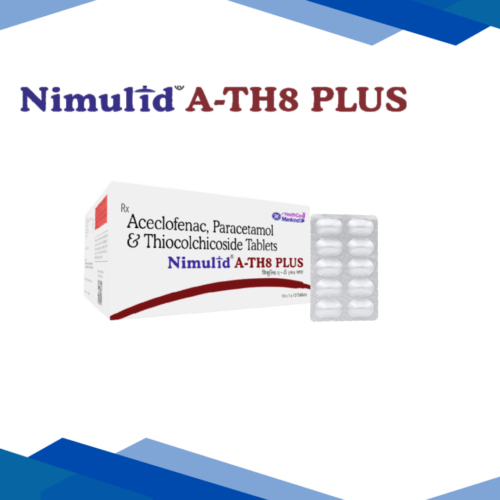
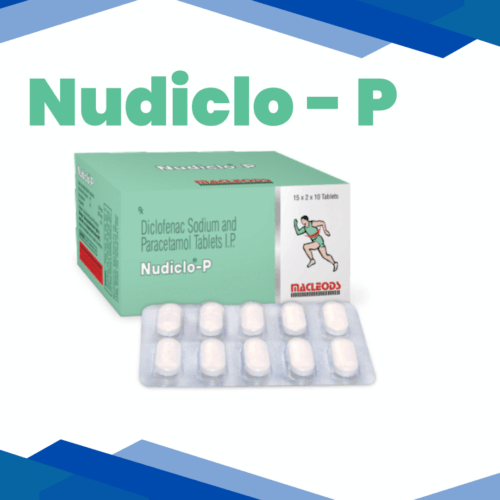
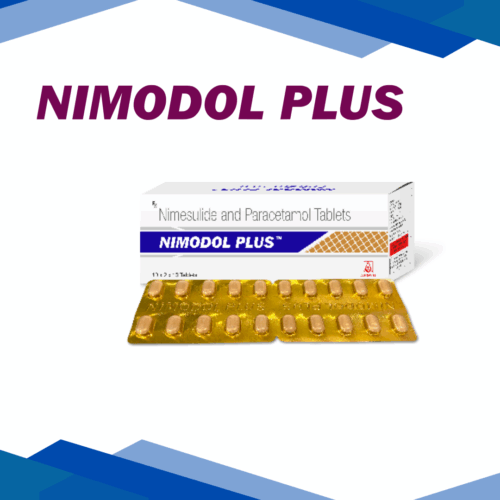
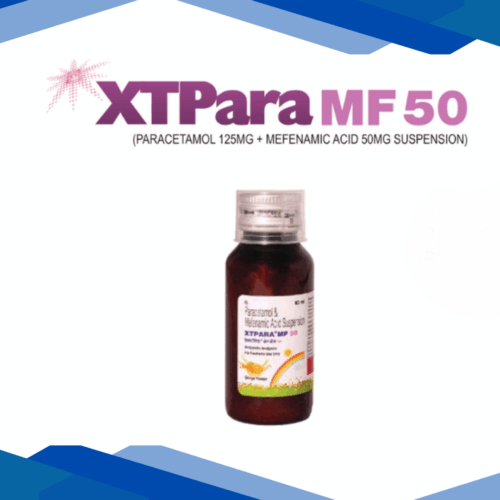
Acetaminophen is a widely used pain reliever and fever reducer used to treat mild to moderate pain and reduce fever. It works by blocking pain signals in the brain and lowering body temperature. It is commonly used for conditions such as headaches, body aches, and cold or flu symptoms. For more details kindly click on Medicine Salts below:
Chlorpheniramine
Paracetamol
Paracetamol 500mg Tablet
Paracetamol is probably the most prescribed and widely used medicine in the world. It is commonly administered to relieve mild-to-moderate pain and to reduce fever. It is well known for its dual action as an analgesic and antipyretic. It is considered a first-line treatment for common ailments such as headaches and fever, and is generally regarded as safe when used within recommended limits.
Key Therapeutic Uses
Fever: Helps in the rapid reduction of high body temperature during viral infections or common flu.
Headache & Migraine: Effective for dull, throbbing pain associated with tension-type headaches.
Muscle & Joint Pains: Relieves minor backache, period cramps, and toothache.
Post-Vaccination Recovery: Used to manage mild soreness or low-grade fever after vaccination.
Usage Guidelines
Standard Adult Dose: Typically 500mg to 1000mg every 4 to 6 hours as needed.
Maximum Limit: Do not exceed 4000mg (4 grams) in a 24-hour period, as this may cause serious liver damage.
Administration: Swallow the tablet whole with water; it can be taken with or without food.
Children: Dosage must be weight-based. Use pediatric formulations like syrups or drops as advised.
Safety & Precautions
Combination Medicines Warning: Many cold and flu products contain paracetamol (acetaminophen). Avoid double dosing.
Alcohol: Limit alcohol intake, as combining with paracetamol increases the risk of liver toxicity.
Liver & Kidney Health: Consult a doctor if you have liver or kidney disorders.
Allergic Reactions: Rarely may cause rash, swelling, dizziness, or breathing difficulty. Seek immediate medical attention if these occur.
Adverse Effects
Paracetamol is usually well tolerated, but rarely may cause:
- Mild nausea
- Skin rash or itching
- Very rare blood disorders (leukopenia, thrombocytopenia)
⚠️ Warning: Yellowing of eyes or extreme fatigue may indicate serious liver issues—seek urgent care.
Frequently Asked Questions (FAQs)
Q: How long does Paracetamol take to work?
A: Relief usually begins within 30 minutes to 1 hour. Fever reduction may take slightly longer.
Q: Can I take paracetamol during pregnancy?
A: It is generally considered safe when used at the lowest effective dose, but always consult your OB-GYN before use.
Q: Is paracetamol better than ibuprofen?
A: It depends on the condition. Paracetamol is ideal for pain and fever, while ibuprofen may be better for inflammation.
Q: Can I take Paracetamol on an empty stomach?
A: Yes, it is gentle on the stomach and can be taken without food.
Q: What happens if I miss a dose?
A: If taken as needed, take it when remembered, ensuring at least a 4-hour gap and not exceeding the daily maximum dose.
PHENYLPROPANOLAMINE
Phenylpropanolamine (PPA)
Phenylpropanolamine (PPA) is a drug classified as a synthetic sympathomimetic amine belonging to the phenethylamine and amphetamine classes. It is a nasal decongestant and an anorexient. It constricts the nasal blood vessels by acting at the alpha adrenergic receptors in the nasal passages, thereby reducing the congestion in the nose and sinuses.
Therapeutic Uses
Nymphacosis Relief or Decongestant: Temporary relief from nasal "stuffiness" associated with some airborned substances, such as common cold, hay fever, or allergic rhinitis.
Specific Sinus Draining Action: Helps drain sinus secretions (provided the head remains comfortably propped) and gives relief in the frontal and maxillary sinuses.
Weight Management (Historical Uses): Used as an appetite suppressant. Its use for such purpose may be strictly regulated or much restricted in many regions.
Mechanism of Action
Phenylpropanolamine transmits endogenous norepinephrine to:
Vasoconstriction: Post-reduction of swellings on the nasal mucosa from constricted blood vessels.
Clear Airways: Intervene to normalize nasal breathing.
Appetite suppression: tell the hypothalamus that hunger should be minimized.
How to Use
Dosage: The correct dose depends on the age of the patient and the condition being treated. Always take all medications as instructed on the medicine packet or the prescription.
Select the pill or suspension with a full glass of water. It may be taken without food.
Timing: Dosing in the nighttime must be avoided as insomnia may result.
Side Effects and Adverse Reactions
Despite its relative safety in many users, some people report:
An increase in heart rate (tachycardia) or palpitation.
Raised blood pressure (hypertension).
Nervousness, dizziness, or restlessness.
Mouth, throat, or nasal dryness.
Caveat: Some research has staunchly trashed any unpredictable hemorrhagic strokes. If severe headaches come on suddenly, loss of vision or impaired vision happens suddenly, or one side of your body goes numb, very urgent medical help should be sought.
Precautions and Contraindications
Hypertension: Do not use if you are hypertensive or have heart problems except under direct medical supervision by the doctor.
PPA should not be used in diabetes. It may interfere with blood sugar regulation.
PPA may increase intracranial pressure in individuals with glaucoma.
Drug Interactions: Avoid phenylpropanolamine while also taking monoamine oxidase inhibitors because serious hypertensive emergencies might result from the interaction.
With these questions beneath, you will have most common concerns from patients answered.
ReferentialAction to the Question:
Is phenylpropanolamine safe in everyone? No. It is contraindicated in individuals with severe hypertension, coronary artery disease, or those who take certain types of antidepressants. It is also not suggested for young children unless under direct pediatric supervision. As such, the most frequently asked queries shall be responded to hereinafter.
Contraindications in Chandras Nepal
Q: How soon does MPA act?
Your relief should start within 15-30 minutes of oral administration-Usually wear off within 4-8 hours, contingent on the product.
Q: Should I take this drug during pregnancy?
The use during pregnancy is generally prohibited. However, you can use during pregnancy when the benefits are greater than risks. Always check with your OB-GYN regarding any decongestants you plan to take while pregnant or while breastfeeding.
Q: Why is Phenylpropanolamine limited in some parts of the world?
Due to the rare possibility of hemorrhagic stroke (or bleeding into the brain), many regulatory bodies have imposed restrictions on its availability or even reserved its status for prescription control.
Storage and Handling
Store at or below $30\text{°C}$ in a cool, dry place. Protect from direct sunlight and keep away from children.
Disclaimer: Please consider the information in this publication to be an adjunct to seeking the counsel of a medical professional. Only by doing so can any alterations in the legality of its use in relation to the specific locality in which a person shall use be verifiedplementation.
At Gem Pharmacy, we make every effort to provide accurate, expert-written, and thoroughly reviewed information related to medicines. However, this information should not be considered a substitute for professional medical advice, diagnosis, or treatment from a qualified doctor.
The purpose of this information is to educate users and improve communication between patients and healthcare professionals. It should not be used to diagnose or treat any condition.
Always consult a certified healthcare professional before taking any medication.


Related products