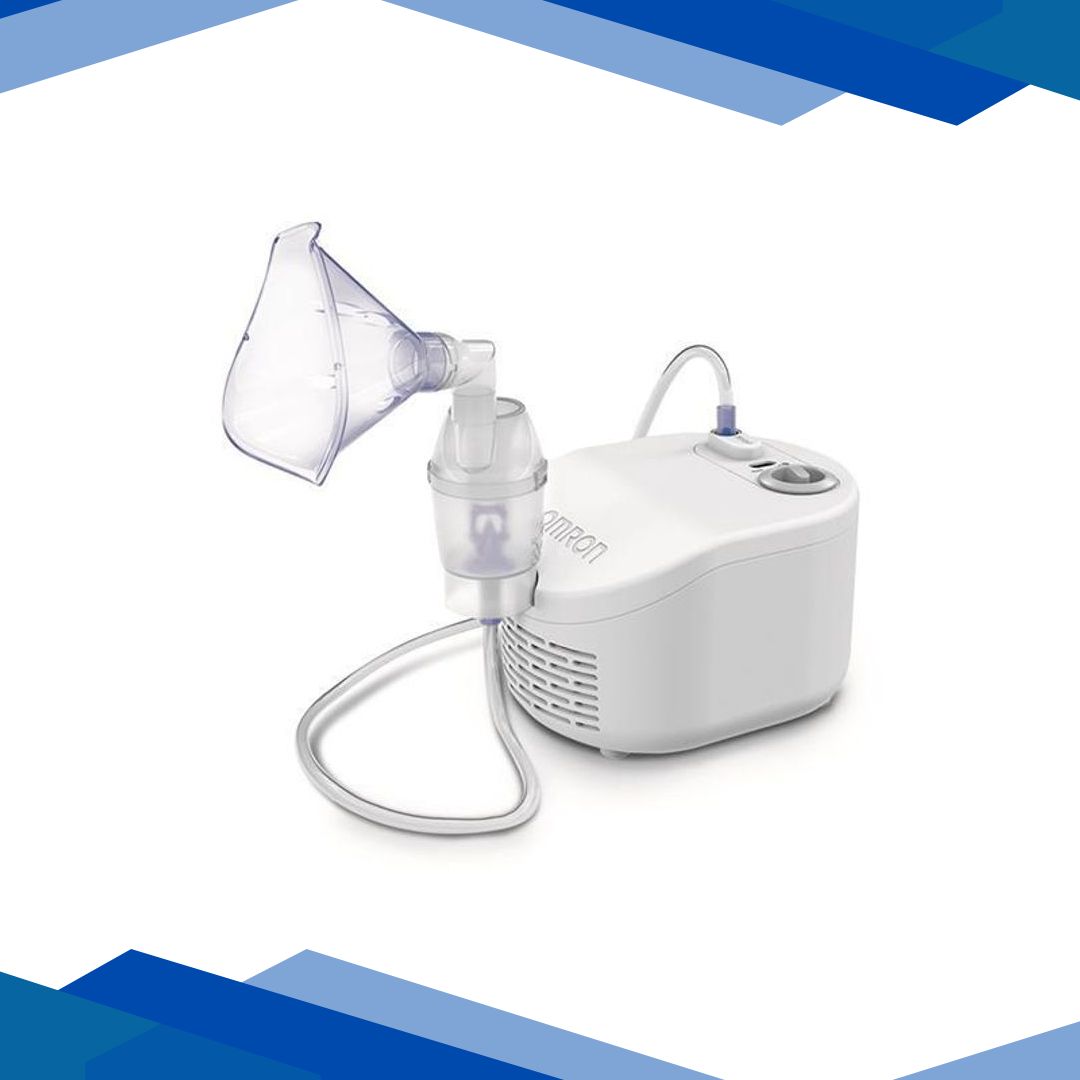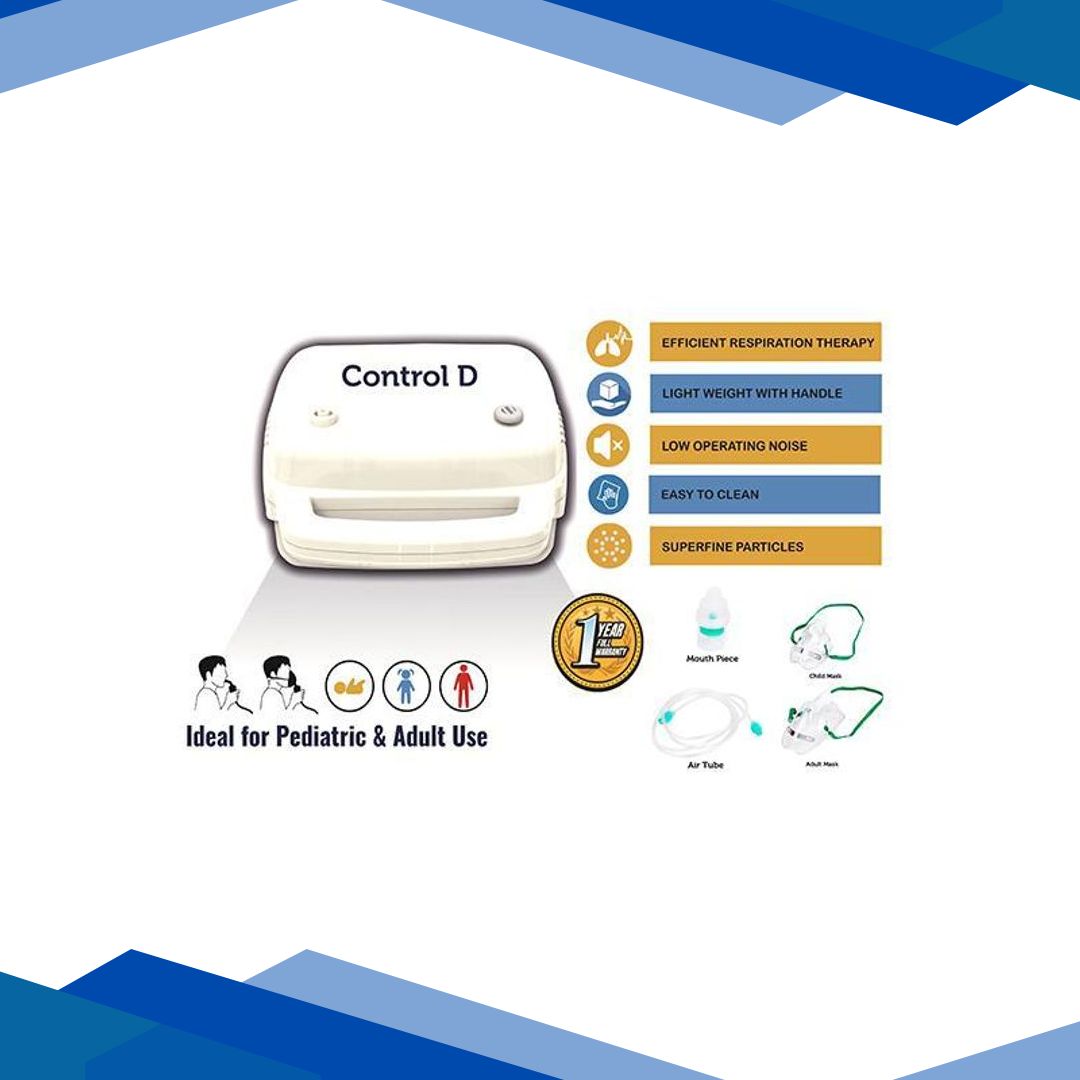
CONTROL D NEBULIZER
CONTROL D is a combination of B-complex vitamins and related nutrients used to support nerve health, energy production, and overall vitamin balance. It helps the body convert food into energy and supports the normal function and repair of nerves and tissues. Methylcobalamin, pyridoxine, thiamine, and nicotinamide work together to help correct or prevent vitamin deficiencies, while D panthenol supports metabolism and cell function. This medicine is commonly used in conditions related to poor nutrition, vitamin B deficiency, nerve weakness, tingling or numbness, and certain types of neuropathy. It may also be prescribed to help improve general weakness or fatigue when linked to low vitamin levels. Use only as advised by a healthcare professional.
Description
CONTROL D is a combination of vitamins that is commonly used to support nerve health, correct or prevent vitamin deficiencies, and help the body carry out essential metabolic functions. this medicine brings together several b-complex vitamins along with d-panthenol, which is related to vitamin b5. each ingredient plays a different but complementary role in maintaining normal nerve function, energy production, red blood cell formation, and healthy skin and tissues. because of this, it is often used when there is a need for nutritional support in conditions linked to poor diet, prolonged illness, increased vitamin requirements, or certain deficiency states.
methylcobalamin is an active form of vitamin b12 and is especially important for nerve integrity and the formation of blood cells. thiamine, pyridoxine, and nicotinamide are all essential b vitamins that help the body convert food into energy and support normal enzyme activity. d-panthenol is involved in the synthesis of coenzyme a, a substance needed for fatty acid metabolism and many cellular processes. together, these ingredients may help reduce symptoms caused by deficiency, such as weakness, fatigue, tingling, numbness, burning sensations, or poor nutritional status, depending on the underlying cause.
this medicine is not a painkiller in the usual sense, and it does not treat the root cause of every nerve-related problem. instead, it provides nutritional support that may help the body function better when vitamin levels are low or when the body has increased demand. it is often used as part of a broader treatment plan that may also include diet correction, treatment of the underlying medical condition, and other supportive measures. people with diabetes-related nerve issues, nutritional deficiencies, or recovery needs after illness may be advised to use it under medical supervision.
although these vitamins are generally well tolerated, the medicine should still be used carefully. taking more than needed does not always provide extra benefit, and in some situations high vitamin intake can cause side effects or interact with other medicines. it is best to use this product according to the advice of a doctor, pharmacist, or qualified healthcare professional, especially if you are pregnant, breastfeeding, taking other medicines, or have a chronic illness.
ingredients
- d panthenol: d-panthenol is a provitamin of vitamin b5 and helps the body support healthy metabolism and tissue repair processes. it contributes to the formation of coenzyme a, which is essential for breaking down carbohydrates, fats, and proteins. it is also associated with maintaining skin and mucosal health and may help support overall nutritional status.
- methylcobalamin: methylcobalamin is an active form of vitamin b12 that plays a major role in nerve function, myelin formation, and red blood cell production. it helps in dna synthesis and supports the maintenance and repair of nerve tissue. this ingredient is often included in products intended for neuropathic symptoms and confirmed or suspected vitamin b12 deficiency.
- nicotinamide: nicotinamide is a form of vitamin b3 that is important for cellular energy production and enzyme function. it supports the formation of nad and nadp, which are involved in many metabolic pathways. it is used to prevent or treat vitamin b3 deficiency and supports healthy skin, nerves, and digestive function.
- pyridoxine: pyridoxine is vitamin b6, which is required for protein metabolism, neurotransmitter synthesis, and hemoglobin formation. it helps the body produce substances such as serotonin, dopamine, and gamma-aminobutyric acid, all of which are important for nervous system function. it also supports the formation of red blood cells and normal immune function.
- thiamine: thiamine is vitamin b1 and is crucial for converting carbohydrates into usable energy. it supports the normal function of the heart, brain, and nerves. thiamine deficiency can affect the nervous system and cause fatigue, weakness, and in severe cases more serious neurological problems.
key uses
- prevention and treatment of vitamin b deficiency: this medicine is commonly used when the body does not get enough b vitamins from diet or when requirements are higher than normal. it helps restore adequate vitamin levels and supports normal body function.
- support in peripheral neuropathy: it may be used to support nerve health in conditions where nerves are irritated, damaged, or functioning poorly. this can be helpful in symptoms such as numbness, tingling, burning, or weakness, especially when vitamin deficiency contributes to the problem.
- nutritional support during recovery: people recovering from illness, poor appetite, prolonged stress, or increased nutritional demand may benefit from this combination as it helps the body maintain energy production and tissue repair.
- support in diabetes-related nerve issues: in some patients with diabetic neuropathy, b vitamins may be used as supportive therapy to help maintain nerve function. they do not replace blood sugar control but may be part of a broader care plan.
- correction of deficiency-related fatigue or weakness: when tiredness is related to poor vitamin intake or deficiency, this product may help improve overall nutritional support and energy metabolism. it is not a cure for all causes of fatigue, so the underlying reason should still be evaluated if symptoms persist.
- support for red blood cell formation and general metabolism: vitamins b12, b6, and b1 contribute to normal blood cell production and metabolic function. this can be especially important in people with low dietary intake or increased vitamin needs.
how to use
this medicine should be used exactly as advised by your healthcare professional or as directed on the product label. it is generally taken by mouth, and many people are instructed to take it after meals to reduce the chance of stomach upset. swallow the tablet or capsule whole with water unless your doctor or pharmacist tells you otherwise. if it is in another formulation, such as syrup or injection, follow the specific instructions for that form carefully.
the timing of use may depend on the reason it was prescribed. some people take it once daily, while others may use it more than once a day depending on nutritional need or deficiency severity. because this product contains b vitamins that support metabolism, some patients prefer taking it in the morning or with meals. do not change the dose or frequency on your own, even if you feel better, because deficiency may return if treatment is stopped too early. if you are taking other vitamin supplements, let your clinician know so that total vitamin intake can be reviewed and unnecessary duplication can be avoided.
for best results, this medicine is usually most effective as part of a wider approach that includes a balanced diet, treatment of any underlying illness, and lifestyle measures recommended by your healthcare provider. if symptoms such as numbness, tingling, weakness, or fatigue do not improve, or if they get worse, further medical evaluation may be needed because the symptoms may be caused by something other than vitamin deficiency.
safety information
- warnings: this medicine should not be used as a substitute for proper medical diagnosis. persistent nerve pain, numbness, anemia, extreme fatigue, or unexplained weakness should be assessed by a healthcare professional. taking high amounts of vitamin b6 for a long time may lead to nerve problems rather than improve them, so avoid exceeding the recommended amount. people with kidney disease, liver disease, or known vitamin sensitivities should use it cautiously and with medical advice.
- side effects: common side effects are usually mild and may include nausea, stomach discomfort, diarrhea, headache, or a general feeling of upset stomach. some people may notice a mild skin rash or changes in urine color, which can occur with certain vitamin preparations. serious reactions are uncommon but may include allergic reactions such as swelling, difficulty breathing, severe rash, or itching. if you experience unusual numbness, worsening burning sensations, or balance problems, seek medical advice promptly.
- precautions: use extra caution if you have a history of allergy to any vitamin preparation or excipients in the product. people with severe liver disease, kidney impairment, or malabsorption disorders should only use it under supervision. if you already take multivitamins, fortified supplements, or separate b-complex products, check for overlap to avoid unnecessary excess intake. do not use it to self-treat symptoms that could indicate a serious neurological or hematological disorder.
- pregnancy/breastfeeding: b vitamins are often important during pregnancy and breastfeeding, but the exact need and safest formulation should be confirmed by a healthcare professional. although these ingredients are generally considered compatible with pregnancy and lactation when used appropriately, self-medication is not recommended. a clinician should review the dose and make sure the total vitamin intake remains appropriate.
- interactions: vitamin b6 may interact with certain medicines, including some anti-seizure drugs, and may reduce their effectiveness or be affected by them. methylcobalamin absorption can be influenced by some stomach-acid reducing medicines and certain therapies that affect vitamin b12 levels. alcohol can worsen vitamin deficiency and may reduce the overall benefit of treatment. always inform your doctor or pharmacist about prescription medicines, over-the-counter products, herbal supplements, and regular alcohol intake before starting this medicine.
additional information
- storage: store in a cool, dry place away from direct sunlight and moisture. keep the medicine in its original container and out of reach of children. do not store it in a bathroom or near a heat source unless the product label specifically allows it.
- missed dose: if you miss a dose, take it when you remember unless it is almost time for the next dose. if the next dose is due soon, skip the missed one and continue your regular schedule. do not double the dose to make up for a missed dose unless your healthcare professional specifically instructs you to do so.
- overdose: taking too much may cause stomach upset, vomiting, dizziness, or other unwanted effects. repeated excessive intake, especially of vitamin b6, may increase the risk of nerve-related side effects. if an overdose is suspected, stop using the product and contact a doctor, poison control center, or emergency service, especially if there are severe symptoms or an allergic reaction.
- habit forming: no. this medicine is not known to be habit forming or addictive. however, some people may continue using vitamin supplements unnecessarily if they feel they “need” them, so ongoing use should be reviewed periodically by a healthcare professional.
frequently asked questions
Q: what is CONTROL D used for?
A: it is used to support nerve health, correct or prevent certain vitamin deficiencies, and help the body maintain normal energy metabolism and red blood cell formation. it is often recommended when a person has low b vitamin intake or deficiency-related symptoms such as weakness, tingling, or fatigue.
Q: can this medicine relieve nerve pain?
A: it may help when nerve symptoms are related to vitamin deficiency or when vitamins are being used as supportive care for nerve health. however, it is not a direct painkiller and may not relieve all kinds of nerve pain. a doctor should evaluate the cause of the symptoms.
Q: how long does it take to work?
A: the response depends on the reason it is being used, the severity of deficiency, and the person's overall health. some people notice gradual improvement over days to weeks, while nerve-related symptoms may take longer. if there is no improvement, medical review is important.
Q: can i take it with food?
A: yes, it is commonly taken after meals or with food to reduce stomach discomfort. if your doctor gives different instructions, follow those instead.
Q: are there any side effects?
A: most people tolerate it well, but some may experience mild stomach upset, nausea, headache, or diarrhea. rarely, allergic reactions or problems related to long-term excessive vitamin intake can occur.
Q: is it safe during pregnancy?
A: b vitamins are important in pregnancy, but the correct product and dose should be chosen by a healthcare professional. do not start or continue it during pregnancy without medical advice.
Q: can alcohol affect this medicine?
A: yes. alcohol can contribute to vitamin deficiency and may reduce the overall benefit of treatment. it is best to limit alcohol and discuss your intake with a clinician.
Q: can i take it with other multivitamins?
A: sometimes yes, but only after checking the total amount of each vitamin. taking multiple supplements together can lead to unnecessary duplication, especially of vitamin b6 or b12.
Q: who should be careful before using this medicine?
A: people with kidney or liver disease, vitamin allergies, unexplained numbness, severe fatigue, or those taking several medicines should use it cautiously and seek professional advice.
Q: what should i do if symptoms do not improve?
A: if symptoms persist or worsen, contact a healthcare professional. the issue may not be due to vitamin deficiency, and further testing may be needed.
this information is for educational purposes only and should not be considered medical advice. always consult a qualified healthcare professional before use.
At Gem Pharmacy, we make every effort to provide accurate, expert-written, and thoroughly reviewed information related to medicines. However, this information should not be considered a substitute for professional medical advice, diagnosis, or treatment from a qualified doctor.
The purpose of this information is to educate users and improve communication between patients and healthcare professionals. It should not be used to diagnose or treat any condition.
Always consult a certified healthcare professional before taking any medication.


Related products

Coronation Nebulizer – Mini
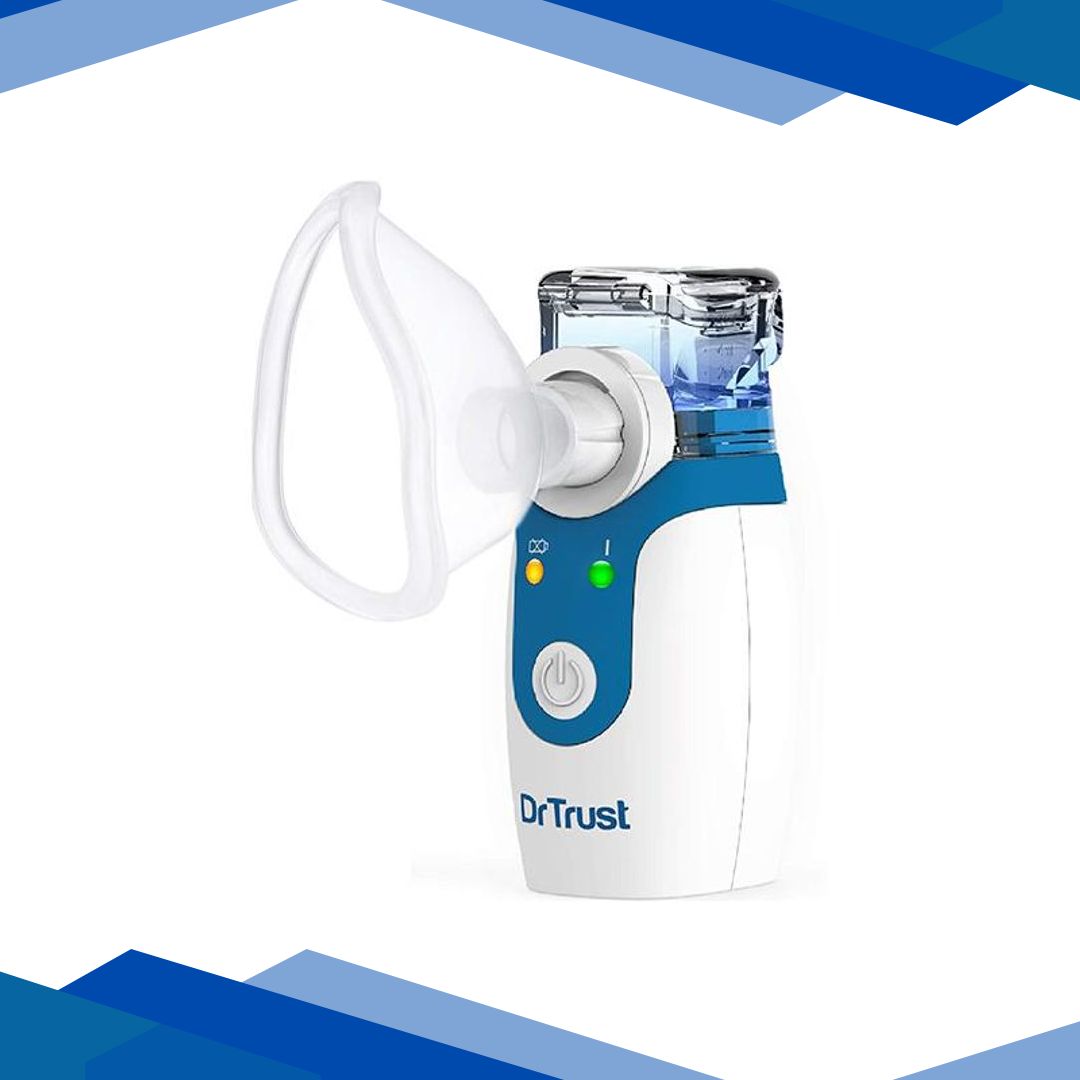
Dr Trust Portable Mesh Nebulizer for Kids and Adults (404) – White