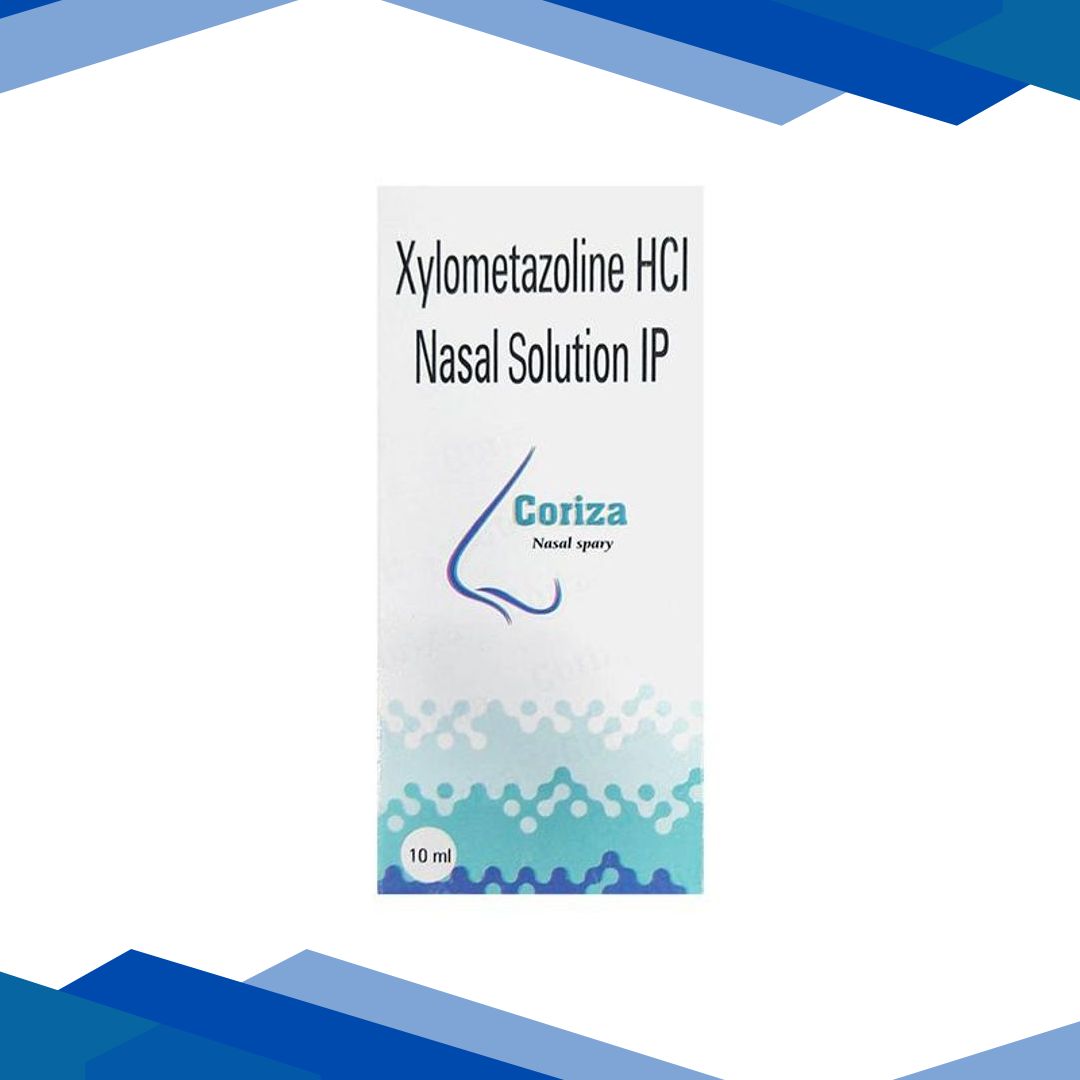
CORIZA Nasal Spray 10ml
❌ Due to high demand, this product is currently out of stock. New stock will be available shortly.
👉 Click here to Buy Same Salt medicine
CORIZA Nasal Spray is a combination medicine used to relieve cough and nasal congestion caused by respiratory conditions such as colds, sinus irritation, or bronchitis. BROMHEXINE works by thinning and loosening thick mucus in the airways, making it easier to cough out and helping clear the chest. PSEUDOEPHEDRINE helps reduce a blocked nose by narrowing swollen blood vessels in the nasal passages, which decreases congestion and improves breathing. Together, this medicine is often used when a cough is accompanied by a stuffy nose or mucus buildup. It may help make breathing more comfortable and ease symptoms of chest and nasal congestion. It should be used as advised by a healthcare professional, especially in people with certain medical conditions.
Description
CORIZA Nasal Spray is a combination medicine commonly used to help relieve symptoms of respiratory conditions where mucus congestion and nasal blockage occur together. it brings together two active components that work in different but complementary ways: bromhexine helps loosen and thin thick mucus in the airways, while pseudoephedrine helps reduce swelling in the nasal passages and sinuses. because of this dual action, the medicine is often used when a cough is accompanied by chest congestion, a blocked nose, or a feeling of pressure in the sinuses.
bromhexine is a mucolytic agent. it works by reducing the thickness and stickiness of mucus, making it easier to cough out and clear from the respiratory tract. this can be especially helpful in conditions where phlegm is difficult to expel and causes discomfort, noisy breathing, or a productive cough. by improving mucus clearance, bromhexine may help make breathing feel less heavy and may support the body’s natural airway-cleaning process.
pseudoephedrine is a decongestant. it works by narrowing swollen blood vessels in the lining of the nose and sinuses, which helps reduce swelling and opens the nasal passages. this can improve airflow through the nose and relieve stuffiness, pressure, and congestion. the combination is generally intended for short-term symptomatic relief and is not a cure for the underlying cause of illness, such as viral infection, allergy, or inflammation.
this medicine is typically suitable for people who have symptoms such as thick mucus, cough with phlegm, chest congestion, blocked nose, or sinus fullness. it may be recommended in respiratory tract infections, colds, or other conditions where mucus and congestion are both present. however, because pseudoephedrine can affect blood pressure, heart rate, and the nervous system, it is not appropriate for everyone. people with certain heart, blood pressure, thyroid, prostate, or eye conditions should use it only under medical advice.
ingredients
- bromhexine: bromhexine is the mucus-thinning component of this medicine. it breaks down the structure of thick secretions in the airways, making mucus less sticky and easier to cough up. this can help clear the chest, reduce the sensation of blockage, and support more effective coughing when phlegm is difficult to move.
- pseudoephedrine: pseudoephedrine is a nasal decongestant that reduces swelling in the blood vessels of the nose and sinuses. by decreasing tissue congestion, it helps open the air passages, ease nasal blockage, and relieve sinus pressure. it may also reduce the discomfort that often comes with colds or allergy-related congestion.
key uses
- relief of chest congestion: helps loosen thick mucus in the respiratory tract so it can be cleared more easily, which may reduce heaviness in the chest and improve comfort when coughing up phlegm.
- blocked nose and sinus congestion: pseudoephedrine helps reduce swelling inside the nose, improving airflow and easing the sensation of stuffiness and pressure.
- productive cough with sticky phlegm: bromhexine is useful when cough is associated with difficult-to-expectorate mucus, helping make coughs more effective in clearing secretions.
- congestion during common cold or upper respiratory infections: may provide symptom relief when a cold causes both mucus build-up and nasal blockage, though it does not treat the infection itself.
- sinus-related discomfort due to congestion: by reducing nasal swelling, pseudoephedrine can help lessen sinus pressure and improve breathing through the nose.
how to use
CORIZA Nasal Spray should be used exactly as directed on the product label or by a healthcare professional. it is usually taken by mouth, and many formulations are best taken after food if stomach upset occurs. swallow tablets or capsules with a glass of water, and if the product is a syrup or liquid, measure it carefully using a proper measuring spoon or cup rather than a household spoon. do not take more than recommended, and do not use it for longer than advised, especially because decongestants are generally intended for short-term relief.
the timing of doses may depend on the formulation and the person’s symptoms. since pseudoephedrine can sometimes cause restlessness or difficulty sleeping, many people prefer to avoid taking it close to bedtime unless a clinician specifically advises otherwise. if symptoms persist for several days, worsen, or are accompanied by high fever, severe sore throat, shortness of breath, chest pain, or colored sputum that suggests a more serious infection, medical evaluation is important. this medicine only treats symptoms and should not replace proper diagnosis when illness is persistent or severe.
drink adequate fluids unless a doctor has restricted fluid intake for another reason. hydration can help support mucus thinning and comfort. if you are using other cold, allergy, or cough products, check the active ingredients carefully to avoid accidental duplication, particularly with decongestants or other stimulants. if you are unsure how to take the medicine correctly, consult a pharmacist or doctor before starting.
safety information
- warnings: pseudoephedrine can raise blood pressure and heart rate and may cause nervousness, shakiness, or insomnia in some people. it should be used cautiously in people with hypertension, heart disease, arrhythmias, diabetes, hyperthyroidism, glaucoma, or prostate enlargement. do not combine it with other decongestants unless advised by a clinician. seek medical help promptly if you develop chest pain, severe palpitations, trouble breathing, severe dizziness, or an allergic reaction.
- side effects: common side effects may include dry mouth, headache, mild dizziness, nausea, stomach upset, restlessness, tremor, and difficulty sleeping. less common but serious effects can include marked increases in blood pressure, rapid heartbeat, irregular heartbeat, urinary retention, severe agitation, or allergic reactions such as rash, swelling, or breathing difficulty.
- precautions: people who should avoid or use only with medical advice include those with uncontrolled high blood pressure, coronary artery disease, history of stroke, serious rhythm problems, glaucoma, overactive thyroid, severe kidney disease, enlarged prostate, or a history of sensitivity to either ingredient. use extra caution in older adults, as they may be more sensitive to stimulant and cardiovascular effects.
- pregnancy/breastfeeding: use during pregnancy or breastfeeding should be discussed with a healthcare professional. pseudoephedrine may not be suitable for everyone during pregnancy, and it can potentially reduce breast milk supply in some people who are breastfeeding. a clinician can help determine whether the benefits outweigh the risks.
- interactions: this medicine may interact with monoamine oxidase inhibitors (maois) and should not be used with them or soon after stopping them. caution is also needed with other stimulants, some antidepressants, blood pressure medicines, heart medicines, and other cold or allergy products containing decongestants. alcohol may worsen dizziness or other side effects in some people. always tell your healthcare provider about all prescription medicines, over-the-counter products, and herbal supplements you use.
additional information
- storage: store in a cool, dry place away from direct sunlight, heat, and moisture. keep the medicine in its original container, tightly closed, and out of reach of children. do not use it after the expiration date.
- missed dose: if a dose is missed, take it when you remember unless it is almost time for the next dose. if it is close to the next scheduled dose, skip the missed dose and continue as directed. do not take extra medicine to make up for a missed dose.
- overdose: an overdose may cause severe restlessness, tremor, fast heartbeat, high blood pressure, headache, agitation, confusion, nausea, vomiting, or, in serious cases, seizures, chest pain, or dangerous heart rhythm changes. if an overdose is suspected, seek emergency medical help immediately or contact poison control right away.
- habit forming: no, this medicine is not considered habit forming in the usual sense. however, pseudoephedrine can cause stimulant-like effects and should still be used responsibly and only as directed to avoid misuse or unwanted side effects.
frequently asked questions
Q: what is CORIZA Nasal Spray used for?
A: it is used to relieve symptoms of cough with thick mucus and nasal congestion. bromhexine helps loosen phlegm, while pseudoephedrine helps open blocked nasal passages.
Q: can i take CORIZA Nasal Spray with food?
A: yes, it is commonly taken with or after food if it causes stomach upset. if your label or doctor gives different instructions, follow those directions.
Q: does this medicine treat the cause of a cold?
A: no, it mainly helps with symptom relief. it may make congestion and mucus easier to manage, but it does not cure viral infections or allergies.
Q: can CORIZA Nasal Spray cause insomnia?
A: yes. pseudoephedrine can make some people feel restless or interfere with sleep, especially if taken late in the day. taking it earlier may help, if appropriate for your formulation.
Q: who should be careful before using this medicine?
A: people with high blood pressure, heart disease, thyroid problems, glaucoma, prostate enlargement, diabetes, or those taking mao inhibitors should consult a healthcare professional before use.
Q: is it safe to use with other cold medicines?
A: not always. many cold products contain decongestants or similar ingredients, which can increase the risk of side effects or accidental overdose. check labels carefully or ask a pharmacist.
Q: can this medicine raise blood pressure?
A: yes, pseudoephedrine may raise blood pressure or heart rate in some people. those with hypertension or heart problems should use it only under medical advice.
Q: what should i do if symptoms do not improve?
A: if symptoms persist, become severe, or are accompanied by fever, breathing difficulty, chest pain, or worsening cough, seek medical advice. you may need a different treatment or an evaluation for another condition.
this information is for educational purposes only and should not be considered medical advice. always consult a qualified healthcare professional before use.
At Gem Pharmacy, we make every effort to provide accurate, expert-written, and thoroughly reviewed information related to medicines. However, this information should not be considered a substitute for professional medical advice, diagnosis, or treatment from a qualified doctor.
The purpose of this information is to educate users and improve communication between patients and healthcare professionals. It should not be used to diagnose or treat any condition.
Always consult a certified healthcare professional before taking any medication.


Related products

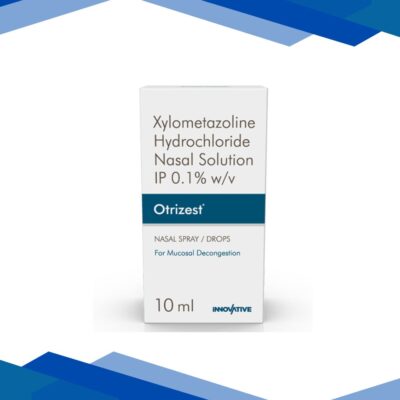
OTRIZEST 0.1% Nasal Spray 10ml