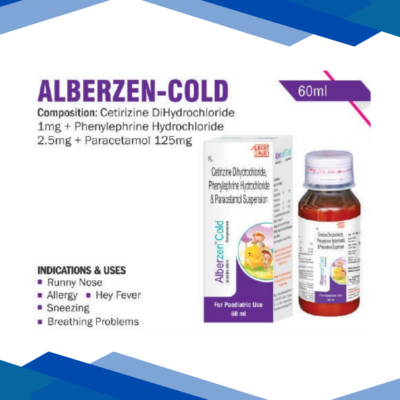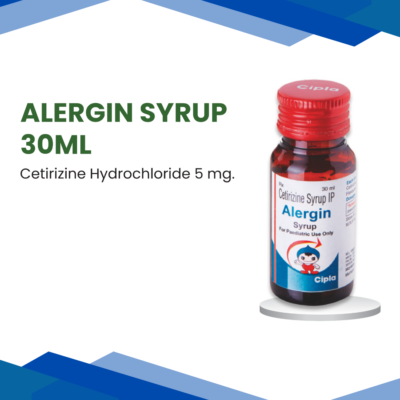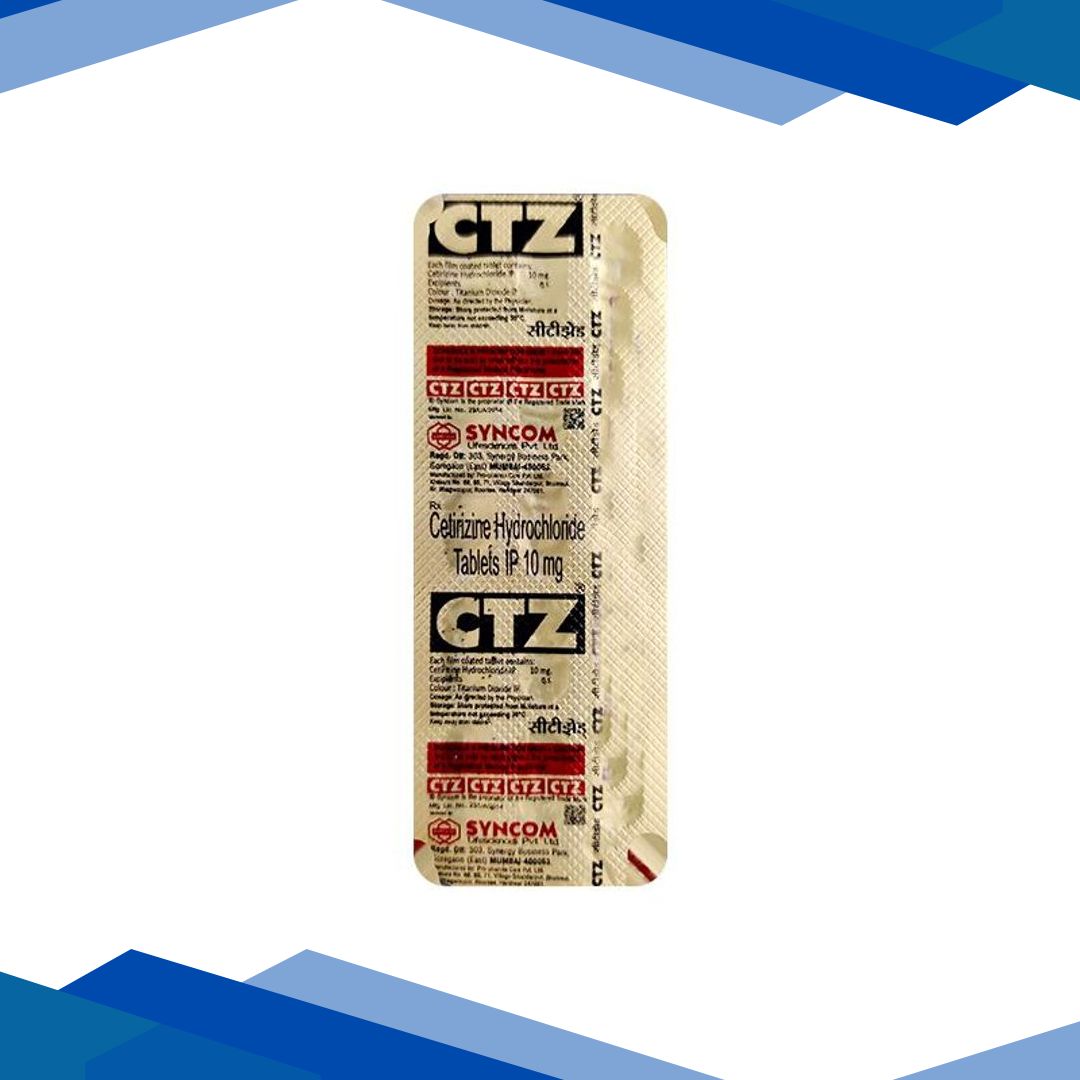
CTZ Tablet 15’s
❌ Due to high demand, this product is currently out of stock. New stock will be available shortly.
👉 Click here to Buy Same Salt medicine
CTZ Tablet is a combination medicine used to help relieve cough with mucus and allergy-related symptoms. Ambroxol Hydrochloride works by thinning thick mucus in the airways, making it easier to cough out. Guaiphenesin helps loosen and clear chest congestion by increasing the fluid in mucus, while Levocetirizine reduces allergy symptoms such as sneezing, runny nose, and watery eyes. Together, this medicine is commonly used for cough, cold, bronchitis, and other respiratory conditions where mucus buildup and allergies are present. It helps make breathing more comfortable and supports easier mucus removal. Since it may cause drowsiness in some people, it should be used with care and as advised by a healthcare professional.
Description
CTZ Tablet is a combination medicine commonly used to help relieve cough and breathing discomfort when these symptoms are associated with excess mucus, throat irritation, or allergic features such as sneezing and runny nose. it brings together three different ingredients that work in complementary ways: one helps loosen thick mucus, one helps make mucus easier to cough out, and one helps reduce allergy-related symptoms that often worsen cough and congestion. because of this combined action, it is often selected when a person has a productive cough along with nasal or throat irritation, especially when allergies or upper respiratory inflammation are contributing factors.
ambroxol hydrochloride acts as a mucolytic, meaning it breaks down and thins mucus so it becomes less sticky and easier to clear from the airways. guaiphenesin is an expectorant that helps increase the water content of bronchial secretions, which can improve mucus clearance when coughing. levocetirizine is an antihistamine that reduces histamine-driven symptoms such as sneezing, watery eyes, itchy nose, and runny nose, and may also help calm irritation that can trigger coughing. together, these ingredients are designed to improve comfort and support the natural clearing of mucus, but they do not treat the underlying cause of infection if one is present.
this medicine may be useful for adults and older children when prescribed or recommended by a healthcare professional for symptoms of cough with mucus, chest congestion, allergic rhinitis, or mixed respiratory symptoms. it is important to understand that not every cough should be treated the same way. a dry cough, chronic cough, cough with fever, shortness of breath, wheezing, chest pain, or coughing up blood may signal a more serious condition and should be evaluated by a clinician. also, because levocetirizine can cause drowsiness in some people, the medicine may affect alertness and should be used carefully when driving or operating machinery.
ingredients
- ambroxol hydrochloride: ambroxol is a mucolytic agent that helps thin and loosen thick mucus in the respiratory tract. by reducing mucus viscosity, it allows secretions to move more freely through the airways and be expelled more easily through coughing. this can be especially helpful in conditions where mucus becomes dense, sticky, or difficult to clear, leading to chest congestion and a blocked feeling in the chest.
- guaiphenesin: guaiphenesin is an expectorant that supports productive cough by increasing the hydration of airway secretions. it helps loosen phlegm and makes coughing more effective in clearing mucus from the lungs and bronchi. it is generally used when mucus is present and the goal is to make cough more useful rather than suppress it.
- levocetirizine: levocetirizine is a second-generation antihistamine that blocks the effects of histamine, a chemical involved in allergic responses. it helps reduce sneezing, runny nose, watery eyes, itching, and post-nasal irritation that can contribute to cough. compared with older antihistamines, it is usually less sedating, though drowsiness can still occur in some people.
- excipients: the formulation may also contain inactive ingredients such as sweeteners, flavoring agents, preservatives, stabilizers, and solvents depending on whether it is a tablet, capsule, or syrup. these ingredients do not provide the therapeutic effect but help with stability, taste, and administration.
key uses
- productive cough with thick mucus: this combination can help when cough is accompanied by sticky phlegm that is hard to bring up. ambroxol and guaiphenesin work together to loosen secretions and make coughing more effective.
- chest congestion: it may be used to relieve a heavy or congested feeling in the chest caused by excess mucus in the airways. by improving mucus clearance, breathing may feel easier and less blocked.
- allergic cough and nasal symptoms: levocetirizine can reduce allergy-related triggers such as post-nasal drip, runny nose, sneezing, and throat irritation, which may indirectly reduce coughing.
- upper respiratory tract symptoms with mucus: the medicine may be prescribed when a person has a combination of cough, mucus, and nasal allergy symptoms, particularly in seasonal or environmental allergies.
- supportive treatment in common cold-related cough: in some cases, it may be used to manage cough and congestion symptoms associated with viral upper respiratory infections, though it does not cure the infection itself.
how to use
CTZ Tablet should be used exactly as directed by a healthcare professional or according to the instructions on the product label. it is usually taken by mouth, and the timing may vary depending on the formulation and the severity of symptoms. some people may prefer taking it after food if it causes stomach discomfort, although the specific product instructions should always be followed. if it is a syrup, it should be measured with a proper measuring cup, spoon, or oral syringe rather than a household spoon to ensure accuracy.
because this medicine may cause drowsiness in some people due to levocetirizine, it is sensible to avoid activities requiring full alertness until you know how your body responds. staying well hydrated may help guaiphenesin work more effectively, as it helps loosen mucus and supports easier expectoration. do not take more than recommended, and do not combine it with other cough, cold, or allergy products unless advised by a healthcare professional, since many such products contain similar ingredients and can increase the risk of side effects or accidental overdose.
if symptoms do not improve within a reasonable time, or if they worsen, seek medical advice. persistent cough can be caused by asthma, bronchitis, pneumonia, sinus disease, smoking, gastroesophageal reflux, or other conditions that need specific treatment. this medicine is meant for symptom relief and should not replace evaluation when warning signs are present.
safety information
- warnings: use with caution in people with asthma, chronic bronchitis, emphysema, liver or kidney problems, glaucoma, urinary retention, or a history of severe allergies. if cough is accompanied by high fever, chest pain, breathlessness, wheezing, green or bloody sputum, or lasts for a long time, medical assessment is important. do not use it to suppress a cough that is helping clear mucus unless a clinician specifically recommends it.
- side effects: common side effects may include drowsiness, dizziness, dry mouth, nausea, stomach upset, vomiting, headache, throat irritation, or mild diarrhea. some people may notice increased coughing at first as mucus becomes looser and easier to expel. serious side effects are uncommon but may include allergic reactions, rash, swelling of the face or throat, severe dizziness, difficulty breathing, fast heartbeat, or unusual confusion. seek urgent medical help if severe symptoms occur.
- precautions: people who have kidney impairment may need special caution because levocetirizine is cleared through the kidneys. those with a history of hypersensitivity to antihistamines or any component of the product should avoid it. elderly individuals may be more sensitive to sedating effects and dizziness, which can increase fall risk. use caution in people who have difficulty urinating, enlarged prostate, or conditions that can be worsened by antihistamines.
- pregnancy/breastfeeding: safety in pregnancy depends on the individual situation and medical judgment. some components may be used only if the expected benefit outweighs possible risk. during breastfeeding, levocetirizine and other ingredients may pass into breast milk in small amounts and could affect a nursing infant or milk supply in some cases. a healthcare professional should be consulted before use during pregnancy or lactation.
- interactions: alcohol can increase drowsiness and impair coordination when combined with levocetirizine. sedatives, sleeping tablets, opioids, anxiety medicines, and other antihistamines may add to sleepiness or reduced alertness. tell your healthcare provider about all medicines you take, including cough/cold remedies, allergy products, and supplements, to avoid duplication and interactions. if you take medicines for kidney disease or conditions that may cause sedation, extra caution is needed.
additional information
- storage: store the medicine in a cool, dry place away from direct sunlight, heat, and moisture. keep it in its original container and out of reach of children. do not freeze liquid formulations unless the label specifically says it is allowed. always check the expiration date and discard expired medicine appropriately.
- missed dose: if you miss a dose, take it when you remember unless it is almost time for the next scheduled dose. if the next dose is near, skip the missed dose and continue with your regular schedule. do not double the dose to make up for a missed one, as this can increase the risk of side effects.
- overdose: taking too much may lead to pronounced drowsiness, agitation, vomiting, dizziness, rapid heartbeat, or other symptoms depending on the amount taken and the person’s health status. in severe cases, overdose may require urgent medical attention. if an overdose is suspected, contact a poison control center or seek emergency help immediately, even if symptoms are not yet severe.
- habit forming: no, this medicine is not considered habit forming. it does not contain an addictive substance and is not known to cause dependence. however, it should still be used only as directed because misuse can lead to side effects, poor symptom control, or masking of a more serious condition.
frequently asked questions
Q: what is CTZ Tablet used for?
A: it is commonly used for cough with mucus, chest congestion, and allergy-related symptoms such as sneezing, runny nose, and throat irritation. the combination helps loosen mucus, improve expectoration, and reduce histamine-driven allergic discomfort.
Q: does this medicine stop cough completely?
A: not always. it is more useful for a cough associated with mucus or allergies. it helps make mucus easier to clear and may reduce irritation, but the cough may persist if the underlying cause is still present.
Q: can it cause sleepiness?
A: yes. levocetirizine can cause drowsiness in some people, even though it is generally less sedating than older antihistamines. avoid alcohol and be careful with driving or tasks that need alertness until you know how it affects you.
Q: should i take it with food or on an empty stomach?
A: this depends on the specific product instructions and how your stomach tolerates it. some people take it after food to reduce stomach upset. if the label or your healthcare professional gives specific directions, follow those instructions.
Q: can i take it with other cold or allergy medicines?
A: you should be careful, because many cold and allergy products contain similar ingredients. combining them can increase drowsiness or cause accidental overdose. check labels or ask a pharmacist before using multiple products together.
Q: is it safe for children?
A: safety depends on the child’s age, weight, symptoms, and the product formulation. some preparations are not suitable for young children. a pediatrician or pharmacist should confirm whether it is appropriate for a child.
Q: what if my cough is dry rather than productive?
A: this medicine is generally more suitable for cough with mucus or allergic symptoms. a dry cough may need a different approach depending on the cause. if you are unsure, consult a healthcare professional before using it.
Q: can i drink alcohol while taking it?
A: it is best to avoid alcohol because it may increase drowsiness, dizziness, and reduced coordination, especially due to levocetirizine. alcohol may also worsen dehydration, which is not ideal when mucus is thick.
Q: what symptoms mean i should see a doctor?
A: seek medical attention if you have trouble breathing, wheezing, high fever, chest pain, coughing up blood, severe weakness, or if the cough lasts a long time or keeps returning. these may indicate a condition that needs proper diagnosis and treatment.
Q: will this medicine treat an infection?
A: no, it does not cure bacterial or viral infections. it may relieve symptoms such as mucus, congestion, and allergy-related irritation, but an infection may still require other treatment depending on the cause.
this information is for educational purposes only and should not be considered medical advice. always consult a qualified healthcare professional before use.
At Gem Pharmacy, we make every effort to provide accurate, expert-written, and thoroughly reviewed information related to medicines. However, this information should not be considered a substitute for professional medical advice, diagnosis, or treatment from a qualified doctor.
The purpose of this information is to educate users and improve communication between patients and healthcare professionals. It should not be used to diagnose or treat any condition.
Always consult a certified healthcare professional before taking any medication.


Related products