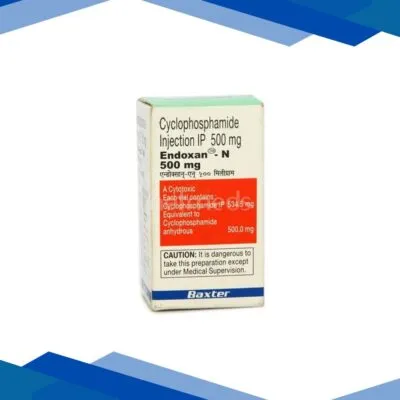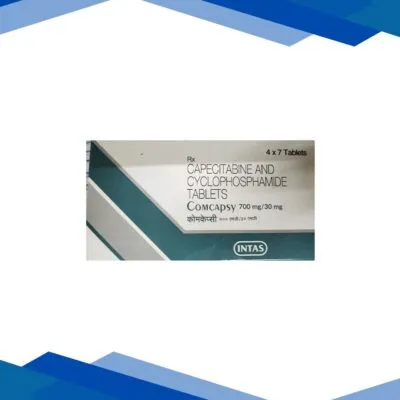
CYPHOS 500mg Injection 1’s
❌ Due to high demand, this product is currently out of stock. New stock will be available shortly.
👉 Click here to Buy Same Salt medicine
CYPHOS 500mg Injection is a combination cancer medicine used under medical supervision to help treat certain types of cancer. CAPECITABINE is an anticancer drug that changes into 5-fluorouracil in the body, where it helps stop cancer cells from making the DNA they need to grow and divide. CYCLOPHOSPHAMIDE is a chemotherapy medicine that damages the DNA of rapidly growing cells, slowing or stopping cancer growth. Together, these medicines may be used in some cancers to improve treatment response. This combination is mainly prescribed for selected breast cancer cases and other cancers as decided by an oncologist. It is given as part of a cancer treatment plan and should be used only when recommended by a healthcare professional, as cancer medicines can affect both cancer cells and healthy cells.
Description
CYPHOS 500mg Injection is a cancer treatment combination used under the supervision of an oncology specialist. it brings together two antineoplastic medicines that work in different ways to slow or stop the growth of cancer cells. this combination is generally considered in situations where a doctor believes that using more than one chemotherapy medicine may improve treatment response, help control disease progression, or support a specific treatment plan tailored to the patient’s cancer type, overall health, and previous treatments. because cancer therapy must be individualized, this combination should only be used exactly as directed by a qualified healthcare professional.
capecitabine is an oral prodrug that is converted in the body into 5-fluorouracil, a medicine that interferes with the ability of cancer cells to make dna and divide. cyclophosphamide is an alkylating agent that damages the genetic material of rapidly dividing cells, making it harder for them to survive and multiply. when used together, these medicines may offer complementary anticancer effects, meaning they attack cancer cells through different mechanisms. this can be useful in certain breast and other solid tumor treatment strategies, depending on the treatment goal and the patient’s response history.
although this combination can be effective, it is also associated with significant risks because chemotherapy affects not only cancer cells but also healthy fast-growing cells such as those in the bone marrow, digestive tract, hair follicles, and reproductive tissues. as a result, patients may experience side effects ranging from mild nausea or fatigue to serious problems such as low blood counts, severe infection, bleeding, dehydration, or organ toxicity. careful monitoring with blood tests, symptom checks, and ongoing medical supervision is essential throughout therapy.
this medicine is generally intended for adults with specific cancer diagnoses as determined by an oncologist. it is not a self-care treatment and should not be started, stopped, or adjusted without medical advice. supportive medications, hydration, infection precautions, and dose modifications may be needed to help improve safety and tolerability during treatment.
ingredients
- capecitabine: capecitabine is an oral chemotherapy medicine that is converted in the body to 5-fluorouracil, especially within tumor tissues. it helps prevent cancer cells from making and repairing dna, which slows their growth and promotes cell death. its main role in this combination is to provide antimetabolite activity against rapidly dividing malignant cells.
- cyclophosphamide: cyclophosphamide is an alkylating agent that becomes active after metabolism in the liver. it works by attaching to cancer cell dna and causing cross-linking, which disrupts the cell’s ability to replicate and survive. it is widely used in oncology because of its broad activity against several types of cancers and its ability to enhance combination treatment regimens.
- inactive ingredients: the exact inactive ingredients depend on the manufacturer and dosage form. these components do not treat cancer directly, but they help with tablet stability, absorption, manufacturing, and packaging. patients with allergies or sensitivities should review the product-specific label or ask a pharmacist for details.
key uses
- breast cancer treatment: this combination may be used in certain breast cancer cases, especially when a doctor wants an oral chemotherapy approach or a specific multi-drug regimen. it may help slow tumor growth or reduce the chance of progression in selected patients.
- other solid tumors: depending on local treatment guidelines and clinical judgment, capecitabine and cyclophosphamide may be used in some other cancers where combination chemotherapy is appropriate. the exact indication varies by cancer type, stage, and prior treatment history.
- disease control when standard options are limited: in some patients, this combination may be considered when other treatments are not suitable, not tolerated, or have not worked well enough. the goal may be to control disease, reduce symptoms, or maintain quality of life.
how to use
CYPHOS 500mg Injection should be taken only according to the oncology team’s instructions, because the schedule, treatment cycle length, and monitoring needs can vary widely. capecitabine is usually taken by mouth and is commonly associated with defined treatment periods and rest periods, while cyclophosphamide may be given orally in some regimens or as directed in the prescribed form. the tablets should be swallowed as instructed, generally with water, and patients should follow the exact timing, food instructions, and cycle plan given by their doctor.
it is important to take this medicine consistently and to avoid taking extra doses if one is missed unless a healthcare professional specifically advises it. if vomiting occurs after a dose, patients should not automatically repeat the dose without guidance. chemotherapy medicines can be dangerous if taken incorrectly, so all instructions on the prescription label, patient information leaflet, and oncology care plan should be reviewed carefully. regular blood tests and follow-up visits are often necessary to monitor white blood cells, platelets, liver function, kidney function, and overall tolerance.
patients should also drink adequate fluids unless told otherwise, because dehydration can worsen side effects and affect tolerance. since capecitabine can be absorbed differently depending on the regimen, food-related instructions should be followed carefully. many patients are advised to contact the care team immediately if they develop fever, severe diarrhea, mouth sores, chest pain, shortness of breath, unusual bruising, or persistent vomiting, because these can be signs of serious toxicity or infection.
safety information
- warnings: CYPHOS 500mg Injection can cause serious bone marrow suppression, leading to low white blood cells, red blood cells, and platelets. this increases the risk of infection, anemia, and bleeding. severe diarrhea, dehydration, mucositis, hand-foot syndrome, liver toxicity, kidney problems, and rare but serious heart complications may occur, especially with capecitabine. cyclophosphamide may also irritate the bladder and, in some cases, cause hemorrhagic cystitis. any fever, blood in urine, uncontrolled vomiting, severe weakness, or signs of infection should be reported immediately.
- side effects: common side effects may include nausea, vomiting, diarrhea, reduced appetite, fatigue, mouth sores, abdominal discomfort, hair thinning, hand-foot skin reaction, and temporary changes in blood counts. serious side effects can include severe infection, bleeding, chest pain, shortness of breath, heart rhythm problems, liver injury, kidney impairment, severe skin reactions, confusion, or symptoms of bladder irritation such as pain or blood in the urine.
- precautions: this medicine should be used with extra caution in people with low blood counts, liver disease, kidney disease, heart disease, dehydration, active infections, or a history of severe reactions to chemotherapy. it may not be appropriate for patients with certain enzyme deficiencies, poor general health, or major uncontrolled medical conditions. older adults may be more sensitive to adverse effects and may need closer monitoring.
- pregnancy/breastfeeding: CYPHOS 500mg Injection can harm an unborn baby and should not be used during pregnancy unless a specialist determines the potential benefit outweighs the risk. effective contraception is usually required during treatment and for a period after the last dose, as advised by the oncologist. breastfeeding is generally not recommended during treatment because the medicines may pass into breast milk and could harm a nursing infant.
- interactions: important drug interactions may occur with anticoagulants such as warfarin, certain antivirals, other chemotherapy agents, and medicines that affect kidney or liver function. capecitabine may increase the effect of warfarin and related blood thinners, raising bleeding risk. alcohol may worsen dehydration, stomach irritation, or liver strain, so patients should ask their doctor whether alcohol is safe during therapy. all prescription drugs, over-the-counter medicines, vitamins, and herbal supplements should be reviewed before treatment begins.
additional information
- storage: store this medicine in its original container at room temperature, away from moisture, excessive heat, and direct sunlight, unless the product label provides different instructions. keep it out of reach of children and pets. chemotherapy tablets should not be stored in bathrooms or damp areas. if a tablet becomes damaged or the packaging is compromised, ask a pharmacist for advice on safe handling.
- missed dose: if a dose is missed, the patient should follow the specific instructions provided by the oncology team or product leaflet. in many chemotherapy regimens, missed doses are not replaced without medical advice, especially if it is close to the next scheduled dose. the patient should not double the next dose unless explicitly instructed by a doctor or pharmacist.
- overdose: an overdose can cause severe nausea, vomiting, diarrhea, profound weakness, dangerously low blood counts, bleeding, infection, dehydration, or organ damage. because this can become life-threatening quickly, emergency medical attention is needed right away if too much medicine is taken or if overdose is suspected. the poison control center or emergency department should be contacted immediately.
- habit forming: no. CYPHOS 500mg Injection is not habit forming and does not cause addiction. however, it must still be used exactly as prescribed because incorrect use can lead to serious toxicity or reduced cancer treatment effectiveness.
frequently asked questions
Q: what is CYPHOS 500mg Injection used for?
A: it is a chemotherapy combination used in certain cancers, based on the oncologist’s assessment of the cancer type, stage, and prior treatment history. the goal may be to slow cancer growth, reduce symptoms, or improve disease control.
Q: how does CYPHOS 500mg Injection work?
A: capecitabine is converted into 5-fluorouracil in the body, where it disrupts cancer cell dna synthesis. cyclophosphamide damages dna directly after activation in the body, making it harder for cancer cells to grow and divide.
Q: can i take CYPHOS 500mg Injection with food?
A: food instructions depend on the exact regimen and product directions. patients should follow the label and oncologist’s advice carefully, because food can affect tolerability and how the medicine is absorbed in some cases.
Q: what are the most common side effects?
A: common side effects include nausea, vomiting, diarrhea, fatigue, mouth sores, appetite loss, and changes in blood counts. some patients also experience hand-foot skin reaction or hair thinning.
Q: when should i call a doctor urgently?
A: seek urgent medical help for fever, chills, severe diarrhea, persistent vomiting, chest pain, shortness of breath, unusual bleeding, blood in the urine, severe weakness, or signs of dehydration or infection.
Q: can this medicine affect my blood counts?
A: yes. both medicines can suppress bone marrow, which may lower white blood cells, red blood cells, and platelets. this is one reason regular lab monitoring is essential during treatment.
Q: is CYPHOS 500mg Injection safe in pregnancy?
A: no, it can harm an unborn baby. pregnancy should generally be avoided during treatment, and contraception guidance from the oncology team should be followed carefully.
Q: can i breastfeed while taking this medicine?
A: breastfeeding is generally not recommended because the medicines may pass into breast milk and could harm the baby. ask your doctor about safer feeding options.
Q: does cyclophosphamide cause bladder problems?
A: it can. cyclophosphamide may irritate the bladder and, in some cases, cause blood in the urine or more serious bladder inflammation. drinking fluids and reporting urinary symptoms promptly are important.
Q: what should i do if i vomit after taking a dose?
A: do not automatically take another dose unless your doctor or pharmacist tells you to. contact the care team for advice, since repeating a dose may lead to overdose.
Q: can i take vitamins or herbal supplements with this medicine?
A: not always. some supplements may interact with chemotherapy or affect bleeding risk, liver function, or treatment response. always check with your oncologist or pharmacist before starting any supplement.
Q: will this medicine make me lose my hair?
A: hair thinning or hair loss can occur with cyclophosphamide and, less commonly, with capecitabine. the degree varies from person to person and may be temporary.
Q: can CYPHOS 500mg Injection cause diarrhea?
A: yes. diarrhea is a known and potentially serious side effect, especially with capecitabine. severe or persistent diarrhea needs prompt medical attention to prevent dehydration and complications.
Q: what if i have kidney or liver disease?
A: kidney or liver problems can affect how the medicines are processed and may increase the risk of toxicity. the oncology team may need closer monitoring, dose adjustments, or a different treatment plan.
Q: is this medicine the same for every cancer patient?
A: no. chemotherapy choices are individualized. whether this combination is appropriate depends on the cancer type, disease stage, overall health, other medicines, and prior treatments.
Q: can i drive after taking this medicine?
A: some patients may feel tired, weak, dizzy, or unwell during treatment. if you feel impaired, do not drive or operate machinery until you feel safe and alert.
Q: why are blood tests needed during treatment?
A: blood tests help detect low blood counts and organ-related side effects early. this allows the healthcare team to adjust treatment before serious complications develop.
Q: should i report mouth sores?
A: yes. mouth sores can become painful and make it hard to eat, drink, or maintain hydration. early reporting helps the care team recommend supportive treatment and prevent worsening.
Q: can this treatment weaken my immune system?
A: yes. it can lower white blood cells and weaken the body’s ability to fight infections. patients should watch for fever and follow infection-prevention advice from their healthcare team.
Q: do i need to avoid vaccines?
A: some vaccines, especially live vaccines, may not be safe during chemotherapy. ask the oncologist before receiving any vaccination while on treatment or shortly after.
this information is for educational purposes only and should not be considered medical advice. always consult a qualified healthcare professional before use.
At Gem Pharmacy, we make every effort to provide accurate, expert-written, and thoroughly reviewed information related to medicines. However, this information should not be considered a substitute for professional medical advice, diagnosis, or treatment from a qualified doctor.
The purpose of this information is to educate users and improve communication between patients and healthcare professionals. It should not be used to diagnose or treat any condition.
Always consult a certified healthcare professional before taking any medication.


Related products